Your Orchid Care Roadmap
- Getting Started: What You *Actually* Need to Know
- The Big Four: Orchid Care Non-Negotiables
- Troubleshooting: What's Wrong With My Orchid?
- Repotting: It's Not That Scary, I Promise
- Beyond the Basics: Making Your Orchid Rebloom
- Common Orchid Myths Debunked
- The Ethics of Orchids
- Quick Fire Orchid FAQ
- Wrapping It Up
Let's be real for a second. You probably got an orchid as a gift, or you saw one in a store with those gorgeous, almost unreal flowers and thought, "I can do this." Then a few months later, you're staring at a pot of sad, green sticks wondering what you did wrong. I've been there. I've killed my fair share of orchids before I figured them out. The thing is, orchids aren't difficult; they're just different. They don't play by the same rules as your pothos or your spider plant. Once you get their weird little quirks, keeping them happy is actually pretty straightforward.
This isn't a scientific dissertation. It's the stuff I wish someone had told me when I started. We're going to cut through the noise and get to what actually works.
Getting Started: What You *Actually* Need to Know
Before you even think about watering schedules, you need to know what you're dealing with. An orchid isn't just one thing.
What Even Is an Orchid?
Orchids are the largest family of flowering plants on the planet. Tens of thousands of species. But here's the kicker – the ones we grow at home are almost all epiphytes. That's a fancy word for "air plant." In the wild, they don't grow in dirt. They cling to tree branches in tropical forests, their roots exposed to air and rain. This is the single most important fact about orchid care. Their roots are designed to breathe and dry out quickly. Sticking them in regular potting soil is a death sentence. It's like forcing a fish to live in a desert.
Top Orchid Types for Beginners (The Easy Ones)
Not all orchids are created equal. If you're new to the orchid world, start with these forgiving types. They're the ones you commonly find at grocery stores and garden centers, and for good reason.
| Orchid Type | Common Name | Why It's Beginner-Friendly | Key Trait | Typical Bloom Time |
|---|---|---|---|---|
| Phalaenopsis | Moth Orchid | Thrives in average home conditions (low light, consistent temps). Long-lasting blooms. | Broad, flat leaves. Flower spikes arch with multiple blooms. | Winter to Spring, but can bloom multiple times a year. |
| Dendrobium (Phalaenopsis-type) | Dendrobium Orchid | Similar care to Phals. Tolerates a bit of neglect. Canes store water. | Tall, cane-like stems. Flowers emerge along the canes. | Spring |
| Oncidium Alliance | Dancing Lady Orchid | Loves bright light. Dramatic, branching sprays of many small flowers. | Grass-like leaves. Large, branching flower spikes. | Varies, often Fall. |
| Paphiopedilum | Lady's Slipper Orchid | Prefers lower light and constant moisture (but not soggy!). Terrestrial (grows in ground debris). | Mottled or solid green leaves. Unique pouch-shaped flower. | Varies. |
My personal favorite to recommend is the Phalaenopsis. It's the gateway drug of the orchid world. It's patient, blooms for months, and tells you what it needs if you know how to look. Most of the advice in this guide is slanted toward Phals, because that's what most of us have.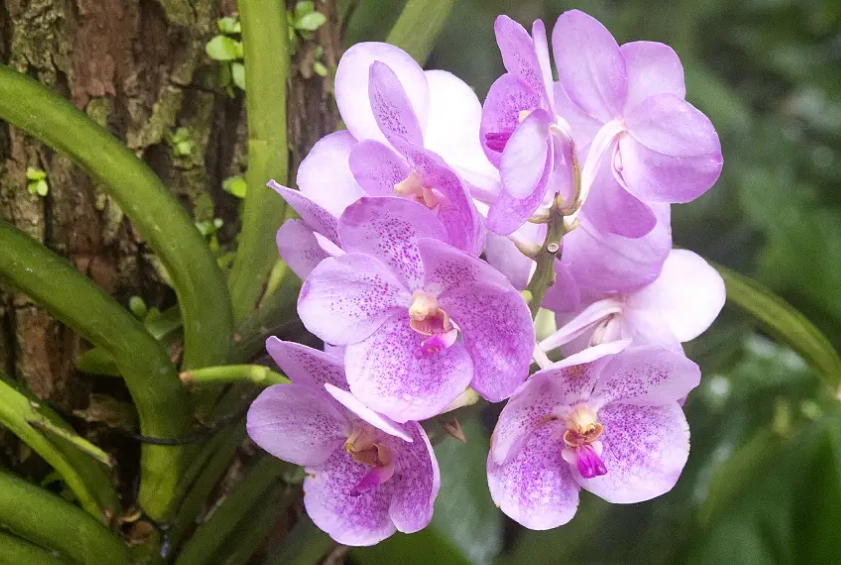
The Big Four: Orchid Care Non-Negotiables
Get these four things right, and 90% of your problems disappear. It's that simple.
Light: The Energy Source
Orchids need light to make flowers. No light, no show. But they burn easily. The perfect spot? Bright, indirect light. An east-facing window is gold. A south or west window is great, but you might need a sheer curtain to filter the harsh afternoon sun.
Leaf color is your cheat sheet. A healthy, happy orchid getting enough light will have bright, grassy green leaves. Dark, lush green leaves often mean it wants more light. Yellowish or reddish leaves (especially with black or brown patches) scream sunburn.
Watering: The #1 Killer (Usually by Overlove)
This is where everyone panics. Forget the "once a week" rule. It's useless. Your watering schedule depends on your home's heat, humidity, pot type, and potting mix.
Here's the only rule you need: Water when the roots are silver/grey and the potting mix is nearly dry. For most setups in bark, this might be every 7-10 days. In sphagnum moss, it could be every 10-14 days or longer.
The Soak Method (The Best Way): Take your orchid to the sink. Run lukewarm water through the pot for a good 30 seconds, letting it drain completely. Or, place the pot in a bowl of water for 15-20 minutes, then let it drain. The goal is to fully saturate the bark and roots. Never let the pot sit in a saucer of water. Ever.
Temperature & Humidity: Mimicking the Tropics
Most common orchids like the same temperatures you do: between 65°F and 80°F (18°C - 27°C). The magic trick for triggering blooms is a nighttime temperature drop of about 10-15 degrees. In fall, try moving your orchid to a cooler room at night, or near a slightly drafty window (but not freezing!).
Humidity is where homes fall short. They prefer 40-70%. Low humidity leads to wrinkled leaves and bud blast (flowers dropping before they open).
Easy fixes:
- Place the pot on a humidity tray (a tray filled with pebbles and water, keeping the pot above the water line).
- Group plants together.
- Run a small humidifier nearby. This made a huge difference for my own collection, especially in winter.
Fertilizing: Food for Growth & Flowers
Orchids are light feeders. Bark potting mix has zero nutrients, so you must fertilize. But weakly.
The golden rule: "Weekly, weakly."
Use a balanced orchid fertilizer (look for 20-20-20 or similar) and dilute it to ¼ or ½ the strength recommended on the bottle. Apply this weak solution every time you water during the growing season (spring and summer). In fall and winter, cut back to once a month or just use plain water.
Troubleshooting: What's Wrong With My Orchid?
Your orchid is talking. Here's how to translate.
Yellow Leaves
Bottom leaf yellowing slowly: Totally normal. The orchid is shedding an old leaf. It will dry up and you can gently pull it off.
Multiple yellow leaves, especially from the top: Trouble. Could be overwatering (check the roots!), severe under-watering, or too much direct sun.
Wrinkled, Limp Leaves
This is dehydration. But why?
1. Under-watering: The obvious one. Are you waiting too long between soaks?
2. Root rot: The most common culprit. The roots are dead, so even if you water, the plant can't drink. You must unpot and inspect. This is the scary part, but it's necessary.
3. Extremely low humidity.
No Flowers (The Biggest Complaint)
An orchid that's all leaves and no flowers is frustrating. It's usually one of three things:
- Not enough light. This is #1. Move it to a brighter spot.
- No temperature drop. Give it those cooler nights in the fall.
- It needs to mature. A new plant or one that just finished a big bloom needs time to grow new leaves and recharge. Be patient.
Bud Blast (Flower Buds Dry Up and Fall Off)
Heartbreaking. Caused by a sudden change in environment: a draft (hot or cold), drastic change in humidity, moving the plant after buds have set, or even fumes from ripening fruit or painting.
Repotting: It's Not That Scary, I Promise
You need to repot your orchid every 1-2 years. The bark breaks down, becoming acidic and water-retentive, which leads to root rot. Also, the plant outgrows its pot.
When to repot: After blooming, when you see new roots starting (they look like green tips). Or immediately if you suspect root rot.
What you need:
- A new pot (only one size larger, or the same size if just refreshing mix). Clear plastic pots with lots of side holes are fantastic—they let light in for the roots and improve air flow.
- Fresh orchid potting mix (chunky bark mix for Phals, Dendrobiums, Oncidiums). For Paphiopedilums, a finer mix with more moisture-retentive materials is better.
- Clean, sharp scissors (sterilize with rubbing alcohol).
- A stick for support.
The process, simplified:
- Gently remove the orchid from its old pot. You may need to cut the plastic pot away.
- Soak the root ball in water to make the old bark easier to remove.
- Carefully pick away all the old potting mix. This is the tedious part.
- Snip off any dead, mushy, or papery roots. Healthy roots are firm. Don't be squeamish.
- Place the plant in the new pot, holding it so the base of the leaves is just below the pot rim. Gently fill in with new bark, tapping the pot to settle it. Don't pack it tightly.
- Stake if needed. Wait a few days before watering to let any root cuts callous over.
It feels like surgery, but it's a rejuvenating spa day for your plant. The American Orchid Society (AOS) has excellent, detailed step-by-step repotting guides with pictures for different orchid types, which I still reference.
Beyond the Basics: Making Your Orchid Rebloom
So your Phalaenopsis finished its magnificent display. Now what? Don't cut the whole flower spike yet!
Option 1 (The safe bet): Cut the spike about an inch above the bottom node (the brown rings on the spike). Sometimes, a secondary spike will emerge from a lower node, giving you more flowers sooner.
Option 2 (The gamble): If the spike is still green, you can cut it back to just above the highest unopened bud node (usually the 3rd or 4th node from the bottom). With good care, it may branch and rebloom. But sometimes the plant just needs a rest, and this can weaken it. I've had mixed results.
After pruning, go back to the basics: good light, proper watering, and regular weak fertilizer. The plant will focus on growing new leaves and roots. A new flower spike will emerge from between the leaves when it's ready, usually triggered by those cooler fall nights. The spike looks like a tiny mitten at first, not a root (roots are rounder and silvery).
Common Orchid Myths Debunked
Let's clear some things up.
Myth: Ice cubes are a good way to water orchids.
Truth: This is a marketing gimmick. Ice-cold water can shock tropical roots and doesn't provide a thorough soak. Stick to room-temperature water.
Myth: Orchids only bloom once and then die.
Truth: Absolutely false. With proper care, an orchid can live and bloom for decades. They are perennial plants.
Myth: You should mist the leaves daily.
Truth: Misting does almost nothing for humidity and can cause water to sit in the crown (where the leaves meet), leading to crown rot—a very fast killer. If you get water in the crown, blot it out with a paper towel.
The Ethics of Orchids
It's worth mentioning that the orchid hobby has a complicated history. Many species were collected from the wild to near extinction. Today, the vast majority of orchids sold are mass-produced through tissue culture in labs, which is sustainable and doesn't harm wild populations. When buying a specialty orchid, always look for nursery-propagated or "flask" plants. Organizations like the Royal Botanic Gardens, Kew, are involved in major orchid conservation projects to protect species in their natural habitats.
Quick Fire Orchid FAQ
How often do you water an orchid?
When the roots turn silvery and the pot feels light. Forget the calendar.
Do orchids need sunlight?
Yes! Bright, indirect sunlight. An east window is perfect.
What is the best potting mix for orchids?
A chunky, fast-draining bark mix for most common types like Phalaenopsis.
Should I cut the old flower spike?
Yes, after it turns brown and dies back. If it's green, you can cut it above a node for a chance at a secondary bloom.
Why are my orchid's leaves wrinkled?
Most likely root rot from overwatering. Unpot and check the roots.
How do I get my orchid to flower again?
Ensure it gets enough light, give it a temperature drop in the fall, and be patient while it grows new leaves.
Are coffee grounds good for orchids?
No. They can make the mix too acidic and compact. Use a proper, diluted orchid fertilizer.
Wrapping It Up
Look, orchid care boils down to understanding they're air plants. They need air to their roots, bright but gentle light, and a drink only when they're thirsty. Stop treating them like a regular houseplant. Pay attention to what yours is telling you through its leaves and roots.
Don't get discouraged by a setback. Even experts lose plants. The goal isn't perfection; it's learning and enjoying the process. When that first new flower spike emerges on an orchid you've nursed back to health, it's an incredible feeling. It means you've listened, and you've gotten it right.
Start with one easy Phalaenopsis. Master its rhythm. Then maybe you'll get curious about a fragrant Oncidium or a weird-looking Paphiopedilum. It's a deep, rewarding hobby. There's a whole community out there, from local orchid societies to fantastic online forums. For ongoing, science-backed advice, university extension services, like the University of Florida's IFAS Extension, offer fantastic regional guides on orchid care that are incredibly practical.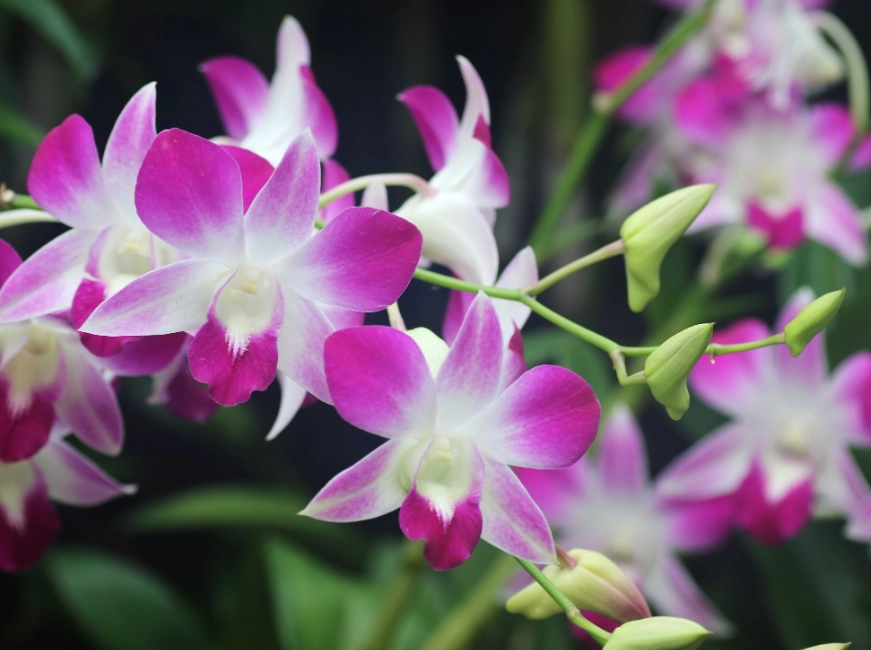
Now go check on your orchid. Are the roots silvery? Give it a soak. Is it in a dark corner? Find it a brighter spot. You've got this.