In This Guide
Let's be honest. There are few things more universally annoying than the high-pitched whine of a mosquito near your ear at night. You're just trying to sleep, or enjoy a quiet evening on the porch, and there it is. That tiny, persistent buzz that promises an itchy, swollen bump tomorrow. I remember one summer camping trip where I felt like the main course at a mosquito buffet. It was miserable. But beyond the itch, there's a more serious side to these insects. This guide isn't just about complaining; it's about understanding them so we can effectively keep them away.
What exactly is a mosquito, and why does its bite itch so much? How can some people sit outside and be completely fine, while others (like me on that camping trip) get eaten alive? And most importantly, what actually works to stop them? We're going to dig into all of that, moving past the myths and into practical, actionable information.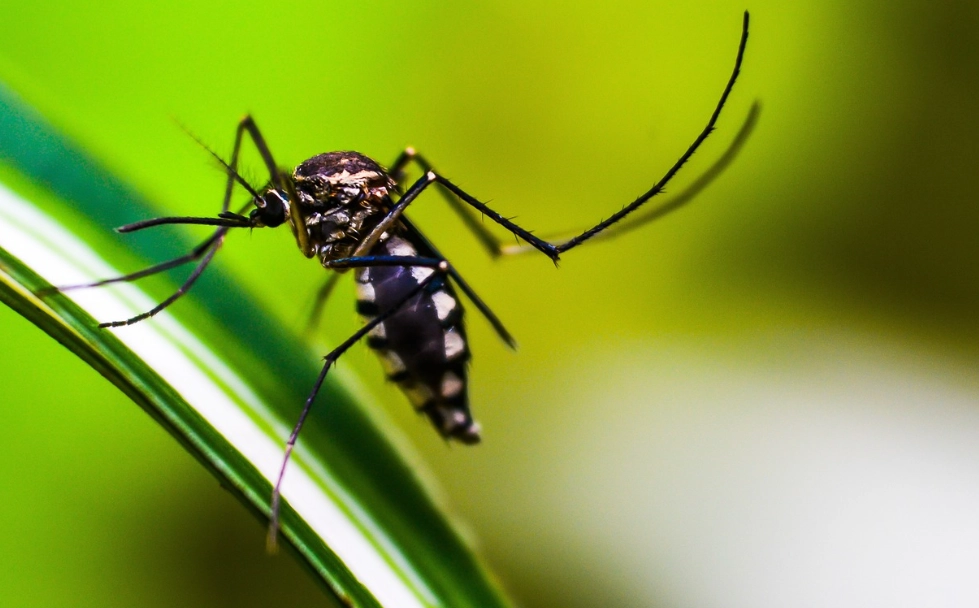
The Core Problem: A mosquito isn't just a nuisance. It's considered the world's deadliest animal due to the diseases it can transmit. Understanding it is the first step to protection.
What Is a Mosquito, Really?
We call them all "mosquitoes," but there are actually over 3,500 species worldwide. Most don't bother humans at all, preferring birds, frogs, or other animals. The ones that ruin our barbecues belong to a few key genera. The most common troublemakers are Culex (often active at dusk and dawn), Aedes (notorious daytime biters like the yellow fever mosquito and the Asian tiger mosquito with its distinctive black and white stripes), and Anopheles (the primary malaria vectors).
Their life cycle is tied to water. It's fascinating, really, if it weren't so problematic. They go from egg to larva (those wriggling "wrigglers" in stagnant water) to pupa, and then to the flying adult. A single bottle cap of standing water can be a nursery for hundreds. That's why you'll hear endless advice about dumping out water—it attacks the problem at its source.
Think about that the next time you see an old planter saucer full of rainwater.
Why Do Mosquitoes Bite?
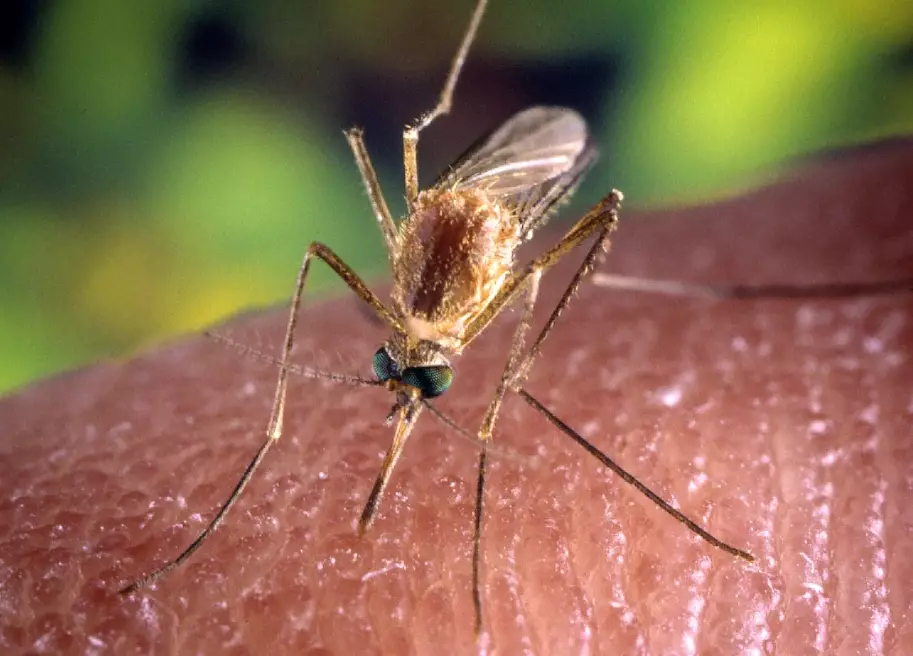
Here's a key fact that often gets missed: only female mosquitoes bite. They need the protein in blood to develop their eggs. Males feed solely on plant nectar. So that mosquito homing in on you? She's a mom-to-be looking for a meal for her future offspring.
They find us through a combination of cues. It's like they have a built-in detective kit:
- Carbon Dioxide (CO2): This is the long-range signal. When we exhale, we release a plume of CO2 that mosquitoes can detect from up to 100 feet away. It basically screams "warm-blooded animal here!".
- Body Heat and Sweat: As they get closer, our body heat and the chemicals in our sweat (like lactic acid, uric acid, and ammonia) guide them in. Some people simply produce more of these attractants, or have a skin microbiome that's more appealing.
- Dark Clothing: Studies suggest mosquitoes use vision too. Dark colors like black, navy, and red provide a stronger visual contrast against the horizon, making you an easier target.
I used to think it was an old wives' tale about "sweet blood," but it turns out science backs up the idea that some of us are just more attractive. I must be emitting some kind of mosquito perfume. It's not fair, but knowing the reasons helps us fight back smarter.
The Itch, The Bump, and The Real Danger
So she lands. The mosquito doesn't just stab you with a single needle. Her mouthpart (called a proboscis) is a sophisticated, multi-tool system. She uses some parts to saw through your skin, others to hold tissues apart, and a central tube to suck blood. While she's feeding, she injects saliva. This saliva contains anticoagulants to keep your blood flowing smoothly into her.
And that saliva is the culprit.
Your immune system recognizes those foreign proteins and launches an attack. It releases histamine to the area, causing blood vessels to swell, resulting in the familiar red, itchy bump. The intensity of your reaction depends on your immune system's sensitivity. Kids often get bigger welts because they haven't been exposed as much.
Beyond the Itch: Disease Risk. The real danger isn't the itch, but the pathogens that can be in the mosquito's saliva. When a mosquito feeds on an infected person or animal, it can pick up a virus or parasite. After it incubates inside the mosquito, it can be passed to the next person it bites. This makes mosquito control a critical public health issue, not just a personal comfort one.
Major Mosquito-Borne Diseases to Know
This is the serious part. While not every mosquito carries disease, awareness is crucial, especially if you're traveling. Here's a breakdown of the big ones:
| Disease | Primary Mosquito Vector(s) | Key Regions | Notes & Symptoms |
|---|---|---|---|
| Malaria | Anopheles species | Sub-Saharan Africa, South Asia, parts of S. America | Caused by a parasite. Symptoms include high fever, chills, flu-like illness. Can be fatal if untreated. The World Health Organization (WHO) provides extensive global tracking and prevention guidelines. |
| Dengue Fever | Aedes aegypti, Ae. albopictus | Southeast Asia, Americas, Africa, Pacific Islands | Also called "breakbone fever" due to severe muscle/joint pain. High fever, rash. Can progress to severe, life-threatening dengue hemorrhagic fever. |
| Zika Virus | Aedes aegypti, Ae. albopictus | Tropical & subtropical regions | Mild illness for most, but major risk to pregnant women due to link with birth defects (microcephaly). |
| West Nile Virus | Primarily Culex species | North America, Europe, Africa, Asia | Most infected have no symptoms. About 1 in 5 get a fever. Less than 1% develop serious neurological illness. The CDC's West Nile page is a key resource for U.S. surveillance. |
| Chikungunya | Aedes aegypti, Ae. albopictus | Africa, Asia, Americas | Sudden high fever and severe, debilitating joint pain that can last for months. |
Seeing them listed like that really puts the risk in perspective, doesn't it? It's why effective mosquito management is so much more than a can of spray.
Your Action Plan: How to Prevent Mosquito Bites
Okay, enough about the problem. Let's talk solutions. A good strategy is layered, like an onion. You want multiple lines of defense, because no single method is 100% perfect.
Layer 1: Mosquito-Proof Your Environment
This is about making your space less inviting. It's the most effective long-term step.
Top Target: Eliminate standing water. This is non-negotiable. Do a weekly patrol of your yard. Look for and empty anything that holds water for more than a week.
- Checklist for Your Yard:
- Clogged gutters and downspouts.
- Flower pot saucers, planter trays.
- Bird baths (change water at least twice a week).
- Old tires, buckets, toys, tarps.
- Trash can lids and recycling bins.
- Pet water bowls (refresh daily).
- Kiddie pools (empty when not in use).
- Tree holes or hollow stumps.
For water you can't drain, like a pond or rain barrel, consider using Bacillus thuringiensis israelensis (Bti) products. These are biological larvicides—basically, bacteria that kill mosquito larvae but are harmless to people, pets, and plants. You can find them as dunks or granules.
Layer 2: Use Physical Barriers
Keep them outside where they belong.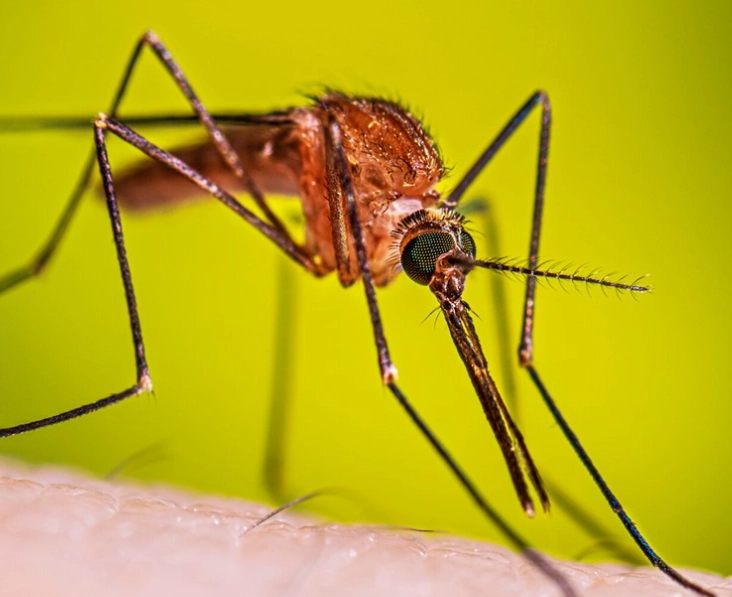
- Window and Door Screens: Make sure they are intact, with no holes or tears. Repair or replace them. It sounds simple, but it's incredibly effective.
- Mosquito Nets: For beds, especially for infants or in high-risk areas. Tuck the net under the mattress. The classic, time-tested solution.
- Fans: A strong fan on your patio can work wonders. Mosquitoes are weak fliers, and the breeze disperses the CO2 plume you're emitting, making you harder to find.
Layer 3: Personal Protection – Repellents That Work
This is where people get overwhelmed. The shelves are full of options. Let's cut through the noise.
The gold standard, recommended by the CDC and the Environmental Protection Agency (EPA), are EPA-registered repellents. Registration means the EPA has reviewed the data and found the product effective and safe when used as directed.
| Active Ingredient | Common Brand Names | Protection Time (approx.) | Notes & Considerations |
|---|---|---|---|
| DEET | OFF!, Cutter, Repel | 2-12 hours (depends on %) | The most studied. Effective against ticks too. Can damage plastics/synthetics. Use 20-30% for adults, up to 30% for kids (avoid infants under 2 mos). |
| Picaridin | Sawyer, Skin So Soft Bug Guard Plus | 3-14 hours | Often preferred as it's odorless, less greasy, and won't damage gear. Broad-spectrum efficacy similar to DEET. |
| Oil of Lemon Eucalyptus (OLE) or PMD | Repel, Cutter Lemon Eucalyptus | Up to 6 hours | A plant-based option, but it's a synthesized version. Not the same as essential oil. Not recommended for kids under 3. |
| IR3535 | Skin So Soft Bug Guard Plus Expedition | Up to 8 hours | Gentle, used in some skincare products. Can be less effective against some aggressive mosquito species. |
How to Apply Repellent Correctly: This matters as much as what you choose. Spray or rub it on exposed skin and/or clothing. Don't spray directly on your face—spray on your hands first, then apply. Don't use under clothing. Wash it off with soap and water when you come back inside.
I've tried them all. Picaridin is my personal favorite for everyday use—no smell, no sticky feeling. But for a deep woods hike in tick country, I still reach for a high-concentration DEET product. It's about matching the tool to the job.
What About "Natural" and DIY Methods?
This is a big topic. People want alternatives, and I get it. The truth is, their effectiveness is often overhyped and short-lived.
- Citronella Candles/Torches: They can provide a very small zone of protection downwind, but it's minimal. If you're sitting right in the smoke, maybe. A few feet away? Useless.
- Essential Oils (Lavender, Peppermint, Tea Tree): They may repel for a very short time—think minutes, not hours. They evaporate quickly and are not EPA-evaluated for efficacy or safety at high doses on skin. Great for a nice scent, poor for reliable bite prevention.
- Ultrasonic Devices, Bug Zappers, and Bracelets: Save your money. Scientific reviews, like those from the EPA on mosquito control devices, consistently show these have little to no effect on reducing mosquito bites. Zappers kill more beneficial insects than mosquitoes.
My take? If you're just out for 30 minutes in a low-risk area, a strong essential oil blend might take the edge off. But for a backyard party or a hike, you need the proven protection of registered repellents.
If You Get Bitten: Itch Relief Strategies
Sometimes, despite your best efforts, one gets through. Here’s what to do about that maddening itch.
Don't scratch. I know, it's the hardest advice to follow. Scratching breaks the skin, introduces bacteria, and can lead to infection. It also causes your body to release more histamine, making the itch worse—a vicious cycle.
- Wash the area with soap and cool water.
- Apply a cold compress or ice pack (wrapped in a cloth) for 10-minute intervals. This reduces swelling and numbs the itch.
- Over-the-counter remedies:
- Anti-itch creams: Look for hydrocortisone (1%) or pramoxine. They work.
- Oral antihistamines: A dose of cetirizine (Zyrtec) or diphenhydramine (Benadryl) can help with a severe systemic reaction or multiple bites.
- Home/Kitchen Remedies (with varying reports of success):
- Baking soda paste: Mix with a little water to form a paste, apply for 10 mins.
- Oatmeal bath: For lots of bites, colloidal oatmeal in cool bath water is very soothing.
- Honey: A tiny dab has anti-inflammatory properties.
The goal is to calm the immune response and give your skin time to heal.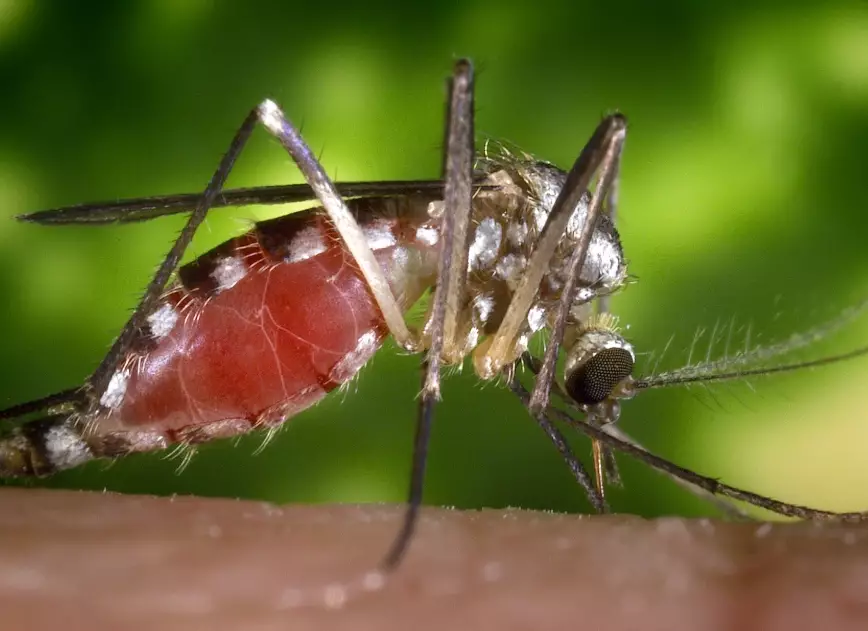
Common Mosquito Questions Answered
Let's tackle some of the specific questions people type into Google.
Why do mosquitoes bite me more than other people?
It's likely a combination of factors: you might exhale more CO2 (larger people, pregnant women), have a higher metabolic rate, produce specific sweat chemicals they love, have Type O blood (some studies suggest a preference), or wear dark clothing. It's mostly biology, not luck.
Do mosquito repellent plants really work?
Plants like citronella, lavender, and marigolds have oils that can repel insects. But the concentration of those oils just sitting in a pot on your patio is far too low to create a protective barrier around you. Crushing the leaves and rubbing them on your skin might offer a few minutes of relief, but it's not a reliable strategy.
What time of day are mosquitoes most active?
It depends on the species. Many common Culex mosquitoes are most active from dusk to dawn. The aggressive Aedes mosquitoes, however, are daytime biters, with peak activity in the early morning and late afternoon. Assume you're never completely safe.
Can you build up a tolerance to mosquito bites?
Yes, actually. With repeated exposure over many seasons, some adults experience a phenomenon called "desensitization," where their immune system stops reacting so strongly, leading to smaller, less itchy bumps. Conversely, people new to an area might have stronger reactions.
Are there any effective mosquito traps?
Some traps that emit CO2, heat, and specific attractants (octenol) can catch significant numbers of mosquitoes, particularly in a large, enclosed yard. However, they are not a standalone solution. They work best as part of an integrated plan to reduce the local population, not to protect you in real-time. They can also attract mosquitoes from neighboring areas.
Final Thought: Living completely mosquito-free is probably impossible. But living with far fewer bites and much less risk is absolutely achievable. It's not about magic bullets or gadgets. It's about consistent, boring, layered habits: dump the water, repair the screen, wear the repellent. It's the unsexy, practical stuff that actually wins the war against the mosquito.
I hope this guide gives you the knowledge and the confidence to enjoy your time outdoors without being a buffet. Now go check those gutters.