Key Takeaways
- The Big Three: NPK Explained Without the Headache
- Beyond NPK: The Supporting Cast of Essential Nutrients
- Your Plant's Diet Plan: Organic vs. Synthetic Fertilizers
- Reading the Leaves: A Practical Guide to Diagnosing Deficiencies
- The Foundation of All Nutrition: It Starts With Your Soil
- How & When to Feed: A Seasonal Feeding Schedule
- Common Plant Nutrition Questions (The Stuff You Actually Google)
- Putting It All Together: A Simple Action Plan
Let's be honest. You brought home that beautiful plant, full of hope. You watered it, gave it some light, maybe even talked to it. But then... the leaves started looking off. Maybe they turned yellow at the edges. Maybe growth just stopped. You head to the internet, type in "plant food," and are immediately buried under an avalanche of acronyms like NPK, Epsom salts, chelated iron, and pH levels. It's enough to make anyone want to stick to plastic plants.
I've been there. I killed a perfectly good basil plant by loving it too much with fertilizer. True story. That experience, frustrating as it was, taught me more than any textbook. Plant nutrition doesn't have to be a complex chemistry exam. It's about understanding what your green friends are trying to tell you and giving them what they need, when they need it. This guide is the one I wish I had—no fluff, just the straight talk on how to feed your plants for real, lasting health.
The Big Three: NPK Explained Without the Headache
You see these three numbers on every fertilizer bag. They're non-negotiable in the world of plant nutrition. But what do they actually do inside the plant? Let's break it down in human terms.
N is for Nitrogen (The Leafy Green Machine). This is the element for vigorous, green, leafy growth. If your plant's main job is to produce lots of foliage—think lettuce, spinach, lawn grass, or your favorite philodendron—it craves nitrogen. A deficiency shows up as pale green or yellowing leaves, especially on the older growth at the bottom. The plant is basically cannibalizing its older leaves to send nitrogen to the new ones.
But here's a trap I fell into: giving too much nitrogen to a flowering plant. You get a gigantic, lush, dark green bush... with zero flowers. All its energy went into making leaves, not buds. It's like feeding an athlete nothing but pasta before a race—wrong kind of fuel.
P is for Phosphorus (The Root, Bloom, and Energy Boss). Phosphorus is crucial early in a plant's life for building a strong, extensive root system. Later, it's the key player in flower, fruit, and seed production. It also helps with energy transfer within the plant. A phosphorus shortage often leads to stunted growth, poor flowering, and a purplish tint on the leaves (particularly noticeable on the undersides).
K is for Potassium (The Plant's Immune System and Regulator). Potassium doesn't build specific parts like N and P do. Instead, it's the ultimate regulator. It controls the opening and closing of stomata (tiny leaf pores), which manages water uptake and loss. It activates enzymes, improves drought and disease resistance, and enhances overall fruit quality. A potassium deficiency often appears as yellowing or browning leaf edges and tips, starting with the older leaves, and the plant just looks weak and prone to every pest that flies by.
So a fertilizer labeled 10-5-5 is high in nitrogen for leaves. A 5-10-10 blend is better for encouraging roots and flowers. A balanced 10-10-10 is a good general-purpose food. Simple, right?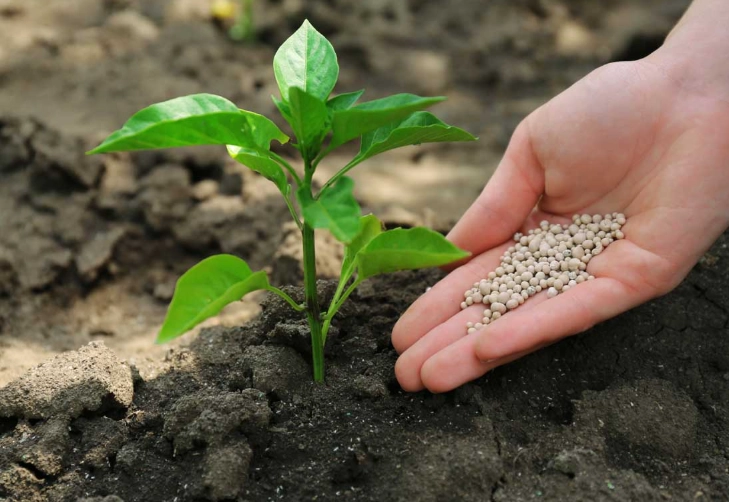
Beyond NPK: The Supporting Cast of Essential Nutrients
If NPK are the lead actors, these next nutrients are the essential supporting cast. Your plant can't complete the show without them. They're split into two groups: secondary macronutrients (needed in decent amounts) and micronutrients (needed in tiny, but critical, traces).
The Secondary Macronutrients
Calcium (Ca): The building block for cell walls. Think of it as the plant's skeleton. A lack of calcium is infamous for causing blossom end rot in tomatoes and peppers—that nasty, sunken, black spot on the bottom of the fruit. It's often not a lack of calcium in the soil, but an inability to move it to the fruit due to irregular watering.
Magnesium (Mg): The central atom in the chlorophyll molecule. No magnesium, no photosynthesis. Deficiency shows as yellowing between the leaf veins while the veins themselves stay green (a pattern called interveinal chlorosis). Epsom salts (magnesium sulfate) are a common fix.
Sulfur (S): A component of some amino acids and vitamins. Deficiencies are rarer but resemble nitrogen deficiency—overall yellowing, though it typically appears on newer growth first.
The Micronutrients (Trace Elements)
These are the vitamins of the plant world. You only need a pinch, but without them, things go haywire.
- Iron (Fe): Crucial for chlorophyll synthesis. Deficiency causes severe interveinal chlorosis on the youngest leaves. Common in high-pH (alkaline) soils where iron becomes "locked up" and unavailable.
- Manganese (Mn), Zinc (Zn), Copper (Cu): All act as enzyme activators for various processes. Their deficiencies often cause distorted new growth, weird leaf shapes, and strange discoloration patterns.
- Boron (B), Molybdenum (Mo): Involved in cell division and nitrogen metabolism, respectively. Very specific, odd symptoms like cracked stems or leaves that look scorched.
The tricky part with micronutrients is that too much is toxic. It's a very fine line. This is where getting your basic plant nutrition right from the soil up saves you countless headaches later.
Your Plant's Diet Plan: Organic vs. Synthetic Fertilizers
This is the great debate. It's not just about what you feed, but the form it comes in. The choice influences your plant's health, the soil's long-term vitality, and your gardening philosophy.
Let's compare them head-to-head. This table should clear the air.
| Feature | Organic Fertilizers (e.g., compost, manure, bone meal, fish emulsion) | Synthetic Fertilizers (e.g., Miracle-Gro, granular 10-10-10, water-soluble crystals) |
|---|---|---|
| Source | Derived from once-living organisms (plants, animals, minerals). | Man-made, chemically processed salts. |
| Nutrient Release | Slow-release. Microbes in soil must break them down. Feeds plants over weeks/months. | Fast-release. Nutrients are immediately available to plant roots. |
| Primary Action | Feeds the soil ecosystem, which in turn feeds the plant. Improves soil structure and water retention. | Feeds the plant directly. Little to no benefit for soil biology or structure. |
| Risk of Burn | Very low. Hard to overdo it if applied as directed. | High. Easy to over-apply and "burn" roots with salt concentration. |
| Long-Term Impact | Builds soil fertility sustainably. Can be more expensive upfront. | Can lead to salt buildup, soil acidification, and degraded soil health over time. Often cheaper. |
| Best For... | Garden beds, long-term plantings, soil builders, gardeners focused on ecosystem health. | Quick fixes, container plants that need precise feeding, hydroponics, boosting ailing plants fast. |
My take? It doesn't have to be all-or-nothing. I use compost as my foundation—it's the ultimate slow-release, broad-spectrum plant nutrition source. Then, for my heavy-feeding tomatoes in containers, I might supplement with a liquid fish-and-seaweed blend (organic) or, in a pinch, a half-strength dose of a synthetic tomato fertilizer. The goal is to keep the plant growing steadily, not in frantic bursts and crashes.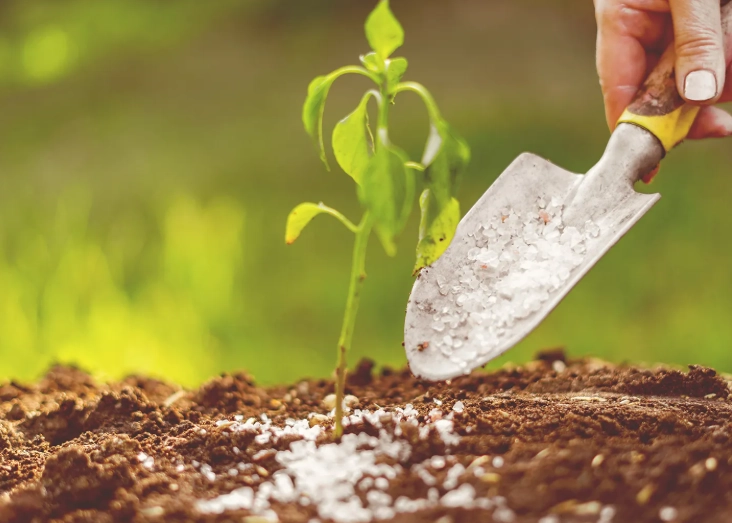
Reading the Leaves: A Practical Guide to Diagnosing Deficiencies
Your plant is talking to you through its leaves. The color, texture, and location of symptoms are the clues. Here’s a field guide to the most common cries for help.
The Symptom: Yellowing Leaves. This is the most common alarm bell. The location is key.
- Older leaves (bottom of plant) turn yellow first: Classic sign of a mobile nutrient deficiency. The plant is pulling it from old growth to support new growth. Suspect Nitrogen (N), Potassium (K), or Magnesium (Mg).
- Newer leaves (top of plant) turn yellow first: Points to an immobile nutrient deficiency. The plant can't move it from old leaves. Suspect Iron (Fe), Sulfur (S), or Calcium (Ca).
The Symptom: Discoloration Between Veins (Interveinal Chlorosis).
- On older leaves, veins stay green, tissue yellows: Likely Magnesium (Mg) deficiency. A foliar spray of Epsom salts can green it up surprisingly fast.
- On newer leaves, veins stay green, tissue turns bright yellow or white: Classic Iron (Fe) deficiency. Very common in acid-loving plants (azaleas, blueberries) grown in alkaline soil.
The Symptom: Purplish Tints. A reddish or purplish coloration on leaves, especially undersides and stems, can indicate a Phosphorus (P) deficiency. It's the plant producing anthocyanin pigments (like in fall leaves) due to stress. Common in young plants in cool, wet spring soil where phosphorus uptake is poor.
The Symptom: Distorted or Unusual New Growth. Cupped leaves, twisted stems, weirdly narrow leaves. This often points to micronutrient issues like Calcium (Ca) or Boron (B) deficiencies, or sometimes herbicide damage. It's a trickier one to diagnose.
Before you treat anything, rule out the imposters. Overwatering causes yellowing. Pest damage causes spots and holes. Sun scorch causes crispy brown edges. Always check the soil moisture and look under the leaves first!
The Foundation of All Nutrition: It Starts With Your Soil
You can pour the most expensive fertilizer on earth onto your plants, but if your soil is a mess, it's like putting gourmet food on a broken plate. The health of your soil dictates the success of your plant nutrition strategy. Two concepts are non-negotiable here: Soil pH and Soil Testing.
Soil pH: The Gatekeeper of Nutrients
Soil pH is a scale from 0 (acidic) to 14 (alkaline), with 7 being neutral. It's not a nutrient itself, but it controls the availability of every nutrient in the soil. Imagine pH as a bouncer at a club. If the pH is wrong, the bouncer (soil chemistry) won't let the nutrient "ions" into the club (plant root).
Most plants thrive in a slightly acidic to neutral range (pH 6.0 to 7.0). In this range, all major and minor nutrients are reasonably available.
- If your soil is too acidic (low pH): Elements like aluminum and manganese can become toxic, while phosphorus, calcium, and magnesium get locked up.
- If your soil is too alkaline (high pH): Iron, manganese, zinc, and phosphorus become largely unavailable. This is why acid-loving plants like blueberries utterly fail in alkaline soils—they starve for iron.
You can adjust pH. To raise it (make less acidic), add garden lime. To lower it (make more acidic), add elemental sulfur or peat moss. But you must know your starting point.
Getting a Soil Test: The Only Way to Know For Sure
Guessing your soil's pH and nutrient levels is gardening in the dark. A soil test is like getting a blood test for your garden. It tells you exactly what you have and what you lack.
Forget the cheap plastic testers from the big-box store. They're notoriously inaccurate. The gold standard is a test from your local Cooperative Extension Service. In the U.S., every state has one affiliated with a land-grant university (like Cornell, UC Davis, Texas A&M). For a small fee, they provide a detailed, accurate analysis and a customized recommendation report. You can find your local office via the USDA's National Institute of Food and Agriculture directory. In the UK, similar services are offered by organizations like the Royal Horticultural Society (RHS).
The report will tell you your pH, levels of phosphorus, potassium, calcium, and magnesium, and often give organic matter content. It takes the guesswork out. I get one for my main garden bed every other year. It's the single best investment I make in my garden's health.
How & When to Feed: A Seasonal Feeding Schedule
Plants have appetites that change with their life cycle and the seasons. Dumping fertilizer on them whenever you remember is a recipe for trouble.
Early Spring (The Wake-Up Call): As plants break dormancy and push out new leaves, they need a balanced meal to support that initial burst of growth. A gentle, balanced organic fertilizer or a top-dressing of compost is perfect. Avoid heavy nitrogen here for flowering plants.
Late Spring / Early Summer (The Peak Growing Season): This is when most edible plants (tomatoes, peppers, squash) and flowering annuals are growing vegetatively and starting to set buds. They are hungry! This is the time for regular feeding. For heavy feeders, a liquid feed every 2-3 weeks works well. Look for fertilizers with a higher middle number (P) to support blooming.
Mid to Late Summer (The Fruiting & Maintenance Phase): For plants producing fruit, keep up with consistent feeding to support that energy-intensive process. A fertilizer with a good amount of potassium (K) can improve fruit quality and disease resistance. For perennials and trees, stop high-nitrogen feeds by mid-summer to allow them to harden off for winter.
Fall (The Wind-Down): Feeding most plants in fall is a bad idea. It encourages tender new growth that will be killed by frost. The exception is applying compost or slow-release organic amendments to garden beds in the fall. They break down over winter, readying the soil for spring.
Common Plant Nutrition Questions (The Stuff You Actually Google)
Are coffee grounds good fertilizer?
Yes, but with major caveats. Used coffee grounds are a decent source of slow-release nitrogen and can improve soil structure. They are also slightly acidic. However, they shouldn't be used as a main fertilizer. Never use them thickly or wet, as they can form a water-resistant crust. Best to mix them thoroughly into your compost pile. Sprinkling a thin layer on the soil surface is okay.
Why are my tomato plant's leaves turning yellow?
The million-dollar question. Could be:
1. Overwatering (most likely!). Check soil.
2. Nitrogen deficiency (older leaves yellow first).
3. Early Blight disease (yellow leaves with concentric brown spots).
4. End-of-season senescence (it's just getting old and tired).
Start by cutting back on water and applying a balanced liquid feed. If spots appear, it's likely fungal.
Is Epsom salt good for all plants?
No. It's magnesium sulfate. It's fantastic if you have a diagnosed magnesium deficiency (interveinal chlorosis on older leaves). It's also a folklore remedy for pepper and tomato growth, though evidence is mixed. Throwing it on everything "just in case" is pointless and can mess with your soil's calcium-magnesium balance over time. Use it as medicine, not a vitamin.
Can you over-fertilize? What does fertilizer burn look like?
Absolutely, and synthetics are the usual culprit. Symptoms look like the plant is drying out from the edges in: brown, crispy, scorched-looking leaf margins and tips. The roots have been damaged by high salt concentrations, so they can't take up water, even if the soil is wet. The fix is to stop feeding and leach the soil by running a slow, deep watering for a long time to flush excess salts out of the root zone.
What's the best all-around natural fertilizer?
My vote goes to good quality compost. It's not the highest in any one nutrient, but it provides a broad spectrum of macro and micronutrients, improves soil structure, feeds microbes, and helps retain moisture. It's the cornerstone. If I had to pick a commercial product, a balanced, OMRI-listed (for organic use) granular fertilizer like Espoma Plant-tone or Dr. Earth All Purpose is hard to beat for garden beds.
Putting It All Together: A Simple Action Plan
Feeling overwhelmed? Don't be. Here's a simple, foolproof plan to get your plant nutrition on track, starting today.
- Observe. Look closely at your plant. Where is the problem? New growth or old? Leaves, stems, or both?
- Investigate the Basics. Poke your finger in the soil. Is it soggy or bone dry? Has it been in blazing sun or deep shade? Rule out water and light first.
- Test, Don't Guess. If problems persist, get a soil test. It's $20 well spent. For houseplants or a quick check, a reliable pH meter can help.
- Start Gentle. Your first intervention should be the gentlest. For yellowing, try a half-strength dose of a balanced liquid fertilizer. For suspected micronutrient issues, try a foliar spray of seaweed extract (it has traces of everything).
- Feed the Soil, Not Just the Plant. Make adding compost an annual ritual. It fixes a multitude of sins over time.
- Be Patient. Plants don't recover overnight. It takes weeks for a corrected deficiency to show as new, healthy growth. Don't apply more fertilizer thinking it didn't work.
Understanding plant nutrition is a journey, not a destination. You'll learn more from one wilted seedling than from a dozen perfect articles. Start simple, pay attention, and feed your soil as much as your plants. The rest—the lush growth, the vibrant blooms, the heavy harvest—will follow naturally.