Let's be honest. You've probably bought a plastic clamshell of fresh herbs, used a tablespoon, and watched the rest turn into a slimy mess in your fridge. I've done it more times than I care to admit. That feeling is exactly why starting a herb garden, even a tiny one, is a game-changer. It's not about becoming a master gardener overnight. It's about having a sprig of rosemary when you need it, or picking a handful of basil for a last-minute pasta. The flavor is brighter, and the cost over time is practically zero.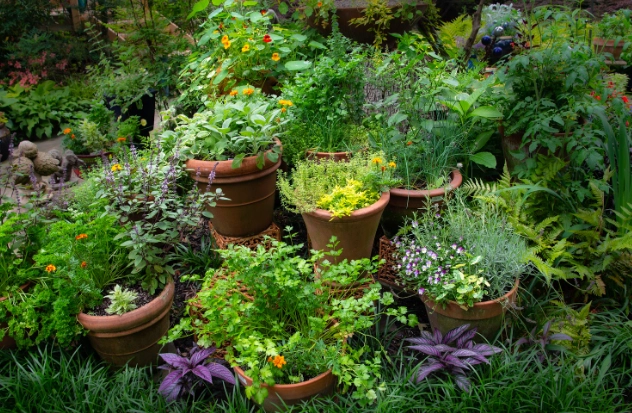
But where do you start? A quick search shows a million articles saying the same basic things. I've been growing herbs for over a decade, in sprawling backyard plots and on cramped apartment windowsills. I've killed my share of plants, too. This guide skips the fluff and gives you the actionable, often-overlooked details that make the difference between a thriving garden and a disappointing one.
What You'll Learn in This Guide
Choosing Your Herbs: Start with Flavor, Not Just Looks
Don't just grab every seed packet at the store. Think about what you cook. Do you make a lot of Italian food? Basil, oregano, and thyme are your team. More into tacos? Cilantro is a must (though it's tricky—more on that later). My first piece of non-consensus advice: buy small starter plants for most herbs, not seeds. Seeds are rewarding but slow. For instant gratification and a higher success rate, a $3 basil plant from the nursery gets you harvesting in weeks, not months.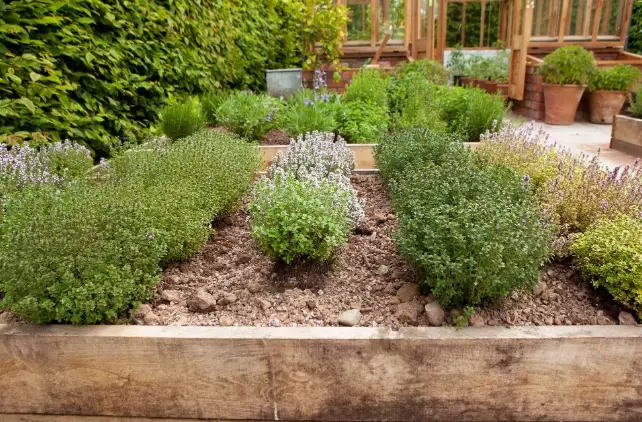
Here’s a breakdown of classic starter herbs, with their real-world personalities:
| Herb | Personality & Key Need | Best For... | One Quirk to Know |
|---|---|---|---|
| Basil | Sun-worshipper, hates the cold. Needs consistent warmth and pinching. | Pesto, caprese, pizzas, Thai curries. | Pinch off flower buds immediately. Once it flowers, leaf production drops and flavor can turn bitter. |
| Mint | Aggressive spreader. Unkillable in the ground, perfect for containers. | Mojitos, teas, Middle Eastern dishes, garnish. | Always plant it alone in a pot. If it goes in the ground, it will take over your entire garden bed in a season. |
| Rosemary | Drought-tolerant, woody perennial. Loves sun and well-draining soil. | Roasts, grilled meats, potatoes, breads. | Go easy on the water. It prefers to dry out between drinks. Overwatering is its #1 killer. |
| Parsley (Flat-leaf) | Biennial, slow but steady. More tolerant of partial shade. | Garnish, tabbouleh, soups, chimichurri. | Incredibly slow to germinate from seed (up to 3 weeks). Buy a plant. |
| Chives | Easy-going, grass-like perennial. Grows back after cutting. | Baked potatoes, salads, eggs, cream cheese. | The purple flowers are edible and make a beautiful, mild oniony garnish for salads. |
| Cilantro/Coriander | Fast-growing but bolts (goes to seed) in heat. Cool-weather lover. | Salsas, curries, Vietnamese pho, tacos. | To have a continuous supply, sow new seeds every 2-3 weeks. Don't fight the bolt—let it flower and you'll get coriander seeds! |
Planning Your Garden: Location is Everything
You don't need a farm. You need sunlight. Most culinary herbs need a minimum of 6 hours of direct sunlight per day. Before you buy a single pot, watch your intended spot for a full day. Is it sunny from 10 am to 4 pm? Perfect. Just morning sun? You'll need to choose shade-tolerant herbs like mint, parsley, or chives.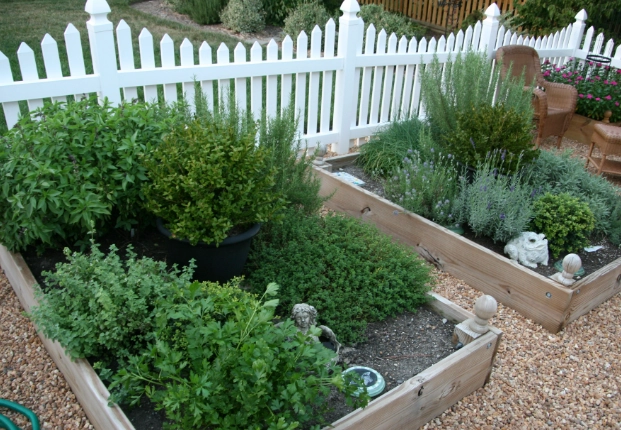
Containers vs. In-Ground
Containers win for flexibility and control, especially for beginners. You can move them to chase the sun, control the soil perfectly, and contain bullies like mint. The one rule: drainage holes are non-negotiable. No holes? Root rot city. If you have a yard, a dedicated raised bed is fantastic for Mediterranean herbs like thyme, oregano, and sage that love perfect drainage.
The Dirt on Soil
This is where most first-timers mess up. Don't dig up dirt from your yard and shove it in a pot. It compacts and suffocates roots. For containers, use a high-quality potting mix, not garden soil. Look for mixes labeled for containers or vegetables. I often mix in a handful of perlite or coarse sand for extra drainage, especially for rosemary and thyme. For in-ground planting, amend heavy clay soil with compost to improve texture. The Royal Horticultural Society has great basic guides on soil preparation if you want to dive deeper.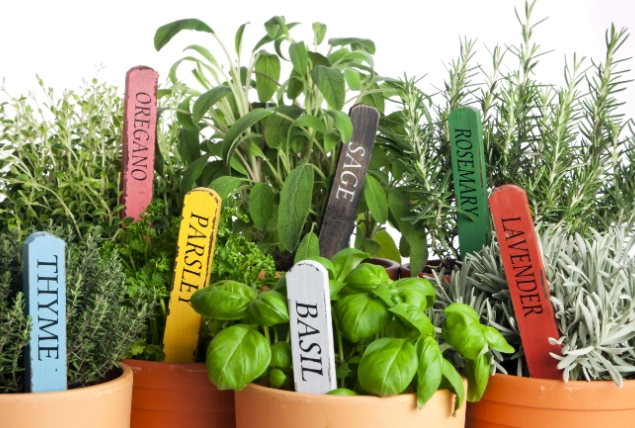
Planting and Growing: The Daily Rhythm
You've got your plants and pots. Now what? Planting is simple: gently loosen the root ball, place it in the pot so the soil level matches the plant's original level, fill in with potting mix, and water thoroughly.
The real work is in the ongoing care, which is mostly about observation.
Watering: The Finger Test
Forget a schedule. The classic advice is "water when the top inch of soil is dry." Better yet, stick your finger in up to the first knuckle. If it feels dry, water deeply until water runs out the bottom. Then, leave it alone until it feels dry again. Herbs like to cycle between moist and slightly dry. Basil wilts dramatically when thirsty but usually bounces back. Rosemary shows overwatering by developing limp, yellowing lower leaves.
Feeding: Less is More
Herbs aren't heavy feeders. In fact, over-fertilizing gives you lots of weak, leafy growth with diluted flavor. If you used a good potting mix with slow-release fertilizer, you might not need to feed at all for the first few months. If growth slows in mid-summer, a half-strength dose of a balanced liquid fertilizer (like a 5-5-5) every 4-6 weeks is plenty.
Pruning and Pinching: This is the Secret
This is the most satisfying part and the key to a bushy, productive plant. You must pinch or cut your herbs regularly. For basil, mint, and oregano, always pinch or snip just above a set of leaves. This signals the plant to grow two new branches from that point, making it fuller. Never just pluck off leaves from the top. Letting herbs flower often signals the end of leaf production, so pinch off those buds (unless you want seeds, like with cilantro).
Pests and Problems: The Usual Suspects
Aphids love tender new growth on basil and mint. A strong blast of water from a hose or spray bottle knocks most off. For persistent issues, insecticidal soap works. Whiteflies can bother indoor herbs. Yellow sticky traps help monitor and reduce them. The biggest disease is powdery mildew, a white film on leaves, often from poor air circulation and damp leaves. Water the soil, not the foliage, and ensure plants aren't crammed together.
Harvesting and Using Your Bounty
Harvest in the morning after the dew dries, when essential oil content is highest. Use sharp scissors or pruners. A general rule: never take more than one-third of the plant at once, so it can recover.
You'll have more than you can use fresh. Here’s how to save it:
Drying: Best for woody herbs like rosemary, thyme, oregano, and sage. Tie small bunches and hang them upside down in a warm, dry, dark place with good air circulation for 1-2 weeks. Once crisp, strip the leaves and store in airtight jars.
Freezing: Excellent for tender herbs like basil, chives, and cilantro. Chop them, pack into ice cube trays, cover with water or olive oil, and freeze. Pop out the cubes and store in a bag. Toss a cube directly into soups, stews, or sauces.
Herb-Infused Oils & Vinegars: A fantastic way to preserve flavor. Stuff a clean jar with sprigs of rosemary, thyme, or tarragon, cover with mild olive oil or vinegar, seal, and let it steep in a cool, dark place for 2-3 weeks, then strain. Use within a few months.
Your Herb Garden Questions Answered
Starting a herb garden isn't about perfection. It's about getting your hands dirty, learning what your plants are telling you, and enjoying the incredible difference a just-picked leaf makes. You'll kill a plant or two. Everyone does. But the ones that thrive will give you so much more than herbs—they'll give you a little daily connection to growing something real. Grab a pot, pick a herb you love to eat, and just start.