Cutworms wiped out half my broccoli seedlings last spring before I even knew what hit them. These pests are sneaky, but with the right know-how, you can stop them cold. This guide dives into everything from spotting damage to proven control tricks—no fluff, just actionable steps based on my years of gardening battles.
Here's What We'll Cover
What Are Cutworms and Why They're a Problem
Cutworms aren't one species but a bunch of moth larvae that act like garden gangsters—they chew through plant stems at ground level, often killing plants overnight. Most are nocturnal, hiding in soil during the day. The common culprits include black cutworms and variegated cutworms, which target veggies like corn, tomatoes, and lettuce.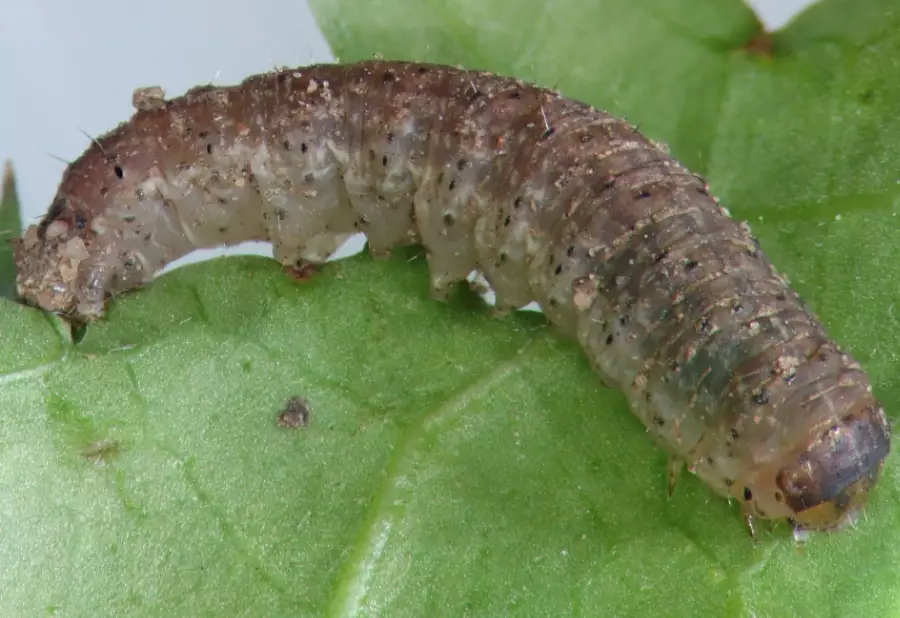
I remember talking to a local farmer who lost an entire acre of seedlings to cutworms because he missed the early signs. These pests thrive in cool, moist soil, so spring and fall are peak times. According to the University of California Statewide Integrated Pest Management Program, cutworms can cause significant economic damage in agriculture, but home gardens aren't spared either.
Their lifecycle matters: eggs hatch in soil, larvae feed for weeks, then pupate to become moths. If you don't break the cycle, you'll see repeat infestations. It's not just about killing a few worms; it's about disrupting their habitat.
How to Identify Cutworm Damage Accurately
Spotting cutworm damage early saves plants. Look for these telltale signs:
- Severed stems: Plants cut cleanly at the soil line, often seedlings. They might be lying on the ground like tiny fallen soldiers.
- Wilting plants: Larger plants may wilt suddenly if cutworms girdle stems without fully severing them. Check the base for chewing marks.
- Holes in leaves: Some cutworms climb and eat leaves, but stem damage is more common.

Nighttime Inspections: The Game-Changer
Grab a flashlight and head out after dark. Cutworms are active then, and you'll see them curled near damaged plants. I've found this works better than daytime guessing—once, I spotted five cutworms munching on my bean sprouts in one night. It's creepy but effective.
Another trick: place cardboard pieces near suspect plants. Cutworms often hide under them during the day. Lift and check in the morning. If you see fat, grayish caterpillars up to 2 inches long, you've got cutworms.
Pro tip: Don't confuse cutworm damage with slug damage. Slugs leave slime trails and eat irregular holes, while cutworms make clean cuts. Misidentifying leads to wrong treatments—I learned this the hard way when I wasted money on slug bait.
Effective Cutworm Control Methods That Work
Once you've identified cutworms, act fast. Here's a comparison of methods based on my experience and research from sources like the USDA's agricultural guidelines.
| Method | How It Works | Best For | Drawbacks |
|---|---|---|---|
| Cardboard collars | Physical barrier around stems | Seedlings, organic gardens | Labor-intensive for large areas |
| Diatomaceous earth | Dehydrates cutworms on contact | Immediate control, safe for pets | Needs reapplication after rain |
| Bacillus thuringiensis (Bt) | Bacterial toxin kills larvae | Targeted chemical-free option | Only works if ingested |
| Hand-picking | Manual removal at night | Small infestations, immediate results | Time-consuming, gross for some |
| Insecticides (e.g., carbaryl) | Chemical kill | Severe infestations | Risks to beneficial insects |
Organic Solutions I Swear By
For organic gardens, try cardboard collars. Cut toilet paper rolls or cardboard into 3-inch tall rings, push them an inch into soil around each seedling. It's cheap and effective—my tomato plants survived thanks to this. Another winner: diatomaceous earth. Sprinkle it around plants, but wear a mask; the dust can irritate lungs. Reapply every few days or after watering.
Some gardeners recommend beneficial nematodes, but I've had mixed results. They need moist soil and specific temperatures, so check your local extension service for advice. The Penn State Extension has a good guide on using nematodes for pest control.
Chemical Controls: When to Use Them
Reserve chemicals for worst-case scenarios. Products with carbaryl or permethrin can work, but they harm bees and soil health. I used one once on a severe cutworm outbreak in my corn patch, but followed up with organic methods to prevent rebound. Always read labels and apply at dusk when bees are less active.
Integrated Pest Management (IPM) is key here. Combine methods: use collars for seedlings, diatomaceous earth for barriers, and hand-picking for spot control. It's more work, but it keeps your garden balanced.
Prevention Tips to Keep Cutworms Away
Stopping cutworms before they start saves hassle. Here's what I do every season:
- Till soil in fall: Expose pupae to birds and cold weather. This reduced my cutworm problems by 70% after I started doing it.
- Delay planting: Wait until soil warms up in spring. Cutworms love cool, wet conditions, so planting later avoids peak larvae activity.
- Remove weeds and debris: Clean garden beds to eliminate hiding spots. I make it a habit to clear out old plants immediately after harvest.
- Use row covers: Lightweight fabric covers protect seedlings. They're a bit annoying to set up, but worth it for tender plants.
- Rotate crops: Don't plant the same veggies in the same spot yearly. It disrupts pest cycles. I keep a simple garden journal to track rotations.
Another often-overlooked tip: attract natural predators. Birds like robins eat cutworms, so add bird feeders or baths nearby. I've seen more birds in my garden since putting up a feeder, and they help with pest control.
Soil health matters too. Well-drained soil with good organic matter supports beneficial organisms that prey on cutworm eggs. I add compost annually, and it seems to keep pests in check.
FAQ: Your Top Cutworm Questions Answered
Cutworms are a nuisance, but they're beatable. Start with identification, use targeted controls, and focus on prevention. My garden's healthier now because I stopped reacting and started planning. Give these methods a shot, and you'll likely see fewer cutworms and happier plants.
If you're stuck, check out resources like your local cooperative extension office—they offer free advice tailored to your region. Happy gardening!