Let's be honest. The dream of a sprawling backyard garden is nice, but for most of us? It's a balcony, a patio, a sunny windowsill, or maybe just a fire escape. That's where container gardening isn't just an option—it's the smartest way to grow. I've killed my share of potted plants over the last decade, learning lessons the hard way so you don't have to. This isn't about making things picture-perfect; it's about getting your hands dirty and actually keeping things alive.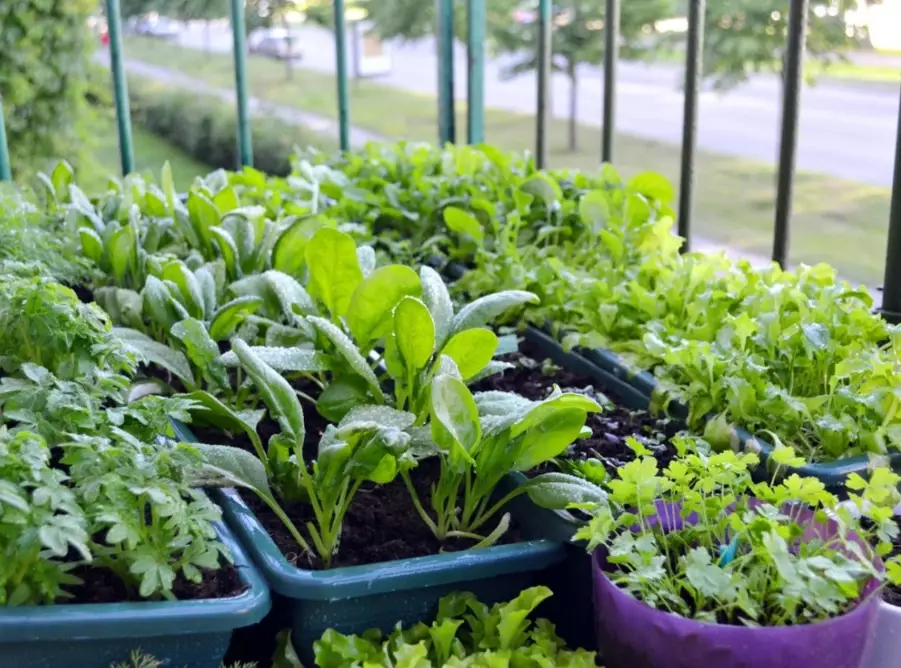
What's Inside This Guide
Picking Your Pot: It's More Than Looks
You see a cute pot, you buy it. I get it. But the container is your plant's entire world. Get this wrong, and you're fighting an uphill battle.
Size matters more than you think. A pot that's too small dries out in hours and chokes the roots. Too big, and the soil stays wet for days, leading to rot. For most herbs and annual flowers, start with something at least 10-12 inches wide and deep. For a tomato or pepper? Think 5-gallon bucket minimum. A dwarf fruit tree might need 25 gallons eventually.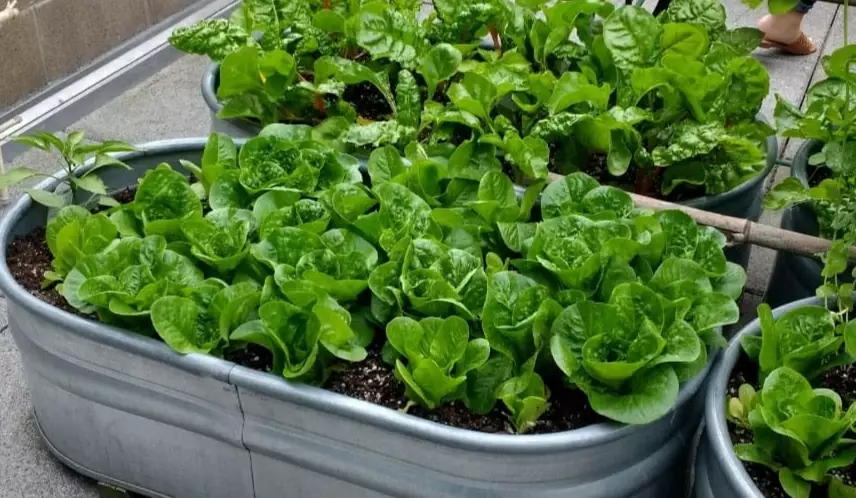
Material is a huge deal.
- Terracotta/Clay: Classic, breathable. They pull moisture from the soil, which is great for preventing overwatering but means you'll water a lot more in summer. They can crack in freeze-thaw cycles.
- Plastic/Resin: Lightweight, cheap, retains moisture. The number one choice for most beginners because it's forgiving. Just ensure it's UV-stabilized so it doesn't become brittle.
- Fabric Pots: My personal favorite for veggies. They air-prune roots naturally, preventing them from circling and becoming root-bound. They're impossible to overwater. The downside? They dry out fast and need more frequent watering.
- Glazed Ceramic/Metal: Stunning, but often lack drainage holes. Never use a pot without a hole. Ever. If you fall in love with one, use a drill.
The Soil Secret Most Beginners Miss
Here's the hill I'll die on: Never, ever use garden soil in a container. It's too dense. It compacts into a brick, water pools on top, roots suffocate, and your plant dies a slow, confusing death.
You need a potting mix, not potting soil. Look for the word "mix" on the bag. A good one is lightweight and fluffy, made of peat moss or coconut coir, pine bark, and perlite or vermiculite. It's engineered for drainage and aeration.
But even the best bagged mix is just a starting point. After a season or two, it's exhausted. The organic matter has broken down, and it collapses. That's why repotting or refreshing the top few inches of soil each spring is non-negotiable for perennials.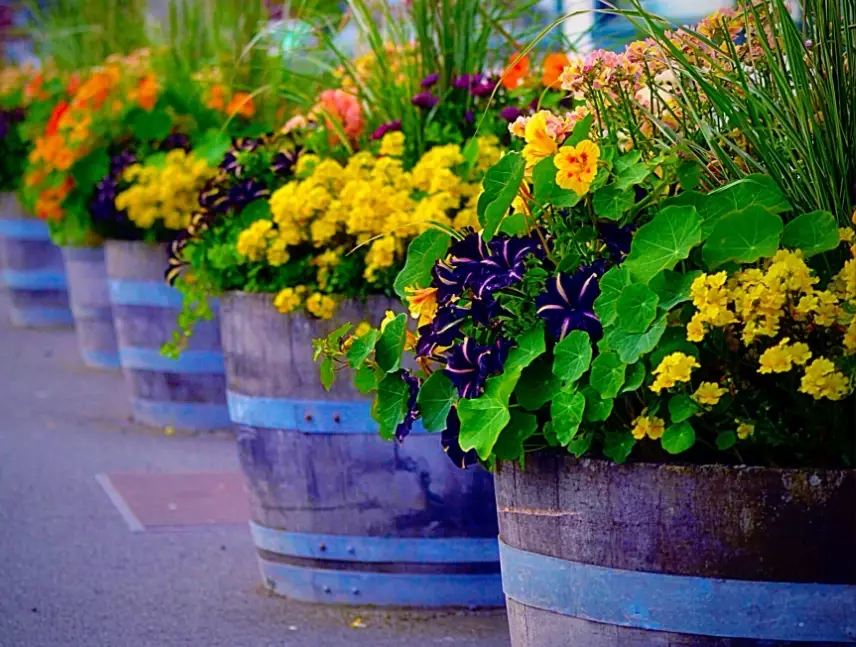
For heavy feeders like tomatoes, peppers, and cucumbers, I doctor my mix right from the start. My go-to recipe for a 5-gallon pot:
- 3 gallons high-quality potting mix
- 1 gallon well-finished compost (for nutrients and microbial life)
- 1 handful of worm castings (a gentle, complete fertilizer)
- 1/2 cup of perlite (extra for drainage, especially if the mix seems dense)
This gives you a living, breathing medium that feeds your plants gradually.
What to Grow (And What to Avoid)
The beauty of containers is that you can match the plant to the exact light your space gets. That south-facing balcony is a treasure. A north-facing one isn't a death sentence—it's just a salad and herb zone.
Let's break it down by what actually works.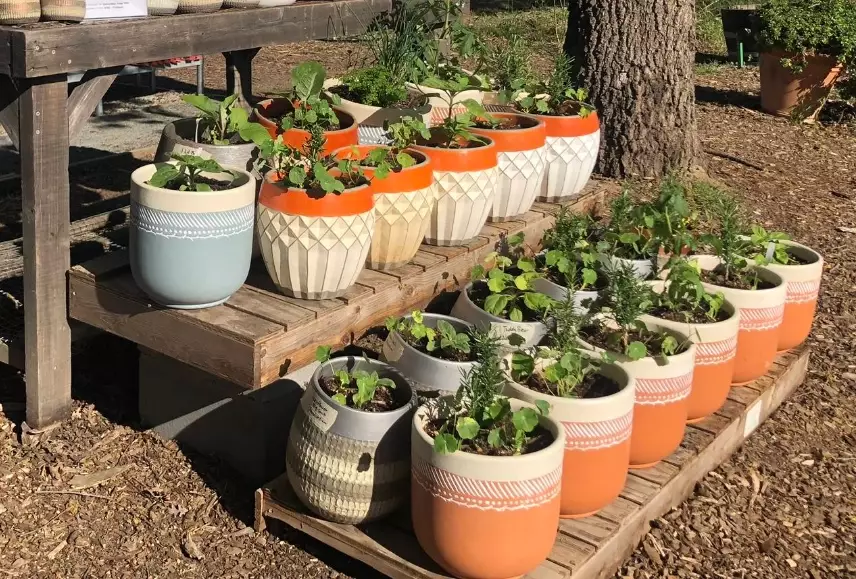
Top Tier: Almost Foolproof
These are your allies. They tolerate some neglect, produce quickly, and don't demand massive space.
- Herbs: Basil, mint (keep it in its own pot—it's invasive), thyme, oregano, chives, parsley. A sunny windowsill is enough.
- Leafy Greens: Lettuce, kale, Swiss chard, arugula. You can harvest leaves for months. They don't need deep soil.
- Compact Veggies: Bush-type cucumbers ('Bush Champion'), determinate tomatoes ('Patio Choice', 'Tumbler'), peppers (any variety, really), bush beans.
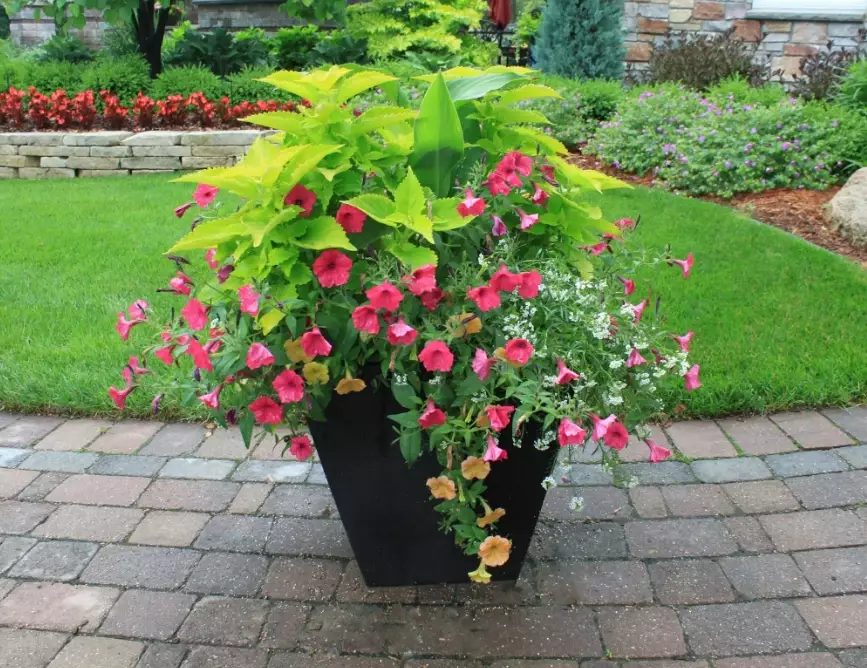
- Flowers: Petunias, marigolds, geraniums, begonias, sweet potato vine (for trailing drama).
Advanced, But Worth It
These need bigger pots, consistent care, and maybe a stake, but the payoff is huge.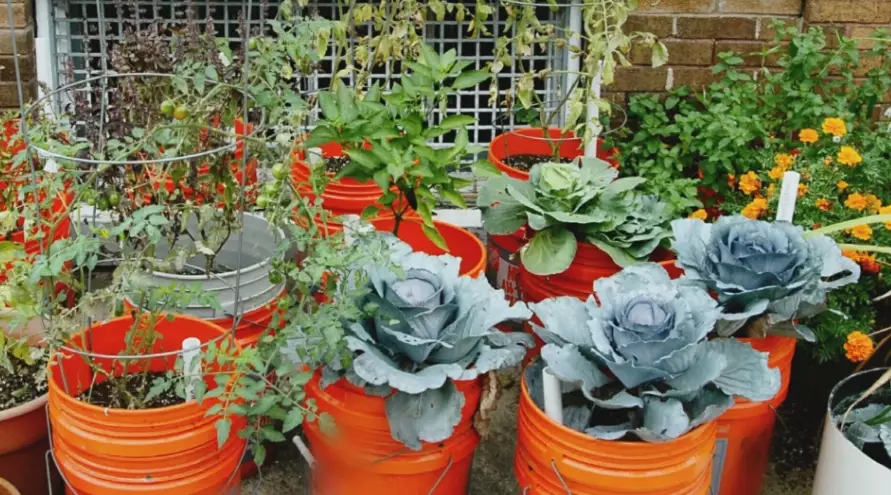
- Dwarf Fruit Trees: Look for specific varieties grafted onto dwarfing rootstock. 'Meyer' lemon, 'Calamondin' orange, 'Stella' cherry on Gisela 5 rootstock. They fruit happily in large containers.
- Eggplant, Zucchini: They're space hogs and hungry, but a single zucchini plant in a 10-gallon fabric pot will keep you in squash all summer.
- Small Root Crops: Radishes, baby carrots, 'French Breakfast' radishes. Use a deep, loose soil mix.
Generally a Bad Idea for Beginners
I'm not saying you can't, but these are frustrating without perfect conditions.
- Standard Corn, Pumpkins, Asparagus: They need too much space and soil volume.
- Large Indeterminate Tomatoes: They grow 6+ feet tall and need massive support and constant feeding. Start with a determinate (bush) type.
- Taproot Herbs like Dill and Cilantro: They bolt (go to seed) extremely fast in the heat of a container. Better to succession sow every few weeks.
| Plant | Minimum Pot Size | Best For... | Light Needs |
|---|---|---|---|
| Basil / Herbs | 8-10" pot | Kitchen snipping | Full Sun (6+ hrs) |
| Lettuce / Greens | 6-8" deep, wide planter | Salads all season | Partial Sun (3-6 hrs) |
| Cherry Tomato | 5 Gallon bucket | High yield, sweet snacks | Full Sun |
| Bell Pepper | 5 Gallon pot | Cooking, grilling | Full Sun |
| Dwarf Lemon Tree | 15-25 Gallon pot | Year-round interest, fruit | Full Sun |
The One Watering Mistake Everyone Makes
Watering on a schedule. Tuesday and Saturday, right? Wrong. The weather changes. The plant grows. A schedule is a recipe for either drought or drown.
Containers dry out from the top down and the sides in. You need to check the soil's moisture at root level. The best tool you have is your finger. Stick it into the soil up to your second knuckle. If it feels dry, water. If it feels damp, wait.
When you do water, water deeply. Pour slowly until water runs freely out of the drainage holes. This ensures the entire root ball gets wet and encourages roots to grow downward. A little sprinkle on the surface only encourages weak, shallow roots.
Morning is the best time. It gives leaves time to dry, reducing disease risk, and plants are ready to drink up for the day ahead. Watering in the evening leaves soil wet overnight, which slugs and fungi love.
How to Feed Your Contained Jungle
Potting mix has very few nutrients. Every time you water, you're leaching some of them out. Container plants are entirely dependent on you for food.
For leafy greens and herbs, a balanced, all-purpose liquid fertilizer (look for an NPK ratio like 5-5-5 or 3-3-3) every 2-3 weeks is fine.
For flowering and fruiting plants (tomatoes, peppers, cucumbers), they're hungry for phosphorus and potassium to set blooms and fruit. Switch to a "bloom" or "tomato" formula (something like 2-5-5) once flowers appear.
My preferred method is using organic, slow-release options. I mix in a granular organic fertilizer (like Espoma Garden-Tone) at planting time, and then supplement every few weeks with a liquid fish & seaweed emulsion. It smells a bit, but plants go crazy for it, and it improves soil health over time. The University of Maryland Extension recommends similar integrated approaches for sustainable container gardening.
Less is more. Over-fertilizing, especially with synthetic chemicals, can burn roots and cause rapid, weak growth. If in doubt, underfeed. You can always add more.
Pro Tips They Don't Put on the Tag
After a decade, you pick up a few things.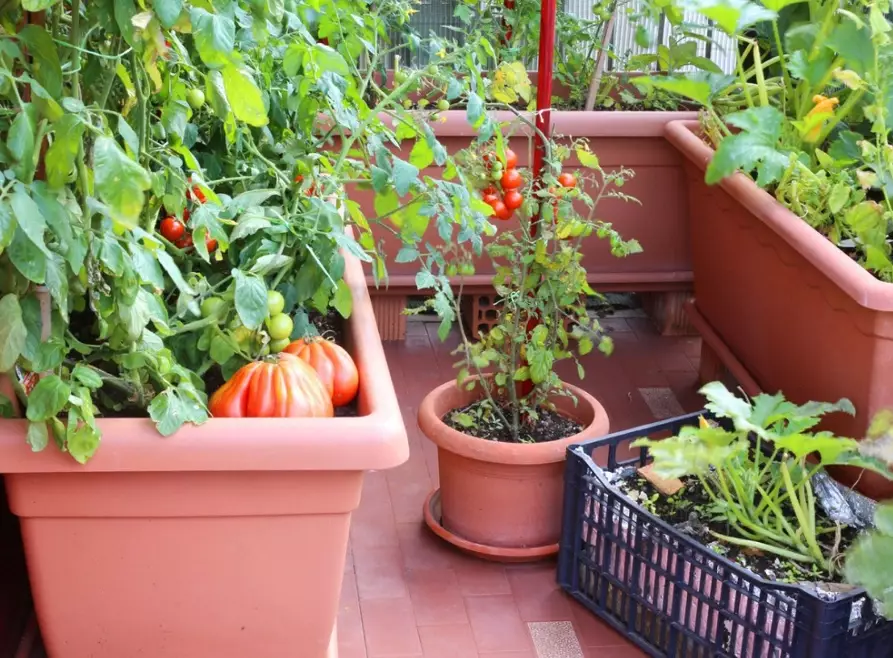
Group plants with similar needs. Don't put a thirsty basil plant with a drought-tolerant rosemary. They'll make each other miserable. Create a "thirsty pot" and a "dry pot."
Mulch your containers. A half-inch layer of shredded bark, straw, or even decorative stones on top of the soil does wonders. It reduces evaporation, keeps soil temperature more even, and prevents soil from splashing onto leaves during watering (which can spread disease).
Don't be afraid to prune. Pinch back the tips of herbs to make them bushier. Remove the lower leaves of tomatoes to improve air flow. If a plant looks leggy or sad, cutting it back often stimulates fresh, healthy growth.
Winter is the real test. In cold climates, terra cotta will crack. Move pots to a sheltered spot, group them together, and wrap them in bubble wrap or burlap. For perennial plants, sometimes it's easier to take cuttings and start fresh in spring than to try and overwinter a large, stressed plant.
Container gardening is an experiment. You'll lose a plant or two. I still do. But each one teaches you something about light, water, and what thrives in your unique little ecosystem. Start small, with a pot of herbs and a tomato. Get that right. Then expand. Before you know it, that balcony will be a jungle.