Let's be honest. Most of our homes aren't sun-drenched conservatories. We have north-facing rooms, hallways that feel like caves, and corners far from any window. The usual advice—"give it more light"—isn't an option. That's where the magic of truly low light plants comes in. But here's the thing most guides gloss over: "low light" doesn't mean "no light," and the biggest killer isn't the darkness itself—it's how we care for plants in that darkness. I've killed my share of snake plants by treating them like sun-loving succulents. Let's get this right.
What You’ll Discover in This Guide
What Does "Low Light" Actually Mean for Plants?
This is where most people go wrong. Low light isn't pitch black. Think of it as a room where you can comfortably read a book during the day without turning on a lamp, but you wouldn't get a suntan. It's indirect light, like the ambient glow several feet away from a north-facing window or the light in the middle of a room with a shaded east or west window.
A common mistake is assuming a plant labeled "low light" can survive in a windowless bathroom or a dark closet. It can't. All plants need light to photosynthesize. The key is that low light plants are incredibly efficient at using the minimal photons available.
Expert Reality Check: If a plant is stretching awkwardly toward the light source (a process called etiolation), dropping older leaves rapidly, or producing new leaves that are much smaller and paler than the old ones, it's telling you it needs more light. What you have might be "no light," not "low light."
The Best Low Light Plants That Actually Thrive (Not Just Survive)
Forget vague lists. Here are my go-to plants, based on a decade of filling dark apartments and office cubicles with life. I've ranked them not just on tolerance, but on overall personality and ease.
| Plant Name | Why It's Great | Key Care Tip (The One Most Miss) | Where to Find It & Price Range |
|---|---|---|---|
| Snake Plant (Sansevieria) | Architectural, nearly indestructible, filters air (as noted in NASA's Clean Air Study). | Ignore it. Water only when soil is bone dry, maybe once a month in winter. Overwatering is its only real enemy. | Every garden center, big box store. $10-$40. |
| ZZ Plant (Zamioculcas zamiifolia) | Glossy, waxy leaves that look fake. Stores water in potato-like rhizomes. | Dust the leaves regularly. That waxy coating traps dust, which blocks the already minimal light. | Common now at IKEA, Home Depot. $15-$60. |
| Heartleaf Philodendron | Fast-growing trailer, perfect for shelves. Very forgiving. | Pinch back the tips to encourage bushier growth, otherwise it gets leggy in low light. | Nurseries, online plant shops. $8-$25 for a starter. |
| Cast Iron Plant (Aspidistra elatior) | Lives up to its name. Victorian-era favorite for a reason. | Repot only when it's bursting its container. It actually likes being root-bound in low-light conditions. | Sometimes harder to find; try specialty nurseries. $20-$50. |
| Pothos (Epipremnum aureum) | The classic. Grows quickly, easy to propagate in water. | The variegated (white or yellow) versions will lose their pattern in deep shade. Go for solid green like 'Jade' for darkest spots. | Ubiquitous and cheap. $5-$20. |
I see people recommending Peace Lilies for low light all the time. Here's my non-consensus take: they'll survive in low light, but they'll almost never bloom there. You get a leafy plant, not the famous white flowers. If flowers are your goal, you need more light.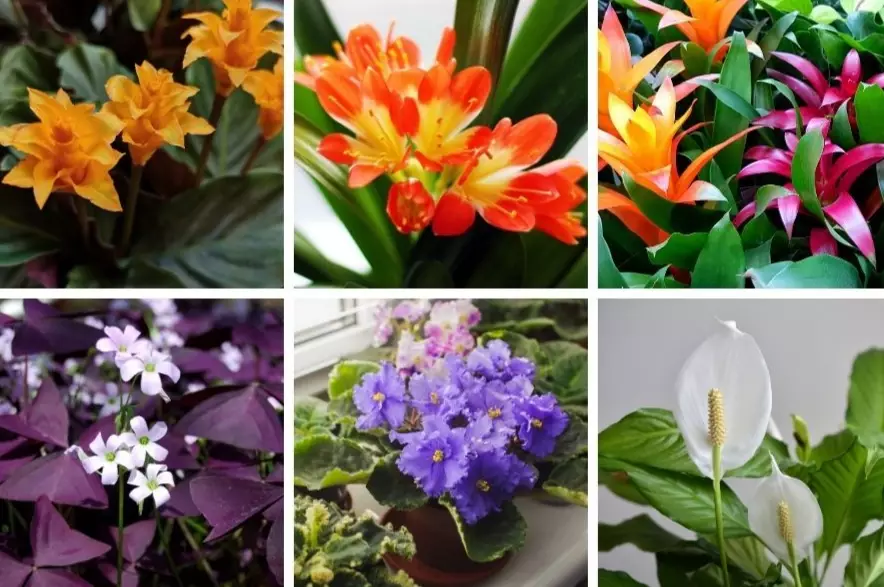
How to Care for Low Light Plants: Watering, Feeding, and Common Mistakes
Care changes dramatically when light is low. It's a different rulebook.
The Golden Rule: Water Less. Much Less.
This is the #1 cause of death. In low light, a plant's growth slows, so its water uptake plummets. Soil stays wet for ages, leading to root rot—a silent killer. Ditch the schedule.
Here's what I do: I stick my finger about two inches into the soil. If it feels at all damp or cool, I walk away. I wait until it feels genuinely dry. For my ZZ plant in a dark corner, that might mean watering every 5-6 weeks in winter.
Fertilizer: The Lightest Touch
Think of fertilizer as a vitamin, not a meal. In low light, a plant can't use much. Feeding it a full dose burns the roots and causes salt buildup.
I use a balanced liquid fertilizer (like a 10-10-10) diluted to half-strength. I apply it only once in early spring and once in mid-summer. That's it. Nothing in fall or winter.
Dusting and Rotation: Non-Negotiables
Every leaf is a solar panel. Dust blocks precious light. Every month or so, I wipe down broad leaves with a damp cloth or give smaller-leaved plants a gentle shower in the sink. While you're at it, give the pot a quarter turn. It prevents the plant from leaning grotesquely toward whatever faint light source exists.
Troubleshooting Your Low Light Plant Problems
Let's diagnose the common issues.
Yellowing leaves: Almost always overwatering. Check the soil. Stop watering until it dries out. You might need to check for root rot.
Leggy, stretched growth: The plant is desperately reaching for light. It needs a brighter spot. No low light plant truly enjoys this; they merely tolerate it.
No new growth: This is normal during winter. If it's spring/summer and there's zero growth, the light might be too low, or the plant is starving. Consider a very weak dose of fertilizer.
Pests (like fungus gnats): Often a sign of chronically wet soil. Let the soil dry out more between waterings. Sticky traps help with adults.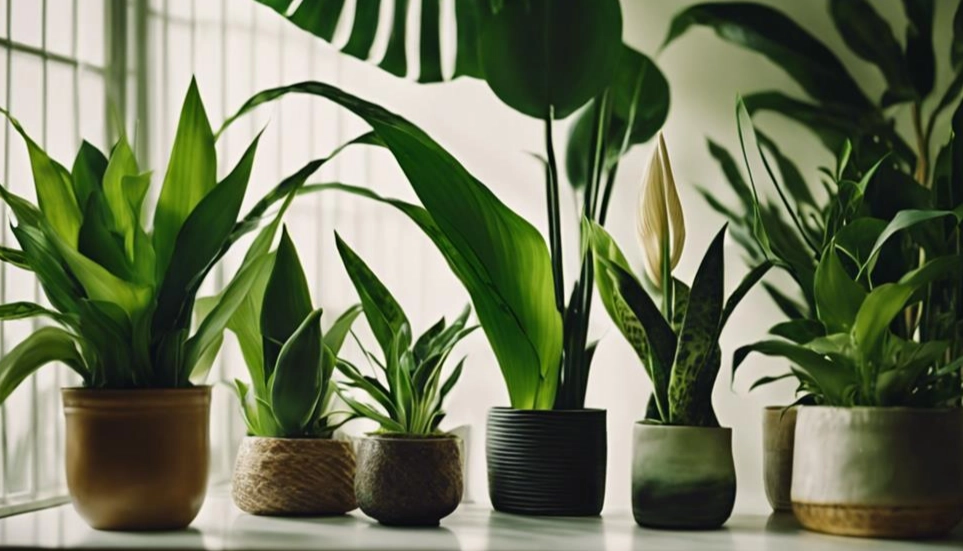
Your Low Light Plant Questions, Answered
Can I put a low light plant in a windowless bathroom?
Why is my low light plant turning yellow and dropping leaves?
What is the single most important care tip for low light plants?
Do low light plants still need fertilizer, and what kind is best?
The goal with low light plants isn't just keeping them alive—it's helping them look good and add life to your space. Start with a tough plant like a Snake or ZZ, master the art of neglectful watering, and you'll find those dim corners aren't plant graveyards after all. They're opportunities.