You bring home a beautiful new plant. Your cat sees a new salad bar. It's a classic struggle. For years, I thought keeping my plants out of reach was enough. Then I came home to find my (previously toxic) dieffenbachia on the floor, a few teeth marks in a leaf, and a perfectly fine but guilty-looking dog. That was the day I switched to a 100% pet-friendly jungle. It's not about limiting your options—it's about making smarter, safer choices that let you and your pets breathe easy.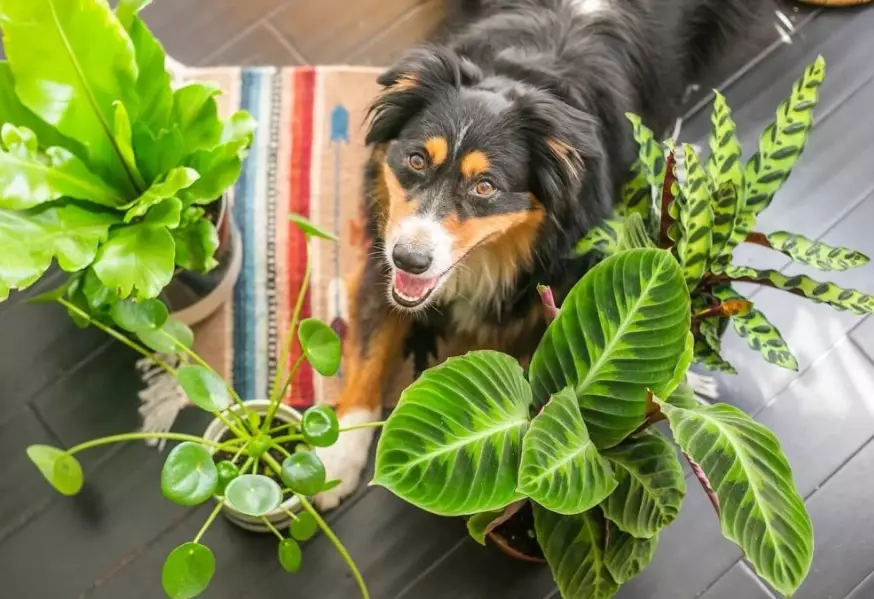
What's Inside This Guide?
What Makes a Plant 'Pet Friendly'?
Most people think "non-toxic" is the only box to tick. It's the most important one, sure. The ASPCA Animal Poison Control Center website is my go-to, final authority for checking toxicity. But a truly pet-friendly plant considers more.
It's about the plant's survival, too. Some plants, while non-toxic, are like catnip for curious chewers. Spider plants are the classic example—safe, but often shredded to ribbons. A pet-friendly plant is one that either survives the occasional nibble or isn't tempting in the first place.
Then there's the pot and the soil. A heavy ceramic pot can cause serious injury if knocked over by a racing dog. Loose, fluffy soil is an open invitation for a dog to dig. I learned this after my terrier "re-potted" a fern all over my living room rug.
Key Takeaway: A pet-friendly plant is non-toxic, reasonably durable, and placed in a secure, pet-aware setup. It's a holistic approach.
How to Choose the Right Pet Safe Plant for Your Home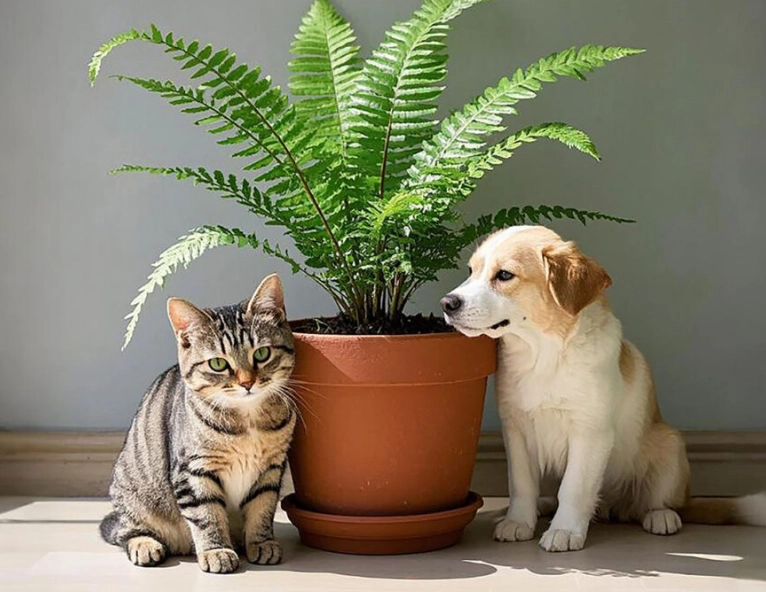
Forget just picking a pretty leaf. Match the plant to your pet's personality and your home's reality.
Got a chewer? A cat who munches on everything? Prioritize tough, fast-growing, and non-vining plants. Boston ferns, while safe, can look ratty after repeated attacks. A sturdy parlor palm or a cast iron plant might be a better fit.
Have a digger? Avoid plants in small, light pots with exposed soil. Opt for heavier planters, or cover the soil surface with a layer of large, smooth pebbles. This discourages digging instantly.
Consider the placement. High shelves only work if your pet isn't a climber. For agile cats, hanging planters from the ceiling are your best friend. For floor plants, choose ones that are either safe enough to ignore or uninteresting to your pet.
Light and care matter too. A plant that's struggling because it's in the wrong light is more likely to drop leaves or look sickly, which can sometimes pique a pet's interest. Choose plants that thrive in the light you actually have.
The Ultimate List of Pet Friendly Houseplants (And Ones to Avoid)
This isn't just a random list. These are plants I've lived with, alongside cats and dogs, for years. They're the workhorses of the pet-safe plant world.
Top Tier Pet-Safe Champions
| Plant Name | Why It's Great | Light Needs | Pet Note |
|---|---|---|---|
| Spider Plant (Chlorophytum comosum) | Super easy, grows fast, produces "babies." Great for hanging. | Bright indirect to medium | Non-toxic, but cats love the grassy leaves. Can cause mild upset if eaten in huge amounts. |
| Boston Fern (Nephrolepis exaltata) | Lush, feathery texture. Excellent natural humidifier. | Medium to bright indirect | Completely non-toxic. Fronds can be tempting to bat, but plant usually recovers well. |
| Parlor Palm (Chamaedorea elegans) | Elegant, slow-growing, tolerates lower light. Perfect floor plant. | Low to medium indirect | Perfectly safe. Dense enough to withstand minor pet traffic. |
| Peperomia (Many varieties) | Huge variety of leaf shapes and colors. Water-storing, forgiving. | Medium to bright indirect | All are non-toxic. The succulent-like leaves aren't usually appealing to pets. |
| Cast Iron Plant (Aspidistra elatior) | Indestructible. Tolerates low light, irregular water, neglect. | Low to medium indirect | As tough as its name. Non-toxic and largely ignored by pets. |
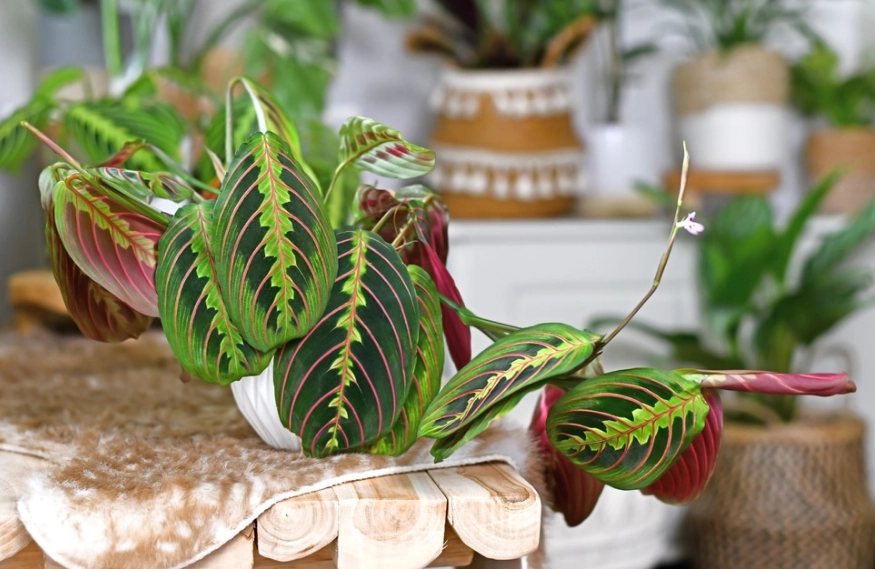
| Prayer Plant (Maranta leuconeura) | Stunning patterned leaves that move at night. | Medium indirect | Safe for pets. Prefers higher humidity, so keep in a bathroom if possible. |
Other fantastic, vetted options include African Violets, most true Palms (Areca, Ponytail), Haworthias (succulents), and Orchids (Phalaenopsis).
Common Plants That Are Red Flags
These are popular, but dangerous. If you have them, consider rehoming them to a pet-free household.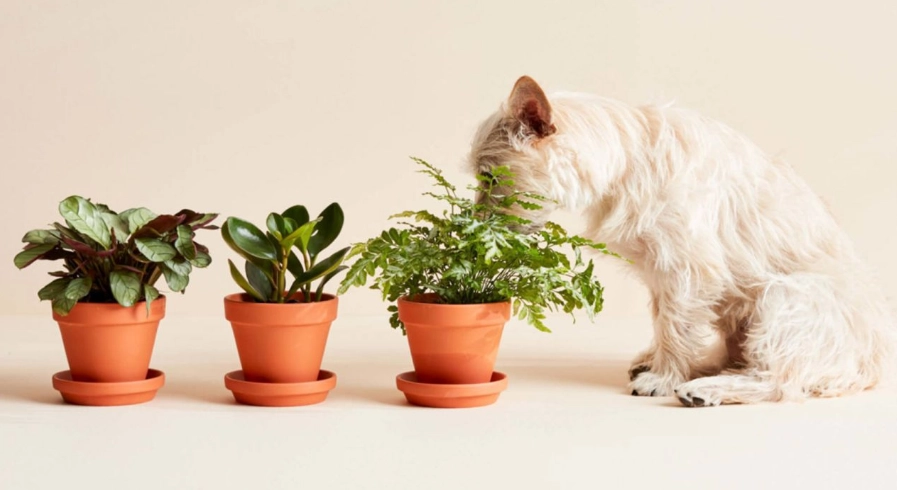
Major Toxicity Risks: Lilies (highly toxic to cats, even pollen), Sago Palm (extremely toxic to all pets, often fatal), Dieffenbachia (causes intense mouth pain and swelling), Pothos/Philodendron/Monstera (contain irritating calcium oxalate crystals), Peace Lily (same family as above, also toxic), Snake Plant (can cause nausea and vomiting).
I made the mistake of thinking a tall Snake Plant was out of reach. A falling leaf was all it took for my dog to find it. It wasn't a severe reaction, but the vomiting and lethargy were scary enough.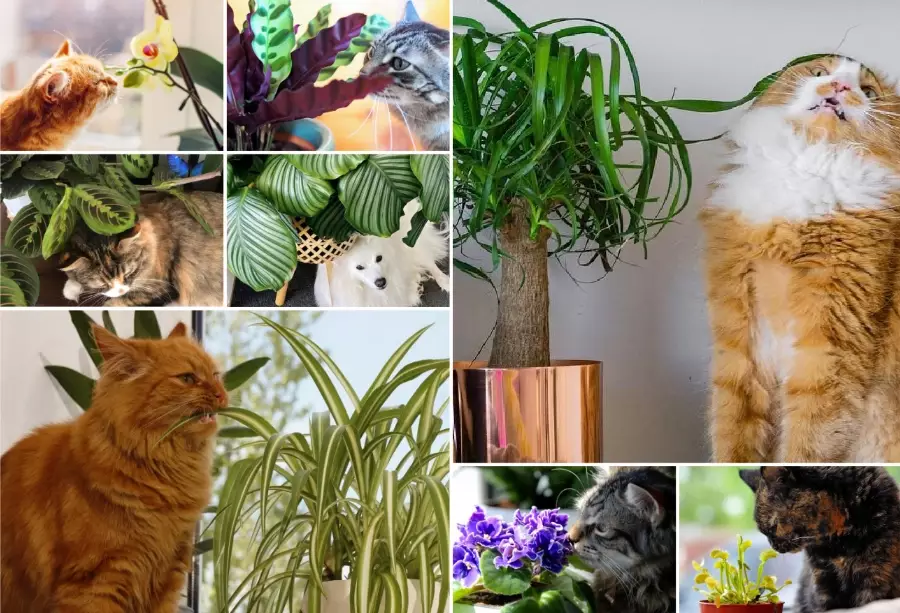
Beyond the List: Pro Tips for a Harmonious Pet-Plant Home
Lists are a start. Real-life coexistence takes strategy.
Training is possible. A firm "leave it" command for dogs is invaluable. For cats, a sharp clap or a spray of compressed air (not at the cat, near the plant) can deter interest. Consistently redirect them to their own cat grass (wheatgrass you grow for them). It gives them a legal outlet for their chewing instinct.
Make plants less appealing. Spritz leaves with a bitter apple spray (test on one leaf first). Cats hate the smell of citrus—placing citrus peels on the soil surface can help. Double-sided tape around the base of a planter is a great tactile deterrent.
Have an emergency plan. Save the number for the ASPCA Animal Poison Control Center (888-426-4435) in your phone. They charge a fee, but it's worth it. Know the name of your plant—the botanical name, not just the common name. Take a picture of the plant and the part your pet ate. Time is critical.
Finally, accept some imperfection. A nibbled leaf isn't the end of the world with a safe plant. The goal is a home that's green, vibrant, and safe—not a perfect, untouchable museum. My home is fuller and greener now with pet-safe plants than it ever was when I was constantly worrying about the toxic ones. It's a relief.