Let's be honest. When most people see a moth, their first thought isn't "What a beautiful pollinator!" It's more like, "Is it going to eat my sweater?" or "Why is it bashing against the light?" We've done moths a massive disservice, lumping the entire incredible order of Lepidoptera into two boxes: the beautiful, daytime butterflies and the dusty, annoying moths. After spending years watching insects in my own backyard and talking with entomologists, I've realized we've got it all wrong. Moths aren't just butterflies' dull cousins—they're a diverse, ecologically critical, and frankly, mesmerizing group of insects that run the night shift in our ecosystems.
The real story is about pollination, pest control (the natural kind), and biodiversity. It's about learning to see the difference between a clothes moth and a giant silk moth, which is like confusing a mouse with a wolf. This guide isn't a dry textbook list. It's about changing how you look at the flickering shadows at your window.
What's Buzzing in This Guide?
How Are Moths Different From Butterflies?
This is the first thing everyone wants to know. The classic line is "butterflies fly by day, moths by night." It's a decent starting point, but it's wrong enough to get you into trouble. I've seen plenty of moths sunning themselves at noon. The real identifiers are more subtle.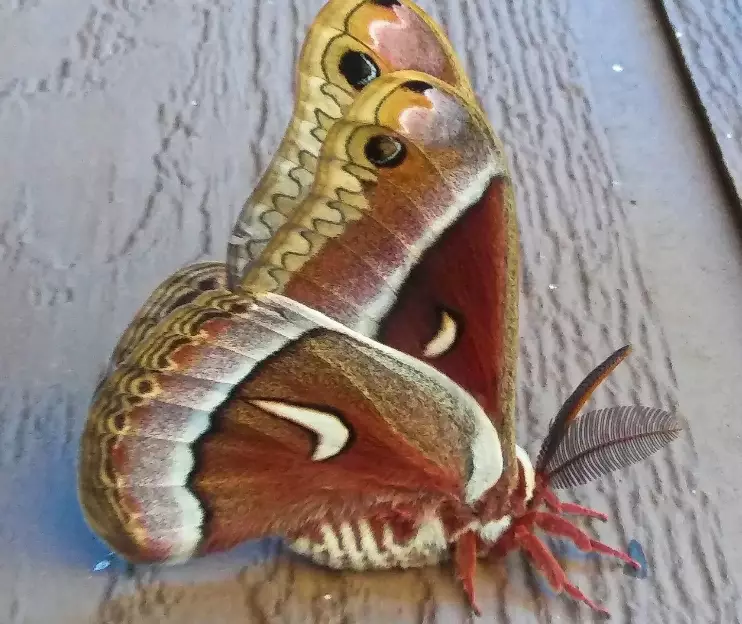
Look at the antennae. This is the most consistent rule. Butterfly antennae are thin and end in a distinct, rounded club. Moth antennae? They're often feathery (especially in males), saw-toothed, or thin and thread-like, tapering to a point. No club.
Check the resting posture. Most butterflies fold their wings up together vertically. Most moths rest with their wings spread flat, or held tent-like over their bodies. There are exceptions, like the geometrid moths that hold wings flat like butterflies, but then you check the antennae.
Body type matters. Moths tend to have stouter, furrier bodies. They need that insulation for flying in cooler night air. Butterflies are often more slender and sleek.
And that dusty look? Those are scales. Both have them. A moth's scales just come off more easily, which is why they seem "dustier" when they touch a window. It's a defense mechanism, not poor hygiene.
The Secret Life of Moths as Pollinators
Here's the part that blew my mind and changed my gardening habits. We plant milkweed for monarchs and coneflowers for bees. What do we plant for moths? Nothing. And we're missing out on a massive pollination service.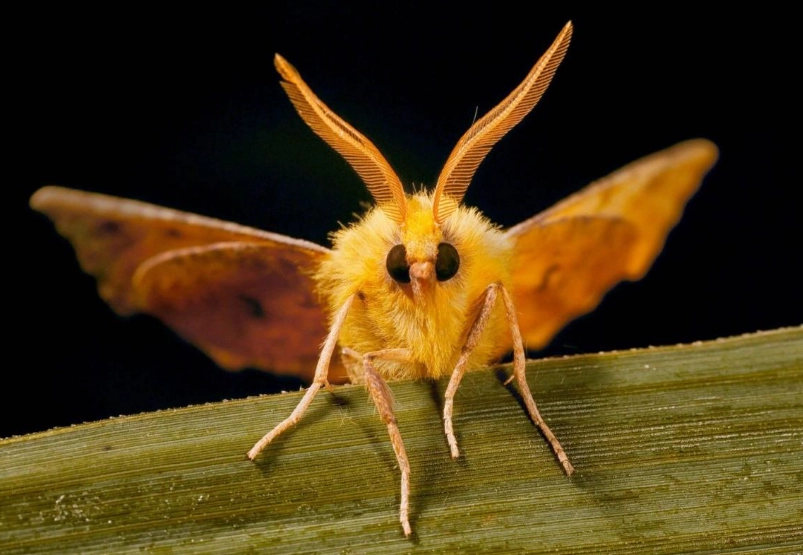
Studies, like those referenced by the Butterfly Conservation charity, show moths are vital pollinators for a huge range of plants. While bees are busy by day, moths take over at dusk. They visit night-blooming flowers like evening primrose, honeysuckle, and tobacco plants. But they also pollinate many daytime flowers that stay open at night, like gardenias and some citrus blossoms.
Their hairy bodies are perfect for picking up pollen. A hummingbird hawk-moth visiting a patch of valerian is doing the exact same job as a bee, just under moonlight. I started leaving a section of my garden a little wild, with more native, night-scented plants, and the moth activity skyrocketed. So did the seed set on my tomatoes and peppers, which can benefit from nocturnal visitors.
Spotting Common Moths: A Quick Visual Guide
You don't need to know hundreds of species. Start with these three broad categories you're likely to encounter. It helps to know who's who.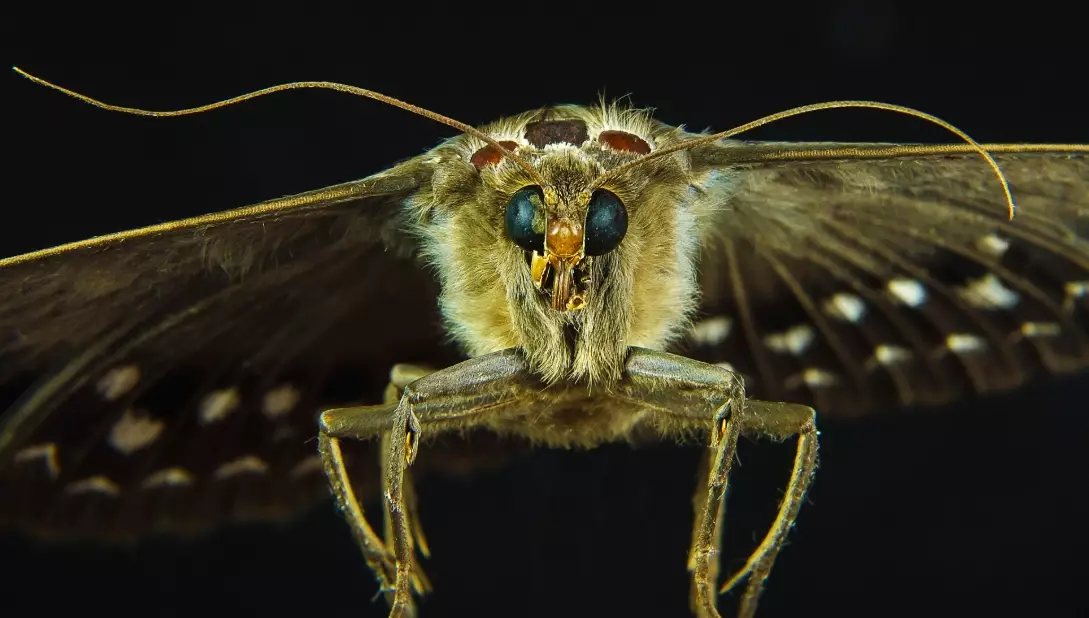
The Giant Silkworm Moths
These are the showstoppers. The Luna Moth, with its pale green wings and long tails. The Polyphemus, named after the Cyclops for its huge eyespots. The Cecropia, North America's largest native moth. They're big, beautiful, and harmless. Adults don't even have mouths; they live just a week to mate. Seeing one is pure luck. Their caterpillars are large and often found on trees like maple, birch, and cherry. If you see one, leave it be. It's not a pest.
The "Miller" Moths (Noctuids)
This is the huge family of mostly medium-sized, often dull-colored moths that flutter around your porch light. They're the workhorses of the moth world. Many are important pollinators. Some, like the armyworm moth, have caterpillars that can be agricultural pests. But most are benign. Their sheer diversity makes them fascinating—look closely, and you'll see intricate patterns even on the "brown" ones.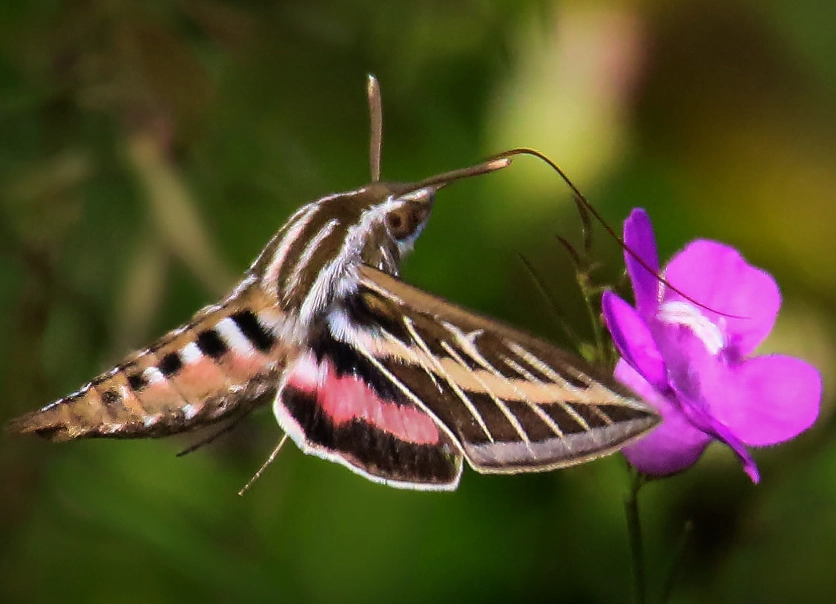
The Clothes Moths
The villains of the story, but only two common species cause real trouble: the webbing clothes moth and the case-making clothes moth. They're tiny, beige, and avoid light. You'll find them fluttering weakly in a dark closet, not at your window. The larvae eat keratin—wool, silk, fur, feathers. Prevention is key: store natural fibers clean, use sealed containers, and keep closets aired. Cedar and lavender might help a little, but they're not a cure-all. Serious infestations need professional-grade pheromone traps or treatment.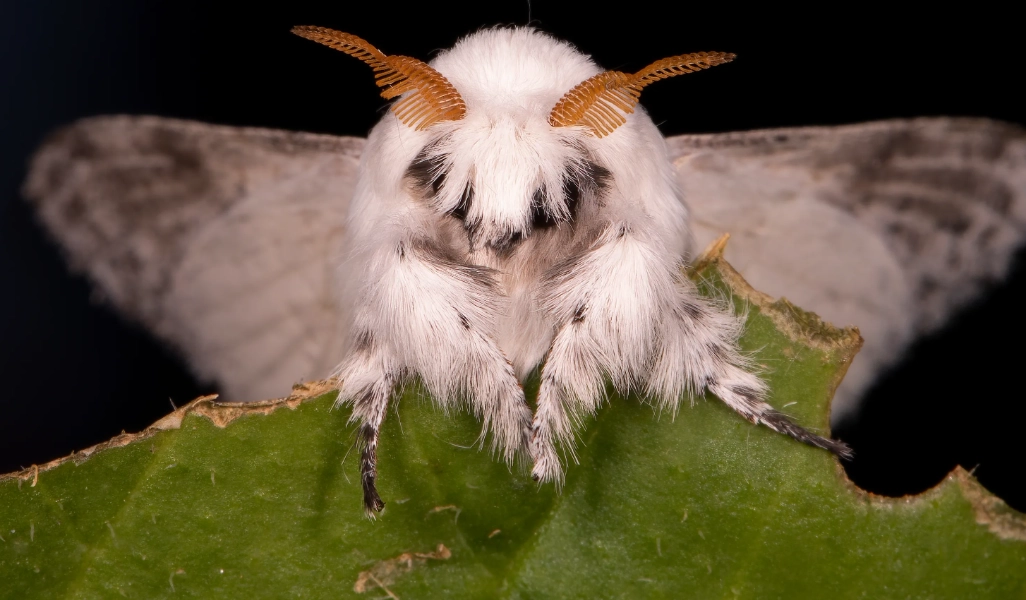
How to Attract Moths to Your Garden (Safely)
Want to see this nightlife for yourself? It's easy and rewarding. You're not attracting pests; you're building a healthier ecosystem.
Plant for the Night Shift: Go for white or pale-colored, heavily scented flowers that open in the evening. Think jasmine, moonflower, night-scented stock, nicotiana (flowering tobacco), and honeysuckle. Don't deadhead everything—let some plants go to seed for caterpillars.
Leave the Leaves (and Some Weeds): Most moth caterpillars pupate in leaf litter or soil. A perfectly manicured, mulched garden is a desert for them. Let a corner get messy. Nettles, clover, and grasses host countless caterpillar species.
Create a Moth "Bar": The old-school method of "sugaring" works wonders. Mash up overripe bananas, add brown sugar and a glug of cheap beer or rum to make a gooey paste. Paint it on a few tree trunks or fence posts at dusk. Come back in an hour with a red-light flashlight (less disturbing to them) and watch the moths come to feast. You'll see species you never knew existed.
Rethink Outdoor Lighting: That bright security light is a moth death trap. They circle it until exhausted. Switch to motion-sensor lights, use yellow "bug" bulbs, or shield lights to point downward. Better yet, turn off unnecessary lights. The International Dark-Sky Association has great resources on this.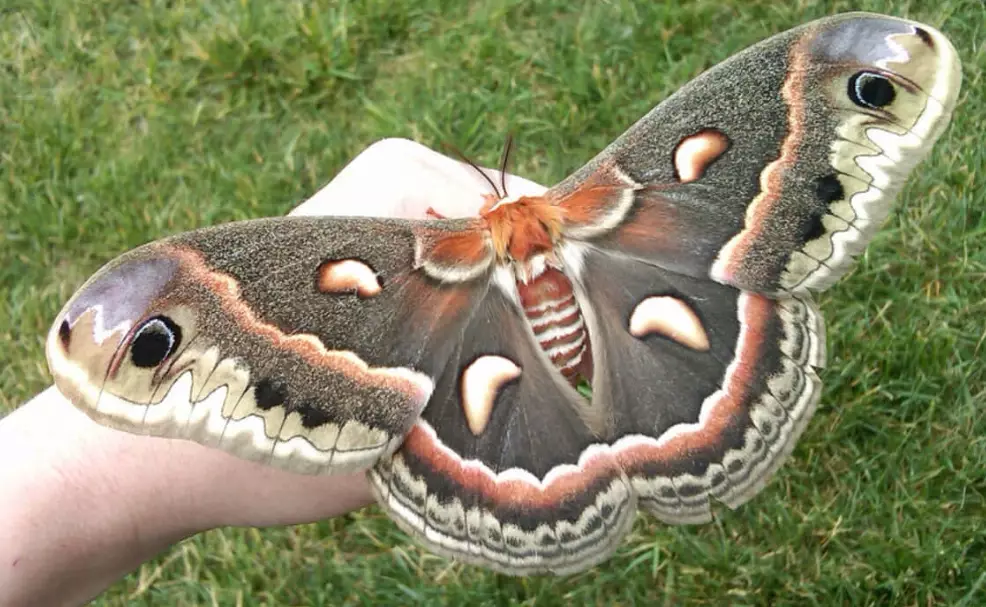
Busting Major Moth Myths
Let's clear the air on a few things that drive me nuts.
Myth: All moths eat clothes. Nope. Of the roughly 160,000 moth species globally, maybe a handful do. The vast majority have caterpillars that eat leaves, roots, or even other insects. The giant silk moths? Their caterpillars are tree specialists.
Myth: They're trying to attack you. Moths are not aggressive. They don't bite or sting (with very rare exceptions like some Asian species). They might fly towards you because you're near a light, or your dark clothing looks like a good resting spot. That's it.
Myth: They're just failed butterflies. This is an evolutionary arrogance. Moths came first, by millions of years. Butterflies are essentially a branch of day-flying moths. Moths are the original, diverse, and highly successful model.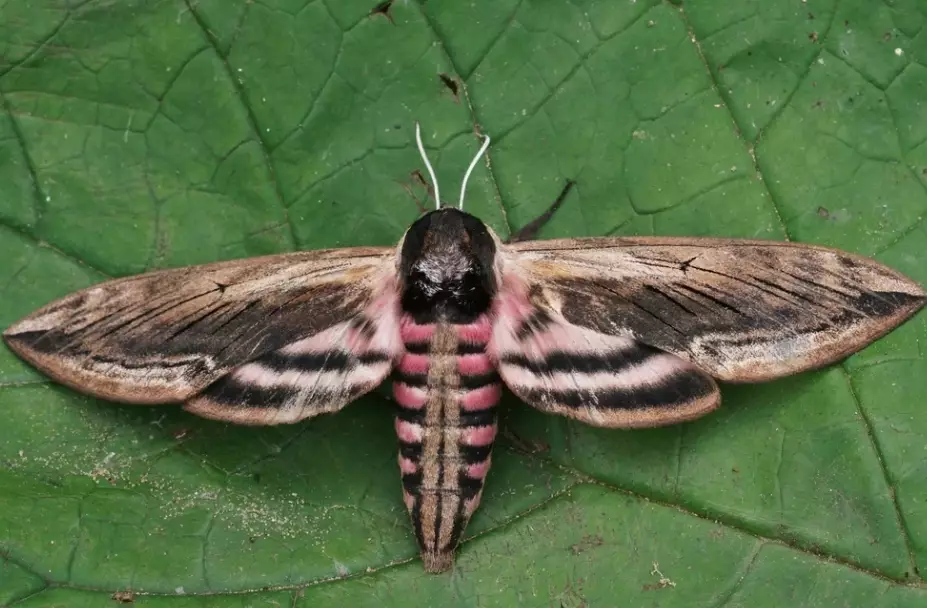
Your Moth Questions, Answered
The next time you see a shape fluttering at the window, don't just swat it away. Take a closer look. Check the antennae. Notice the patterns. That moth might have just pollinated your garden, or it might be a rare visitor just passing through. They're not an afterthought in nature's design—they're a fundamental part of it, working the shift we rarely see. Giving them a little space, even just a patch of unmowed grass and some night-blooming flowers, does more for local biodiversity than you might think. Start with the sugaring trick. I promise, the first time you see a colorful underwing moth unfurl its hidden hindwings at your fruit paste, you'll be hooked.