You're pruning your oak tree and spot a cluster of round, woody growths on a branch. Or maybe your rose bush has strange, reddish swellings on the stems. Your first thought might be disease, but chances are, you're looking at the handiwork of a gall wasp. These minuscule insects, often overlooked, are master manipulators of plant tissue, creating structures called galls that serve as nurseries for their young. I've spent years studying insects in backyard gardens, and let me tell you, gall wasps are one of the most misunderstood critters out there. Most people panic and reach for pesticides, but that's usually a mistake. This guide will walk you through everything from spotting gall wasps to deciding if you should even bother controlling them.
What's Inside This Guide
What is a Gall Wasp? – Beyond the Basic Definition
Gall wasps are tiny wasps, usually 1 to 8 millimeters long, belonging to the family Cynipidae. They're not the stinging kind you run from at picnics; most are harmless to humans. Their claim to fame is inducing galls—abnormal growths on plants where the female lays her eggs. The plant, tricked by chemicals from the wasp, forms a protective structure around the developing larva. It's a parasitic relationship, but a highly specialized one.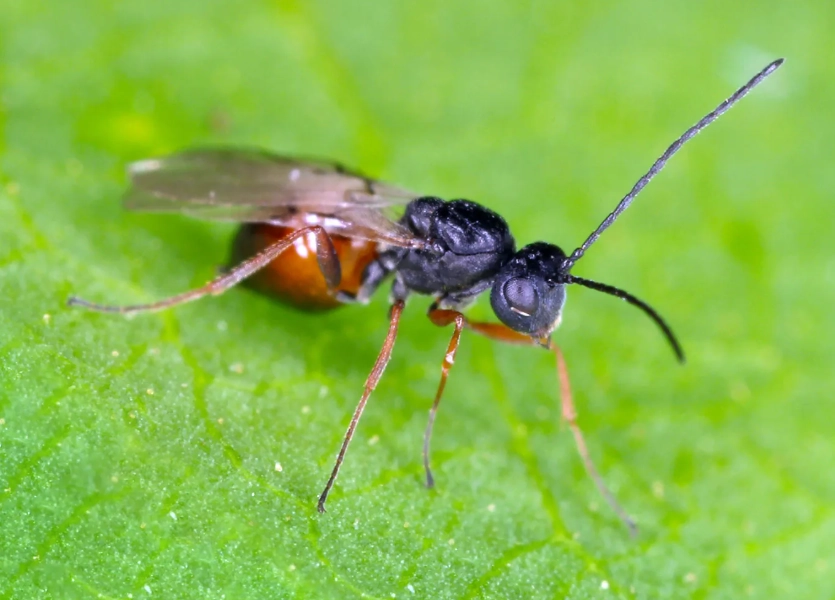
I remember the first time I saw a gall wasp under a microscope. It was on a hickory leaf, and the gall looked like a tiny apple. The wasp itself was almost invisible, a speck of black. That's the thing: these insects are so small, you'll rarely see the adult. You see their work.
The Life Cycle: A Year in the Life of a Gall Wasp
Here's where it gets fascinating. Many gall wasps have complex life cycles involving alternating generations. One generation might produce galls on leaves, the next on roots or stems, and they can look completely different. For example, the common oak gall wasp (Callirhytis cornigera) has one generation that makes horned galls on stems in spring, and another that creates leaf galls in summer. This isn't just trivia; it means you might be dealing with the same species in two different forms on the same tree.
Their life cycle typically goes: adult wasp emerges from gall → female lays eggs in specific plant tissue → larva hatches and feeds, secreting chemicals that stimulate gall formation → larva pupates inside the gall → new adult chews its way out. The timing varies by species and climate. In temperate regions, most activity peaks in late spring to early summer.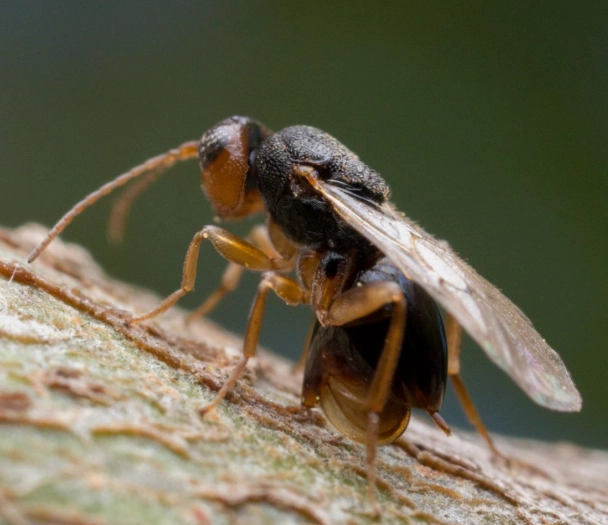
How to Identify Gall Wasp Infestations on Your Plants
Identification starts with the gall itself. Look for these telltale signs on common host plants. The shape, color, and location are key clues.
| Plant Type | Common Gall Wasp Species | Gall Appearance | Typical Location |
|---|---|---|---|
| Oak Trees | Andricus species | Round, woody "oak apples" or spiky galls | Leaves, twigs, acorns |
| Rose Bushes | Diplolepis rosae (Mossy Rose Gall) | Fuzzy, moss-like red or green balls | Stems, leaf bases |
| Maple Trees | Heteroecious species | Small, blister-like pouches | Leaf surfaces |
| Willows | Pontania species | Bean-shaped swellings | Leaves |
Oak trees are the gall wasp hotspots. In North America alone, over 800 species of gall wasps target oaks. If you have an oak in your yard, you've probably got galls. I've seen gardens where people freak out over oak apple galls, thinking their tree is dying. But here's the kicker: most healthy oaks can tolerate a significant gall load without any real harm. The tree compartmentalizes the damage.
For roses, the mossy rose gall is unmistakable. It looks like a weird, colorful tumbleweed stuck to the cane. New gardeners often mistake it for a fungus and spray fungicide, which does nothing. The wasp is long gone by the time you see the gall.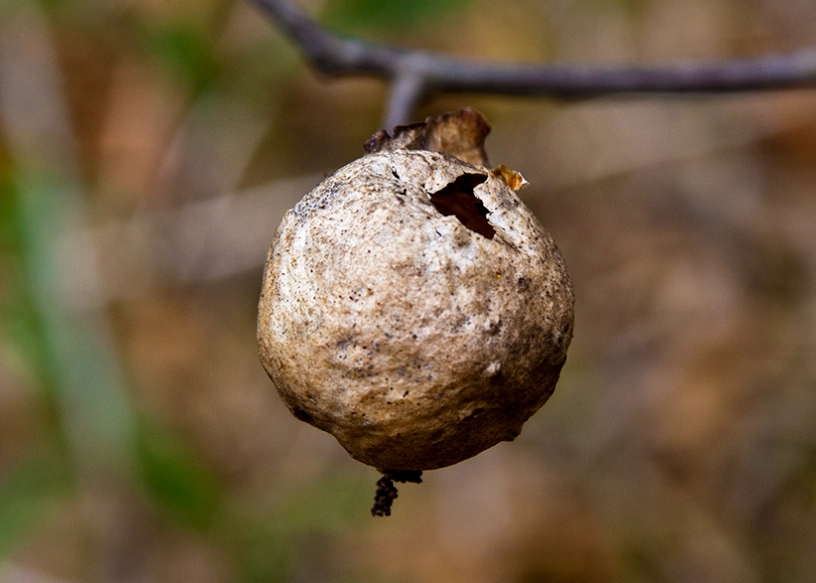
Plants That Rarely Get Bothersome Galls
Not all plants are equally susceptible. While oaks and roses are prime targets, fruit trees like apples or cherries rarely host gall wasps that cause economic damage. Ornamentals like azaleas or boxwoods are also low-risk. Focus your attention on the usual suspects in the table above.
One mistake I see: people blaming gall wasps for every lump on their plants. Sometimes it's just a normal bud or a scar. If the gall is hard, closed, and has a small exit hole (like a pinprick), it's likely an old wasp gall. Fresh ones are often softer and lack holes.
The Ecological Role of Gall Wasps: Pest or Beneficial?
This is the heart of the debate. Are gall wasps pests? The short answer: usually not. They're a natural part of the ecosystem. Galls provide food and habitat for other organisms—birds peck them open, parasitoid wasps lay eggs inside, and beetles move in. Removing them can disrupt this mini-food web.
I was chatting with a local entomologist from a university extension service (like many land-grant universities provide), and she pointed out that gall wasps are indicators of biodiversity. A diverse garden will have some galls. Trying to eradicate them is like trying to remove all ants—it's futile and often harmful.
But there are exceptions. In commercial nurseries or for young, stressed trees, heavy infestations can weaken plants. The galls divert nutrients and can cause branch dieback if they girdle stems. For the average homeowner, though, the damage is mostly cosmetic.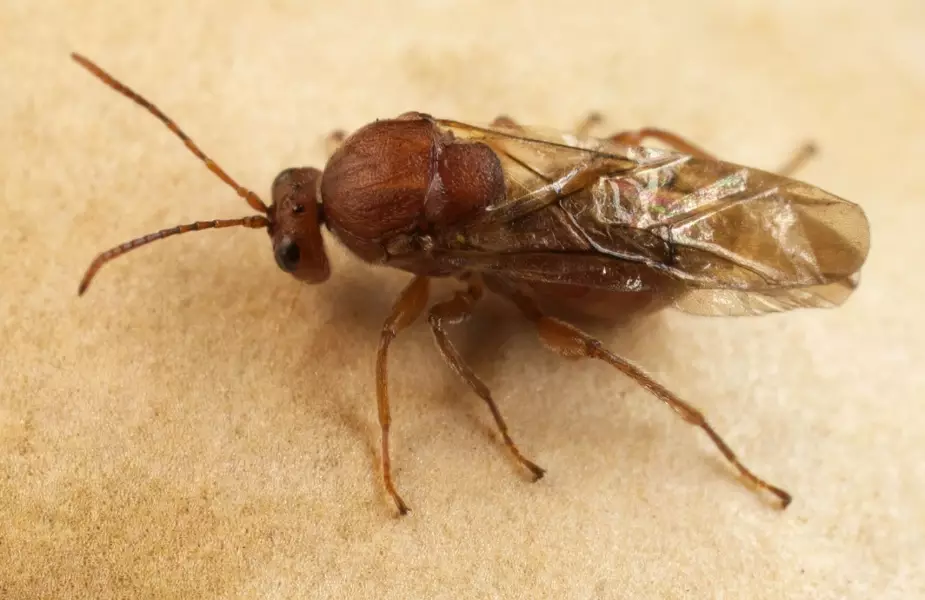
When Gall Wasps Become a Real Problem
Let's be practical. If you have a prized, young oak sapling covered in galls, or a rose bush that's struggling, then action might be needed. The key is to assess the plant's health. Is it growing poorly? Are leaves yellowing? If not, the galls are probably just an eyesore.
I recall a case where a friend's newly planted willow was covered in leaf galls. She panicked and sprayed insecticide. The galls persisted (because the wasps were protected inside), and the spray harmed pollinators visiting nearby flowers. A better approach would have been to improve the tree's watering and mulch to boost its vigor, letting it outgrow the issue.
Practical Guide: Managing Gall Wasps in Your Garden
If you decide to manage gall wasps, forget about quick fixes. Integrated Pest Management (IPM) is the way to go. This means combining cultural, mechanical, and as a last resort, chemical methods. The goal is to reduce impacts, not eliminate the wasps.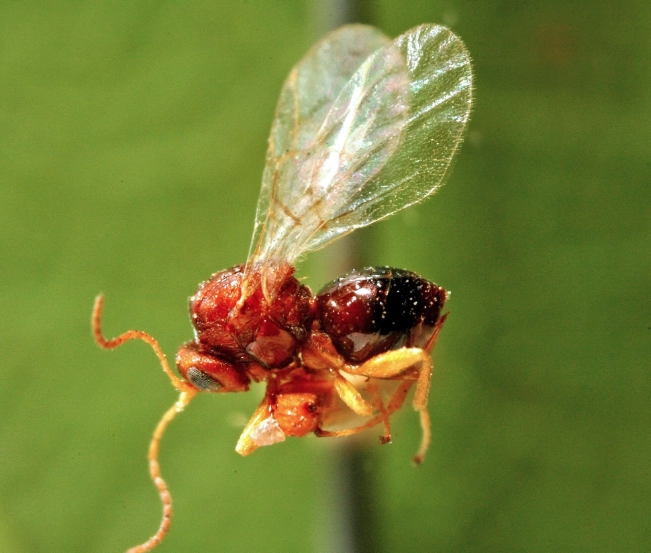
Step 1: Cultural Controls. Keep your plants healthy. Stress from drought, poor soil, or overcrowding makes plants more susceptible. Water deeply during dry spells, add organic mulch, and avoid over-fertilizing (excess nitrogen can spur tender growth that attracts pests). For oaks, ensure they're planted in well-drained soil—they hate wet feet.
Step 2: Mechanical Controls. Prune out galls when you see them. Do this in late fall or winter when the wasps are dormant inside. Seal the pruned material in a bag and trash it—don't compost, as the galls might still harbor live insects. On roses, you can simply pick off mossy rose galls by hand. It's tedious, but effective for small infestations.
Step 3: Chemical Controls. I rarely recommend this. Insecticides have limited effect because the larvae are protected inside the gall. Systemic insecticides (like those containing imidacloprid) can work if applied as a soil drench before gall formation, but timing is tricky and they can harm bees. Reserve this for severe cases on high-value plants, and consider consulting a professional arborist.
A common blunder: spraying contact insecticides on visible galls. It's like shooting a bulletproof vest—the wasps inside won't be touched, but you'll kill beneficial insects on the plant surface.
Why Natural Methods Often Win
Encourage natural predators. Birds, especially woodpeckers and chickadees, feast on gall wasp larvae. Plant native shrubs to attract birds. Parasitoid wasps (tiny wasps that parasitize gall wasps) are also allies; you can attract them by having diverse flowering plants. Avoid broad-spectrum pesticides that wipe out these helpers.
I've seen gardens where a few galls on oaks actually increased bird activity, which then helped control other pests like caterpillars. It's a trade-off.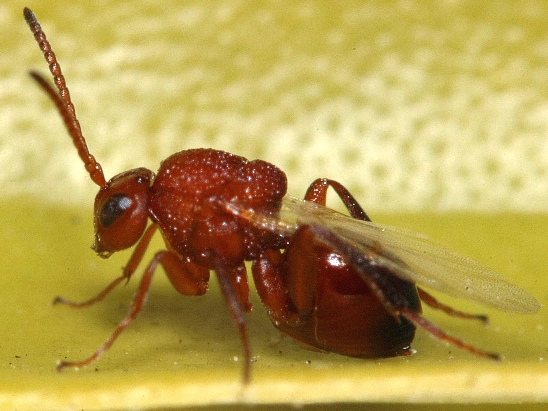
FAQs About Gall Wasps: Expert Answers to Your Burning Questions
Gall wasps are more than just oddities; they're a window into plant-insect interactions. Next time you spot a gall, take a closer look. You might appreciate the complexity of that tiny bump. For further reading, check out resources from authoritative bodies like the Entomological Society of America or your local university extension service—they often have free guides on insect management. Remember, a few galls usually mean your garden is alive and functioning as it should.