I almost squashed it. There it was, crawling on the underside of a kale leaf in my vegetable patch—a weird, spiky, tan-colored thing that looked like it belonged in a sci-fi movie. My first instinct was to flick it off. But something made me pause. A week later, that same leaf, which had been dotted with dozens of fat green aphids, was clean. The weird creature was gone, but its work was done. That was my first, clumsy introduction to the aphid lion.
If you're battling sap-sucking pests and are tired of reaching for sprays, you need to know about this insect. The term "aphid lion" isn't a formal scientific name. It's the perfect common name for the larval stage of insects in the Neuroptera order, most notably the green lacewing (Chrysoperla carnea and related species). It's a name that tells you exactly what it does: it hunts aphids with the ferocity of a lion.
What You'll Find in This Guide
What Exactly Is an Aphid Lion?
Let's clear up the biggest point of confusion right away. An aphid lion is not an adult insect. It's a baby. Specifically, it's the immature, larval form of a lacewing. The beautiful, delicate adult lacewing with its translucent, veined wings is just the reproductive phase. The aphid lion is the "workhorse" phase, the one that does the heavy lifting of pest control.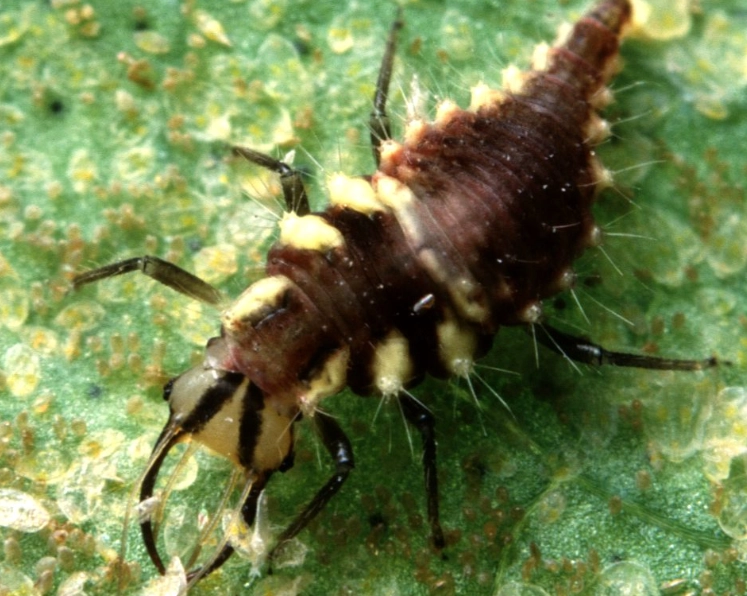
They're widespread. You can find them in gardens, agricultural fields, and natural habitats across North America, Europe, and many other parts of the world. Their presence is a fantastic indicator of a healthy, balanced ecosystem. If you see them, pat yourself on the back—you're doing something right.
Quick ID Tip: If you see a small (6-8 mm), elongated, tan, gray, or brown larva with a tapered body, large sickle-shaped jaws, and maybe some debris stuck to its back, you're almost certainly looking at an aphid lion. It moves with a deliberate, almost jerky walk. If it rears up when you disturb it, those jaws are a dead giveaway.
Anatomy of a Hunting Machine
Everything about the aphid lion is built for one thing: predation.
Those oversized, hollow, sickle-shaped mandibles aren't just for show. They function like hypodermic needles. The aphid lion grabs its prey—an aphid, a mite, a thrips, a small caterpillar—and injects digestive enzymes. This process turns the prey's insides into a liquid soup, which the aphid lion then sucks back up through those same hollow jaws. It's efficient and brutal.
They have terrible eyesight. They navigate the world primarily through touch and chemical cues. They can sense the honeydew (the sugary waste) excreted by aphid colonies from a short distance, which acts like a dinner bell.
And that debris on their backs? It's not dirt. It's camouflage. They actively pile the empty exoskeletons of their victims, bits of lichen, or plant material onto specialized bristles on their back. This makes them look like a moving piece of trash, hiding them from their own predators like birds and larger insects. It's a genius survival strategy.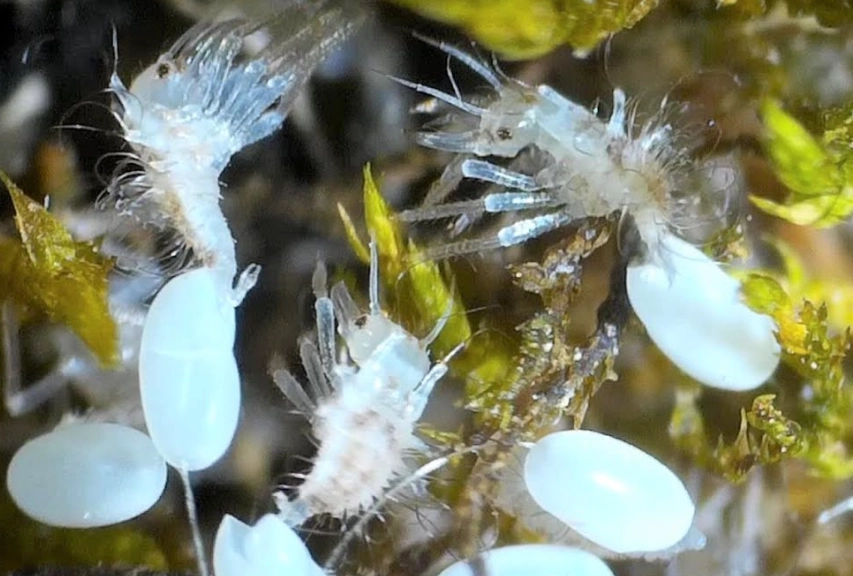
The Full Lifecycle Story
Understanding the whole life cycle is crucial if you want to support them year-round. It's not just about the hungry larva.
The Egg Stage: A Stalk of Safety
Adult lacewings lay their eggs in a way that prevents the first-hatched aphid lion from immediately eating its unhatched siblings. Each tiny, pale green egg is laid at the tip of a long, hair-like stalk, usually on the underside of leaves near aphid colonies. These stalks are a fascinating adaptation. Research from institutions like the University of California's Statewide Integrated Pest Management Program notes this strategy reduces cannibalism and places the hatchling right in the middle of its future food source.
The Larval Stage: Two to Three Weeks of Gluttony
This is the aphid lion stage, lasting 2-3 weeks. A single larva can consume up to 200 aphids (or several hundred pest eggs) per week. They go through three growth stages (instars), getting larger and more ravenous each time.
The Pupa and Adult Stage: The Reset
When fully grown, the larva spins a silken, spherical cocoon, often in a hidden spot like a curled leaf or a crevice in bark. Inside, it transforms into the adult lacewing. The adult emerges to feed on pollen, nectar, and honeydew. While some adult lacewings are also minor predators, their main job is to mate and lay eggs, starting the cycle anew. In temperate climates, they often overwinter as adults in sheltered spots.
Why Aphid Lions Outperform Other Garden Predators
Ladybugs get all the press. But in my experience, and in the observations of many integrated pest management (IPM) specialists, aphid lions are often more effective in the long run. Here’s a breakdown.
| Beneficial Insect | Key Strength | Potential Limitation | Aphid Lion Advantage |
|---|---|---|---|
| Ladybug (Adult & Larva) | High consumption rate, mobile. | Adults often fly away after release; larvae are vulnerable to ants. | Larvae are less likely to disperse quickly; their camouflage offers better protection from ants and birds. |
| Praying Mantis | Large, eats big pests. | Generalist predator; will eat beneficial insects too. Slow to establish. | Specializes in soft-bodied pests like aphids, thrips, mites. Doesn't harm other beneficials. |
| Hoverfly Larvae | Excellent aphid control. | Larvae are maggot-like and less mobile, often missing pests on upper leaves. | More mobile and aggressive. Will hunt pests on stems, undersides, and tops of leaves. |
The biggest win? Aphid lions are obligate predators in their larval stage. They must eat other insects to survive. They can't switch to plant pollen if pests get scarce. This makes them relentless hunters as long as prey is available.
How to Attract and Protect Aphid Lions in Your Garden
You don't usually need to buy them. You need to roll out the welcome mat for the native ones already in your area.
Plant a Year-Round Buffet for Adults
Remember, adults need pollen and nectar to reproduce. Plant a succession of flowers that bloom from spring to fall. They are particularly attracted to small, flat-topped flowers that offer easy access.
- Spring: Alyssum, dill, cilantro (let it flower), yarrow.
- Summer: Cosmos, sunflowers, dill (continued), angelica.
- Fall: Goldenrod, asters, fennel.
This is the single most effective thing you can do. It turns your garden from a hotel into a permanent residence.
Provide Overwintering Habitat
Leave some garden "mess." A pile of leaves, some standing dead stems, a wood pile, or an undisturbed corner with perennial plants gives adult lacewings a place to hide during the winter. I leave a section of my garden completely untouched from late fall until spring, and I always find lacewings there in early April.
Manage Ants
This is the subtle mistake most gardeners miss. Ants "farm" aphids for their honeydew and will aggressively defend them. They will attack and kill aphid lions (and ladybug larvae). If you see lots of ants running up and down your plants, you're likely creating a safe space for aphids and a warzone for their predators. Use sticky barriers like Tanglefoot on tree trunks, or disrupt ant trails with diatomaceous earth.
Stop Using Broad-Spectrum Insecticides
This should be obvious, but it's worth screaming from the rooftops. Insecticidal soaps and horticultural oils can harm aphid lions if sprayed directly on them. Pyrethroids, neonicotinoids, and other broad-spectrum chemicals will wipe them out completely. If you must spray, spot-treat only, and do it in the early evening when adult lacewings (which are more mobile) are less active.
Common Mistakes Gardeners Make (And How to Avoid Them)
I've made most of these myself, so learn from my errors.
Mistake 1: Buying and releasing lacewing eggs/larvae without a food source. You order a tube of 1,000 lacewing eggs, sprinkle them on aphid-free plants, and wonder where they all went. They starved or left. Only introduce them if you have a confirmed, active pest infestation. The pest population should be the "bait" that keeps them there.
Mistake 2: Being too tidy. A perfectly manicured, mulched garden with no weeds or debris is a desert for beneficial insects. Embrace a little controlled chaos.
Mistake 3: Misidentifying them as pests. Their odd appearance scares people. I get emails with pictures asking, "What's this horrible bug?" Take a closer look at those jaws. If they're curved and prominent, you've got a friend. Don't squash it.
Mistake 4: Giving up too soon. Establishing a resident population takes a season or two. You're building an ecosystem, not applying a quick fix. Be patient. Focus on the habitat (the flowers, the overwintering sites) and the predators will come.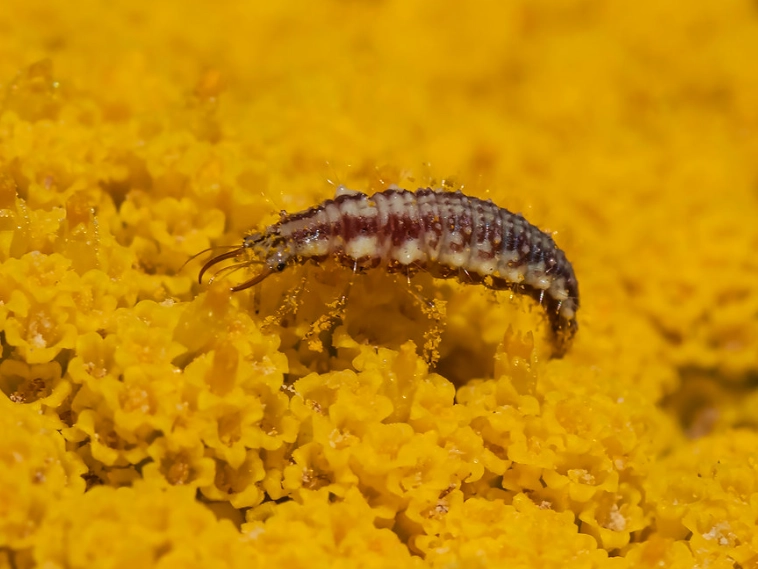
Your Aphid Lion Questions, Answered
Next time you're in the garden, slow down. Take a close look at the undersides of leaves, especially where you see aphids. You might just spot one of these miniature, spiky guardians hard at work. Once you know what to look for, you'll start seeing them everywhere. And when you do, you'll know your garden is in good hands—or rather, good jaws.