Let's talk about pollen. Not the sticky, colorful stuff bees roll into balls, but the fine, often irritating dust that coats your car in spring or makes you sneeze. That's the signature of wind pollination, or anemophily. It's the original, no-frills delivery system plants evolved long before bees ever buzzed. I remember standing in a pine forest one dry May morning, watching a visible yellow cloud drift from the trees—that's wind pollination in action, a massive, silent expenditure of energy.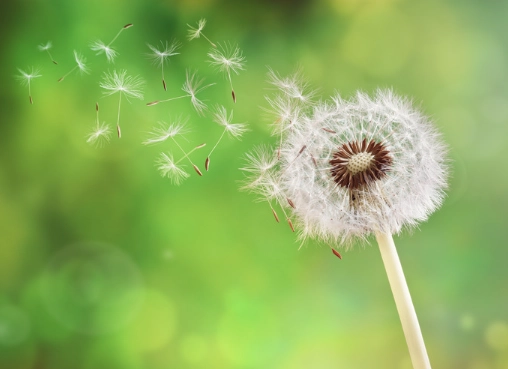
What You'll Discover
The Simple (and Wasteful) Mechanics of Wind Pollination
Forget elegance. Wind pollination is a brutal game of probability. The strategy is simple: produce a staggering amount of very small, light, and smooth pollen grains, then release them into the air and hope.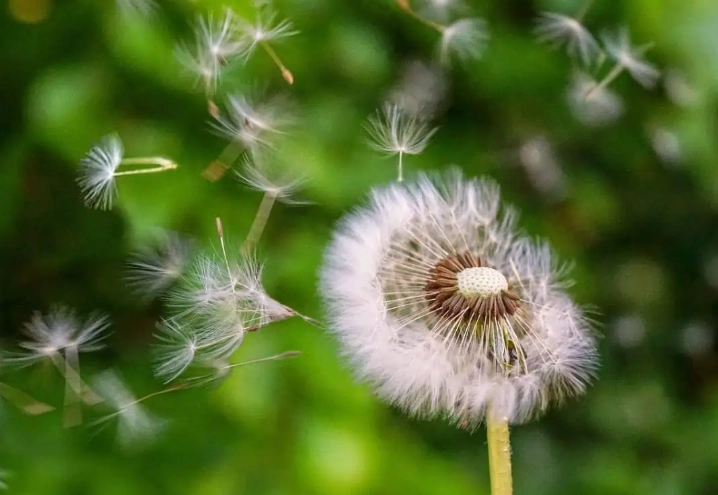
Here's the breakdown of a successful wind-pollinated plant's adaptations:
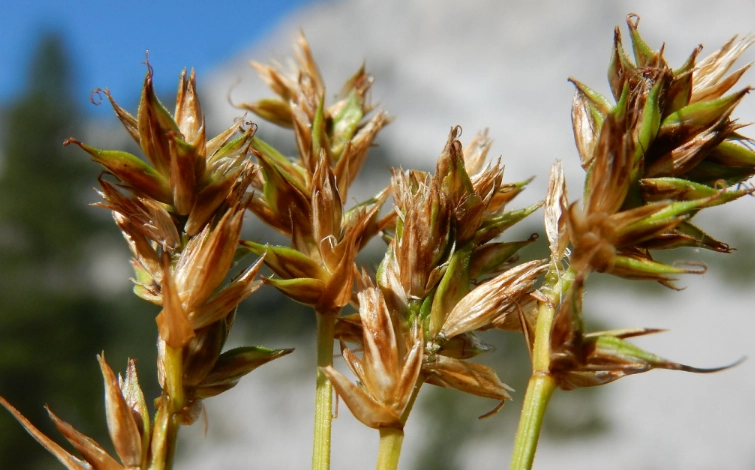
- Flower Design: The flowers are usually tiny, greenish, and lack petals, scent, or nectar. Why waste resources on advertising when your target is the blind, indifferent wind? They're often grouped in dangling catkins (think birch or oak) or open panicles that sway easily.
- Pollen Properties: The pollen grains are microscopic, dry, and non-sticky. Their surfaces are often smooth or have air bladders (like pine pollen) to increase buoyancy. A single ragweed plant can produce a billion pollen grains in a season.
- Female Receptors: The female stigmas are feathery, branched, or sticky and protrude prominently to catch passing pollen from any direction. They're essentially aerial nets.
- Timing is Everything: Release happens on dry, breezy days. Humidity weighs pollen down. Many trees release pollen in early spring before leaves fully unfurl, reducing physical barriers for the pollen cloud.
The efficiency is appallingly low. Perhaps one in a million pollen grains finds its target. The rest lands on water, soil, or your nasal passages. It's the ultimate scattergun approach.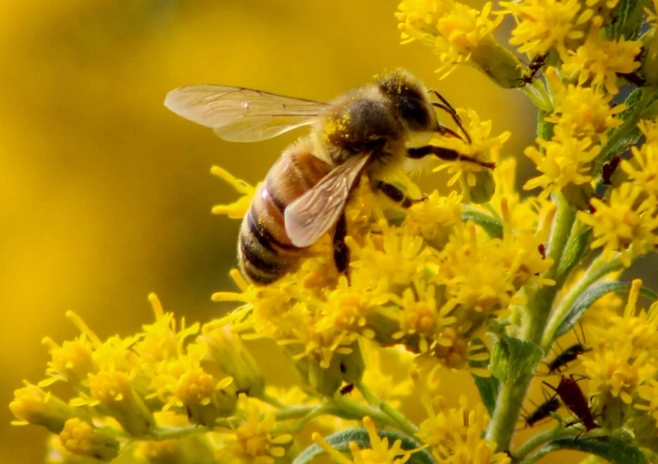
Meet the Masters of Airborne Reproduction
These aren't obscure plants. They dominate landscapes and underpin economies.
The Trees: Conifers and Hardwoods
Walk through any northern forest. The conifers—pines, firs, spruces, hemlocks—are classic wind pollinators. Their pollen cones are obvious. But many deciduous trees are too. Oaks, beeches, birches, elms, hickories, and pecans all trust the wind. This is why oak trees dump a yellow-green dust on everything in April. It's also why, if you have a single pecan tree, you might get few nuts; they often need another tree upwind for cross-pollination.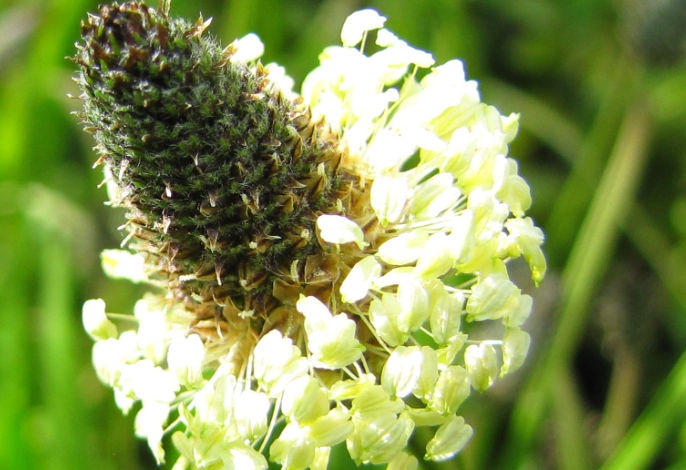
The Grasses: The Unseen Majority
Every lawn, meadow, prairie, and grain field is a monument to wind pollination. All true grasses—from Kentucky bluegrass to wheat, corn, rice, and barley—are wind-pollinated. Their flowers are those subtle, feathery tops you see. The global food supply hinges on this process. According to the USDA, over 70% of global cropland area is planted with wind-pollinated cereals.
The Notorious Weeds: Ragweed
Ragweed is the poster child for efficient, annoying wind pollination. Its small, green flowers produce massive amounts of highly allergenic pollen. A common mistake? Blaming goldenrod, the showy yellow insect-pollinated flower that blooms at the same time. Goldenrod's pollen is heavy and sticky; ragweed's is the one flying through your window.
Wind vs. Insect Pollination: It's Not Just About Bees
People see a flower and think "bee." But the divide between wind and insect (or animal) pollination is deep in a plant's evolutionary strategy. Here’s a direct comparison.
| Feature | Wind-Pollinated Plants | Insect-Pollinated Plants |
|---|---|---|
| Energy Investment | Huge investment in pollen production (quantity). | Investment in attractants: petals, scent, nectar (quality). |
| Pollen Traits | Small, light, smooth, dry, non-sticky, abundant. | Larger, heavier, sticky or spiny, nutritious, less abundant. |
| Flower Appearance | Small, often green/brown, no petals, no scent, no nectar. | Large, colorful petals, often fragrant, usually produces nectar. |
| Target & Efficiency | The wind. Very low efficiency ( | Specific animals (bees, butterflies, birds). High efficiency, targeted delivery. |
| Common Examples | Grasses, oaks, pines, ragweed, corn, wheat. | Roses, apples, sunflowers, lavender, orchids. |
| Evolutionary Niche | Often pioneers, dominant in open or early-successional habitats (grasslands, boreal forests). | Diverse, often in complex, stable ecosystems where precise pollination pays off. |
The biggest misconception I fight is that wind-pollinated plants are "primitive." They're not. They're supremely optimized for environments where insect pollinators are unreliable—cold climates, high altitudes, open habitats, or for mass colonization. They're the rugged workhorses of the plant world.
Wind Pollination in Your Garden and the Wider Ecosystem
You can't ignore wind-pollinated plants. They're foundational.
In Garden Design
Don't shun them. Use them intelligently.
- Structural Backbones: Native oaks, pines, and grasses provide year-round structure and are incredibly low-maintenance once established.
- Allergy-Aware Planning: If allergies are severe, research before planting. Avoid planting high-pollen male cultivars of trees like juniper or ash near patios or bedroom windows. Female plants often produce seeds or fruit but no pollen. Resources like the American Academy of Allergy, Asthma & Immunology offer guides.
- Supporting Lifecycles: Grass seeds feed birds. Trees host caterpillars that feed birds. It's a chain that starts with that wind-blown pollen.
In the Big Picture: Ecosystem Services
Wind-pollinated plants are ecosystem engineers. Coniferous and deciduous forests, which are largely wind-pollinated, form habitats, regulate water cycles, and sequester carbon. Grasslands prevent erosion. The pollen itself, even the vast majority that "fails," is a food source for some fungi and insects. They stabilize soil and are often the first to colonize disturbed land.
Clearing the Air: Your Wind Pollination Questions
Wind pollination isn't a sidebar in botany. It's a fundamental, powerful force that shapes the green world around us, from the food on our table to the forests that clean our air. Understanding it helps us make better choices in our gardens and appreciate the quiet, relentless machinery of nature that works even when no bees are flying.