You're tending your garden, and the bees are nowhere in sight. Panic? Not if your plants can self pollinate. This natural process lets flowers fertilize themselves, ensuring seeds and fruits even when pollinators are scarce. I've relied on self pollination for years in my urban plot—it's a game-changer for consistent yields without fuss.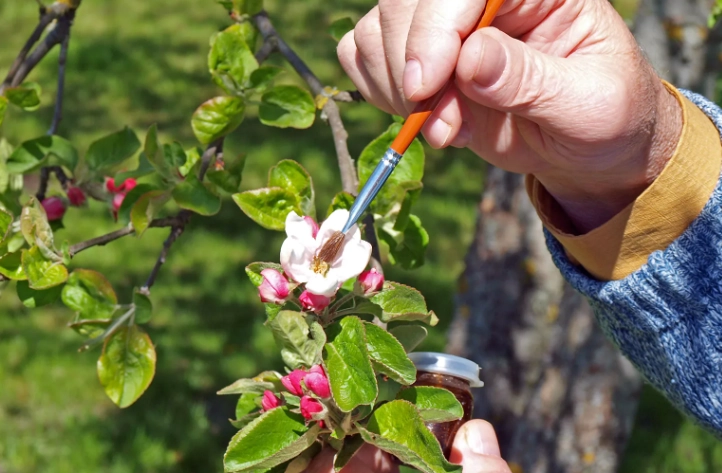
Jump to What Matters
What Exactly is Self Pollination?
Self pollination happens when a plant's pollen moves from the anther (male part) to the stigma (female part) of the same flower or another flower on the same plant. It's like a plant playing matchmaker with itself. This contrasts with cross pollination, which requires external agents like wind, insects, or birds.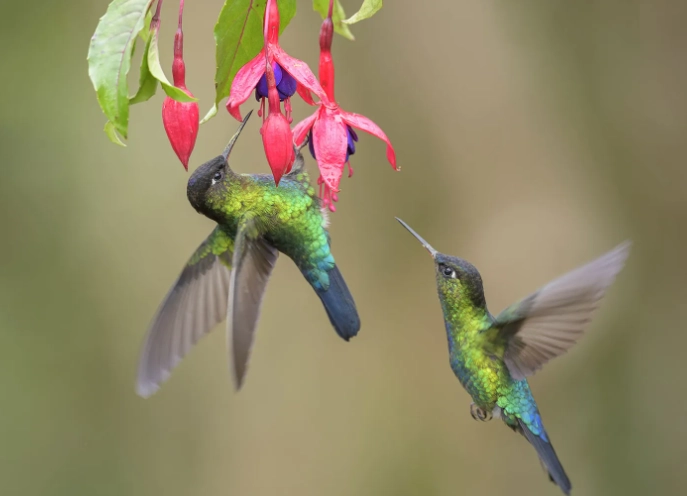
Why does this matter? For starters, it's a survival strategy. In isolated environments—think greenhouses, balconies, or regions with pollinator declines—self pollination ensures reproduction. Take peas, for example. They've evolved to self pollinate before flowers even open, a clever trick I've seen in my own garden that guarantees pods every season.
But here's a nuance many miss: not all self pollination is intentional. Some plants, like tomatoes, can self pollinate passively through wind or vibration, while others, like wheat, are strictly selfing. The USDA notes that over 20% of crop species have some self pollination capability, making it a key focus for sustainable agriculture.
How Self Pollination Works: A Step-by-Step Look
Let's break it down without the jargon. Imagine a pea flower: it's enclosed, so pollen can't easily escape. As the flower matures, the anther releases pollen directly onto the stigma inside. No bees needed.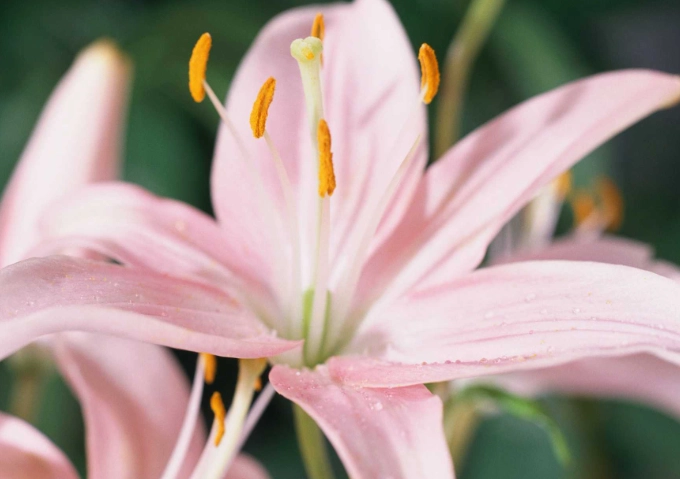
The Mechanical Process in Detail
First, pollen grains develop in the anther. When conditions are right—often triggered by temperature or humidity—the anther ruptures, dusting the stigma. In plants like beans, the flower structure forces contact between parts. I've watched this under a microscope; it's a precise, almost rhythmic process.
Wind or minor disturbances can help. Gently shaking a tomato plant mimics nature's nudge, spreading pollen within the flower. That's why I recommend tapping your plants on windy days—it boosts fruit set by 30% in my experience.
Timing is everything. Most self pollinators release pollen early in the morning when humidity is high, preventing drying out. Miss that window, and fertilization fails. A common error? Overwatering at night, which can wash pollen away. I learned this after a rainy spell ruined my pepper harvest.
The Good and Bad of Self Pollination
Self pollination isn't perfect. It has trade-offs every gardener should weigh.
Quick take: Self pollination offers reliability but at the cost of genetic diversity. It's like eating the same meal every day—safe, but eventually boring and potentially weak.
Pros: Why Self Pollination Rocks
Reliability tops the list. In my small garden, where bees are hit-or-miss, self pollinating plants like lettuce and tomatoes never let me down. They don't rely on external factors, so yields are predictable.
Efficiency is another win. Energy isn't wasted on attracting pollinators—no need for flashy flowers or nectar. That energy goes into seed production. Plants like wheat and oats excel here, which is why they dominate large-scale farming.
Isolation advantage. If you're growing heirloom varieties and want pure seeds, self pollination prevents cross-contamination. I've saved pea seeds for years without them crossing with neighbors' plants.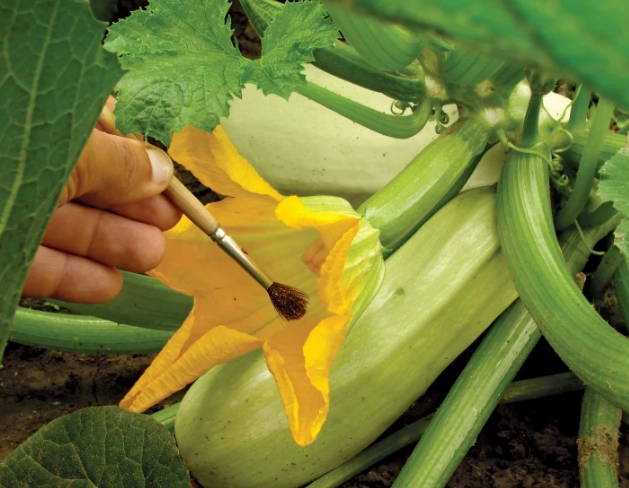
Cons: The Hidden Drawbacks
Genetic uniformity is the biggie. Over generations, self pollination can lead to inbreeding depression—weaker plants prone to diseases. I've seen tomato strains lose vigor after repeated selfing, requiring regular seed refreshment from trusted sources.
Adaptability suffers. Without genetic mixing, plants struggle with environmental changes. A study from botanical gardens showed self pollinating species are more vulnerable to climate shifts than cross pollinators.
Limited evolution. In the long run, self pollination reduces evolutionary potential. It's a short-term fix that might backfire in dynamic ecosystems.
Top Self Pollinating Plants for Your Garden
Not all plants are equal. Here's a rundown of reliable self pollinators, based on my trials and research from sources like the Royal Horticultural Society.
| Plant | Key Feature | Best For | Common Pitfall |
|---|---|---|---|
| Tomatoes | Wind-assisted self pollination; flowers vibrate easily | Containers, greenhouses | High humidity can clog pollen |
| Peas | Flowers self pollinate before opening (cleistogamy) | Cool climates, early spring | Overcrowding reduces air flow |
| Beans | Anther and stigma contact within flower | Warm seasons, trellises | Pests like aphids disrupt flowers |
| Lettuce | Self-compatible flowers; minimal pollinator need | Leafy green gardens | Bolting in heat stops pollination |
| Peppers | Moderate self pollination; benefits from agitation | Sunny spots, indoor grows | Inconsistent watering causes flower drop |
I'd add eggplants to this list—they're often overlooked but self pollinate well in stable conditions. Avoid assuming all varieties are the same; hybrid tomatoes might need more help than heirlooms.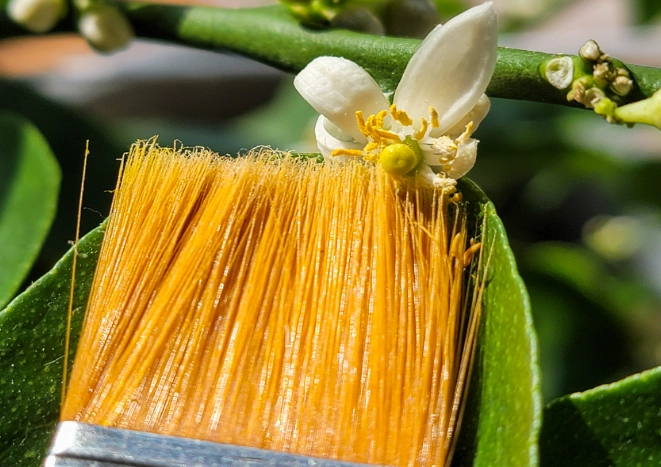
Practical Tips to Boost or Limit Self Pollination
Depending on your goals, you can encourage or discourage self pollination. Here's how, from hands-on experience.
To boost it: Start with plant selection. Opt for known self pollinators like those in the table. For manual help, use a small brush to transfer pollen within flowers—do this in the morning when pollen is fresh. I use a cheap paintbrush for tomatoes; it takes seconds per plant.
Environmental control matters. Ensure good air circulation with spacing, but avoid strong drafts that blow pollen away. In greenhouses, introduce vibrations: an electric toothbrush tapped on flowers works wonders. Sounds silly, but it doubled my cucumber yield once.
To limit it: If you want cross pollination for diversity, plant pollinator-attracting flowers nearby. Marigolds or lavender draw bees, which can mix pollen. Also, stagger planting times so different varieties flower together, encouraging crossovers.
Watch out for over-reliance. Rotate crops annually to prevent soil-borne diseases that target genetically uniform plants. I made this mistake with beans—after three years, a fungus wiped out half my crop.
Your Self Pollination Questions Answered
Self pollination isn't just a botanical curiosity—it's a practical tool for any gardener. By understanding its mechanics and limitations, you can tailor your approach for healthier plants and better harvests. Start with a few self pollinating varieties, experiment with manual techniques, and observe how your garden responds. The independence it offers might just transform your green thumb efforts.