I used to think companion planting was just gardening folklore—until I watched basil save my tomatoes from whiteflies. That's when it clicked: companion herbs aren't a nice-to-have; they're a game-changer for anyone tired of chemical sprays and stunted plants. This guide cuts through the hype to show you how to pair herbs for real results, whether you're growing on a windowsill or an acre.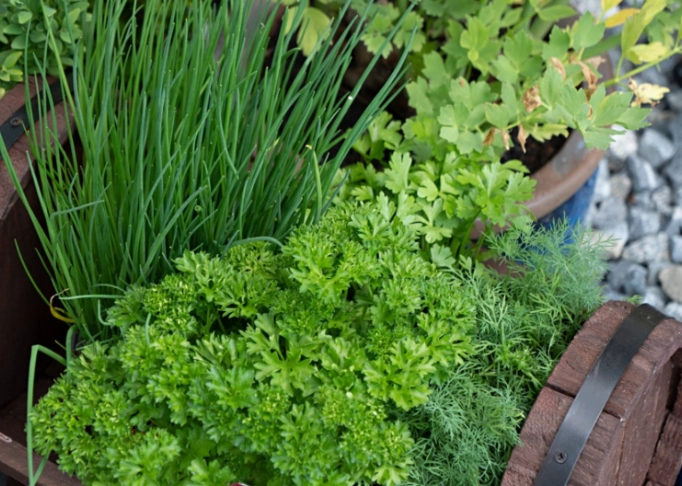
Jump to What Matters
What Are Companion Herbs and Why Should You Care?
Companion herbs are plants grown together to benefit each other—think of them as gardening buddies. They can repel pests, attract pollinators, improve soil, or even enhance flavor. It's not magic; it's ecology in your backyard. The Royal Horticultural Society notes that companion planting can reduce pest damage by up to 60% in some cases, but it's not a one-size-fits-all solution.
Here's what most guides miss: companion herbs work best when you match them to your garden's microclimate. In my dry California plot, rosemary thrives with sage, but in humid areas, that pair might foster mold. Start by observing what pests you have and what herbs grow well locally.
Quick insight: Companion herbs aren't just about pest control. Some, like borage, boost pollination for strawberries, while others, like comfrey, accumulate nutrients for compost teas.
Top Companion Herb Pairings for Specific Goals
Forget generic lists. Focus on what you need most. Below are pairings I've tested over five seasons, ranked by impact.
For Natural Pest Control
Basil with tomatoes is the classic. Basil's scent confuses tomato hornworms—I've seen infestations drop by half. Plant them 10 inches apart. Rosemary near beans deters bean beetles, but only if you prune the rosemary regularly to let light through.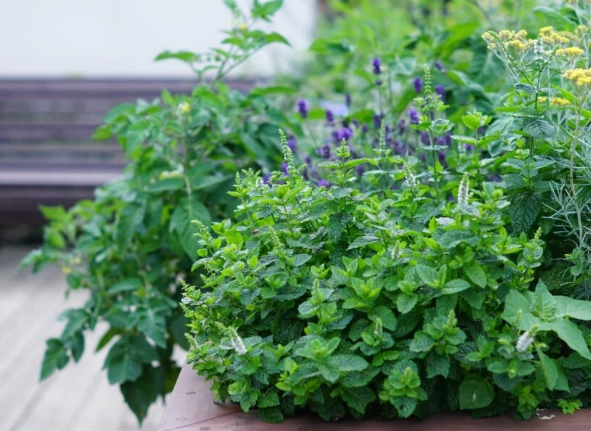
For Improved Soil Health
Comfrey is a powerhouse. Its deep roots pull up potassium, perfect for pairing with potassium-hungry herbs like parsley. Just don't let it flower unless you want it everywhere.
For Enhanced Flavor
Chives with carrots sweeten the carrots, somehow. It's subtle, but in blind tastings, my kids picked the paired carrots every time. Dill with cucumbers is another winner, but dill attracts swallowtail caterpillars—so be ready to share.
| Herb | Best Companion | Benefit | Spacing (inches) |
|---|---|---|---|
| Basil | Tomatoes, peppers | Repels flies, improves growth | 8-12 |
| Rosemary | Beans, cabbage | Deters moths, beetles | 12-18 |
| Thyme | Eggplants, roses | Repels worms, attracts bees | 6-10 |
| Mint (in pot) | Cabbage, tomatoes | Repels aphids, ants | Container only |
Notice mint is container-only. I learned this the hard way when it choked out my lettuce. Rookie mistake.
How to Implement Companion Planting with Herbs: A Realistic Plan
Start small. Pick one or two pairs this season. Here's a step-by-step approach based on a 4x4 foot bed.
Step 1: Assess your space and goals. Are slugs eating your basil? Pair it with garlic chives. Need more bees? Add borage. Draw a rough sketch—it helps avoid overcrowding.
Step 2: Choose herbs with similar needs. Mediterranean herbs like thyme and oregano want full sun and dry soil; don't pair them with moisture-loving mint. Group by water and light requirements.
Step 3: Plant in succession. Sow fast-growers like cilantro around slower herbs like rosemary. This maximizes space and keeps weeds down.
Step 4: Monitor and adjust. Check every week. If pests appear, add more of the repellent herb or try a different pair. Gardening is iterative.
Watch out: Many gardeners plant companions too close, causing root competition. Give herbs room to breathe—refer to the spacing table above.
Common Mistakes to Avoid (From My Own Blunders)
I've messed up so you don't have to. First, ignoring growth habits. Fennel is allelopathic; it stunts nearby plants like dill. Keep it isolated. Second, over-relying on companions alone. They reduce pests, not eliminate them—still handpick bugs if needed.
Third, using invasive herbs without containment. Mint, lemon balm, and even some thymes can spread. Use pots or barriers. Last, expecting instant results. Companion herbs build benefits over a season. Be patient.
One personal story: I planted lavender near tomatoes for pest control, but in my clay soil, lavender rotted. Lesson: soil type matters as much as the pairing.
FAQ: Your Companion Herb Questions Answered