For years, I chased the same gardening goals as everyone else: more fertilizer, perfect watering schedules, the latest hybrid seeds. The results were okay, but my plants always felt a bit... fragile. A dry spell would wipe them out. Pests were a constant battle. Then I stumbled into the world beneath my feet—the plant microbiome—and it changed everything. This isn't just academic science; it's the missing piece for any gardener tired of fighting their soil. The plant microbiome is the community of bacteria, fungi, viruses, and other microbes living in, on, and around your plants. Think of it as your plant's personal immune system, nutritionist, and stress coach, all rolled into one invisible team.
What You'll Discover in This Guide
- What is the Plant Microbiome? (A Simple Breakdown)
- How the Plant Microbiome Actually Benefits Your Plants (Beyond the Hype)
- The Biggest Mistake Gardeners Make with Microbial Products
- How to Build a Thriving Plant Microbiome: A Practical 4-Step Guide
- Real-World Case Study: Transforming a Struggling Vegetable Patch
- Your Plant Microbiome Questions, Answered by Experience
What is the Plant Microbiome? (A Simple Breakdown)
Forget the textbook definition. In your garden, the plant microbiome is the living skin of your soil and the inner ecosystem of your plants. It's not one thing, but a whole city of microscopic life. The rhizosphere microbiome is the bustling zone right around the roots. This is where the most important trade happens: plants leak sugars and other compounds (exudates) to feed specific microbes, and in return, those microbes help the plant.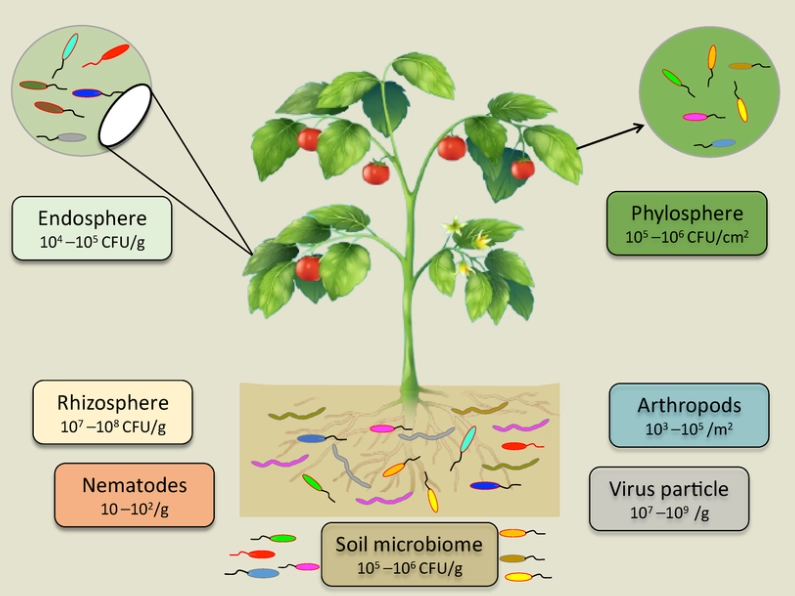
Then you have the endophytic microbiome—microbes that actually live inside the plant's tissues, in the roots, stems, and leaves, without causing harm. They're like live-in bodyguards. Research from institutions like the University of California, Davis, shows these endophytes can directly produce growth hormones or antibiotics to protect their host.
The key takeaway? A healthy microbiome is a diverse microbiome. Monoculture farming and heavy chemical use create a silent, dead zone. Your goal is to foster a noisy, complex community.
How the Plant Microbiome Actually Benefits Your Plants (Beyond the Hype)
You'll read a lot of lofty claims. Let's get specific about what a robust microbiome delivers in your backyard.
1. Superior Nutrient Uptake (The "Biological Fertilizer")
Mycorrhizal fungi are the superstars here. Their thread-like hyphae act as extensions of your plant's root system, increasing the surface area for water and nutrient absorption by hundreds of times. They're especially good at unlocking phosphorus—a nutrient often locked up in soil. Bacteria like certain Rhizobia species fix atmospheric nitrogen into a form plants can use. This isn't a replacement for all fertilizer, but it drastically reduces your dependency.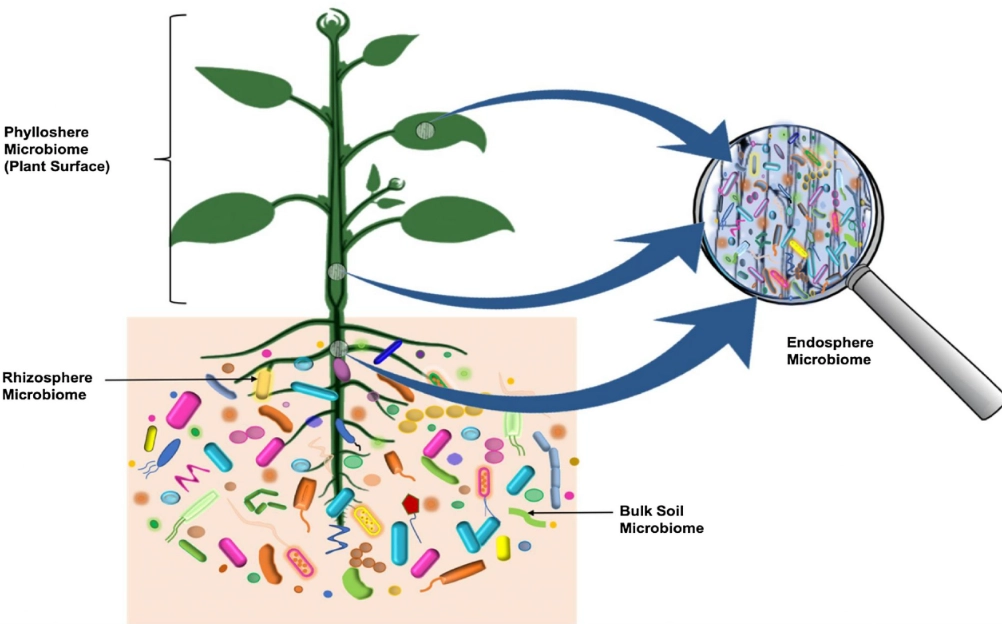
2. Built-In Disease Suppression
This is where it gets exciting. A diverse microbiome doesn't leave room for bad actors. Beneficial microbes outcompete pathogens for space and food. Some, like Trichoderma fungi, are hyper-parasites that actively attack root-rot fungi. Others produce antimicrobial compounds. It's a biological arms race happening at the root tip, and you want the good guys to win.
3. Resilience Against Drought and Stress
During a heatwave a few summers back, my neighbor's tomatoes wilted while mine held on. The difference? My soil was alive. Microbes like Pseudomonas can produce compounds that help plants retain water and trigger stress-response pathways, making them more tolerant. It's like giving your plants a better internal cooling system.
Quick Comparison: Chemical inputs vs. Microbiome Support
Synthetic Fertilizer: Gives a fast, direct nutrient hit. Can salt the soil, harm microbes, lead to runoff.
Microbiome Support: Creates a slow-release, self-regulating nutrient system. Builds long-term soil health and plant resilience.
One solves an immediate lack. The other prevents the lack from happening in the first place.
The Biggest Mistake Gardeners Make with Microbial Products
Here's the insider perspective most articles won't give you. The biggest error is treating microbial inoculants (like mycorrhizal powders or liquid bacteria) as a silver bullet. You buy a bottle of "super microbes," sprinkle it on, and expect magic.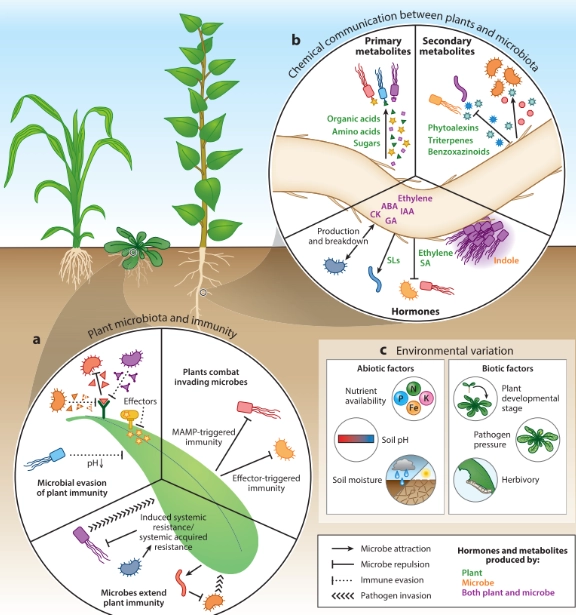
It doesn't work like that. If your soil is a toxic, compacted, foodless wasteland for microbes (thanks to chemical salts and lack of organic matter), adding new microbes is like dropping a handful of healthy people into a radioactive desert. They won't survive.
The product isn't the solution. The solution is creating a habitat where the microbes you already have—and the ones you add—can thrive. Focus on the environment first. This is the non-consensus view that changes outcomes.
How to Build a Thriving Plant Microbiome: A Practical 4-Step Guide
This is your action plan. Skip the theory and start here.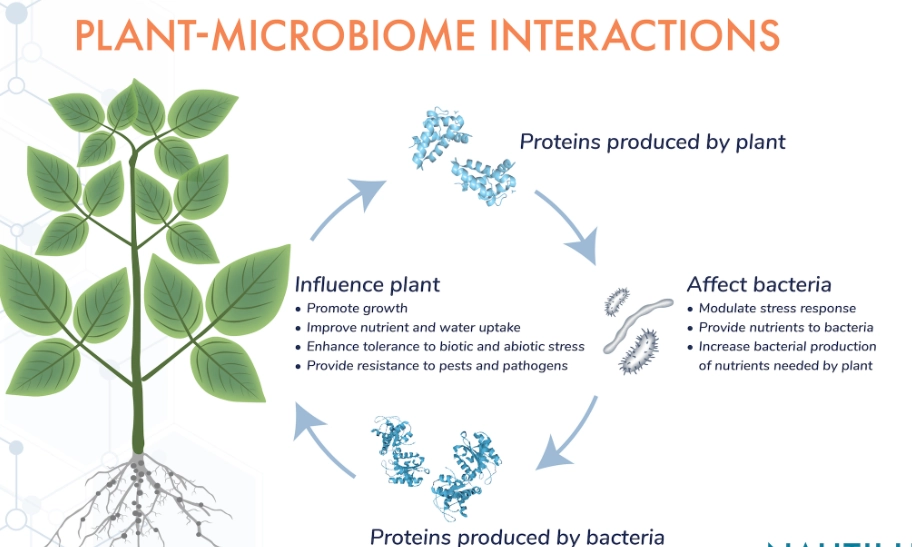
Step 1: Stop Harming It
First, do no harm. Minimize or eliminate broad-spectrum chemical fungicides and pesticides. They're napalm for your microbial community. Synthetic, high-salt fertilizers can also suppress microbial life. Shift to gentler, organic-based fertilizers if you need to feed.
Step 2: Feed the Microbes (Not Just the Plant)
Microbes eat organic matter. This is non-negotiable. You need to become a regular supplier.
- Compost is your #1 tool. It adds diverse microbes and their food in one go. Apply a 1-2 inch layer as a top-dressing each season.
- Cover Crops: Plants like clover or vetch aren't just green manure. Their living roots constantly feed the microbiome with fresh exudates, a direct sugar drip for soil life.
- Mulch: Wood chips, straw, or leaf mold. As it breaks down, it feeds the fungal-dominated network in your soil.
Step 3: Introduce Specific Allies (The Right Way)
Now you can use those inoculants. Match the product to your goal.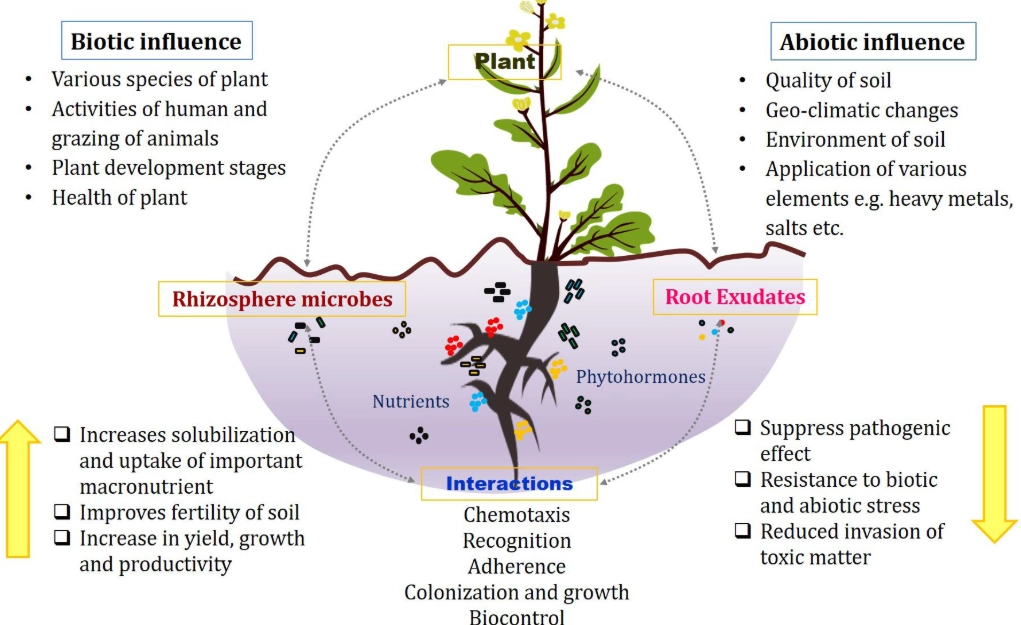
| Microbial Product Type | Best For | Key Application Tip |
|---|---|---|
| Mycorrhizal Fungi (Powder/Liquid) | Most vegetables, trees, shrubs, flowers (except brassicas like broccoli). | Apply directly to roots at planting. Mixing into soil after plants are established is far less effective. |
| Rhizobacterial Inoculants (e.g., Bacillus, Pseudomonas) | Disease suppression, general growth promotion, stress tolerance. | Can be applied as a soil drench or foliar spray. Ensure the product is fresh and stored correctly. |
| Compost Tea (Aerated) | Boosting overall microbial diversity and activity quickly. | Use well-aged compost. Brew for 24-36 hours with aeration. Apply immediately to soil or leaves. |
Step 4: Encourage Diversity Above Ground to Foster Diversity Below
Plant polycultures. Mix flowers, herbs, and vegetables. Different plants recruit different microbial teams. This diversity in the root zone creates a more stable, resilient ecosystem underground. It's the opposite of a monoculture lawn, which supports a very narrow—and often weak—microbiome.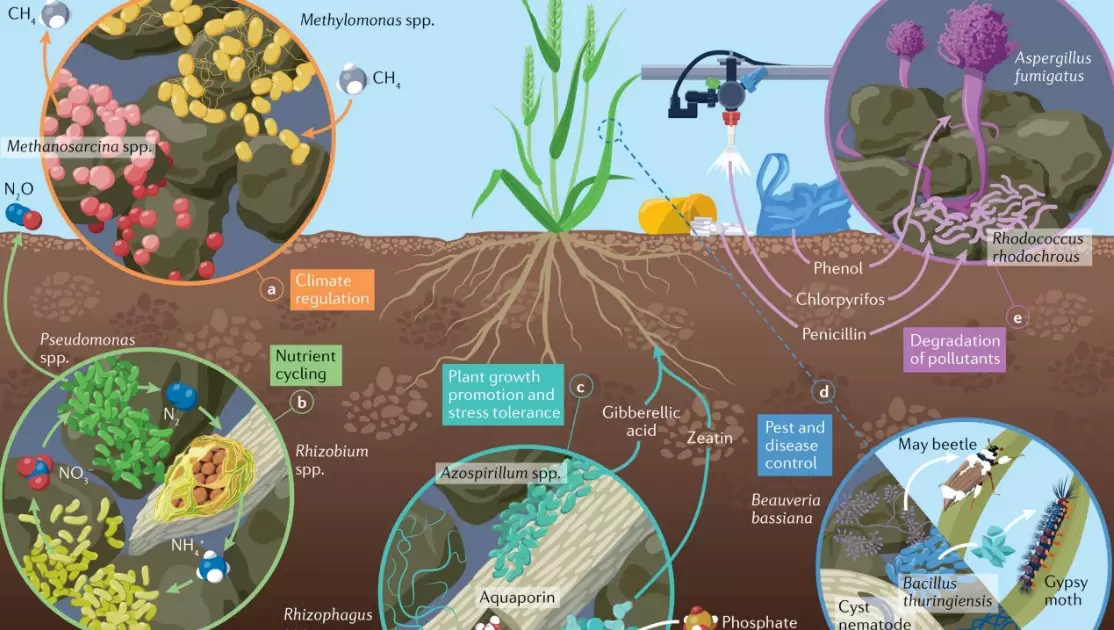
Real-World Case Study: Transforming a Struggling Vegetable Patch
My friend's raised bed was a classic case: tired soil, plants that started strong then stalled, constant powdery mildew on the squash.
The Old Way (Year 1): Bagged potting mix, weekly liquid fertilizer, spraying neem oil at the first sign of mildew. Result: mediocre yields, stressed plants.
The Microbiome Way (Year 2): We didn't rip everything out. We 1) top-dressed all beds with 2 inches of finished compost. 2) Switched to an organic, slow-release fertilizer. 3) Inoculated tomato and pepper transplants with mycorrhizal powder at planting. 4) Planted marigolds and borage around the edges. 5) Mulched heavily with straw.
The change wasn't overnight. But by mid-summer, the soil was darker, crumblier. The squash leaves had only a hint of mildew, which never spread. The tomatoes needed less water. The harvest was 40% heavier. The key wasn't one product, but shifting the entire soil environment from sterile to living.
Your Plant Microbiome Questions, Answered by Experience
The journey into the plant microbiome moves you from being a gardener who constantly intervenes to one who cultivates a system. You stop forcing growth and start facilitating it. The rewards aren't just bigger tomatoes, but a garden that feels more alive, more resilient, and more connected to the natural world it's part of. It starts with looking down and feeding the life you've been walking on all along.