That first warm day in late winter hits differently. You feel it in the air, see it in the lengthening light. The itch to get your hands in the soil becomes almost physical. Spring planting isn't just a chore; it's an act of optimism. But here's the thing most beginners (and even some seasoned gardeners) get wrong: they rush out the door the moment the sun appears, seeds in hand, ready to conquer. That enthusiasm is wonderful, but it often leads to wasted money, stunted plants, and a whole lot of frustration. Successful spring planting is less about a single day of action and more about a well-timed sequence of events, starting long before the last frost has even threatened to leave.
Your Spring Planting Jumpstart
Understanding Your Spring Frost Dates: The Non-Negotiable First Step
Forget generic advice like "plant after Easter." Your planting calendar is dictated by one local factor: your average last spring frost date. This is the estimated date after which there's a 50% chance no more frost will occur. Planting tender crops like tomatoes or basil before this date is a gamble with frost as the house.
You can find your date by searching your zip code on the USDA plant hardiness zone map or using tools from university extensions (like the one from the University of Vermont). Let's say your last frost is around May 10th. That date becomes your anchor.
Pro Tip: The "last frost date" is an average, not a guarantee. I've seen a hard frost wipe out gardens two weeks after the "safe" date. Savvy gardeners add a 7-14 day buffer for sensitive plants. Treat the official date as the starting line for counting backwards for seeds and forwards for transplants.
Plants are categorized by their frost tolerance:
- Hardy (Can be planted 4-6 weeks BEFORE last frost): Peas, spinach, kale, lettuce, radishes, onions. These laugh at a light frost.
- Half-Hardy (Can be planted 2-4 weeks BEFORE last frost): Beets, carrots, Swiss chard, potatoes. They can handle a chill but not a hard freeze.
- Tender (Plant AFTER last frost, when soil is warm): Tomatoes, peppers, cucumbers, beans, squash, basil. These are the divas that will turn black at the slightest frost.
How to Prepare Your Garden Soil for Spring Planting
You wouldn't build a house on a shaky foundation. Don't ask your plants to grow in tired, compacted soil. Spring soil prep is critical, and the biggest mistake is tilling or digging when the ground is too wet. If you squeeze a handful of soil and it stays in a muddy ball, walk away. Working wet soil destroys its structure, creating concrete-like clods that will haunt you all season.
The Soil Test: Don't Skip This
Guessing your soil's pH and nutrient levels is like gardening blindfolded. A simple test from your local cooperative extension service (costs about $20) tells you exactly what you need. Most vegetables crave a pH between 6.0 and 7.0. If your soil is too acidic (common in rainy areas), you'll need lime. Too alkaline, you need sulfur. The test report will tell you how much, taking the guesswork out.
Amending Your Soil
Once the soil is workably dry, add organic matter. This isn't just about fertilizer; it's about creating a living, breathing ecosystem for roots.
- Compost: The gold standard. Spread 2-3 inches over your beds and gently fork it in. It improves drainage in clay, water retention in sand, and feeds microbes.
- Well-Rotted Manure: A great nutrient boost. Ensure it's aged at least 6 months, as fresh manure can burn plants.
- Other Amendments: Based on your soil test, you might add bone meal (for phosphorus), greensand (for potassium), or a balanced organic fertilizer.
I'm a big fan of the no-dig method for established beds. Instead of tilling, I just layer the compost on top and let the worms do the mixing. It's less work and better for soil life.
Your Month-by-Month Spring Planting Schedule
Let's make this actionable. Assume a last frost date of May 10th. Adjust these timings based on your own date.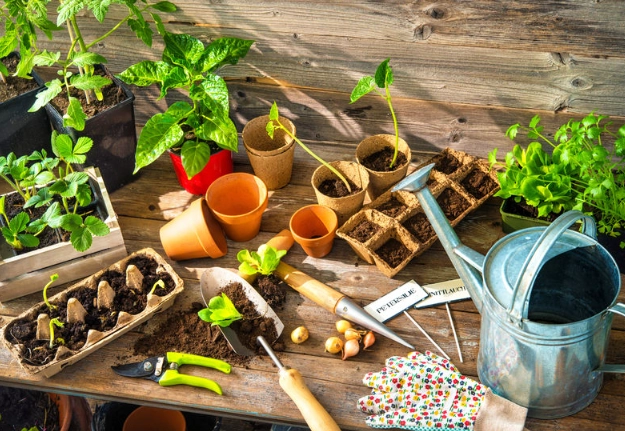
| Timing (Relative to Last Frost) | Key Tasks & What to Plant | Notes & Tips |
|---|---|---|
| 8-10 Weeks Before (Mid-March) | Start Seeds Indoors: Tomatoes, peppers, eggplant, broccoli, cabbage, kale, herbs (like parsley). Outdoor Prep: Test soil, order seeds/plants, clean tools. |
Use a seed-starting mix, not garden soil. Provide strong light immediately after germination to prevent leggy seedlings. |
| 4-6 Weeks Before (Early April) | Direct Sow Outdoors (Hardy Crops): Peas, spinach, arugula, radishes, carrots, beets, onion sets. Plant: Potatoes, asparagus crowns, rhubarb, bare-root trees/berries. |
Soil is still cool. Use row covers or cloches to warm the soil and speed germination for things like carrots. |
| 2-4 Weeks Before (Mid-Late April) | Direct Sow (Half-Hardy): Swiss chard, more lettuce, more carrots/beets. Transplant Outdoors: Hardened-off broccoli, cabbage, kale seedlings. Start Indoors: Cucumbers, squash, melons (they grow fast). |
This is "hardening off" time for your indoor seedlings. Gradually expose them to outdoor sun and wind over 7-10 days. |
| On/After Last Frost Date (May 10th) | Direct Sow (Tender Crops): Beans, corn, cucumbers, squash, zucchini. Transplant: Tomatoes, peppers, eggplant, basil, all tender seedlings. Succession Plant: More radishes, lettuce, beans. |
Wait until the soil is warm to the touch (above 60°F) for beans and squash. A cold, wet seed will just rot. |
| 1-2 Weeks After (Mid-May) | Direct Sow: Okra, sweet potatoes (slips). Transplant: Any remaining tender crops. Mulch: Apply straw or shredded leaves around plants to conserve moisture and suppress weeds. |
The garden is filling in! Focus on pest patrol (slug beer traps are effective) and consistent watering. |
Watch Out: That late-May cold snap is a classic garden killer. Keep floating row covers or old sheets handy to throw over tender transplants if an unexpected frost is forecast.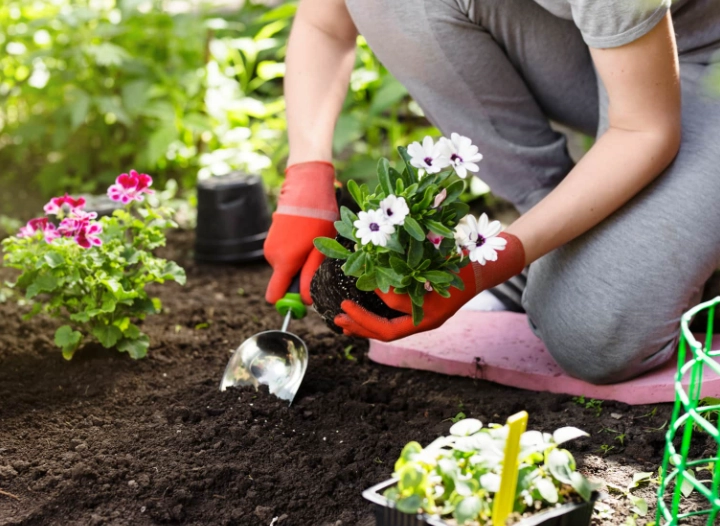
3 Common Spring Planting Mistakes (And How to Avoid Them)
I've made these myself, so learn from my pain.
1. Overcrowding. That tiny tomato seedling in a 4-inch pot will become a 6-foot-wide beast. Giving plants enough space isn't a luxury; it's essential for air circulation (preventing disease) and root development. Follow spacing guidelines on seed packets religiously. If anything, give them a little more room.
2. Planting Too Deep (or Too Shallow). This is plant-specific. The general rule is to plant a seed at a depth twice its diameter. For transplants, tomatoes are the exception—you should plant them deep, burying part of the stem to encourage more roots. For peppers, eggplant, and most others, plant at the same depth they were in the pot. Burying the stem crown can cause rot.
3. Neglecting to Harden Off Seedlings. Taking your pampered indoor seedlings and plopping them directly into full sun is like sending someone from a dark room onto a bright beach—they'll get scorched. Hardening off is non-negotiable. Day 1: Shady spot for an hour. Day 2: A bit more sun, a bit longer. Build up to a full day outside over a week.
Your Spring Planting Questions, Answered
My spring has been unusually wet and cold. Can I still plant my tomatoes on the usual date?
No, and this is where rigid calendars fail. The calendar date matters less than soil temperature. Tomatoes need soil consistently above 60°F. If it's a cold, soggy spring, wait. Planting in cold soil shocks the plant, stunting it for weeks—a late start in warm soil will often outpace an early start in cold soil. Use a soil thermometer. If you can't wait, warm the soil with black plastic for a week before planting, and use a cloche or wall of water for protection.
I only have a small patio. What are the best vegetables for container spring planting?
Containers are fantastic for control. Focus on high-value, compact plants. Lettuces, kale, Swiss chard, and spinach are perfect for early spring. For after frost, go with determinate (bush) tomato varieties, peppers, dwarf eggplant, bush beans, and herbs like basil and thyme. The key is container size—a tomato needs a 5-gallon pot at minimum. Use high-quality potting mix, not garden soil, and ensure every pot has excellent drainage holes.
How can I protect my early spring seedlings from pests like slugs and birds?
Slugs love tender seedlings on cool, damp nights. An old but effective trick is sinking a small cup or container level with the soil and filling it with cheap beer—they crawl in and drown. For birds picking at pea and bean seedlings, lightweight floating row cover draped over the row acts as a physical barrier until plants are established. It also adds a few degrees of frost protection.
Is it worth trying "companion planting" in my spring garden, or is it just gardening folklore?
Some of it is folklore, but some combinations have observable benefits. The classic one I swear by is planting basil near tomatoes. I'm not fully convinced it makes the tomatoes taste better, but the strong scent of basil seems to confuse or repel certain insect pests. Marigolds (French marigolds, specifically) are well-documented to help suppress root-knot nematodes in the soil. At the very least, mixing flowers like marigolds, nasturtiums, and calendula into your vegetable beds increases biodiversity, attracts pollinators, and makes the garden prettier—that's a win in my book.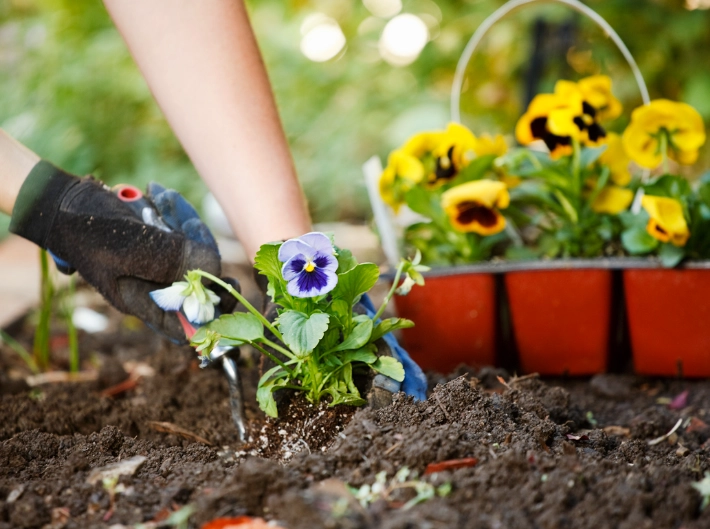
Reader Comments