Let's be honest. Watering the garden can feel like a second job sometimes. You watch the weather forecast, drag hoses around, and still worry about your plants when you're away for a weekend. What if you could cut that work by half, or more, and still have a garden that looks full and vibrant? That's the promise of drought resistant plants. But it's not just about throwing a few succulents in the ground and hoping for the best. After helping hundreds of gardeners transition to low-water landscapes, I've seen what works and, more importantly, the subtle mistakes that can undo all your good intentions.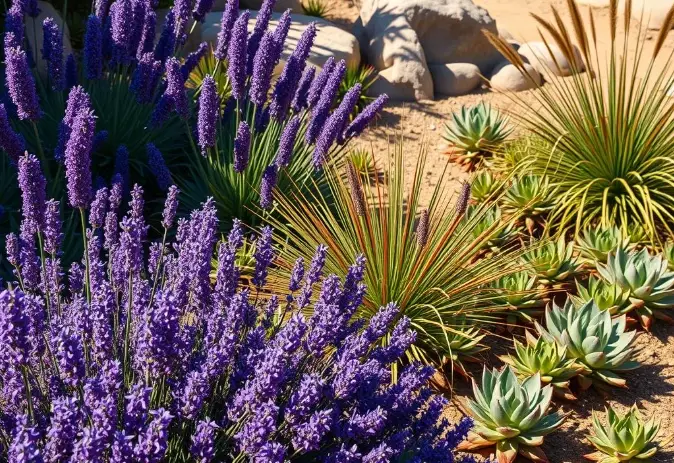
What You'll Find in This Guide
How Do Drought Resistant Plants Actually Work?
We often call them "drought tolerant" or "water wise," but these plants aren't magical. They've evolved clever survival tricks. Some, like Lavender and Rosemary, have tiny, hairy, or silvery leaves that reflect sunlight and trap moisture close to the leaf surface. Others, like Sedum and Agave, store water in fleshy leaves or stems. Deep-rooted plants like Russian Sage and certain native grasses tap into moisture far below the soil surface that shallow-rooted plants can't reach.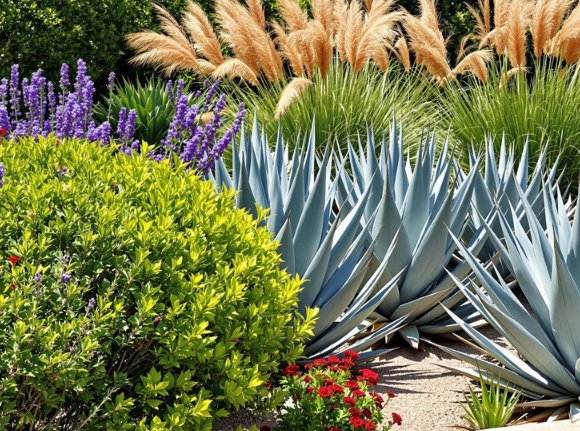
The key insight most beginners miss? Drought resistance isn't the same as neglect resistance. Especially in the first one to two years, these plants need consistent watering to establish their deep root systems. You're investing in a future of less work.
My Top Plant Picks for Different Garden Styles
Forget generic lists. Choosing plants depends on the look you want and your specific conditions. Here’s a breakdown based on garden style, with plants that have proven themselves in real, sometimes challenging, gardens.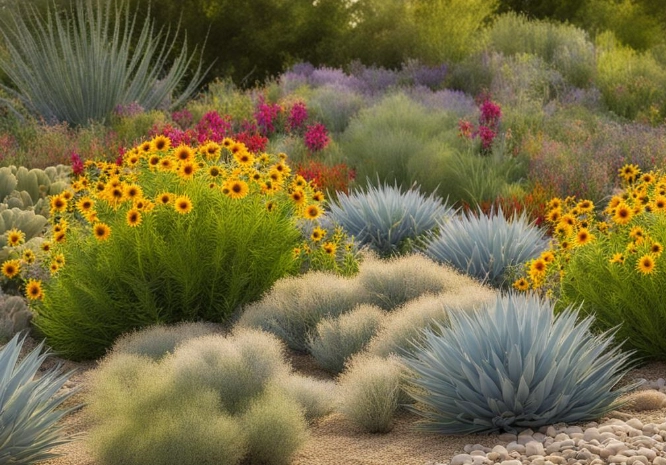
| Garden Style | Plant Name | Key Features & Why It Works | Sun Needs |
|---|---|---|---|
| Classic & Fragrant | English Lavender (Lavandula angustifolia) | Grey-green foliage, iconic purple spikes, heavenly scent. Deer and rabbit resistant. The classic mistake? Overwatering or not pruning it hard enough in spring. | Full Sun |
| Modern & Architectural | Blue Glow Agave (Agave 'Blue Glow') | Stunning blue-green rosette with red edges. A sculptural focal point. Slow-growing and stays a manageable size. Needs excellent drainage above all else. | Full Sun |
| Pollinator Paradise | Catmint (Nepeta 'Walker's Low') | Long-blooming, covered in bees and butterflies from spring to fall. More reliable and less fussy than many lavenders. Cut it back mid-summer for a second flush of blooms. | Full Sun to Part Shade |
| Ground Cover & Texture | Blue Fescue (Festuca glauca) | Ornamental grass forming neat, icy blue tufts. Perfect for edging or mass planting. It dislikes wet feet, so plant it on a slight mound if your soil is heavy. | Full Sun |
| Native & Wildlife-Friendly | Blanket Flower (Gaillardia aristata) | Cheerful red and yellow daisy-like flowers that bloom non-stop. A North American native that thrives on hot, dry sites. It often self-seeds gently, giving you free plants. | Full Sun |
I have a soft spot for Russian Sage (Perovskia atriplicifolia). It's not a true sage, but those airy, lavender-blue spikes in late summer when other gardens are flagging are a lifesaver. It smells like a mix of sage and lavender when you brush past it. Just give it room—it can get big and floppy if crowded.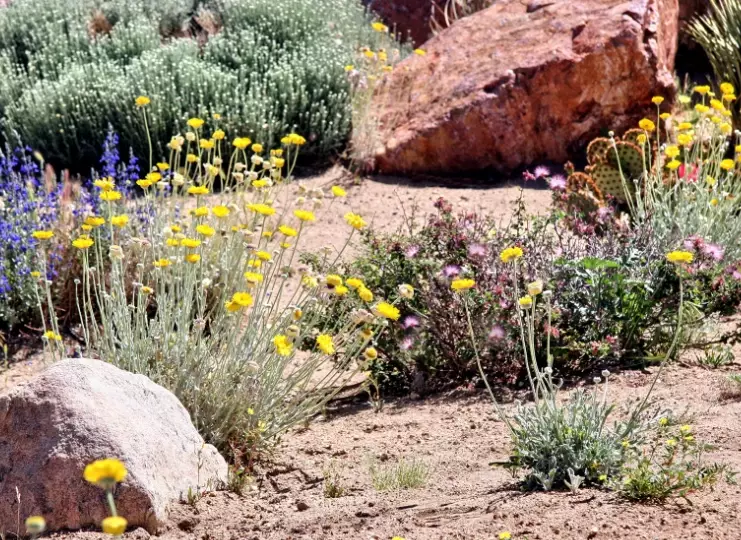
The Real-World Planting & Care Guide
This is where theory meets the dirt. Getting the start right is 80% of the battle for a successful low-water garden.
Step 1: Soil is Everything (Really)
Most drought-tolerant plants hail from places with gritty, fast-draining soil. Our typical garden clay is their worst nightmare—it holds water around their roots, causing rot. You don't need to replace all your soil, but you must amend the planting hole generously.
My mix: I combine the native soil I dug out with a roughly equal amount of coarse sand or fine gravel (not play sand) and compost or well-rotted manure. The compost feeds the plant, the grit ensures drainage. For succulents and Mediterranean herbs, I add even more grit.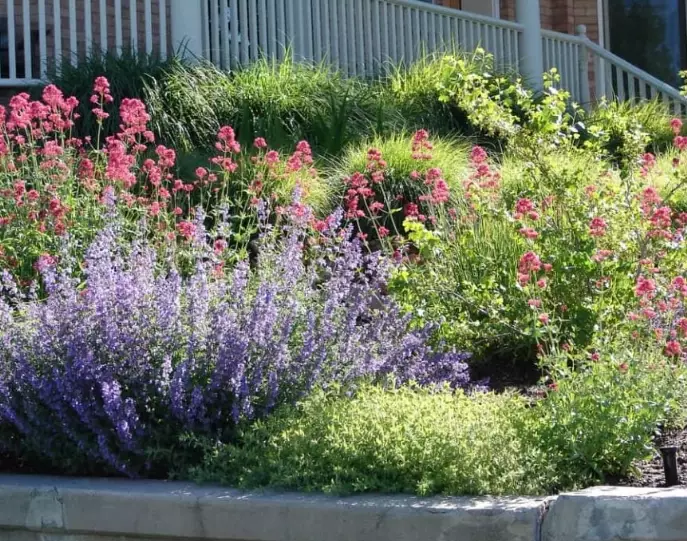
Step 2: The Planting Ritual
Water the plant in its pot thoroughly an hour before planting. Dig a hole twice as wide as the root ball but no deeper. Gently tease out any circling roots. Place it in the hole so the top of the root ball is level with or slightly above the soil surface—never bury the crown. Backfill with your soil mix, firm gently, and water deeply to settle.
Step 3: The Critical First Two Years
This is the "establishment period." Water deeply but infrequently, encouraging roots to chase moisture down. A good rule: for the first season, water once a week if there's no rain. In the second year, stretch it to every two weeks. By year three, most of these plants will only need water during extended droughts of a month or more.
What Are the Most Common Mistakes with Drought Tolerant Plants?
I see these patterns all the time. Avoiding them will save you money and heartache.
- Overwatering in the name of "love." This is the number one killer. Soggy soil leads to root rot. Learn to check soil moisture by sticking your finger a few inches down. If it's damp, wait.
- Planting in shade. The vast majority of these plants need full sun (6+ hours). In shade, they become leggy, floppy, and prone to disease.
- Assuming "drought tolerant" means "poor soil tolerant." Many, like Lavender, actually prefer moderately fertile, well-drained soil. They just don't need constant moisture.
- Forgetting about winter wet. In colder climates, winter rain or snowmelt on frozen ground can be deadly. That's why perfect drainage and planting on a slope or mound is crucial.
- Not grouping plants by water needs. Don't plant a thirsty Hydrangea next to a Sedum. You'll either drown the Sedum or parch the Hydrangea. This concept, called hydrozoning, is a game-changer.
Your Drought Gardening Questions Answered
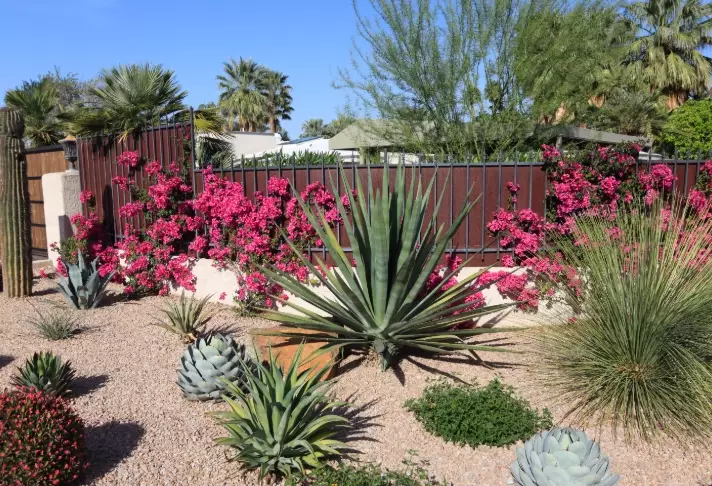
Shifting to a garden centered on drought resistant plants isn't about giving up beauty for utility. It's about working smarter with nature. You'll spend less time watering, less money on your water bill, and you'll create a resilient landscape that looks good even when the weather isn't cooperating. Start with a small area, maybe replace a thirsty strip of lawn, and see how it goes. The bees and butterflies will thank you first.
Reader Comments