Let's be honest. That supermarket tomato looks perfect, but tastes like watery cardboard. You're not imagining it. The solution isn't a fancy fertilizer. It's in the seed. Heirloom seeds are the key to unlocking vegetables with flavor that punches you in the face (in a good way) and gives you control over your garden's future. Forget the hype for a second. This isn't just about nostalgia; it's about taste, resilience, and breaking free from the seed catalog cycle.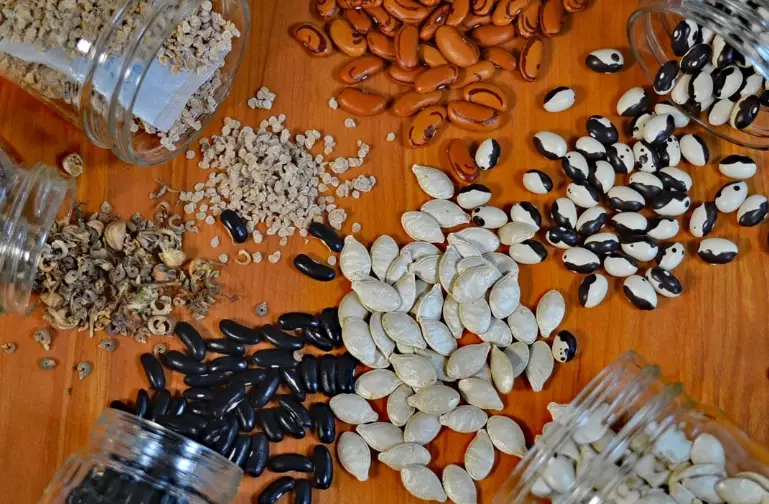
What's Inside This Guide?
- What Exactly Are Heirloom Seeds? (The Simple Truth)
- Why Bother Growing Heirlooms? Beyond the Flavor Hype
- How to Choose the Right Heirloom Seeds for Your Garden
- Growing for Success: The Heirloom Gardener's Mindset
- The Ultimate Reward: How to Save Your Own Heirloom Seeds
- Your Heirloom Seed Questions, Answered
What Exactly Are Heirloom Seeds? (The Simple Truth)
An heirloom seed comes from a plant variety that's been passed down, often within families or communities, for at least 50 years. Most are open-pollinated, meaning they reproduce true to type from seed if isolated from other varieties. That's the technical bit.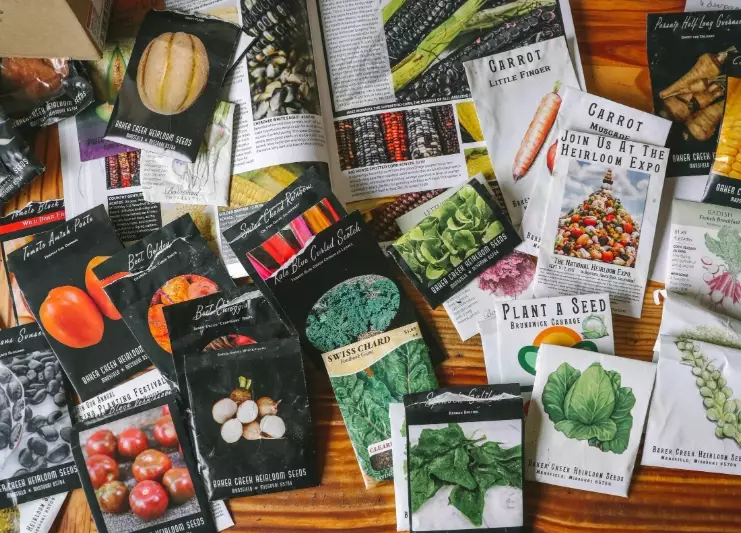
Here's what that actually means for you: plant a 'Brandywine' tomato seed, save its seeds, plant those next year, and you get a 'Brandywine' tomato. Every time. It's a self-replicating system. This is the core difference from hybrid seeds (F1), which are a one-time cross between two parent plants. Saving seeds from a hybrid gives you a genetic lottery—usually a disappointing one.
The subtle mistake everyone makes: Assuming all old varieties are heirlooms. Age is a factor, but the story and stability matter more. A variety needs a history of being maintained and selected by gardeners, not just sitting in a vault. That selection over generations is what adapts it to local conditions and refines its traits.
Why Bother Growing Heirlooms? Beyond the Flavor Hype
Yes, the flavor is legendary. A 'Sun Gold' cherry tomato versus a grocery store red globe isn't a fair fight. But flavor is just the headline act.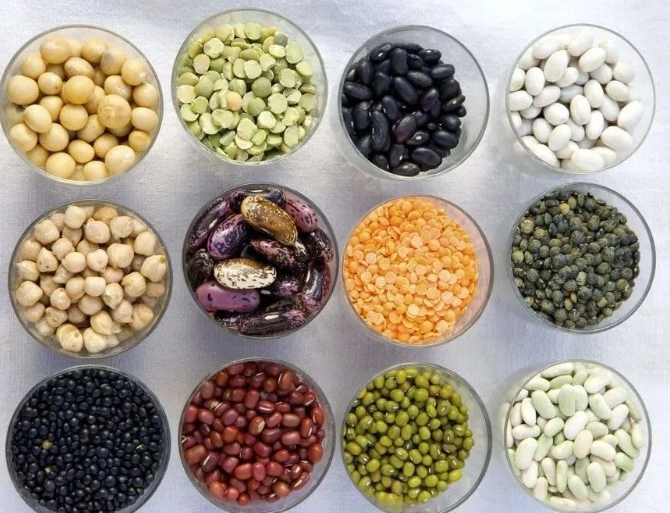
Genetic Diversity is Your Garden's Insurance Policy
Modern agriculture relies on shockingly few plant varieties. According to the Food and Agriculture Organization of the United Nations, we've lost over 75% of plant genetic diversity since the 1900s. Heirlooms are a living library of traits—drought tolerance, pest resistance, unique colors, and early ripening. When a new disease hits, the solution might lie in the genes of an obscure heirloom bean from your region. By growing them, you're a custodian of this diversity.
Seed Sovereignty (A Fancy Term for Being in Charge)
When you save seeds from your best-performing plants, you're not just saving money. You're developing a strain uniquely suited to your backyard's microclimate, soil, and challenges. That plant that thrived in the wet corner? Its seeds carry that advantage. Over years, you breed a local champion. You stop being a consumer and start being a co-creator.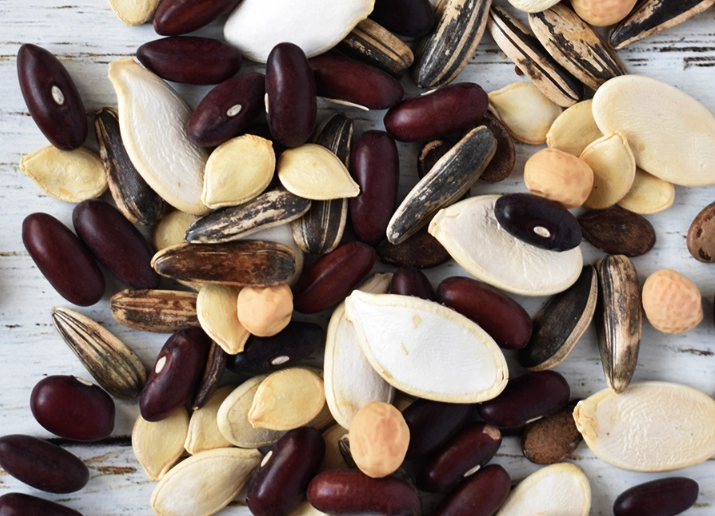
How to Choose the Right Heirloom Seeds for Your Garden
Walking into a seed catalog or website is overwhelming. Don't just pick the prettiest picture. Think like a scout.
First, match the plant to your conditions. If you have a short summer, seek out "early season" or "short DTM (Days to Maturity)" varieties. Living in a humid area? Look for keywords like "blight-resistant" or "does well in humidity." Reputable sellers like Seed Savers Exchange or Baker Creek Heirloom Seeds often provide these crucial details.
Start with one or two sure things. My first year, I went for ten different heirloom tomatoes. It was chaos. I learned nothing. Pick a workhorse. For tomatoes, that's something like 'Cherokee Purple' (incredible flavor, decent yield) or 'Roma' (great for sauce). For beans, 'Kentucky Wonder' pole bean is a classic for a reason.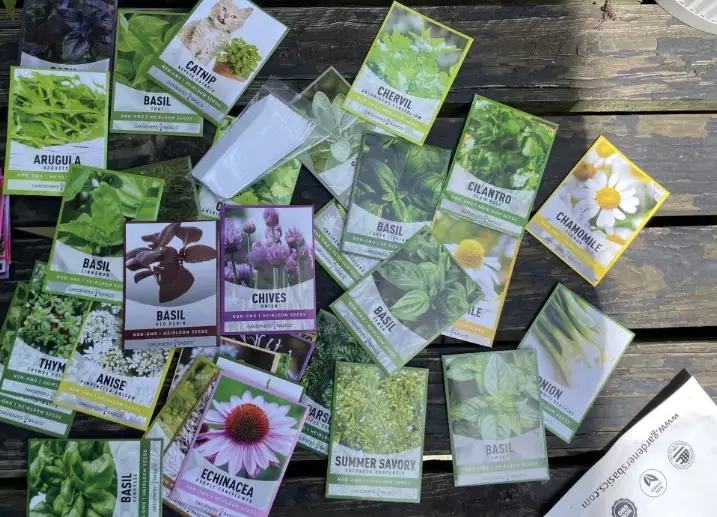
| Heirloom Variety | Best For | Key Trait & A Note | Good for Beginners? |
|---|---|---|---|
| 'Brandywine' Tomato | Slicing, sandwiches | Unbeatable rich, complex flavor. But it's slow and not the heaviest yielder. | Maybe not. Try a smaller tomato first. |
| 'Dragon Tongue' Bush Bean | Fresh eating, salads | Beautiful purple-streaked pods, stays tender. Prolific. | Yes, very easy. |
| 'Lacinato' Kale (Dinosaur Kale) | Cooking, chips | Bumpy, dark blue-green leaves. Cold-tolerant, flavor sweetens after frost. | Yes, very hardy. |
| 'Moon & Stars' Watermelon | Summer treats | Stunning dark green rind with yellow spots. Sweet, pink flesh. Needs space and heat. | Only if you have a long, hot season. |
Growing for Success: The Heirloom Gardener's Mindset
Heirlooms sometimes get a bad rap for being "fragile." Often, it's that we're used to hybrids bred for industrial toughness (thick skins, uniform ripening). Heirlooms require a shift in thinking.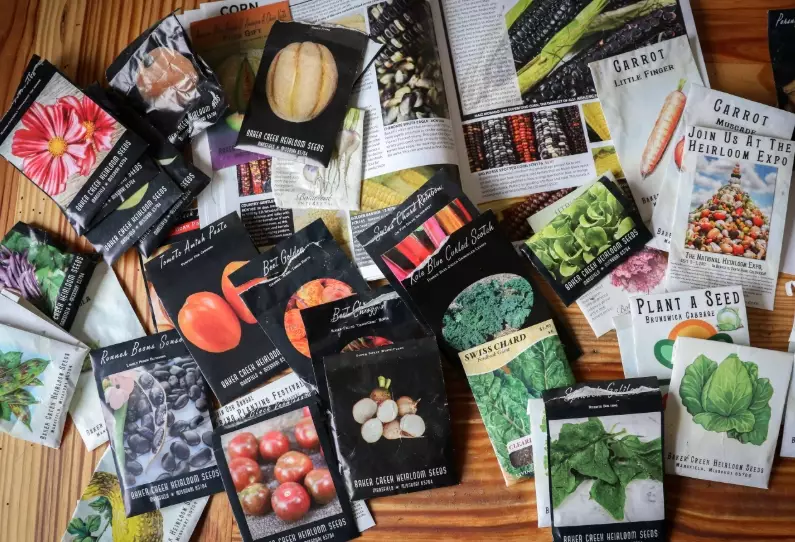
They might not look perfect. Your heirloom carrot might fork. Your tomato might have cracks near the stem. That's normal. It doesn't affect the taste. We've been conditioned to prize cosmetic perfection over nutritional and flavor density.
Staking and support are non-negotiable. Many heirloom tomatoes are vigorous, sprawling plants. A flimsy cage won't cut it. Use strong stakes or a robust trellis system from the start. That 'Brandywine' will topple over and rot if left on the ground.
Practice proactive pest patrol. Because they aren't always bred with modern commercial pest resistance, you need to keep an eye out. Hand-pick hornworms. Use row covers for cabbage moths. It's more hands-on, but it avoids the spray-and-pray approach.
The Ultimate Reward: How to Save Your Own Heirloom Seeds
This is where the magic happens. Saving seeds turns gardening from a hobby into a legacy. It's not hard, but you need the right technique for the plant type.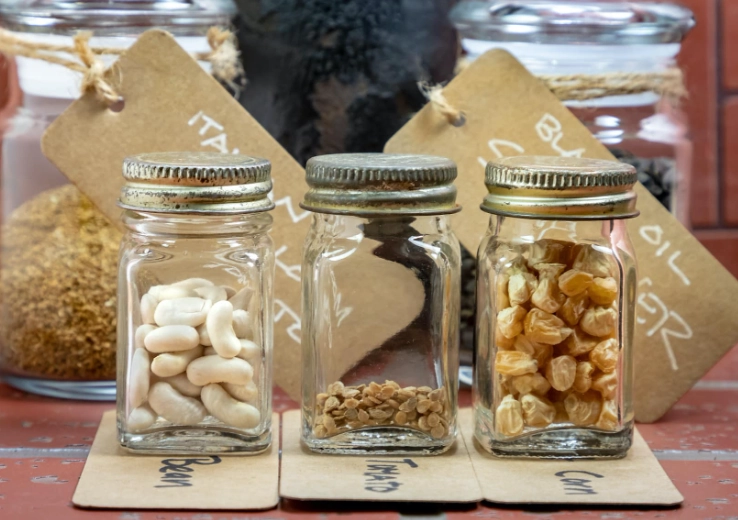
Dry-Seeded Crops (Beans, Lettuce, Peas, Herbs)
The easiest. Let the pod or seed head dry completely on the plant. It should be brown and crispy. For beans, you should hear the seeds rattle. Shell them, spread the seeds on a plate for a week in a dry spot to ensure zero moisture, then store in a labeled paper envelope. Plastic bags trap moisture and cause mold.
Wet-Seeded Crops (Tomatoes, Cucumbers, Squash)
This involves fermentation, which mimics nature's process and kills seed-borne diseases. For tomatoes: scoop the gel and seeds into a jar, add a little water, cover with cheesecloth, and leave for 2-4 days. A layer of mold will form—this is good. Viable seeds sink. Rinse the sinkers thoroughly, dry completely on a coffee filter or screen, and store. The USDA has great pictorial guides on this process.
The non-consensus tip: Don't save seeds from the first fruit of the season. Wait for the mid-season fruits from your healthiest, most productive plant. Early fruits can sometimes come from less-than-ideal pollination conditions. You want to select for vigor and productivity, not just earliness.