Quick Guide
- Why Bother Watching Bugs? (The Benefits You Won't See Coming)
- Gearing Up: What You Actually Need (Spoiler: Not Much)
- Where and When to Look: Your Insect Watching Hotspots
- The Art of Seeing: How to Actually Watch an Insect
- Who's That Bug? A Beginner's ID Cheat Sheet
- Keeping a Watch Log: From Scribbles to Science
- Leveling Up Your Insect Watching Game
- Insect Watching FAQ: Your Questions, Answered
- Getting Connected and Learning More
Let's be honest. When someone says "nature observation," you probably picture someone with fancy binoculars staring at a hawk. Birds get all the glory. But right under our feet, and often right on our window screens, is a world that's far more diverse, bizarre, and accessible. I'm talking about insect watching.
It started for me out of sheer laziness. I was trying to garden, got tired of weeding, and just sat down on the grass. That's when I noticed a tiny beetle, iridescent green, struggling over a blade of grass like it was climbing a mountain. I watched it for ten minutes. That was it. No special gear, no plan. Just watching.
That's the beautiful secret of insect observation. The barrier to entry is basically zero. You don't need to travel to a remote forest. Your backyard, a local park, or even a weedy patch by a parking lot is a thriving metropolis for bugs. This guide isn't about becoming a PhD entomologist overnight. It's about opening a door to a hobby that's equal parts relaxing, fascinating, and surprisingly profound.
Why Bother Watching Bugs? (The Benefits You Won't See Coming)
Okay, so why would anyone voluntarily spend time looking at ants and beetles? The reasons go way beyond "it's cool."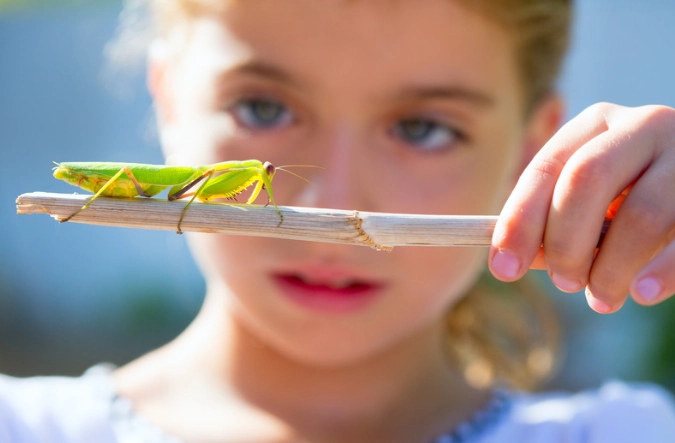
First, it's a crash course in mindfulness without the meditation app. Insect watching forces you to slow down. You can't rush it. You have to be still, be patient, and focus on a very small scale. The constant chatter in your head just... stops. You're just there, watching a leafhopper sip sap. It's incredibly therapeutic.
Then there's the pure wonder factor. The more you look, the more you realize how utterly alien and amazing these creatures are. Seeing a spider meticulously repair its web after a rainstorm is witnessing engineering. Watching ants communicate and coordinate is like seeing a superorganism think. It sparks a curiosity you probably haven't felt since you were a kid turning over rocks.
It's also a fantastic family activity. Kids are naturally curious about small, moving things. Turning it into a game—"who can find the reddest bug?" or "let's follow this ant to its home"—is way more engaging than another hour of screen time. You're teaching them observation, patience, and respect for living things.
Gearing Up: What You Actually Need (Spoiler: Not Much)
The marketing world would love to sell you hundreds of dollars worth of equipment. Don't buy it. Literally. You can start with things you already own.
The Absolute Essentials
Your Eyes and Patience: The most important tools. Seriously.
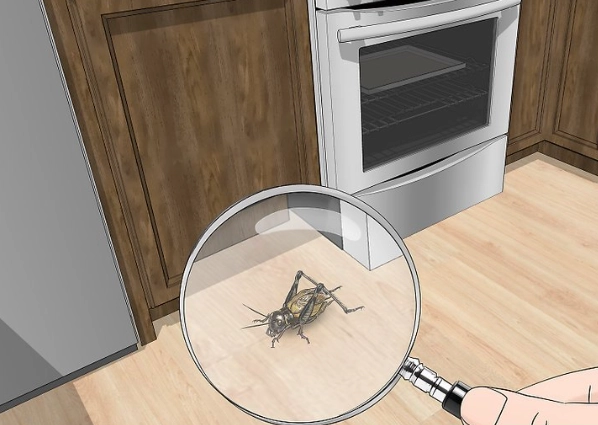
A Hand Lens (Loupe): This is your gateway drug. A simple 10x magnification lens changes everything. Suddenly, you see the individual facets in a fly's eye, the delicate scales on a butterfly's wing, the tiny hairs on a bee's leg. You can get a decent one for under $20. Don't overthink it.
A Notebook and Pen: The old-school way is the best way. Jot down what you see, where, and when. A simple sketch, even a bad one, helps memory more than a quick photo. I use a cheap, weatherproof notebook because mine gets dropped in dirt a lot.
The "Nice to Have" Upgrades
Once you're hooked, you might want these:
- A Camera: Your smartphone camera is great for wider shots. For close-ups, a clip-on macro lens (again, relatively cheap) works wonders. The goal isn't award-winning photography, but capturing details for later identification.
- A Field Guide: Start with a general guide to insects in your region. I like the National Wildlife Federation guides or the Audubon Society field guides. Don't try to memorize it—use it as a reference.
- Comfortable Clothing: Long pants and closed-toe shoes if you're poking around in brush. Neutral colors are less likely to disturb insects.
I made the mistake early on of buying a super expensive, complicated magnifying glass with lights and scales. It was bulky and I was so worried about breaking it that I stopped having fun. Keep it simple.
Where and When to Look: Your Insect Watching Hotspots
Insects are everywhere, but they have their favorite hangouts. You just need to know where to crash the party.
Prime Locations (Start Here)
- Flower Beds: This is insect central. Bees, butterflies, hoverflies, beetles—all come for the nectar and pollen. Just sit nearby and watch the traffic.
- Under Leaves: Turn a leaf over gently. You'll often find a whole city hiding there: aphids, ladybug larvae, caterpillars, spider eggs.
- On Tree Bark: Lichen and moss on trees are mini-ecosystems. Look for camouflaged moths, bark beetles, and hunting spiders.
- Around Lights at Night: An evening porch light is a fantastic insect observatory. Moths, beetles, and true bugs will come to you.
- Near Water: Ponds, streams, even puddles attract dragonflies, damselflies, water striders, and mosquitoes (okay, maybe not our favorite, but still fascinating).
The Best Times for Insect Activity
Insects are cold-blooded, so they love warm weather. The golden hours are sunny, calm days, especially in late morning and afternoon. But don't discount a warm summer evening—that's when many moths and beetles are active. Rainy days? Most bugs hunker down, but you might find snails and slugs out and about.
The Art of Seeing: How to Actually Watch an Insect
This is where the real magic of insect watching happens. It's not a quick glance.
Approach Slowly and Quietly. Sudden movements cast shadows and vibrations they can sense. Think of yourself as a gentle giant trying not to cause an earthquake.
Observe Before Identifying. Your first question shouldn't be "What is it?" but "What is it DOING?" Is it eating? Cleaning itself? Mating? Guarding something? The behavior is often more interesting than the name.
Use All Your Senses. Listen for the buzz of wings, the chirp of crickets. Smell the air—some insects, like certain true bugs, have distinctive odors.
Who's That Bug? A Beginner's ID Cheat Sheet
You don't need to know every species. Start by learning the main orders (the big insect families). Just placing a bug into its correct order feels like a huge win.
| Insect Order | Key Features (The Clues) | Common Examples | Good for Watching Because... |
|---|---|---|---|
| Coleoptera | Hard wing cases that meet in a straight line down the back. | Ladybugs, fireflies, scarab beetles. | Often slow-moving, diverse colors/patterns, fascinating behaviors like rolling dung. |
| Lepidoptera | Scaly wings, usually coiled proboscis (tongue). | Butterflies, moths, skippers. | Visits flowers predictably, beautiful, caterpillar stages are fun to find. |
| Hymenoptera | Often a narrow "waist," many are social. | Bees, wasps, ants, sawflies. | Incredible social behaviors (ants, honeybees), crucial pollinators. |
| Diptera | One pair of functional wings, second pair are tiny knobs (halteres). | Flies, mosquitoes, gnats. | Amazing aerial acrobatics, diverse lifestyles (parasites, pollinators, scavengers). |
| Hemiptera | Piercing-sucking mouthparts, wings often form an X on the back. | True bugs, aphids, cicadas, leafhoppers. | Often found on plants, some show parental care, cicadas are loud and dramatic. |
| Odonata | Large eyes, long slender abdomen, two pairs of similar wings. | Dragonflies, damselflies. | Aerial predators, stunning colors, can be observed near water. |
When you get stuck on an ID, don't sweat it. Take a photo, note its features and behavior, and use a resource like iNaturalist. It's a community science platform where you can upload your observation and get help from experts and enthusiasts. It's a game-changer for insect watchers.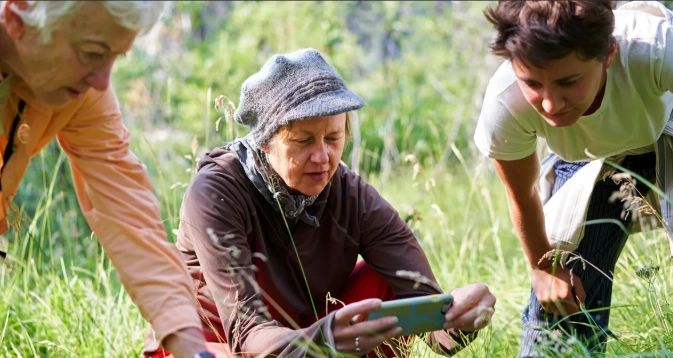
Keeping a Watch Log: From Scribbles to Science
Your notebook is your personal field guide. Here’s what to jot down, but don't make it a chore:
- Date, Time, & Weather: Sunny? 75°F? This data is key, as insect activity is tightly linked to conditions.
- Location: "Backyard, near the rose bush" is perfect.
- Description: Size (use comparisons: "grain of rice," "thumbnail"), color, markings, number of wings, antennae shape.
- Behavior: What was it doing? This is the gold.
- Sketch: Doesn't have to be good. Drawing forces you to see details you'd miss otherwise.
Over time, this log becomes priceless. You'll start to see patterns. "Ah, the soldier beetles always show up on the goldenrod in late August." That connection is the real reward of insect observation.
Leveling Up Your Insect Watching Game
Once you've got the basics down, here are some fun challenges:
- The Backyard Bioblitz: Set a timer for one hour and try to find and identify as many different insects as you can in your yard.
- Focus on a "Bug of the Month": Pick one type, like spiders or ground beetles, and learn everything you can about them for a month.
- Night Shift: Go out with a flashlight (a headlamp frees your hands) and explore the completely different world of nocturnal insects.
- Contribute to Science: Upload your observations to iNaturalist. Your data can help scientists track species distributions and population changes. It makes your hobby part of something bigger.
Insect Watching FAQ: Your Questions, Answered
Getting Connected and Learning More
You're not alone! There are communities of people who love this stuff.
- Look for local nature centers or audubon chapters—many host "bug walks" or insect-related events.
- Join online communities like the subreddit r/Entomology or Facebook groups for insect identification. Be sure to read the rules and always post location info with your photos.
- Check out the educational materials from the Smithsonian National Museum of Natural History's Department of Entomology. Their online resources are a treasure trove of reliable information.