In This Guide
- What Exactly Is a Dianthus, Anyway?
- The Big Decision: Annual, Biennial, or Perennial Dianthus?
- How to Plant Dianthus and Not Regret It
- The Real Deal on Dianthus Care (It's Not Just Watering)
- Choosing Your Dianthus: A No-Hype Rundown of Top Varieties
- Solving the Inevitable Problems: Pests, Diseases, and Ugly Phases
- Designing with Dianthus: Making Them Shine in Your Garden
- Your Dianthus Questions, Answered Honestly
- The Final Word: Is Dianthus Right for Your Garden?
Let's talk about dianthus. You've probably seen them – those cheerful, frilly flowers sitting pretty at the garden center, often labeled as "pinks" or "carnations." Maybe you've bought a pot, enjoyed the blooms, and then... well, then things got fuzzy. Does it come back? Why did it get so leggy? Is it really as easy as they say?
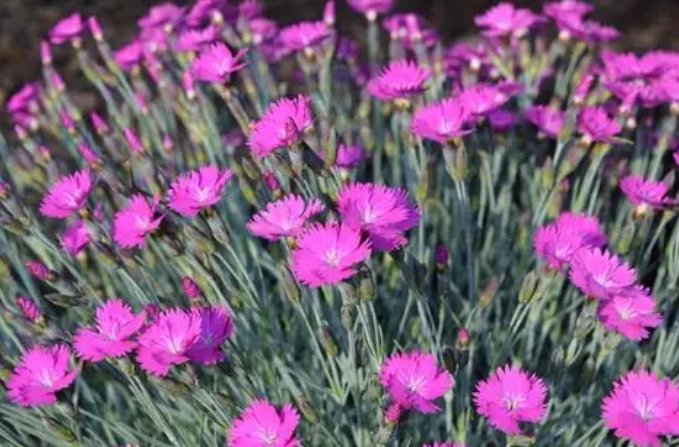
I've been there. I've killed my fair share of dianthus plants, learned from the mistakes (the hard way), and now have borders that are reliably dotted with their color from late spring right into fall. This guide isn't a dry, botanical textbook. It's the chat I wish I'd had with a seasoned gardener before I started. We'll cut through the marketing fluff and get into the real dirt on what makes these plants tick, how to keep them happy for years, and which ones are truly worth your time and money.
What Exactly Is a Dianthus, Anyway?
First things first. Dianthus is a huge genus. We're talking over 300 species. When you hear "dianthus," you might picture the low-growing, mat-forming cottage garden favorite. But your fancy florist bouquet carnation? That's a dianthus too (Dianthus caryophyllus). The giant, showy blooms you see at flower shows? Often a hybrid dianthus. They're all part of the same family, the Caryophyllaceae.
The name itself is a clue. It comes from the Greek words "dios" (divine) and "anthos" (flower). Divine flower. A bit lofty, but when you see a mass of them in full sun, smelling faintly of cloves or cinnamon, you might just agree.
The common thread? Grass-like, usually blue-green foliage. Flowers with five petals, often with a serrated or "pinked" edge (that's where the common name "pinks" comes from, not the color!). And a love for good drainage.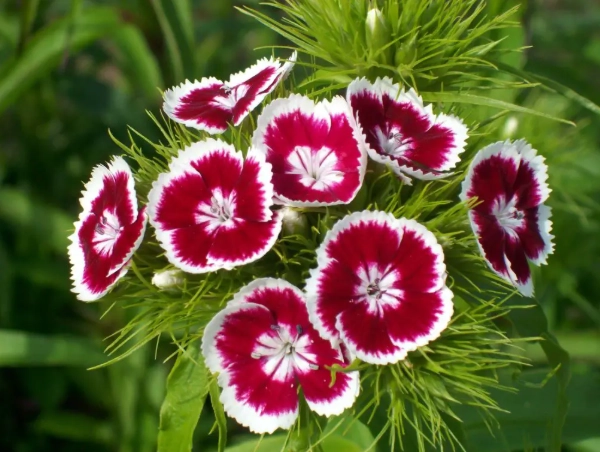
The Big Decision: Annual, Biennial, or Perennial Dianthus?
This is the number one question, and the answer is... it depends. This confusion trips up so many gardeners. The genus contains all three life cycles.
Most of the classic, low-growing garden pinks you see sold in perennial sections are, in fact, short-lived perennials. I say "short-lived" because they often peter out after 2-4 years. But the good news? They often self-seed politely or are easy to propagate, so you can keep them going. True perennials, like Dianthus gratianopolitanus (Cheddar Pink), can form lovely, long-lived mats.
Then you have the biennials, like Sweet William (Dianthus barbatus). They grow foliage the first year, bloom spectacularly the second, and then usually die. But they too self-seed, creating a lovely, ever-renewing colony.
Annual dianthus, often sold as "Chinese Pinks" or in bedding plant mixes, are bred for a single, long season of showy blooms. They won't survive a frost.
How to Plant Dianthus and Not Regret It
Planting is where you set the stage for success or failure. Get this right, and half your work is done.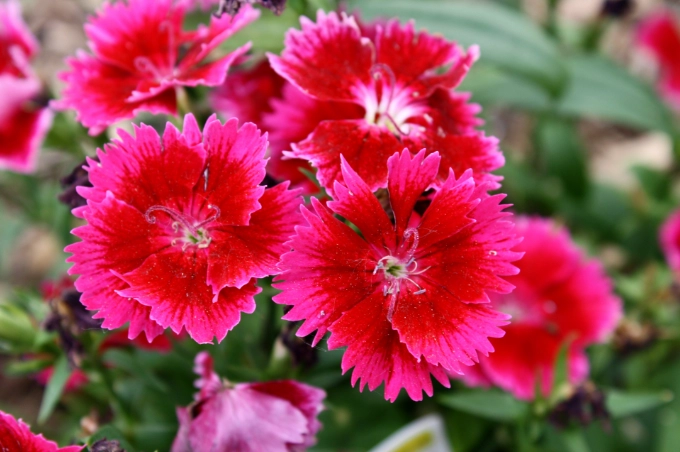
The Non-Negotiable: Sun and Soil
Dianthus needs sun. Full, glorious, at-least-six-hours-a-day sun. I tried some in partial shade once, hoping to brighten a spot. The result was pathetic, floppy growth, few flowers, and a quick demise from mildew. They just sulk without enough light.
Soil is even more critical. Think of their native habitat: often rocky, sandy hillsides in Europe and Asia. They abhors wet feet. Heavy, clay soil that stays soggy is a death sentence. You must have well-draining soil.
If your soil is heavy clay, don't despair. Don't just dig a hole and plop it in, though – that creates a bathtub effect. Instead, amend the entire planting area. Mix in generous amounts of coarse sand, fine gravel, or perlite. Even better, plant them in a raised bed or on a slope. I've had fantastic results simply creating a small mound of gritty, sandy topsoil for each plant. The crown (where the stem meets the roots) should sit slightly above the soil line to prevent rot.
The Planting Steps, Simplified
- Timing: Spring or early fall are best. Fall planting gives roots time to establish before winter.
- Dig: Make a hole twice as wide as the root ball, but no deeper.
- Mix: Combine your native soil with compost and some gritty material (horticultural grit, chicken grit, coarse sand). A handful of bone meal mixed in is a nice slow-release phosphorus boost for roots and flowers.
- Place & Fill: Set the plant so the crown is level with or slightly above the soil surface. Backfill with your mix, firming gently.
- Water & Mulch: Water well. Mulch with a light, inorganic mulch like pea gravel or crushed stone. This keeps the crown dry, reflects heat, and looks fitting. Avoid heavy organic mulch like bark right against the stems.
The Real Deal on Dianthus Care (It's Not Just Watering)
Okay, they're in the ground. Now what? The care for dianthus is refreshingly simple, but a few key moves make all the difference.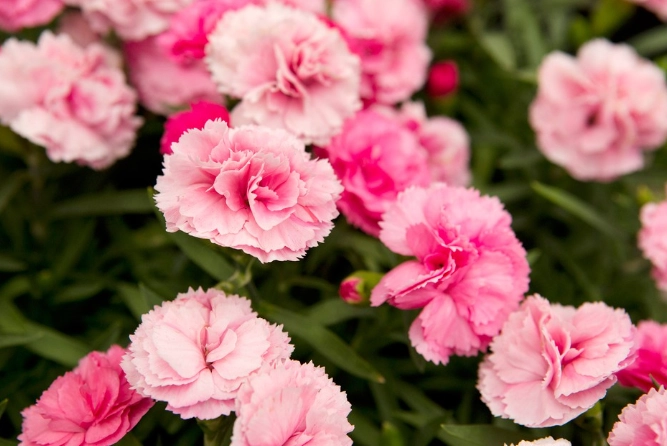
Watering: The Art of Neglect (Almost)
Once established, dianthus are remarkably drought-tolerant. I rarely water mine after the first season, unless we have a severe, month-long drought. Overwatering is the killer. Let the soil dry out between waterings. Stick your finger in the soil. If it's damp an inch down, walk away.
Feeding: Less is More
These aren't heavy feeders. A rich diet leads to lots of soft, weak growth and fewer flowers. I give mine a single feeding in early spring as new growth emerges. A balanced, slow-release organic fertilizer or a light side-dressing of compost is perfect. Some gardeners swear by a light application of lime if their soil is very acidic, as dianthus prefers neutral to slightly alkaline soil.
The Secret to More Blooms: Deadheading
This is the single most effective thing you can do to extend the bloom season. Don't just snap off the dead flower head. Follow the flower stem down to the first set of full, healthy leaves and cut there. This encourages the plant to bush out and send up new flowering shoots. For the mat-forming types, you can use garden shears to give the whole clump a "haircut" after the main flush of blooms is done. It looks brutal for a week, but they bounce back with fresh foliage and often a second, smaller flush of flowers.
Dividing and Propagating
When your perennial dianthus starts to get woody in the center and flower less (after 2-3 years), it's time to divide or take cuttings. The best time is right after flowering or in early fall.
- Division: Dig up the clump. You can often pull apart healthy outer pieces with roots attached with your hands. Replant these vigorous pieces.
- Cuttings: This is my preferred method. In late spring or early summer, take 3-4 inch long non-flowering shoots (called "pipings"). Strip the lower leaves, dip in rooting hormone (optional but helpful), and stick them in a pot of half sand, half potting mix. Keep moist and in bright, indirect light. They root easily.
Choosing Your Dianthus: A No-Hype Rundown of Top Varieties
With so many, how do you choose? Here’s a breakdown of some proven, widely available performers. I've grown most of these, and I'll tell you the straight story.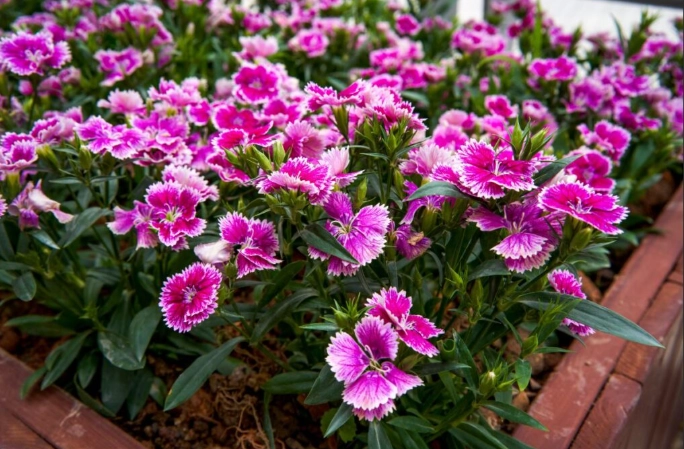
| Variety Name | Type | Height/Spread | Flower Color | Why I Like (or Don't Like) It |
|---|---|---|---|---|
| 'Firewitch' (D. gratianopolitanus) | Perennial | 6" tall, 12" spread | Vivid magenta-pink | The classic. Incredibly reliable, forms a perfect blue-grey mat. Blooms for ages. My top pick for a groundcover. Fragrant. |
| 'Bath's Pink' (D. gratianopolitanus) | Perennial | 8" tall, 18" spread | Soft pink with a dark eye | More graceful and airy than 'Firewitch'. Self-seeds gently. Excellent for softening edges. Very fragrant. |
| Sweet William (D. barbatus) | Biennial/Short-lived Perennial | 12-24" tall | Reds, pinks, whites, bicolors in clusters | Old-fashioned charm. The clustered flowers are stunning. Treat as a biennial that self-sows. Great for cut flowers. |
| 'Feuerhexe' (Fire Witch) | Perennial | Similar to 'Firewitch' | Hot pink | Often confused with 'Firewitch'. Slightly different cultivar but similar performance. Just as good. |
| Cheddar Pinks (D. gratianopolitanus varieties) | Perennial | 6-8" tall | Various pinks | The whole group is tough as nails. Look for 'Spotti', 'Tiny Rubies', etc. Perfect for rock gardens and dry walls. |
| Modern Hybrids (e.g., 'EverLast', 'Jolt') | Often sold as Annuals | 10-14" tall | Electric pinks, purples, reds, white | Bloom machines all summer. Not as cold-hardy or long-lived. Fantastic for containers and seasonal color. Zero fragrance, which I miss. |
A note on fragrance: Many of the older, species-type dianthus have that lovely clove scent. Many modern, large-flowered hybrids have had it bred out. Something to consider if scent is important to you.
Solving the Inevitable Problems: Pests, Diseases, and Ugly Phases
No plant is perfect. Here’s what might go wrong and, more importantly, how to prevent it.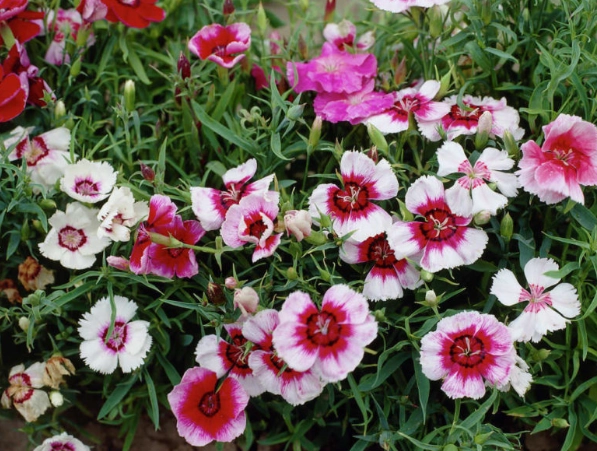
Diseases
- Crown & Stem Rot: The plant collapses, stems are mushy at the base. Cause: Overwatering/poor drainage. Solution: Improve drainage, avoid overhead watering, remove affected plants. Prevention is key.
- Powdery Mildew: White, powdery coating on leaves. Cause: Humid conditions, poor air flow, sometimes shade. Solution: Space plants properly, water at the base, choose resistant varieties. A baking soda spray (1 tsp baking soda, 1 quart water, few drops of soap) can help mild cases.
- Rust: Orange pustules on leaves. Solution: Remove and destroy infected leaves immediately. Ensure good air circulation.
Pests
Honestly, pests are rarely a major issue for me. Slugs and snails might nibble young plants. Aphids can sometimes appear on new growth – a strong spray of water usually dislodges them. Deer and rabbits tend to leave dianthus alone, thanks to the slightly bitter foliage, which is a huge plus in my book.
The Leggy, Woody Center Problem
This isn't a disease; it's the natural aging of the perennial types. The center gets woody and stops producing leaves or flowers, while the outer edges remain green. Solution: Don't wait until it's a complete donut. Every 2-3 years, either take cuttings from the healthy outer parts in early summer, or dig up the plant after flowering, cut away and discard the dead center, and replant the vigorous outer sections. This is just part of the maintenance cycle.
Designing with Dianthus: Making Them Shine in Your Garden
Dianthus isn't just a plant; it's a design tool. Here’s how to use it.
- Edge of the Border: The classic use. A row of low-growing 'Firewitch' along a sunny path is unbeatable. It defines the space with color and neat foliage.
- Rock Gardens & Dry Walls: This is where they feel most at home. The excellent drainage and reflected heat make them thrive. They spill beautifully over rocks.
- Containers: Fantastic! Use a very gritty, well-draining potting mix. Combine with other sun-lovers that also like it on the dry side: sedums, creeping thyme, lavender, or silver-leaved plants like dusty miller. The annual dianthus hybrids are bred specifically for pots.
- Companion Plants: They play well with others that like similar conditions. Think lavender, salvia, nepeta, ornamental grasses, sedum, and bearded iris. The blue-grey foliage contrasts beautifully with green or silver leaves.
What about cut flowers? Absolutely. Sweet William is a classic cottage garden cut flower. Many of the larger-flowered perennial and annual types also hold up well in a vase. Cut them when the flowers are just beginning to open. Their light fragrance is a bonus indoors.
Your Dianthus Questions, Answered Honestly
The Final Word: Is Dianthus Right for Your Garden?
Look, dianthus isn't a "plant it and forget it for 20 years" shrub. It requires a specific set of conditions and a bit of periodic attention. If you have heavy, waterlogged clay and deep shade, you'll be fighting a losing battle. Save yourself the heartache.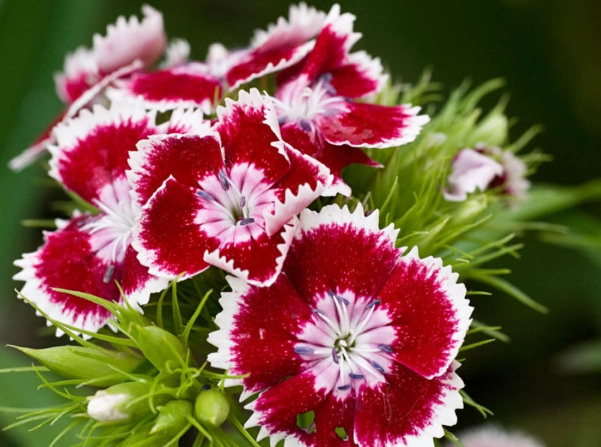
But if you have a sunny spot with decent to good drainage—or you're willing to create one—then dianthus is one of the most rewarding plants you can grow. It offers months of color, wonderful texture, delightful fragrance (from the right types), and a tough, drought-resistant nature once established. It's a connector plant, perfect for the front of borders, that works with almost any garden style from formal to cottage to xeriscape.
Start with a proven performer like 'Firewitch' or a pot of Sweet William seeds. Get the planting right—sun, gritty soil, high crown. Then enjoy the show. A little deadheading, the occasional haircut or propagation, and you'll have divine flowers for years to come. And honestly, that's a pretty good deal.
For further reading on plant taxonomy and detailed botanical profiles, universities like the Missouri Botanical Garden's Plant Finder is an authoritative source you can trust for verifying plant names and characteristics. Your local university's cooperative extension service (e.g., North Carolina State Extension) is also a goldmine for region-specific, science-based gardening advice.