Quick Navigation
You've probably seen them everywhere. Florist shops, supermarket bouquets, maybe even in your grandmother's garden. Those ruffly, fragrant flowers that somehow look both fancy and familiar. That's Dianthus caryophyllus for you, better known as the carnation. But here's the thing – most people only know them as cut flowers. They have no idea how satisfying it is to grow these beauties yourself, to have that clove-like scent wafting from your own backyard. I used to be one of those people, until I killed my first potted carnation from the grocery store (overwatering, classic beginner mistake). That failure got me curious. What does this plant really need?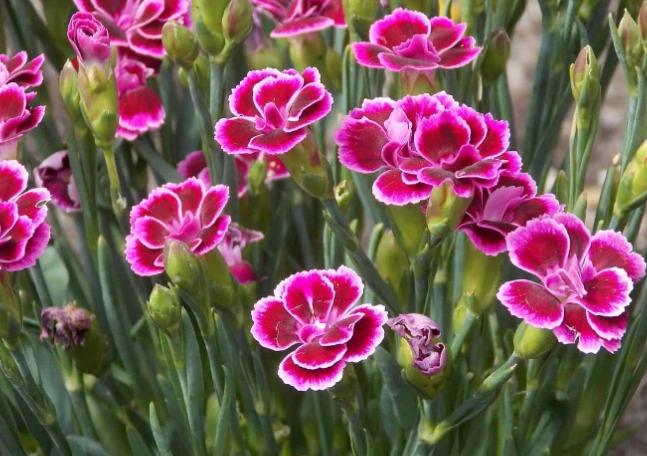
Turns out, Dianthus caryophyllus is more than just a pretty face in a vase. It's a plant with a crazy long history, a symbol of everything from love to rebellion, and with the right know-how, it's not that hard to grow. This guide is everything I wish I'd known back then. We're going to ditch the generic advice and get into the nitty-gritty of what makes carnations tick, how to keep them happy for years, and answer all those random questions that pop up when you're elbow-deep in soil.
What Exactly Is Dianthus Caryophyllus?
Let's clear up the name first. Dianthus caryophyllus is the proper, scientific Latin name. It's a member of the huge Caryophyllaceae family, which includes a bunch of other cool plants like baby's breath. The common name "carnation" is what everyone uses. But then you also hear "clove pink" because of its scent. It's all the same plant, just different labels.
This plant is native to the Mediterranean region. Think rocky, well-drained hillsides in Greece or Spain. That origin story is your first major clue about how to care for it – it hates wet feet. It's a perennial in warmer climates (USDA zones 5-9, depending on the type), but many people grow them as annuals or in pots they can protect over winter.
The flowers are what steal the show. Each bloom has a bunch of petals that look like they've been carefully ruffled by hand. The edges are often serrated, giving them that distinctive frilly look. And the colors? Classic is a vibrant pink or red, but centuries of breeding have given us whites, yellows, oranges, purples, and even striped and speckled varieties. The fragrance is spicy and sweet, reminiscent of cloves – it's strongest in the older, original varieties, less so in some modern hybrids bred purely for size and color.
Why bother growing them instead of just buying a bunch? For one, the satisfaction. A homegrown carnation has a vibrancy store-bought ones often lose. Two, you can grow unique varieties you'll never find in a shop. And three, as a perennial, it can come back year after year, becoming a long-term friend in your garden.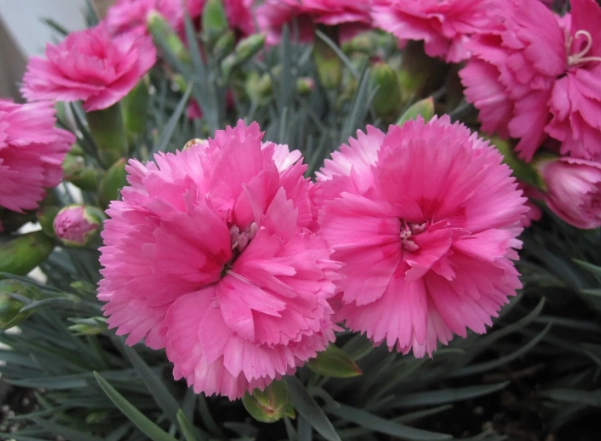
The Main Types of Carnations: It's Not One-Size-Fits-All
This is where things get interesting. Not all Dianthus caryophyllus are created equal. They've been bred into different groups for different purposes. Knowing which one you have (or which one you want) makes all the difference.
| Type | What It Is | Best For | My Take |
|---|---|---|---|
| Border Carnations | The classic garden type. Stout stems, one large flower per stem, incredible fragrance. Grows in clumps. | Garden borders, cutting for home vases. | My personal favorite. The smell is unbeatable, and they have a sturdy, old-fashioned charm. Can be fussier about perfect drainage. |
| Perpetual-Flowering Carnations | The florist's workhorse. Tall, straight stems, large flowers, bred to bloom almost year-round in greenhouses. | Commercial cut flower production. | Impressive but can be leggy in a home garden. They often need staking. The fragrance is usually sacrificed for stem length and vase life. |
| Spray Carnations (Mini Carnations) | Each stem produces a cluster of smaller, adorable flowers. Very productive and long-blooming. | Container gardening, edging, mass planting, casual bouquets. | Incredibly rewarding for beginners. They just keep pumping out flowers and are more forgiving than the border types. A great "gateway" carnation. |
| Dwarf Varieties | Compact, mounding plants perfect for the front of a border or pots. | Rock gardens, patio containers, window boxes. | Perfect if you're short on space. They pack all the classic carnation look into a tiny package. |
See what I mean? If you plant a perpetual-flowering type expecting a compact border plant, you'll be disappointed. Most home gardeners will have the best luck with border or spray carnations.
How to Grow Dianthus Caryophyllus: The Real-World Guide
Forget the vague "plant in well-drained soil" line. Let's get specific. I've learned this through trial and (lots of) error.
Sunlight and Location: Non-Negotiables
Carnations are sun worshippers. They need a minimum of 6 hours of direct, unfiltered sunlight. More is better. Morning sun is great, but they'll take all-day sun if you keep them watered. In partial shade, they get leggy, flop over, and produce few, pathetic flowers. It's just not worth it. Pick your sunniest spot.
Soil: This is the Most Important Part
Here's where I failed initially. Garden soil, even decent stuff, often holds too much moisture for these Mediterranean natives. Dianthus caryophyllus roots will rot in soggy conditions, especially over winter.
You need soil that drains so fast it's almost comical. Sandy or gritty loam is ideal. If you have heavy clay soil, you have two options:
- Raised Beds: The best solution. Fill them with a mix of 50% topsoil, 30% coarse sand or fine grit, and 20% compost.
- Amend the Heck Out of It: Dig a hole twice as wide as the root ball and mix in a huge amount of horticultural grit, perlite, or coarse sand. I'm talking a 50/50 mix of native soil and amendment.
They also prefer slightly alkaline to neutral soil (pH 6.5-7.5). If your soil is very acidic, a light dusting of garden lime in the fall can help.
Watering: The Art of Neglect (Almost)
This was my hardest lesson. Carnations are drought-tolerant once established. They want a good drink, then for the soil to dry out almost completely before the next one. Stick your finger in the soil up to the second knuckle. If it's dry, water. If it's damp, wait.
Overwatering is the #1 killer.
Water at the base of the plant, not overhead. Wet foliage, especially overnight, invites fungal diseases. A soaker hose or drip irrigation is perfect. In pots, water until it runs freely out the drainage holes, then don't water again until dry.
Feeding: Less is More
They aren't heavy feeders. Too much nitrogen, and you'll get a bushy green plant with no flowers. I use a balanced, slow-release fertilizer (like a 10-10-10) worked into the soil at planting time in spring. Then, I give them a light feed with a fertilizer higher in potassium (the third number, like 5-10-10) when they start forming buds. That's it. Potassium promotes stronger stems and better flowering.
Keeping Them Healthy and Blooming
You've got them planted and alive. Now, how do you get that spectacular show?
Deadheading: The Secret to More Flowers
This is non-negotiable. As soon as a flower fades, snip it off. Don't just pull the petals; cut the entire spent flower stem back to a set of leaves or a side shoot. This tells the plant "Hey, that one didn't work, try again!" and it redirects energy into making new blooms. For spray carnations, you can often snip off the whole cluster once most flowers are done.
Regular deadheading extends the blooming season from late spring right into fall for many varieties.
Pests and Problems: What to Actually Look For
They're pretty tough, but not invincible.
- Aphids: The usual suspects. They love new growth. A strong blast of water from the hose usually knocks them off. For bad infestations, insecticidal soap works.
- Spider Mites: A problem in hot, dry weather. Leaves look stippled and dusty. Again, spraying with water (especially under the leaves) disrupts them.
- Rust & Fungal Diseases: This is the big one, usually caused by poor air circulation and wet leaves. You'll see orange pustules (rust) or grey mold. Prevention is key: space plants properly, water at the base, and avoid overhead watering. Remove and destroy affected leaves immediately. Good air flow is your best defense.
Honestly, I find that a healthy, well-sited Dianthus caryophyllus in the right soil has very few issues. Most problems stem from stress caused by poor conditions.
Winter Care: Will It Come Back?
This depends on your zone and the type. In zones 7-9, border carnations often survive winter just fine if the soil is well-drained. Wet winter soil is a death sentence. In colder zones (5-6), a thick mulch of straw or shredded leaves after the ground freezes can help. Or, you can grow them in pots and move the pots to an unheated garage or cold frame.
Perpetual types are often treated as annuals in colder climates. Don't be afraid to experiment. I've had a 'Grenadin' border carnation come back reliably in my zone 6b garden for four years now, but only because it's planted on a slight slope that never gets soggy.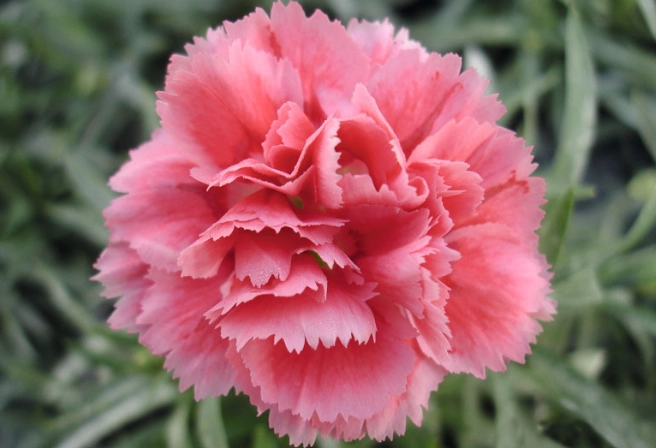
Frequently Asked Questions (The Stuff You Actually Search For)
Where to Find Good Information and Plants
Don't just buy the first plant you see. Seek out quality.
- Specialist Nurseries: Look for online or mail-order nurseries that specialize in perennials or cottage garden plants. They often carry heirloom and superior varieties of Dianthus caryophyllus that you won't find at a big box store. I've had great luck with nurseries that list the specific cultivar and type.
- Botanical Gardens & Arboreta: Their plant sales are goldmines for unique and well-adapted plants. The Royal Horticultural Society (RHS) in the UK has excellent, detailed cultivation advice that's applicable in many climates.
- University Extension Services: For science-backed, localized advice, your local state university's cooperative extension service is unbeatable. They have fact sheets on growing flowers tailored to your specific region's challenges. A quick web search for "[Your State] university extension carnations" will yield great results.
Growing Dianthus caryophyllus is a bit of a commitment to getting the details right. It's not a "plant it and forget it" flower. But when you do get it right – when you step outside and smell that spicy fragrance coming from flowers you nurtured from a small plant – it feels like a real accomplishment. It connects you to centuries of gardening history. Start with a tough spray carnation in a pot with gritty soil, nail the watering, and enjoy the blooms. You might just get hooked.
And if you fail? Don't sweat it. I've composted my share of failed carnations. Each one taught me something. Just adjust one variable at a time (probably the soil or the watering) and try again. The plant is worth the effort.