Let's be honest. When you first think about adding plants to your garden, ornamental grasses probably aren't at the top of your list. You might picture flowers, shrubs, maybe a small tree. But after twenty years of designing gardens and watching trends come and go, I've come to see ornamental grasses as the secret weapon of a truly great landscape. They're the plants that add the whisper when everything else is shouting. They provide structure in winter when the rest of the garden has gone to sleep. And for the amount of visual impact they deliver, they ask for shockingly little in return.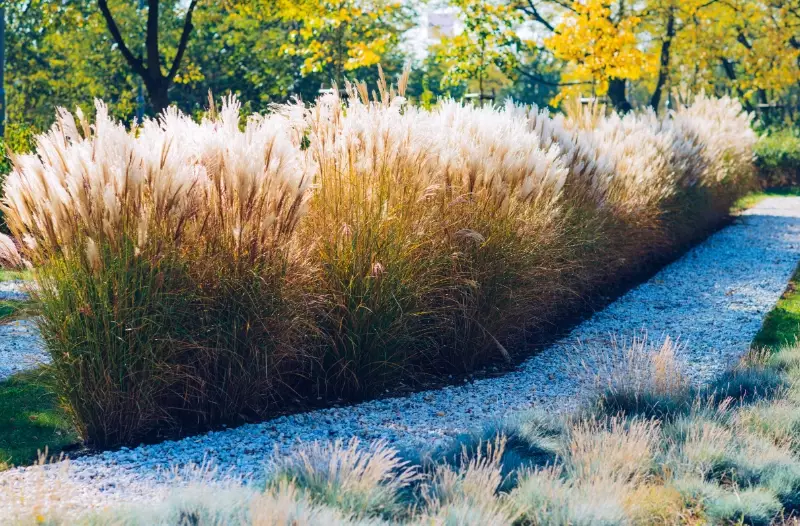
This isn't just about plopping a clump of fountain grass by your mailbox and calling it a day. Using ornamental grasses well requires a shift in thinking. You're not just planting a "thing"; you're introducing movement, texture, and a specific kind of wild, graceful architecture. Get it right, and your garden gains a four-season backbone. Get it wrong, and you might end up with an invasive monster or a sad, flopping mess.
What You'll Find in This Guide
How to Choose the Right Ornamental Grass for Your Garden
The biggest mistake I see? People buy a grass because it looks pretty at the nursery, without considering three non-negotiable factors: your climate, the space you have, and the look you want. A grass that's a well-behaved clump in a dry, hot zone might become a rampant spreader in a cooler, wetter one.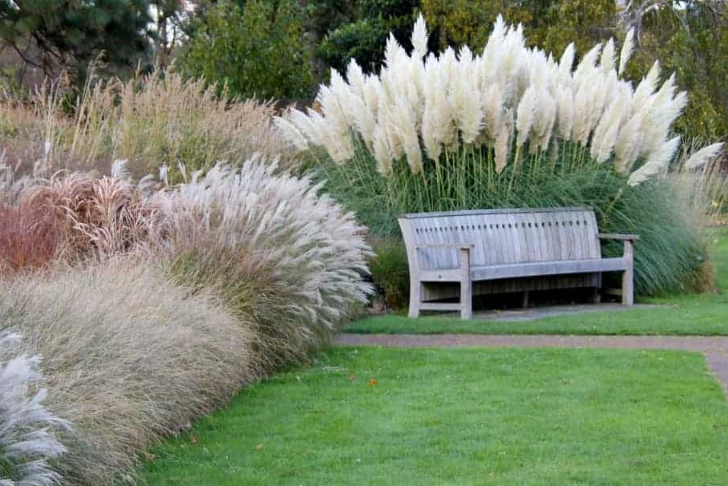
Consider Your Climate and Hardiness Zone
This is rule number one. Check the USDA Plant Hardiness Zone (or your regional equivalent) for any grass you're considering. A grass labeled for zones 5-9 will struggle or die in zone 4, and a zone 8-11 grass will be an annual in colder areas. Resources like the Missouri Botanical Garden's Plant Finder are invaluable for this. Don't guess.
Choose by Size and Habit: Clumpers vs. Runners
This is the most critical distinction for long-term happiness.
- Clump-Forming Grasses: These are your low-maintenance best friends. They grow in neat, expanding tufts. Examples include most Fountain Grasses (Pennisetum), Switch Grasses (Panicum virgatum), and Blue Fescue (Festuca glauca). They stay where you put them.
- Running/Spreading Grasses: These spread by underground rhizomes and can be aggressive. They're fantastic for stabilizing slopes or creating a large, naturalized meadow look, but they will try to colonize your flower beds. Ribbon Grass (Phalaris arundinacea) is a classic, often regrettable, example. Always plant these with a root barrier or in a container if space is limited.
Match the Grass to Your Garden's Conditions
Sun exposure and soil type matter immensely. Here’s a quick-reference table to cut through the confusion: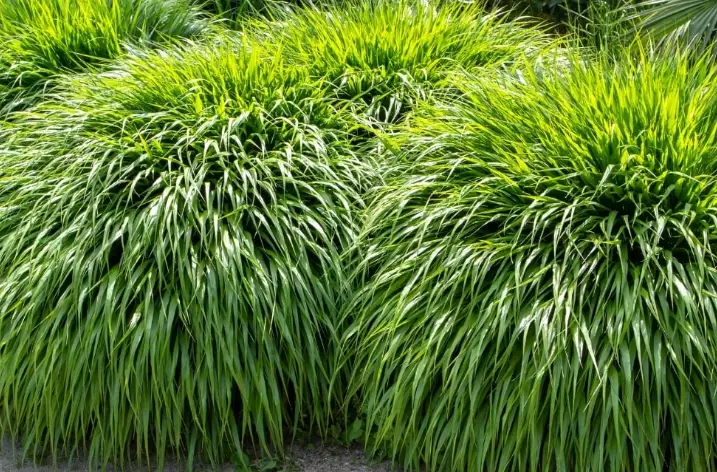
| Grass Type (Example) | Best For Sun | Soil Preference | Mature Height | Key Feature |
|---|---|---|---|---|
| Blue Oat Grass (Helictotrichon sempervirens) | Full Sun | Well-drained, even poor soil | 2-3 ft | Stiff, stunning blue-gray foliage; very drought tolerant. |
| ‘Karl Foerster’ Feather Reed Grass (Calamagrostis) | Sun to Part Shade | Adaptable, tolerates clay | 4-5 ft | Upright, narrow habit; early plumes; stellar for vertical lines. |
| Japanese Forest Grass (Hakonechloa macra) | Part to Full Shade | Moist, rich, well-drained | 1-2 ft | Cascading, golden or variegated foliage; adds light to dark corners. |
| Prairie Dropseed (Sporobolus heterolepis) | Full Sun | Dry to medium, well-drained | 2-3 ft | Fine-textured mound; smells like coriander when brushed; superb fall color. |
See how specific that is? "Full sun" isn't enough. 'Karl Foerster' can handle a bit of afternoon shade, but Blue Oat Grass will get floppy and sad without a full baking. Japanese Forest Grass will scorch in direct afternoon sun.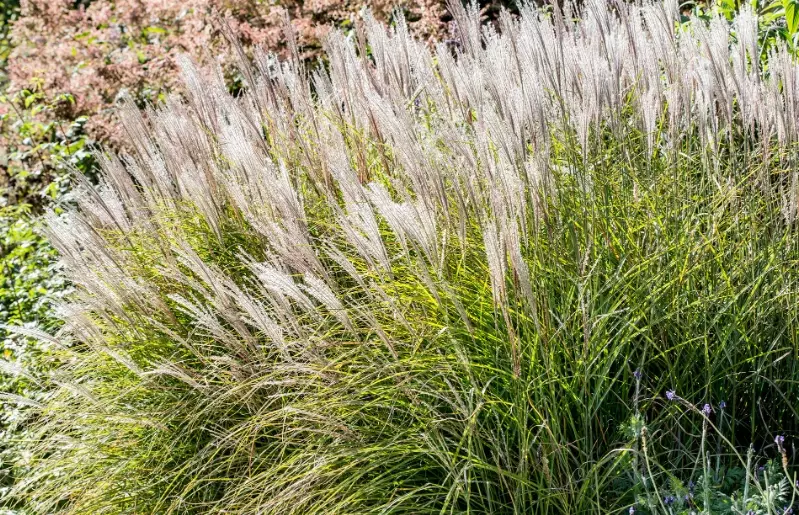
Planting and Initial Care: Getting Your Grasses Off to a Strong Start
Planting is straightforward, but a few nuanced steps make all the difference between a grass that survives and one that thrives.
Timing is everything. The absolute best time to plant is in the spring or early fall. This gives the root system time to establish before the stress of summer heat or winter freeze. Avoid midsummer planting unless you're committed to daily watering.
The hole matters. Dig a hole twice as wide as the root ball, but no deeper. You want the crown (where the stems meet the roots) to sit level with or just slightly above the surrounding soil. Amending the backfill with a bit of compost is fine, but don't create a "bathtub" effect of rich soil in a clay pit—water will pool there.
Watering strategy. Water deeply immediately after planting. Then, for the first growing season, water regularly—think a deep soak once or twice a week, depending on heat and rain. The goal is to encourage roots to go deep. After the first year, most grasses are remarkably drought-tolerant. That ‘low maintenance’ label starts here.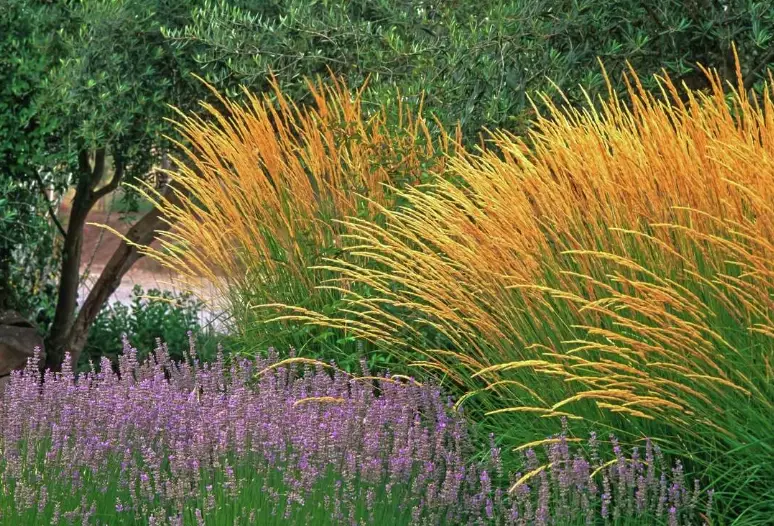
A note from the trenches: I see more grasses killed by overwatering (especially in heavy soil) than underwatering after establishment. They hate "wet feet." If your soil is clay, you must ensure drainage. If puddles form and stay after rain, consider raising the planting area or choosing a grass like Switchgrass that tolerates heavier, occasionally wet soils.
The Year-Round Care Calendar for Ornamental Grasses
This is where the magic of low maintenance really shines. The work is concentrated in one or two key moments.
Late Winter / Early Spring: The Big Chop
This is the main event. Do not cut your grasses down in the fall. I repeat, do not. Those brown stems and seed heads provide crucial winter interest, catch snow beautifully for insulation, and offer habitat for beneficial insects. The subtle rustling sound on a windy January day is worth the wait.
Cut them down in late winter, just before new green growth starts to emerge from the base. For most areas, this is late February to early April. Use sharp hedge shears, pruners, or even a string trimmer for large clumps. Cut the entire plant back to within 4-6 inches of the ground. It looks brutal, but the fresh green shoots will appear in weeks.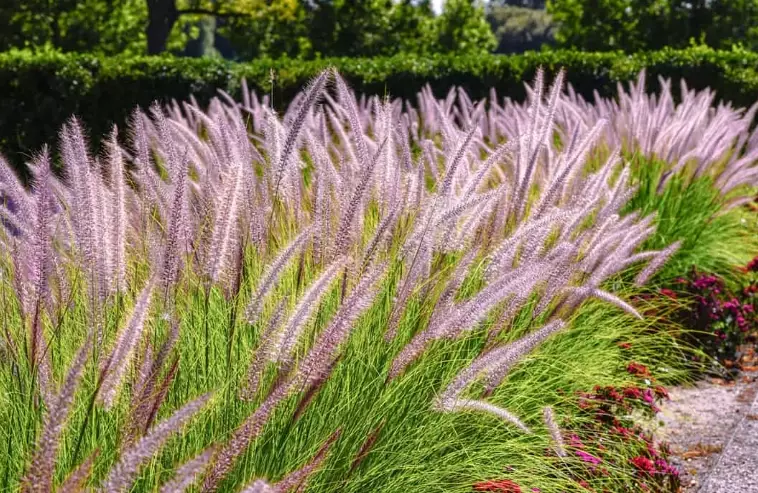
Spring & Summer: Mostly Hands-Off
Aside from occasional watering for new plants, let them grow. Some taller grasses might benefit from a light, unobtrusive ring of peony hoops if they tend to splay open after heavy rain, but it's often better to choose a variety that naturally stands up well.
Fall: Enjoy the Show
This is their season. Plumes develop, foliage colors change to golds, reds, and coppers. Do nothing but admire.
Design Mastery: Using Grasses Like a Pro
Thinking in terms of texture, movement, and structure will transform how you use grasses.
Create Layers and Screens. Use tall grasses like Giant Miscanthus (Miscanthus sinensis 'Gracillimus') or 'Northwind' Switch Grass as a living screen to hide a utility area or create a private nook. They're more permeable and interesting than a fence.
Soften Hardscapes. Plant a flowing grass like Mexican Feather Grass (Nassella tenuissima, in warm zones) or a low fountain grass along the edge of a patio or walkway. It breaks up straight lines and feels inviting.
The Matrix Planting. This is a more advanced, naturalistic technique. Plant a single, strong grass species (like Prairie Dropseed) in repeated drifts through a perennial bed. It unifies the planting and provides a consistent textural foil for flowering plants. The Piet Oudolf gardens, like New York's High Line, are masterclasses in this approach.
Container Brilliance. Ornamental grasses are fantastic in pots. They add height and drama that spills over the edges. Combine a upright grass with trailing plants and a central thriller flower. Just ensure the pot is large enough and has excellent drainage.
Troubleshooting & Your Questions Answered
My ornamental grass is dying in the center of the clump. What's wrong?
This is almost always a sign that the clump is old and needs dividing. Grasses grow outward from the center, and over 3-5 years, the central core can become woody and die back. The fix is simple: in early spring, when you cut it back, dig up the entire clump. Use a sharp spade or even an old saw to cut it into smaller, healthy sections. Replant a section, give away the others, and you've rejuvenated the plant.
What's a good ornamental grass for a small patio or balcony that won't get huge?
Focus on compact, clump-forming varieties. Blue Fescue is a classic small blue tuft. 'Little Bunny' Fountain Grass (Pennisetum alopecuroides) stays under 2 feet. For shade, the dwarf cultivar of Japanese Forest Grass, 'Hakonechloa macra 'All Gold'', is stunning in a pot. The key is checking the mature height on the label and believing it.
I've heard some ornamental grasses are invasive. How do I avoid planting a problem?
This is a vital question. First, stick to clump-forming types for general landscaping. Second, be aware of species that are invasive in your specific region. For example, some Miscanthus cultivars are considered invasive in parts of the eastern US. Check with your local university extension service—they publish lists of invasive plants to avoid. When in doubt, choose a native grass like Little Bluestem (Schizachyrium scoparium) or Switchgrass; they're adapted to your area and support local ecology.
Is it okay to leave the trimmed grass stems as mulch around the plant?
You can, but I don't recommend it. Those hollow stems can mat down and create a soggy, moldy layer that smothers the new growth and invites pests. It's better to compost the cuttings (they break down slowly) or use them as loose, airy mulch in other parts of the garden. For mulch right around the grass crown, use a thin layer of shredded bark or compost.
My grass flopped over after a heavy rainstorm. Can I fix it?
Once a tall grass flops, it usually stays flopped for the season. You can try to gently lift and tie it, but it often looks obvious. Prevention is key: choose varieties known for strong stems ('Karl Foerster' is famous for this), ensure they get enough sun (less sun = weaker, lankier growth), and avoid over-fertilizing with nitrogen, which promotes soft, fast growth. If it's a chronic issue, consider staking it discreetly early in the season or planting something shorter in that spot next year.
Ornamental grasses aren't a trend; they're a timeless design tool. They ask for one weekend of work in spring for a year of dynamic beauty. They bridge the gap between formal garden and natural meadow. Start with one clump of something easy, like a Switch Grass or Fountain Grass. Watch how it moves in the wind, how the light catches its seed heads in the afternoon. You might just find, like I did, that your garden feels incomplete without them.