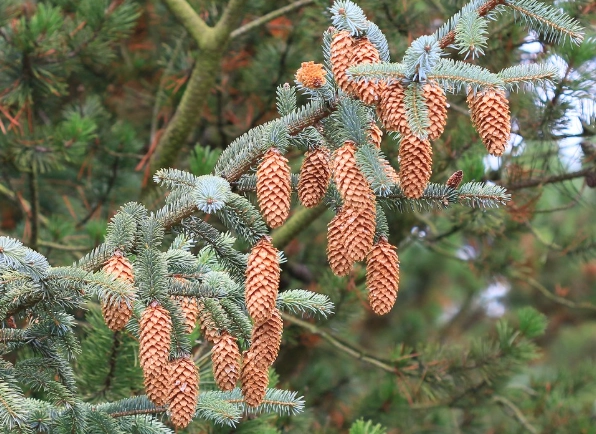
Picea trees, what most folks call spruce, are those classic evergreens you see in forests and gardens. They're tough, beautiful, and can live for centuries if you get the basics right. I've been growing them for over ten years, and let me tell you, it's not just about digging a hole and hoping for the best. This guide cuts through the noise to give you the real deal on picea care.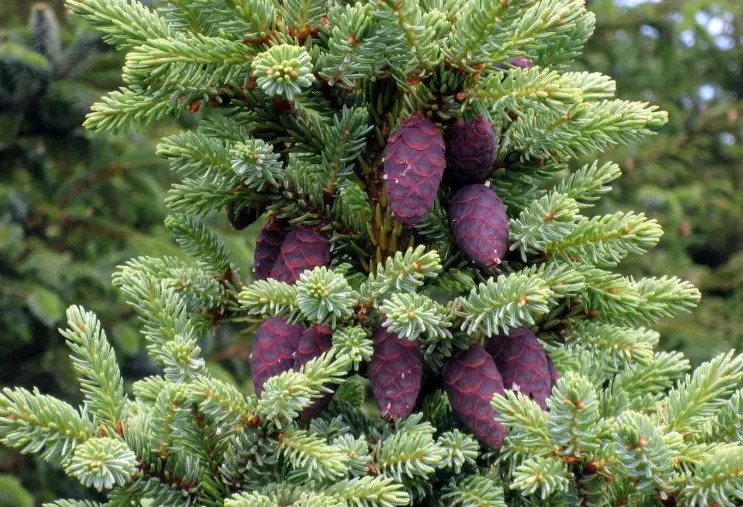
Jump to What You Need
What is Picea? The Spruce Genus Explained
Picea is the scientific name for spruce trees. They're conifers, meaning they have cones and needle-like leaves. You'll find them across the Northern Hemisphere, from cold boreal forests to mountain slopes. The United States Department of Agriculture lists over 30 species, each with its own quirks.
Why grow picea? They're evergreen, so they provide year-round color and structure. They're also great for wildlife – birds love nesting in them. But here's a thing many beginners miss: not all spruces are the same. Some grow fast and tall, others stay compact. Picking the wrong one can lead to headaches down the line.
I remember visiting a friend who planted a Norway spruce in a small urban yard. It looked fine for a few years, then it started crowding out everything else. He had to remove it, which was a waste of time and money. Lesson learned: know your species before you plant.
Choosing the Right Picea Species for Your Garden
This is where most people go wrong. They see a pretty blue spruce at the nursery and buy it without thinking about their space. Let's break it down with a table comparing common picea species.
| Species (Scientific Name) | Common Name | Mature Height | Hardiness Zones | Best For |
|---|---|---|---|---|
| Picea abies | Norway Spruce | 40-60 ft | 3-7 | Large landscapes, windbreaks |
| Picea glauca | White Spruce | 40-60 ft | 2-6 | Cold climates, screening |
| Picea pungens | Blue Spruce | 30-50 ft | 2-7 | Ornamental focus, dry areas |
| Picea omorika | Serbian Spruce | 50-60 ft | 4-7 | Narrow spaces, urban gardens |
| Picea mariana | Black Spruce | 20-30 ft | 2-5 | Wet soils, boggy areas |
Hardiness zones refer to the USDA Plant Hardiness Zone Map, which helps you know what grows where. Check your zone before buying.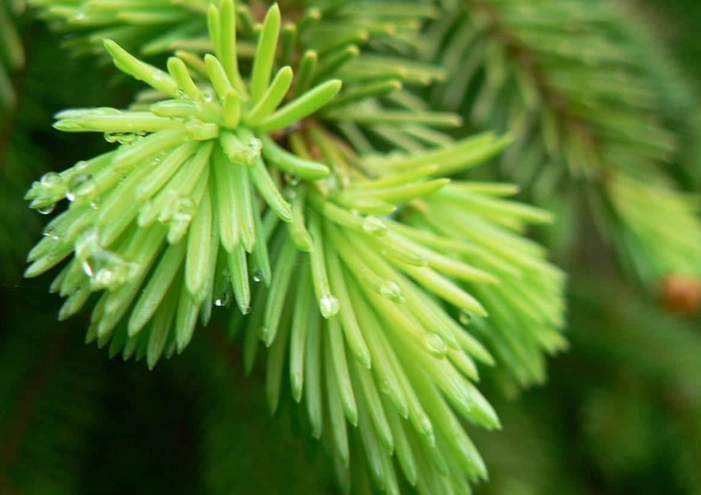
Blue spruces get a lot of hype for their silvery-blue needles, but they have a downside. In humid regions, they're prone to fungal diseases like needle cast. I've seen many turn brown and lose needles after a wet summer. If you live in a place like the Pacific Northwest, you might want to skip them or be ready for extra care.
For small gardens, Serbian spruce is a winner. It has a slender shape that doesn't spread too much. I planted one in my backyard five years ago, and it's been low-maintenance and stunning.
Step-by-Step Guide to Planting Picea Trees
Planting is the make-or-break moment. Do it right, and your tree will thrive for decades. Mess it up, and you'll be dealing with stunted growth or even death. Here's my tried-and-true method, based on years of trial and error.
When to Plant
Early spring or early fall. Avoid summer heat and winter frost. In spring, wait until the soil is workable – not too wet, not too dry. Fall planting gives roots time to establish before winter, but do it at least 6 weeks before the first hard freeze.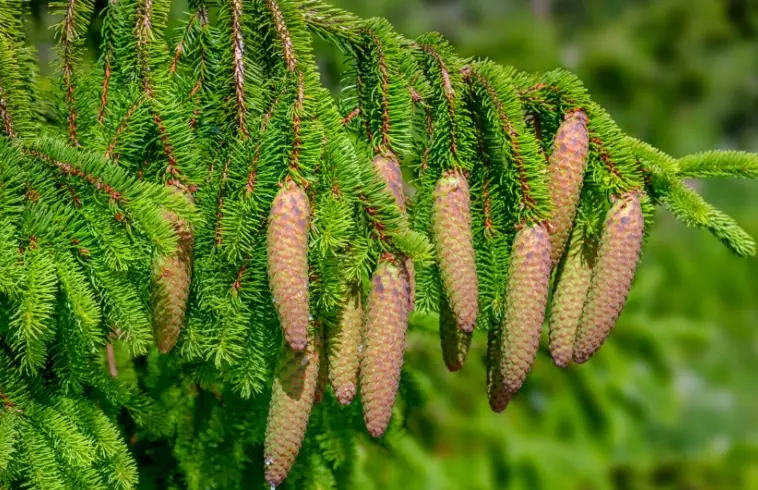
Site Selection
Spruces need full sun. At least 6 hours of direct sunlight daily. They can tolerate partial shade, but growth will be slower, and they might get leggy. Ensure the site has well-drained soil. Spruces hate wet feet. If your soil is clay-heavy, you'll need to amend it.
Space matters. Check the mature width of your species and plant accordingly. A common mistake is planting too close to buildings or other trees. I once saw a Norway spruce planted 10 feet from a house; its roots eventually cracked the foundation. Give it room.
Soil Preparation
Test your soil pH. Spruces prefer slightly acidic to neutral soil, around 6.0 to 7.0. You can get a kit from a garden center. If the pH is off, adjust it with sulfur or lime as needed.
Dig a hole twice as wide as the root ball but no deeper. The top of the root ball should be level with or slightly above the soil surface. Planting too deep is a silent killer – it suffocates the roots. Add organic matter like compost to the backfill, but don't overdo it. Too much can create a "pot effect" where roots don't spread.
Planting Process
Gently remove the tree from its container. Tease out any circling roots – if they're bound, they'll keep growing in circles and never anchor properly. Place the tree in the hole, backfill with soil, and water thoroughly. Mulch around the base with 2-3 inches of wood chips, but keep mulch away from the trunk to prevent rot.
Essential Picea Care: Watering, Fertilizing, and Pruning
Once planted, picea trees aren't too demanding, but they do need consistent care, especially in the first few years.
Watering
Newly planted spruces need regular watering. For the first year, water deeply once a week if there's no rain. Deep watering means soaking the soil to a depth of 12 inches. Use a soaker hose or drip irrigation to avoid wetting the foliage, which can lead to disease.
After establishment, most spruces are drought-tolerant, but they'll look better with occasional deep watering during dry spells. Overwatering is worse than underwatering. Soggy soil causes root rot. Check soil moisture by sticking your finger in – if it's damp 2 inches down, hold off.
Fertilizing
Spruces don't need much fertilizer. In fact, over-fertilizing can cause rapid, weak growth. Apply a balanced, slow-release fertilizer in early spring if your soil is poor. I use a 10-10-10 formula at half the recommended rate. According to the Royal Horticultural Society, evergreen trees benefit from a light feeding to maintain needle color.
If your tree is growing well and has dark green needles, skip the fertilizer. More isn't always better.
Pruning
Pruning is where I see the most confusion. Spruces don't need heavy pruning. Remove dead, damaged, or diseased branches anytime. For shaping, do light pruning in late winter or early spring before new growth starts.
Never cut the top off a spruce unless you're okay with it looking weird. They have a central leader, and topping can ruin their natural shape. If you need to control height, choose a dwarf variety from the start.
Common Picea Problems and How to Solve Them
Even with good care, spruces can run into issues. Here are the big ones and how to handle them.
Needle Discoloration: If needles turn yellow or brown, it could be due to drought, poor drainage, or pests. Check soil moisture first. If it's wet, improve drainage by adding sand or organic matter. If dry, water deeply. Spider mites are a common pest – look for fine webbing. Spray with insecticidal soap.
Fungal Diseases: Needle cast and rust are common. Symptoms include browning needles and orange spots. Improve air circulation by thinning crowded branches. Remove and destroy infected needles. Fungicides can help, but prevention is key – avoid overhead watering.
Animal Damage: Deer and rabbits love nibbling on young spruce bark. Use tree guards or repellents. I've had success with homemade sprays of garlic and water.
Environmental Stress: Spruces can suffer from winter burn if exposed to harsh winds and sun. Anti-desiccant sprays can help, but planting in a sheltered spot is better.
One non-obvious problem: planting near black walnut trees. They release juglone, a chemical that can stunt spruce growth. I learned this the hard way when a client's spruce kept dying – turns out, there was a walnut tree nearby.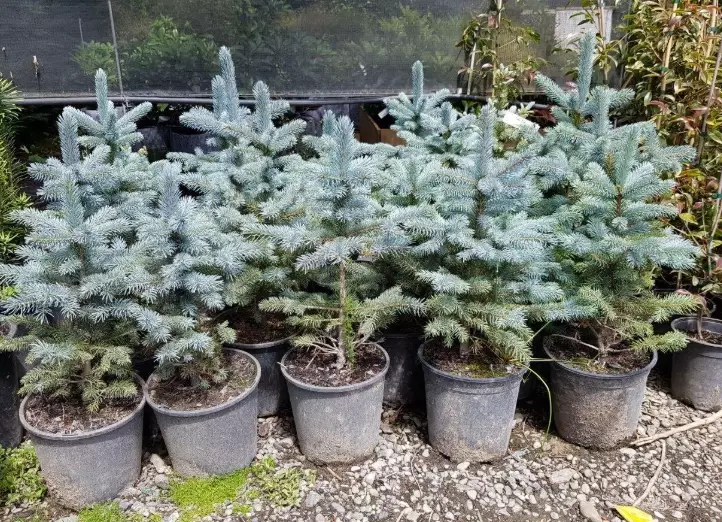
FAQ: Your Picea Questions Answered