Let's be honest. Gardenias are stunning, but they have a reputation for being fussy. You bring home this gorgeous plant, envisioning glossy green leaves and intoxicatingly fragrant white blooms. A few weeks later, you're staring at yellow leaves, dropped buds, and a sense of horticultural failure. I've been there. After killing my fair share and finally figuring them out over a decade, I'm here to cut through the generic advice. This isn't about making gardenias "easy"—it's about understanding their specific, non-negotiable needs so you can work with them, not against them.
What You'll Find in This Guide
The Three Non-Negotiables for Gardenia Health
Forget everything else for a second. If you don't get these three things right, nothing else matters. Gardenias are acid-loving plants, and this isn't a mild preference—it's a physiological requirement.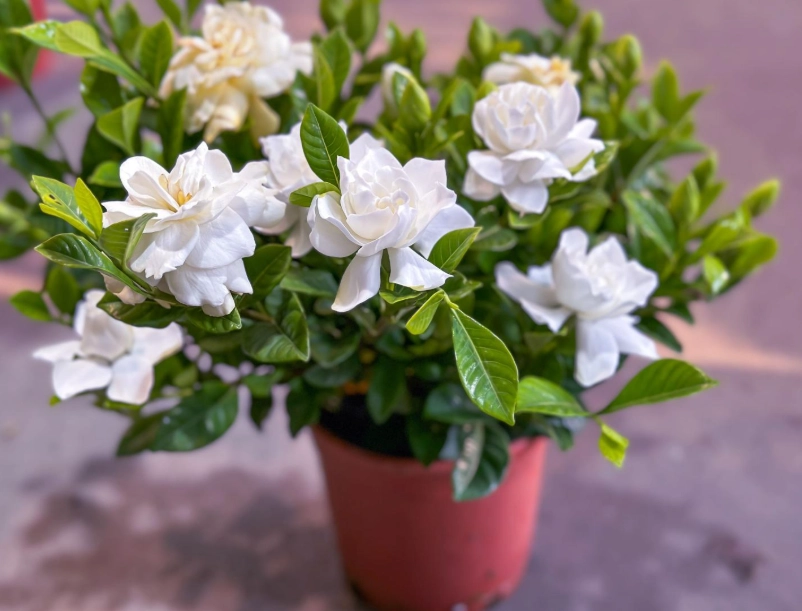
1. Acidic Soil: It's Not Just About Fertilizer
Most advice says "use an acid fertilizer." That's only half the story. The soil itself must be acidic (pH between 5.0 and 6.0). If your soil or potting mix is neutral or alkaline, the gardenia cannot absorb iron and manganese, no matter how much acid fertilizer you pour on. This is the #1 cause of yellow leaves with green veins (interveinal chlorosis).
2. Consistent Moisture, Not Wet Feet
They hate drying out, but they despise soggy roots. The goal is evenly moist, like a wrung-out sponge. Letting the top inch dry out slightly is okay, but letting the whole root ball dry is a surefire way to trigger bud drop and leaf loss. Conversely, a pot without drainage is a death sentence.
3. The Right Light: Bright but Not Scorching
Morning sun with afternoon shade is ideal. Think dappled light or an east-facing location. Too much direct afternoon sun bleaches leaves and stresses the plant. Too little light, and you get leggy growth and zero flowers.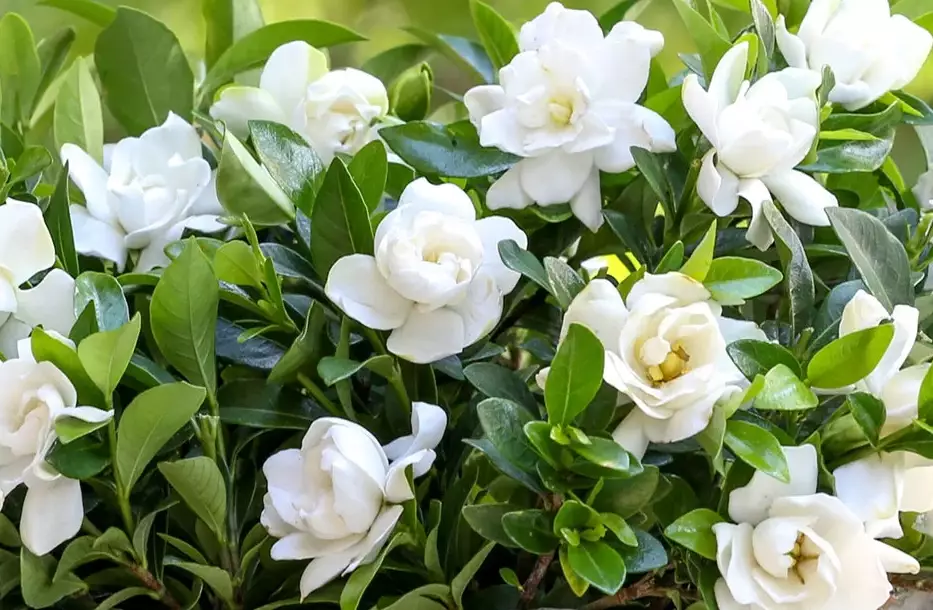
Diagnosing and Solving Yellow Leaves (Step-by-Step)
Yellow leaves are a symptom, not the disease. Here’s how to play plant detective.
| Pattern of Yellowing | Likely Cause | Immediate Action | Long-Term Fix |
|---|---|---|---|
| Older leaves turn uniformly yellow | Natural aging or nitrogen deficiency. | If it's just a few old leaves, don't panic. It's normal. | Apply a balanced, acid-forming fertilizer in the growing season. |
| New leaves are yellow with green veins | Iron chlorosis from high soil pH (alkaline conditions). | Apply a chelated iron supplement as a foliar spray or soil drench for a quick green-up. | Test soil pH. Amend soil with elemental sulfur or use an acidic potting mix for containers. Stop using alkaline water. |
| Leaves yellow, then develop brown spots or edges | Possible overwatering leading to root rot, or magnesium deficiency. | Check soil moisture. If soggy, let it dry out more between waterings. | Improve drainage. For magnesium, apply Epsom salt (magnesium sulfate) solution—1 tablespoon per gallon of water, monthly. |
| Sudden, widespread yellowing and leaf drop | Environmental shock: Drought stress, extreme temperature change, or repotting shock. | Ensure consistent watering. Move plant away from drafts or heat vents. | Acclimate plants slowly to new locations. Repot in early spring, not during bloom time. |
What most guides miss: Tap water. If your municipal water is hard (alkaline), every watering is slowly raising your soil's pH, locking out nutrients. Use rainwater, distilled water, or let tap water sit out overnight to dissipate some chlorine before using.
How to Actually Make Your Gardenia Bloom
You've got a green plant. Now you want those famous flowers. Bud formation and drop is the next big hurdle.
The Blooming Formula: Happy Plant + Correct Timing + Stable Environment = Flowers.
Gardenias set their flower buds for the next season in late summer to early fall. This is a critical period. If the plant is stressed then—by drought, poor nutrition, or pests—you'll have few or no buds to open next year.
Once buds form in spring, they are incredibly sensitive. The main reasons buds turn brown and fall off are:
Inconsistent watering: Letting the plant dry out or overwatering during bud development.
Low humidity: Indoor gardenias especially suffer. They crave humidity (>50%).
Temperature swings: Nighttime temperatures ideally between 60-65°F (15-18°C) during budding. Hot, dry nights cause bud drop.
Moving the plant: Once buds are visible, don't rotate or move the pot. A change in light direction can trigger drop.
My personal ritual during budding season? I place the pot on a large pebble tray filled with water (pot sits above the water line) for constant humidity. I check soil moisture every other day. I become a bit obsessive, and it pays off.
Your Seasonal Gardenia Care Checklist
Break it down by season to stay on track.
Spring (Growth & Bud Swell):
- Begin regular feeding with an acid-forming fertilizer (like one for azaleas/rhododendrons) every 2-4 weeks.
- Water as growth increases. Never let dry out.
- Watch for pests like aphids and whiteflies on new growth.
Summer (Blooming & Post-Bloom):
- Enjoy the fragrance! Deadhead spent flowers to keep the plant tidy.
- Provide afternoon shade to prevent scorching.
- This is when they start forming next year's buds. Keep up with feeding and water.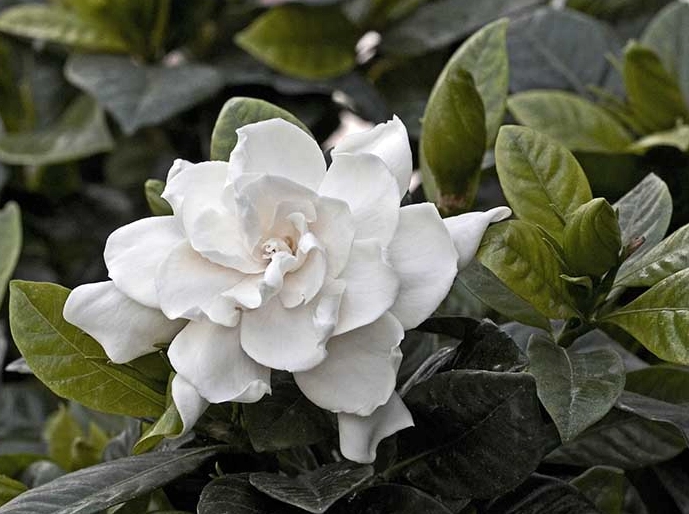
Fall (Bud Set & Preparation):
- The most important feeding is in early fall to support bud development. Use a fertilizer lower in nitrogen, higher in phosphorus and potassium.
- Reduce feeding frequency as growth slows.
- For in-ground gardenias in cool climates, consider a protective mulch layer before winter.
Winter (Rest & Survival):
- Indoor plants: Increase humidity. Reduce watering slightly, but don't let the soil go bone dry. Keep away from heating vents.
- No fertilizer.
- Provide as much bright, indirect light as possible.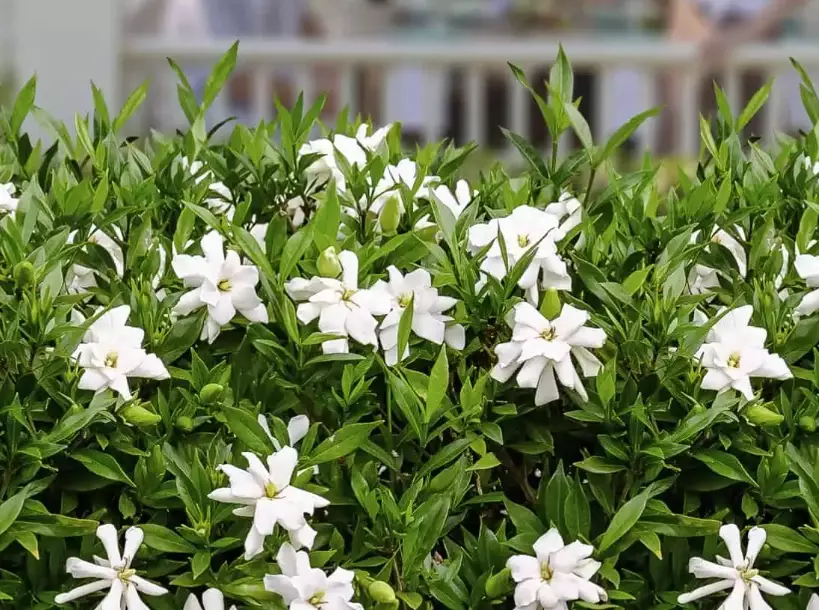
Answers to Your Tricky Gardenia Questions
Gardenias demand attention to detail. They won't thrive on neglect. But when you crack their code—acidic soil, consistent moisture, bright indirect light, and high humidity—the reward is unmatched. That first season your plant is covered in perfect, fragrant blooms, you'll forget all the earlier struggles. Start with the soil. Master the watering. The rest will follow.