If you want a garden bursting with color and buzzing with pollinators, salvia is your answer. But picking the wrong variety or planting it in the wrong spot can lead to a disappointing, leggy mess. I've grown salvias for over a decade, and I'm here to share what actually works—not just textbook advice, but the nitty-gritty details that make the difference between a plant that survives and one that truly thrives.
Let's cut to the chase. Salvias are tough, drought-tolerant perennials (and some annuals) that offer spikes of flowers in blues, purples, reds, and whites. They're a backbone plant for low-maintenance, eco-friendly gardens. This guide will walk you through choosing the right one, planting it correctly, and using it to create stunning garden vignettes.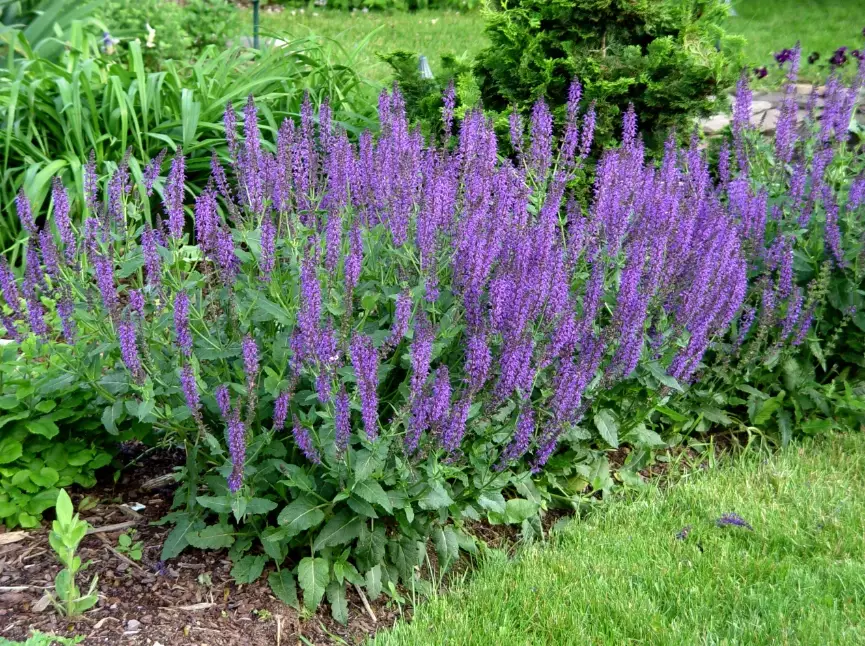
What's Inside This Guide
Why Salvia Should Be in Every Garden
You might think of salvia as just another pretty flower. It's not. It's a workhorse. The main reason I recommend it to every gardener, especially beginners, is its resilience. Once established, most perennial salvias laugh at heat, shrug off drought, and ignore deer and rabbits. They ask for so little but give so much.
The ecological benefit is huge. From the moment the first spikes appear, they become a magnet for bees, butterflies, and hummingbirds. I've counted five different bee species on a single 'Caradonna' plant on a sunny afternoon. If you're trying to build a pollinator-friendly garden, starting with a few salvias is a no-brainer.
And here's a design secret most catalogs won't tell you: salvias provide structure. While other perennials flop or fade, the upright, architectural form of a salvia clump holds the border together. Their flower spikes add vertical interest that lifts the eye, preventing your garden from looking flat and one-dimensional.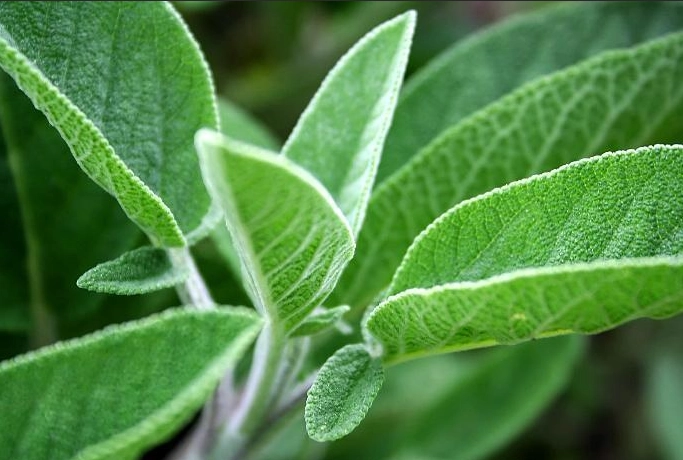
Top Salvia Varieties to Transform Your Space
Choosing a salvia can be overwhelming. There are hundreds. The biggest mistake I see? People buy based on flower color alone, ignoring hardiness and habit. A stunning tropical salvia will be a one-year wonder if you live in a cold climate, and a sprawling variety can swallow your sidewalk.
Let's break down the best performers, the ones that earn their keep year after year. This table compares my top picks based on real garden performance, not just catalog descriptions.
| Variety Name | Type | Height/Spread | Flower Color | Hardiness Zones | Sun Needs | Key Characteristic & Best For |
|---|---|---|---|---|---|---|
| Salvia nemorosa 'May Night' ('Mainacht') | Perennial | 18-24" / 18" | Deep violet-blue | 4-8 | Full Sun | The classic. Ultra-reliable, long-blooming, and tough as nails. Perfect for mass planting. |
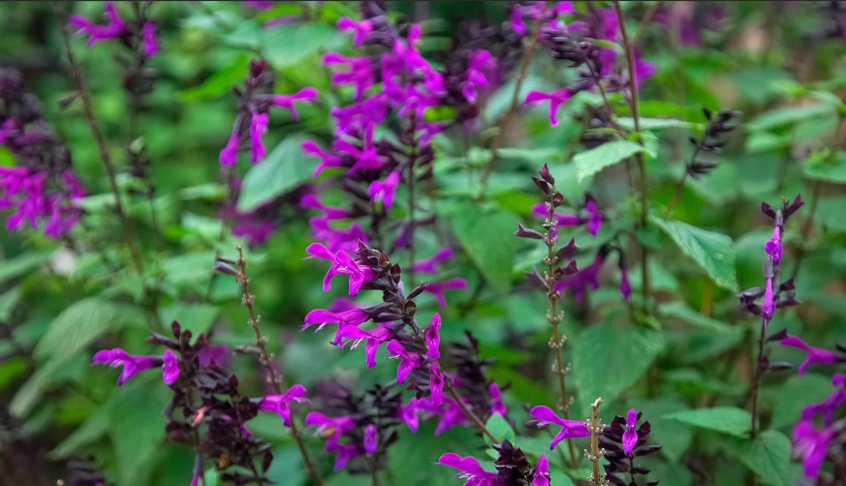
| Salvia x sylvestris 'Caradonna' | Perennial | 24-30" / 18" | Vivid purple | 4-8 | Full Sun | Noted for its near-black stems. Stunning architectural form. A designer favorite. |
| Salvia greggii 'Furman's Red' | Perennial (Tender) | 2-3' / 2-3' | True red | 7-9 (or container) | Full Sun | Hummingbird candy. Blooms spring through hard frost. Loves heat and dry soil. |
| Salvia leucantha (Mexican Bush Sage) | Perennial (Tender) | 3-4' / 3-4' | White & purple velvet | 8-10 | Full Sun | Show-stopper for late season. Fuzzy purple and white spikes. Needs excellent drainage. |
| Salvia officinalis (Common Sage) | Perennial Herb | 2' / 2-3' | Purple (culinary use) | 4-8 | Full Sun | For the herb garden. Gray-green foliage, edible leaves. 'Purpurascens' has purple leaves. |
| Salvia guarantica 'Black and Blue' | Tender Perennial | 3-5' / 2-3' | Cobalt blue | 8-10 (or annual) | Full Sun to Part Shade | Incredible true blue flowers. A fast-growing annual in cold zones. Hummingbird magnet. |
A quick note on 'May Night' versus 'Caradonna'—the eternal debate among salvia lovers. 'May Night' is bushier and a more consistent rebloomer if you deadhead. 'Caradonna' has those stunning dark stems but can be slightly less floriferous. I plant both.
For colder zones (3-5), focus on the Salvia nemorosa and S. sylvestris varieties. In hot, dry climates (Zones 7-10), the Salvia greggii and leucantha types will shine.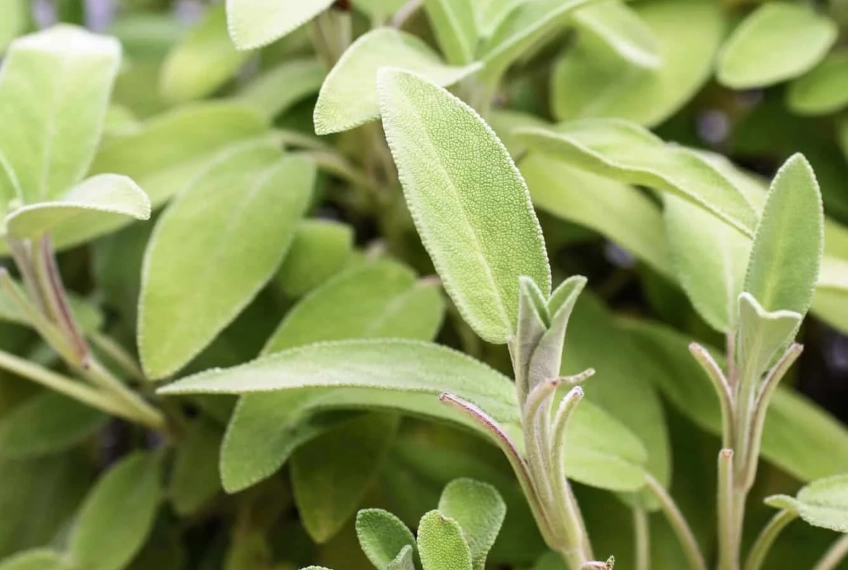
How to Plant Salvia for Guaranteed Success
Planting is where most failures happen. It's not complicated, but skipping one step can set the plant back for months.
Site and Soil Prep: The Non-Negotiables
Sunlight is non-negotiable. At least 6 hours of direct sun. More is better. In partial shade, salvias get leggy, flop over, and bloom poorly. I made this mistake with my first 'Hot Lips', planting it where it got afternoon shade. It grew, but it never had that explosive, covered-in-blooms look.
Drainage is everything. Salvias hate wet feet, especially in winter. If your soil is heavy clay, you must amend it. Don't just dig a hole—amend the entire planting area. I mix in a 3-inch layer of coarse sand or fine gravel and a 3-inch layer of compost into the top 12 inches of soil. This creates the loose, gritty texture they crave. Raised beds are a fantastic option for wet climates.
Planting Time and Technique
The best time to plant is in the spring, after the last frost, or in early fall. Fall planting gives the roots time to establish before winter, leading to a stronger plant the following spring.
When you take the plant out of its pot, don't just plop it in. Gently tease out the roots if they're circling the pot. This encourages them to grow outward into the native soil. Plant it at the same depth it was in the container. Backfill with your amended soil, water it in deeply to settle the soil and eliminate air pockets, and then apply a 2-inch layer of gravel or crushed stone mulch. Gravel mulch is a game-changer for salvias. It keeps the crown dry, suppresses weeds, and radiates heat—all things salvia love.
The First Few Weeks
Water regularly for the first 4-6 weeks to help the roots establish. After that, you can begin to taper off. The goal is to encourage deep root growth. A plant that gets frequent, shallow watering will have shallow roots and be less drought-tolerant.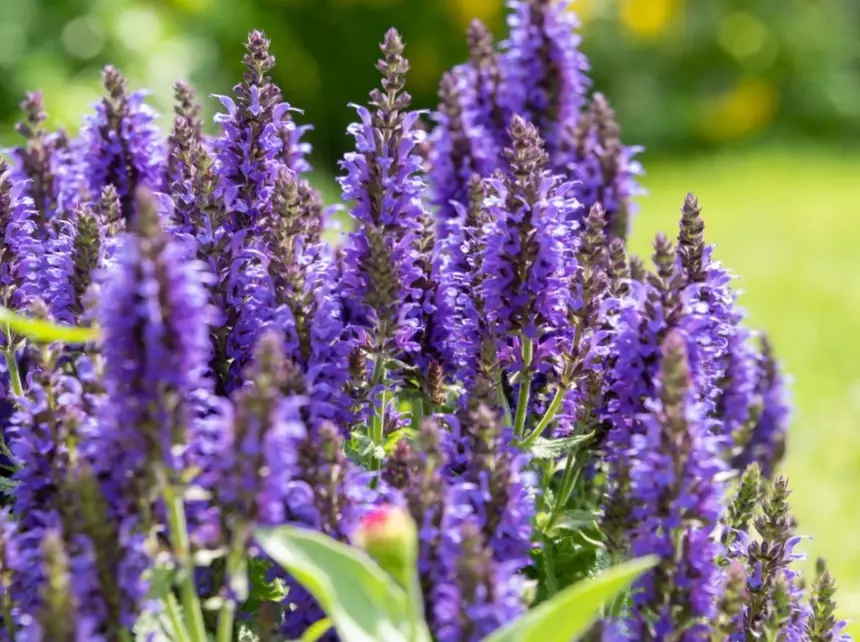
Salvia Care Guide: Watering, Pruning, and Overwintering
Established salvia care is simple, but a few nuanced practices make a world of difference.
Watering: The Less-Is-More Approach
Once established, most salvias are remarkably drought-tolerant. I only water mine during extended dry spells of 3+ weeks with no rain. The sign they need water? The lower leaves start to yellow slightly and feel limp. Deep, infrequent watering is the key. Soak the soil thoroughly, then let it dry out completely before watering again.
The exception is salvias in containers, which need more frequent watering—check them every few days in summer.
Pruning: The Secret to Non-Stop Blooms
This is where most people are too timid. For perennial salvias like 'May Night', you need to prune hard, not just deadhead. Here's my three-step system:
- Spring Cleanup: In early spring, once you see new growth at the base, cut all the old, dead stems down to about 2 inches from the ground.
- Deadheading (Shearing): After the first big flush of blooms fades in early summer, don't pick off individual flowers. Take your hedge shears and cut the entire plant back by one-half to two-thirds. This seems brutal, but it forces a fresh set of foliage and a second, often heavier, bloom cycle in late summer.
- Fall Cleanup (or not): I leave the spent flower stalks up over winter. They provide winter interest, catch snow for insulation, and offer habitat for beneficial insects. I cut them down in that spring cleanup.
Fertilizing and Overwintering
Salvias aren't heavy feeders. A light application of a balanced, slow-release organic fertilizer in spring is plenty. Too much fertilizer, especially high-nitrogen ones, leads to lots of floppy foliage and few flowers.
For winter hardiness, the most important factor is well-drained soil. Winter wet kills more salvias than cold temperatures. For tender varieties in cold zones, you can take cuttings in late summer to overwinter indoors on a sunny windowsill, or treat them as annuals.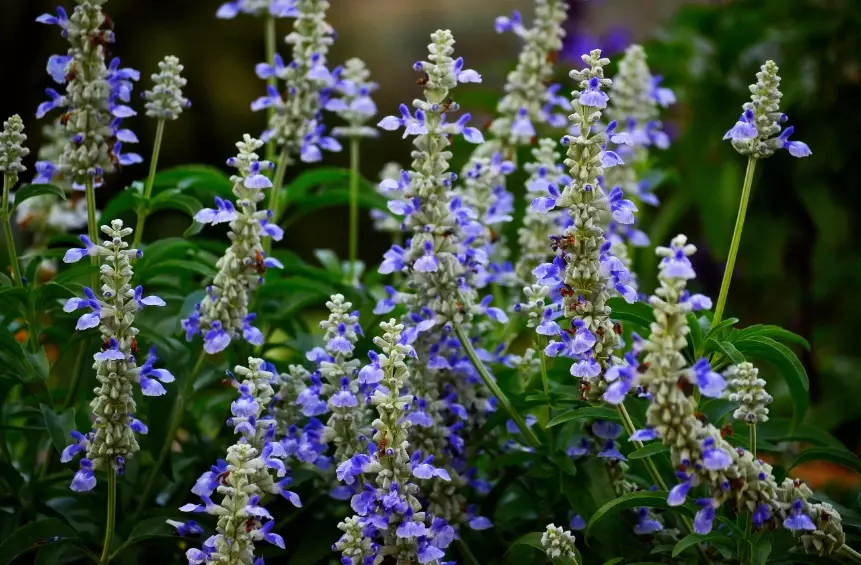
Designing with Salvia: Color Schemes and Companion Plants
Salvias are the connectors in a planting design. Their spiky form contrasts beautifully with rounded shapes and soft textures.
Classic Combinations:
- Purple & Gold: Pair a violet salvia like 'Caradonna' with a golden rudbeckia or coreopsis. The contrast is electric.
- Cool Blues & Whites: Combine blue salvias with white phlox, shasta daisies, or white gaura for a serene, moonlit garden effect.
- Hot Border: Use red Salvia greggii with orange kniphofia (red hot poker) and yellow heleniums for a sizzling late-summer display.
Companion Plants They Love: Ornamental grasses (Panicum, Pennisetum), Russian sage (Perovskia), Coneflowers (Echinacea), Catmint (Nepeta), and Roses. The salvia spikes rising through the airy grasses is a personal favorite look of mine.
Don't plant them too close to aggressive spreaders like some mints or bee balms, which can overwhelm the salvia's clumping form.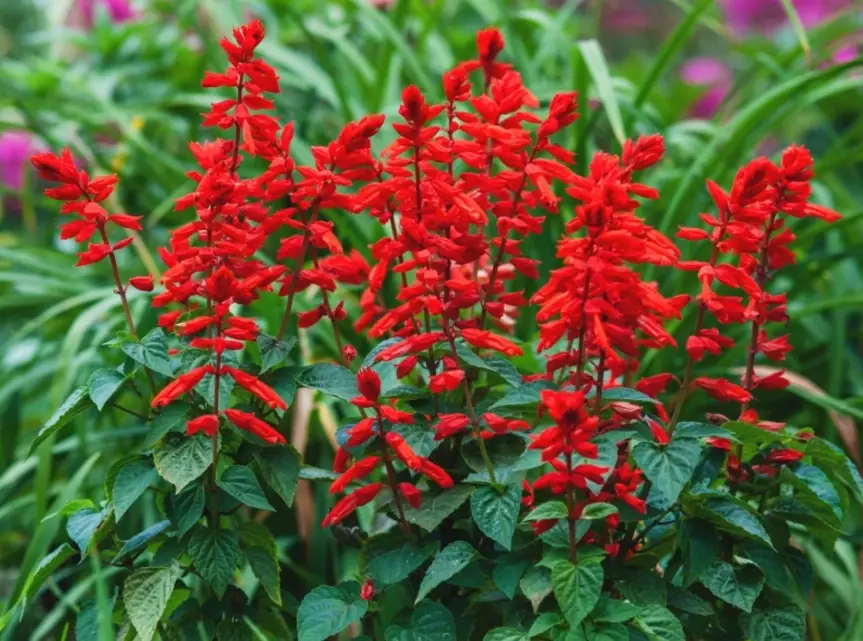
Salvia FAQ: Answering Your Thorniest Questions
 Salvias have a way of getting under your skin. They start as one plant, and before you know it, you're trying to find space for "just one more" variety. Their combination of beauty, toughness, and wildlife value is hard to beat. Start with a reliable performer like 'May Night', nail the planting and pruning routine, and you'll have a garden staple that rewards you for years with minimal fuss.