If you think Oregon grape is just another evergreen shrub with holly-like leaves, you're missing most of the story. I've been growing and studying native plants in the Pacific Northwest for over a decade, and Mahonia aquifolium (that's its proper botanical name) consistently surprises new gardeners. It's not a grape at all, but a rugged, multifaceted powerhouse that offers year-round structure, early spring flowers, edible (though tart) berries, and a history of medicinal use. Too often, it gets shoved into a dry, barren corner as a "tough" plant and forgotten. That's a mistake. With a bit of understanding, it can become the star of a low-maintenance, wildlife-friendly garden. Let's get into what makes this plant tick and how you can succeed with it.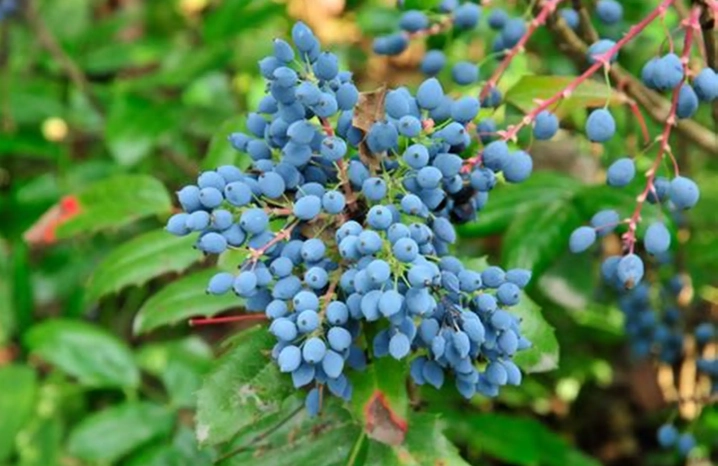
Quick Navigation
What Exactly Is Oregon Grape?
First, let's clear up the identity. Oregon grape is a member of the Berberidaceae family, related to barberries. It's an evergreen shrub, typically growing 3-6 feet tall and wide, though some forms can creep as groundcover. Its leaves are compound, with 5-9 spiny-toothed leaflets that are glossy green, turning brilliant shades of burgundy, red, and purple in fall and winter—this is one of its best features. In early to mid-spring, it produces clusters of bright yellow flowers that smell faintly like honey. These are followed by dusty blue berries that look like tiny grapes, hence the name.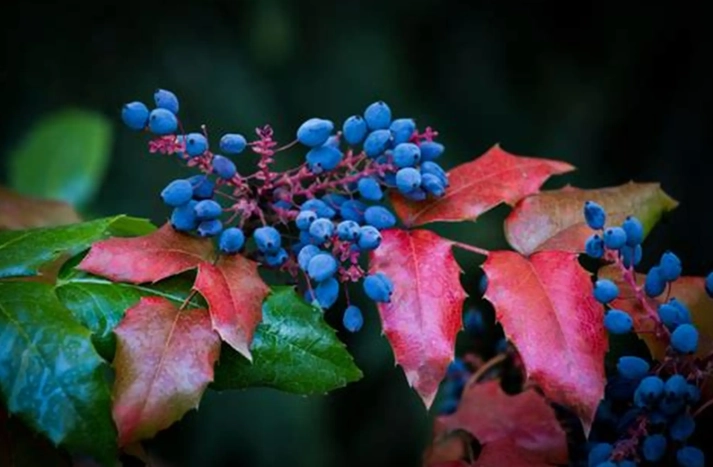
A quick note on varieties: When people say "Oregon grape," they might be referring to a few different species. Mahonia aquifolium is the most common tall type. Mahonia repens (Creeping Oregon grape) is a low-growing groundcover. 'Compactum' is a popular cultivar that stays smaller. It's worth knowing which one you have or want.
The plant is native to western North America, from British Columbia down to Northern California. It's adapted to the understory of Douglas-fir forests, which tells you a lot about its preferred conditions: dappled light, decent moisture, and well-drained, often acidic soil. It's the state flower of Oregon, which gives you a sense of its regional pride.
How to Grow Oregon Grape Successfully
This is where I see most folks go wrong. They hear "drought tolerant" and "native" and assume it's indestructible. It's tough, but it has preferences. Meeting them means the difference between a struggling, sparse shrub and a lush, flowering specimen.
Location and Soil: Getting the Foundation Right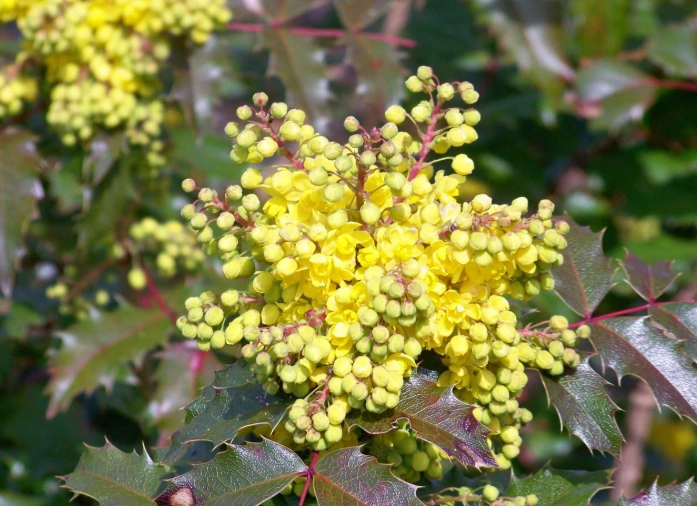
Think about its forest home. It doesn't want blistering, all-day sun, especially in hotter climates. Partial shade is ideal—morning sun with afternoon shade, or dappled light all day. It can handle full sun in coastal, cooler areas, but inland, that sun will scorch the leaves and stress the plant.
Soil is crucial. It must drain well. It tolerates a range of soil types (clay, loam, sandy) but absolutely hates sitting in waterlogged soil. If you have heavy clay, amend it generously with compost and consider planting on a slight mound. A neutral to slightly acidic pH is best, but it's somewhat adaptable.
The Planting Process: A Step-by-Step Walkthrough
Let's say you just brought home a 1-gallon Mahonia aquifolium from the nursery.
1. Timing: Early fall or spring are perfect. Fall gives roots time to establish before summer heat.
2. The Hole: Dig it twice as wide as the root ball, but no deeper. You want the top of the root ball level with the ground. Roughen up the sides of the hole.
3. Amendments: Mix the native soil you removed with about 25-30% compost. Don't create a "bathtub" effect of rich soil in a poor-soil hole; you want roots to transition outwards.
4. Placement: Gently remove the pot, tease out any circling roots, and place it in the center.
5. Backfill & Water: Fill in with your soil mix, firming gently as you go. Create a shallow basin around the stem and water deeply until the soil is saturated. This settles everything.
6. Mulch: Apply 2-3 inches of wood chip mulch around the base, keeping it a few inches away from the stem. This is non-negotiable—it conserves moisture and keeps roots cool.
Watering and Feeding: Less is More
Here's a subtle error: overwatering in the first year. Yes, it needs consistent moisture to establish, but "consistent" doesn't mean soggy. Water deeply once or twice a week for the first growing season, then taper off. A mature Oregon grape is remarkably drought-tolerant and often thrives on neglect. In fact, overwatering an established plant can lead to root rot.
Fertilizer? Rarely needed. If your soil is poor, a light application of a balanced, slow-release fertilizer in early spring is plenty. More often, an annual top-dressing of compost in the spring is all it wants.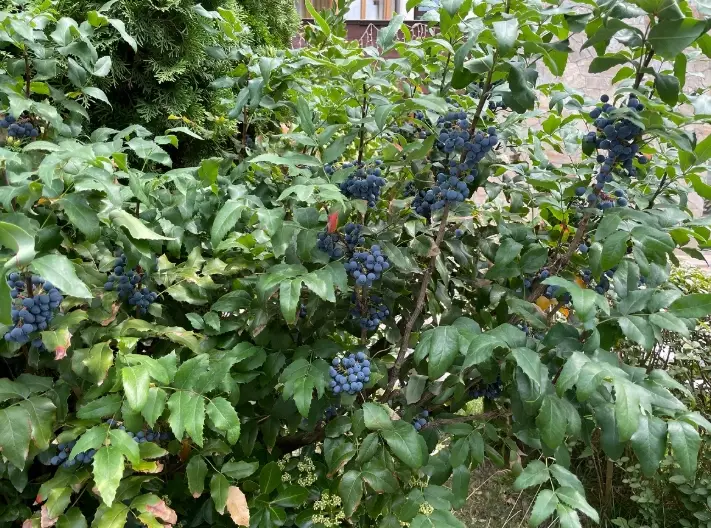
Pruning and Long-Term Maintenance
Pruning confuses people. The goal isn't to shear it into a meatball. You prune for health, shape, and to rejuvenate old, leggy plants.
When: Right after it finishes flowering in late spring. This gives it time to set buds for next year's flowers.
How:
- Dead or Damaged: Always remove these first, cutting back to healthy wood.
- Shape: To control size or encourage bushiness, cut selected stems back to a side shoot or just above a leaf node.
- Rejuvenation: If the plant is old, tall, and bare at the bottom, you can be bold. Cut up to one-third of the oldest, thickest stems all the way down to the ground. Do this over 2-3 years to renew the plant without shocking it.
Wear gloves. Those leaves are spiny. And don't worry about perfection; it's a wild-looking plant at heart.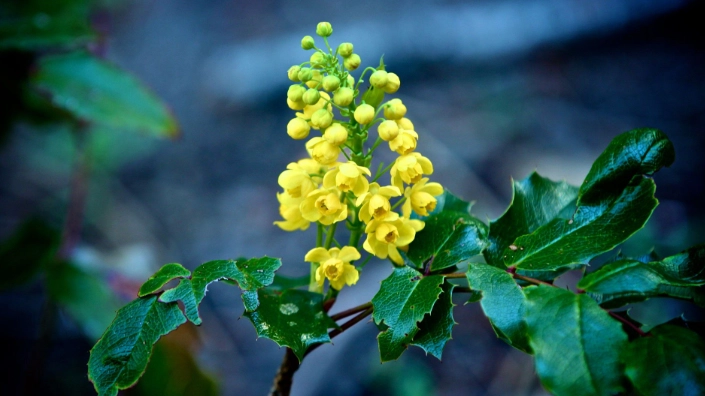
Beyond the Garden: Uses and Benefits
This is where Oregon grape separates itself from ordinary shrubs.
Ecological Powerhouse
Its early blossoms are a critical nectar source for hungry pollinators like native bees and hummingbirds when little else is in bloom. The berries feed birds (especially robins and waxwings) through late summer and fall. As a native, it supports the local food web in a way that non-native ornamentals simply don't. It's also excellent for erosion control on slopes.
Historical and Medicinal Uses
The inner bark and roots are bright yellow due to the alkaloid berberine. Many Native American tribes used preparations from the root for a variety of purposes, including as a dye for baskets and clothing. In herbal traditions, berberine-containing plants like Oregon grape have been used for their potential antimicrobial and anti-inflammatory properties. Important Disclaimer: I am not a medical professional. Do not consume any part of this plant without consulting a qualified healthcare practitioner. Berberine can interact with medications and is not suitable for everyone, especially pregnant women.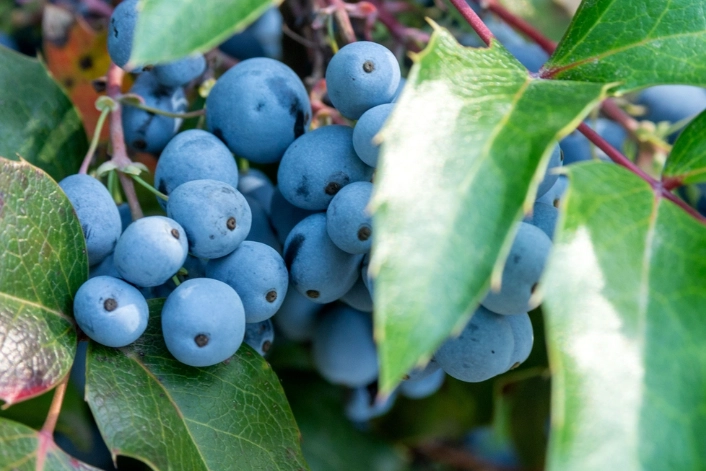
Practical Garden Uses
- Deer Resistance: Those spiny leaves make it highly deer resistant—a major pain point for many gardeners.
- Low Hedges & Barriers: Its dense, prickly growth makes it a great informal security hedge.
- Erosion Control: The creeping form (M. repens) is superb for holding soil on banks.
- Winter Interest: The purple-bronze winter foliage is a standout in a dormant garden.
| Feature | Tall Oregon Grape (M. aquifolium) | Creeping Oregon Grape (M. repens) |
|---|---|---|
| Height/Spread | 3-6 ft / 3-5 ft | 1-2 ft / 3-5 ft (spreads) |
| Best Use | Background shrub, informal hedge, woodland garden | Groundcover, under trees, slopes, rock gardens |
| Light Needs | Partial shade to full sun (cool climates) | Partial to full shade |
| Key Advantage | Strong vertical element, more berries | Excellent for covering large areas, very tough |
Your Oregon Grape Questions Answered
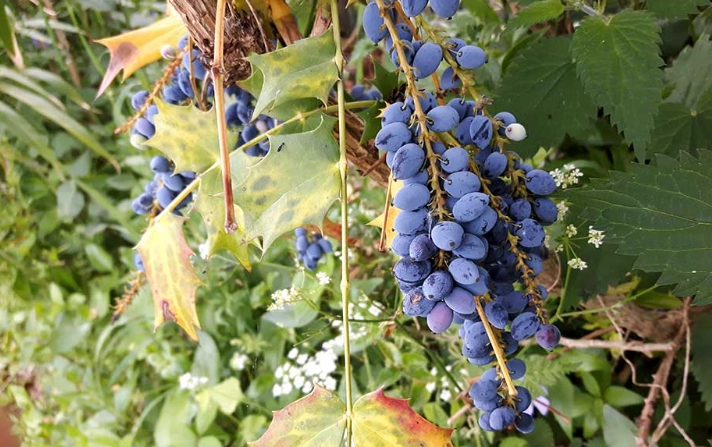 How do I harvest and use the berries?
Oregon grape isn't a flashy, high-maintenance diva. It's a reliable, hardworking native that gives back far more than it asks for. By understanding its simple needs—some shade, good drainage, and a light touch with the pruners—you can have a beautiful, ecologically supportive shrub that anchors your garden for years. Give it a try. You might find it becomes one of those plants you can't imagine your landscape without.