Let's clear this up right from the start. If you're confused about whether you're looking at a filbert or a hazelnut, you're not alone. I've been growing and studying these fantastic nut trees for over a decade, and the naming mess still makes me chuckle. The truth is, they're essentially the same thing. "Filbert" and "hazelnut" are common names for the nuts that come from trees and shrubs in the genus Corylus. The name used often depends on where you are and the specific variety. In the Pacific Northwest of the U.S., where I live and where most commercial U.S. production happens, "filbert" is the traditional term. Elsewhere, "hazelnut" is more common. But for a home grower or a curious food lover, the more important questions are: how do you grow them, what makes a good variety, and how do you use these delicious nuts? That's what we're diving into.
What You'll Find in This Guide
What is a Filbert? Untangling the Name Game
Botanically, all filberts/hazelnuts belong to the Corylus family. The two main species you'll encounter are the European filbert (Corylus avellana) and the American filbert (Corylus americana). The European types are the ones you see in grocery stores and that form the basis of commercial orchards. They produce larger, easier-to-crack nuts. The American species is native to eastern North America, hardier, and produces smaller nuts with a thicker shell, often prized more for wildlife and natural landscaping.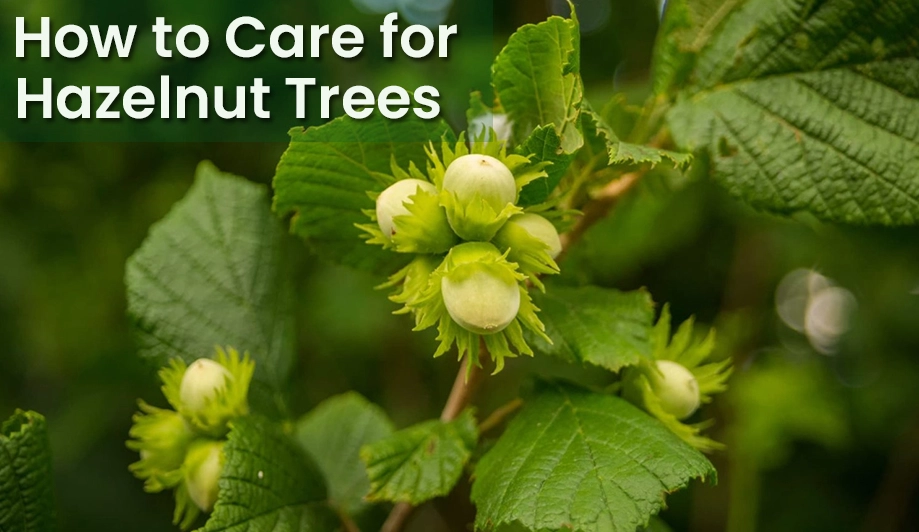
Why the two names? "Hazel" comes from the Anglo-Saxon word haesel, referring to the color of the shell. "Filbert" has a couple of fun origin stories. Some say it's because the nut ripens around St. Philibert's Day (August 22nd). Others argue it comes from "full beard," describing the long, frilly husk that covers some varieties. Personally, I use "filbert" when talking about cultivated varieties for eating and "hazel" for the wild or native shrubs, but that's just my habit.
Common Filbert Varieties for Your Garden
Choosing the right variety is 80% of the battle. You can't just plant any filbert. Most require cross-pollination, meaning you need at least two different, compatible varieties flowering at the same time. I've seen too many hopeful gardeners buy a single tree and wait five years for a harvest that never comes.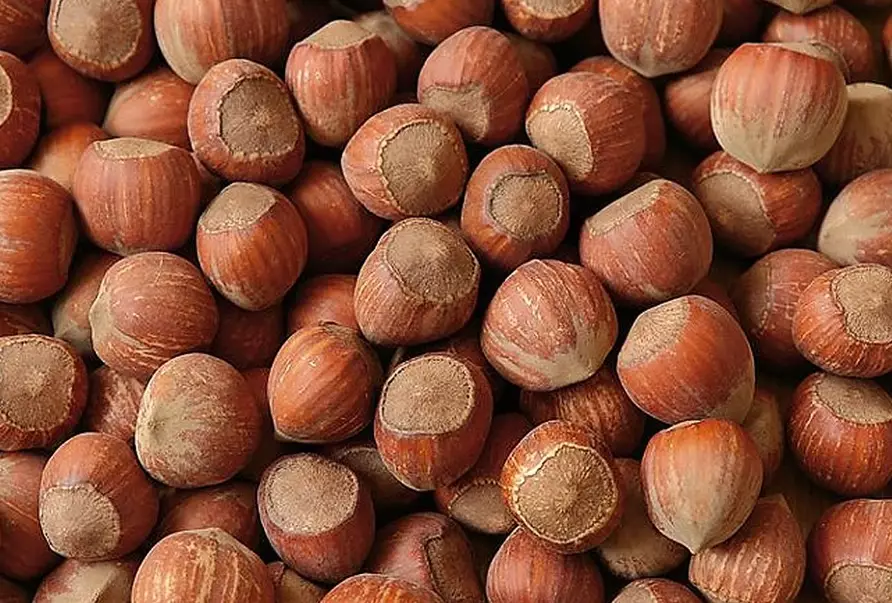
Here’s a breakdown of the most reliable varieties for home growers, based on my experience and regional recommendations from sources like the Oregon State University Extension Service, a leading authority on nut crops.
| Variety Name | Type / Species | Key Characteristics | Best Pollinizer Partner | Notes from Experience |
|---|---|---|---|---|
| Barcelona | European (C. avellana) | Classic commercial type. Large nut, heavy yield, vigorous tree. | Butler, Daviana | A workhorse. Reliable, but can be susceptible to Eastern Filbert Blight (EFB) in some areas. The nut is rounder than others. |
| Jefferson | European (C. avellana) | EFB-resistant. Excellent kernel quality, high yield. | Yamhill, Eta | My top recommendation for new plantings in EFB zones. Kernels are beautifully elongated and easy to get whole. |
| Yamhill | European (C. avellana) | EFB-resistant. Compact growth, early bearing, good flavor. | Jefferson, Epsilon | Great for smaller spaces. Starts producing nuts surprisingly young, often in year 3. |
| American Hazelnut | American (C. americana) | Very cold hardy (to Zone 4), disease-resistant, forms thickets. | Another American Hazelnut | Nuts are small and a pain to crack for quantity, but the flavor is intensely sweet. I use it more as a hardy pollinizer or for naturalizing. |
| Butler | European (C. avellana) | Good pollinizer for Barcelona. Medium-sized, good-quality nut. | Barcelona, Ennis | Not usually planted as a main crop variety, but a vital partner in older orchards. A good citizen tree. |
European Filbert (Corylus avellana)
These are your primary nut producers. Focus here if you want a serious harvest. The modern breeding priority, especially in the U.S., has been resistance to Eastern Filbert Blight (EFB), a devastating fungal disease. Always check if EFB is a concern in your area (it's east of the Rockies primarily). If it is, stick with resistant varieties like Jefferson, Yamhill, and Gamma. Planting a susceptible variety like the old favorite 'Ennis' is asking for heartbreak.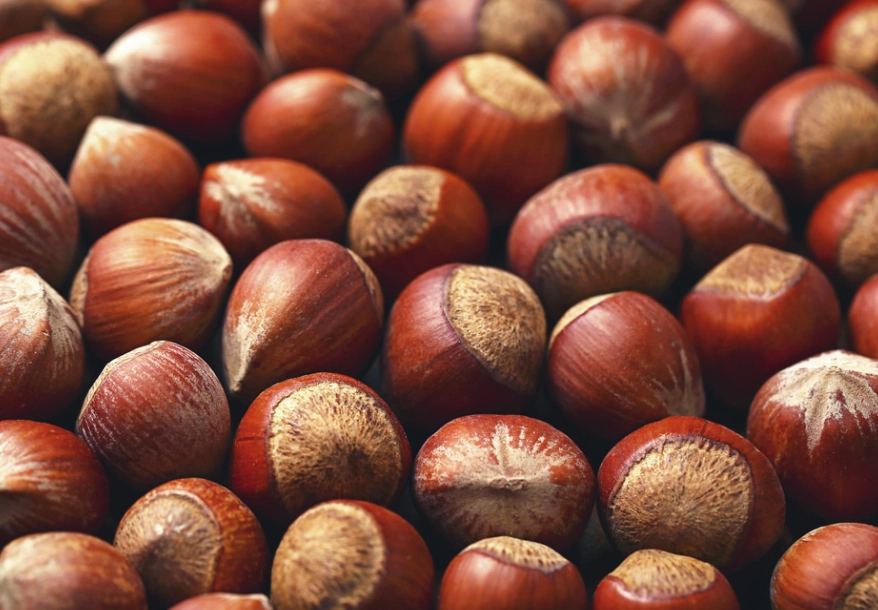
American Filbert (Corylus americana)
Don't overlook this native. It's incredibly tough, survives brutal winters, and is largely immune to EFB. It won't give you bushels of easy-to-process nuts, but it's fantastic for wildlife gardens, hedgerows, or as a hardy pollinizer for certain European varieties in cold climates. The nuts are a treat if you're patient.
How to Grow Filbert Trees Successfully
Filberts aren't difficult, but they have specific preferences. Get these basics right, and you'll be rewarded for decades.
Site and Soil: They love full sun. Six hours minimum. More sun equals more flowers and more nuts. Soil should be well-drained. They hate wet feet. A loamy soil with a slightly acidic to neutral pH (6.0-7.0) is ideal. Heavy clay is a problem unless you significantly amend it or plant on a broad mound.
Planting: The biggest mistake I see? Planting too deep. The root flare should be exactly at soil level. Dig a wide hole, not a deep one. Space trees about 15-20 feet apart. Remember, you need at least two compatible varieties. Plant them within 50 feet of each other for good pollen transfer by the wind.
Here’s a non-consensus tip: Plant in the fall. Most nurseries ship bare-root trees in spring, but if you can find containerized stock in autumn, planting then gives the roots a head start to establish before summer heat. Spring planting works, but you must be vigilant about watering.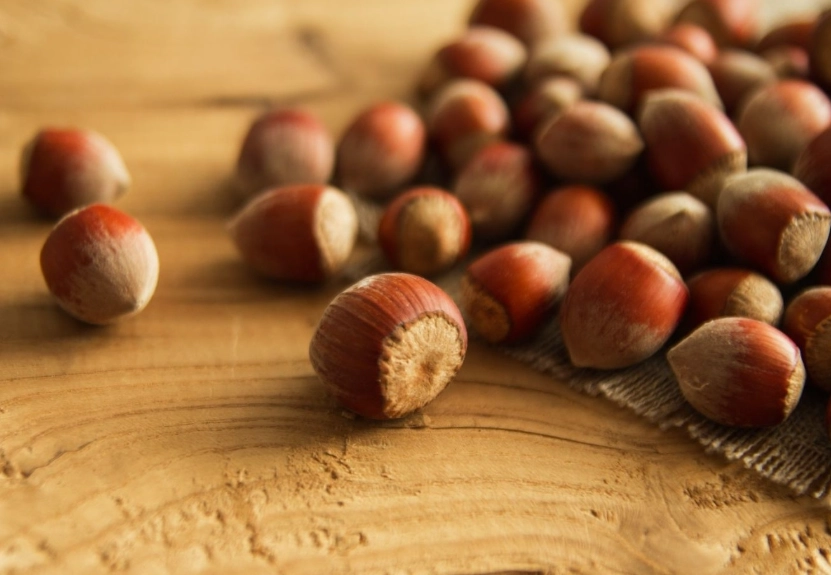
Care Through the Seasons:
- Watering: Critical for the first 2-3 years. Deep, infrequent watering encourages deep roots. Once established, they are moderately drought-tolerant but will produce better with summer moisture.
- Fertilizing: Go easy. A light application of a balanced organic fertilizer in early spring is plenty. Too much nitrogen gives you lots of leaves and few nuts.
- Pruning: The goal is an open vase shape. Remove inward-growing branches, suckers from the base, and any dead or crossing wood. Do this in late winter. Filberts bear nuts on one-year-old wood, so don't go crazy.
- Pests & Problems: Squirrels and jays are your #1 threat. EFB is the #1 disease in eastern areas. In the west, aphids and mites can be an issue. A healthy tree is the best defense.
Harvesting and Processing Your Filberts
The harvest window is a fun, messy time. In late summer or early fall, the nuts will begin to fall from the husks. You don't pick them; you gather them from the ground.
When: Start checking in September. A good sign is when the husks turn brown and the nuts inside rattle. Lay a tarp or old sheet under the tree to make collection easier.
Drying: This step is non-negotiable and often skipped by beginners. Freshly harvested filberts have a high moisture content and will mold if stored. Spread them in a single layer in a warm, dry, airy place (like a garage on a rack) for 2-4 weeks. The kernels will shrink slightly from the shell, and you'll hear that classic rattle. Now they're ready for cracking or long-term storage.
Storage: In-shell, in a cool, dry place, they can last a year. Shelled kernels should be stored in an airtight container in the fridge for a few months or frozen for over a year. The high oil content means they can go rancid at room temperature.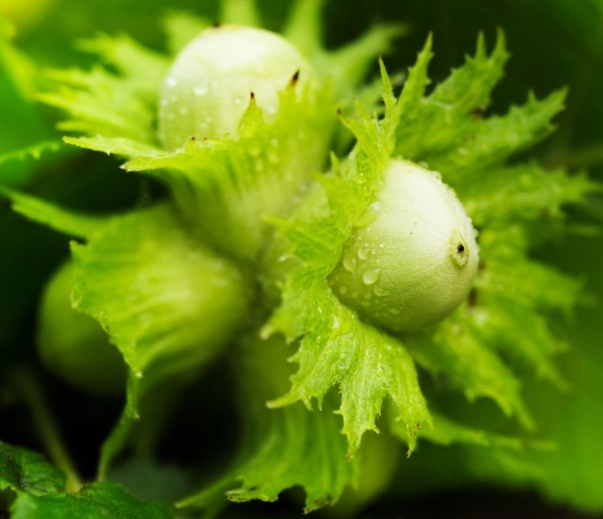
Cooking and Uses for Fresh Filberts
A homegrown filbert tastes nothing like the stale, sometimes bitter nuts you might find pre-chopped in a bag. They are sweet, rich, and complex.
Toasting is Key: Always toast your filberts to bring out the flavor. Spread shelled kernels on a baking sheet at 350°F (175°C) for 10-15 minutes, shaking occasionally, until golden and fragrant. Let them cool. For an extra step, rub them in a kitchen towel to remove most of the bitter skin.
My Favorite Uses:
- Nut Butter: Puree toasted filberts in a food processor with a pinch of salt. It's life-changingly good.
- Finisher: Chopped toasted filberts on salads, roasted vegetables, pasta, or oatmeal add incredible texture and flavor.
- Baking: Substitute them for almonds or walnuts in any recipe. They're classic in frangipane and biscotti.
- Snacking: Honestly, a bowl of toasted filberts needs no accompaniment.
Reader Comments