You're searching for "Oregon Sunshine" and maybe you're thinking of bright summer days on the coast. But if you're a gardener, or someone tired of watering a thirsty lawn, you've stumbled onto something better. I'm talking about Eriophyllum lanatum, the plant. A native perennial that carpets dry hillsides with cheerful yellow daisies, asks for almost nothing in return, and supports bees and butterflies like a champ. I first saw it years ago hiking in central Oregon, thinking it was a quirky local wildflower. Turns out, it's a native workhorse found from Washington to California, and it's one of the most forgiving plants you can invite into your garden.
Your Oregon Sunshine Quick Guide
What Exactly Is the Oregon Sunshine Plant?
Let's clear up the confusion. Oregon Sunshine (Eriophyllum lanatum), also called woolly sunflower, is a perennial subshrub. It's not a floppy annual. It forms a woody base and sends out spreading stems that can reach 1-2 feet tall and spread 2-4 feet wide. The leaves are often silvery-gray and fuzzy (that's the "lanatum" or woolly part), which is its built-in sunscreen and water conservation system.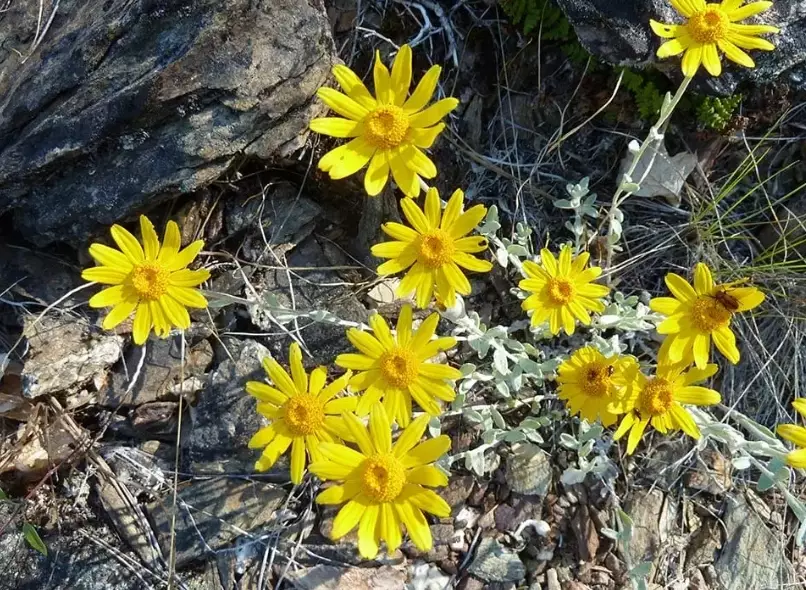
The main event is the flowers. From late spring through summer, it produces a profusion of bright yellow, daisy-like flowers about 1 inch across. Each flower sits on a slender stalk above the foliage, creating a cloud of gold. It's a magnet for native bees, butterflies, and other pollinators. According to plant databases like the one from the Lady Bird Johnson Wildflower Center, it's a host plant for some butterfly species, making it a true ecological player, not just a pretty face.
| Feature | Description |
|---|---|
| Botanical Name | Eriophyllum lanatum |
| Common Names | Oregon Sunshine, Woolly Sunflower, Woolly Daisy |
| Plant Type | Perennial wildflower / subshrub |
| Mature Size | 1-2 ft tall, 2-4 ft wide |
| Sun Exposure | Full sun (at least 6+ hours) |
| Bloom Time & Color | Late Spring to Summer; Vibrant Yellow |
| Native Range | Western North America (BC to CA, east to MT) |
| Key Attraction | Pollinators (bees, butterflies), extreme drought tolerance |
How to Grow Oregon Sunshine: The Set-It-and-Forget-It Method
Here's where most generic guides get it wrong. They treat it like any other perennial. Oregon Sunshine thrives on benign neglect. Your goal is to mimic its native rocky, well-drained slopes.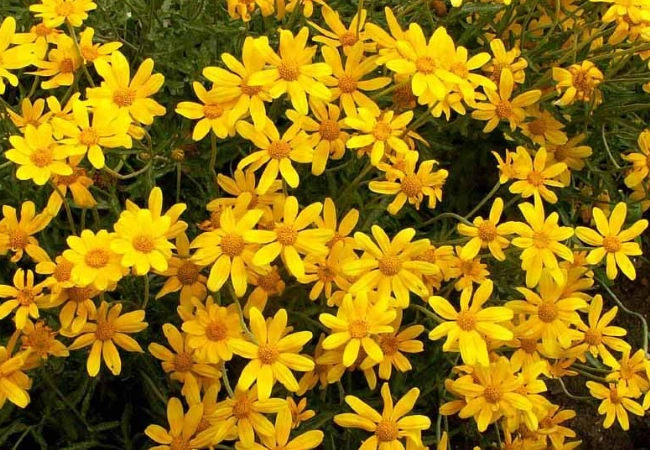
Planting: The Only Critical Step
You can start from seed or nursery pots. Seeds need light to germinate, so just press them into the soil surface in fall or early spring. Potted plants are faster. Dig a hole, but here's the expert tip: amend the soil with gravel, not compost. Mix in a handful of small pea gravel or crushed rock with the native soil you dug out. This instantly improves drainage around the root crown, preventing the one thing that can kill it: soggy winter soil. Plant it at the same depth it was in the pot, water it in deeply, and then start backing away.
Ongoing Care: Less is More
Watering: After the first season to establish roots, rainfall is usually enough. In extended summer droughts (4+ weeks with no rain and high heat), a deep soak once a month is plenty. The fuzzy leaves are telling you, "I'm holding onto my moisture, thanks." Overwatering leads to leggy growth and rot.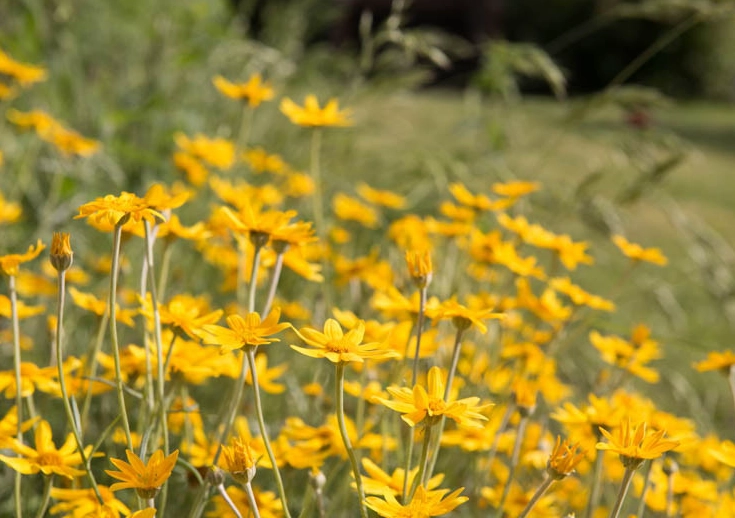
Soil & Fertilizer: It prefers poor to average, very well-drained soil. Sandy, rocky, or clay-loam is fine as long as water doesn't pool. Do not fertilize. Seriously. Fertilizer encourages weak, floppy growth and fewer flowers. Its natural habitat has no nutrient-rich soil, and it's adapted to thrive there.
Pruning: In late fall or early spring, you can cut it back by about one-third to half to maintain a compact shape. You can also deadhead spent flowers to encourage more blooms, but it's not necessary for the plant's health. I often leave the seed heads for birds and for the plant to self-sow modestly.
Garden Design Inspiration: Where to Plant Your Sunshine
This plant solves specific design problems. It's not just a filler.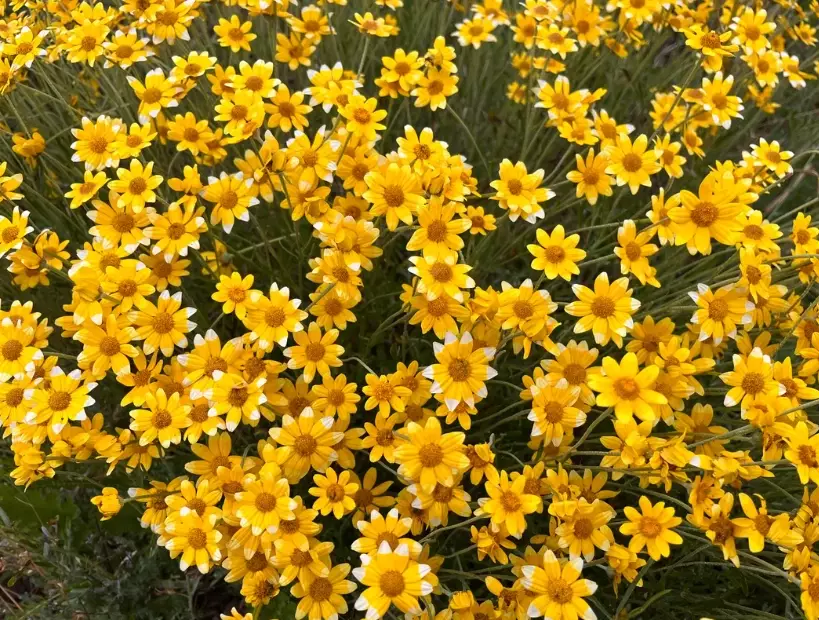
1. The Ultimate Low-Water Ground Cover: Forget thirsty lawn grass on a slope. Plant Oregon Sunshine 2-3 feet apart, and in a couple of years, you'll have a flowing, weed-suppressing mat of silver and gold that never needs mowing. Pair it with other drought-tolerant spreaders like creeping thyme or sedum for texture contrast.
2. Pollinator Garden Powerhouse: Combine it with other native, sun-loving perennials that bloom in sequence. Plant Purple Sage (Salvia dorrii) for blue spikes alongside it, or later-blooming California Fuchsia (Epilobium canum) for red trumpet flowers that hummingbirds love. This creates a long-season buffet. Resources from the Xerces Society for Invertebrate Conservation emphasize these native plant communities for supporting pollinators year-round.
3. Rock Garden & Container Star: Its love for sharp drainage makes it perfect for rock gardens or even large, shallow containers with a cactus/succulent mix. In a pot, it will trail nicely over the edges. Just remember, potted plants need a bit more occasional water than in-ground ones.
One personal opinion: it looks out of place in a lush, irrigated English cottage border. It screams "dry prairie" or "mountain slope." Putting it next to a hydrangea is a visual and cultural mismatch.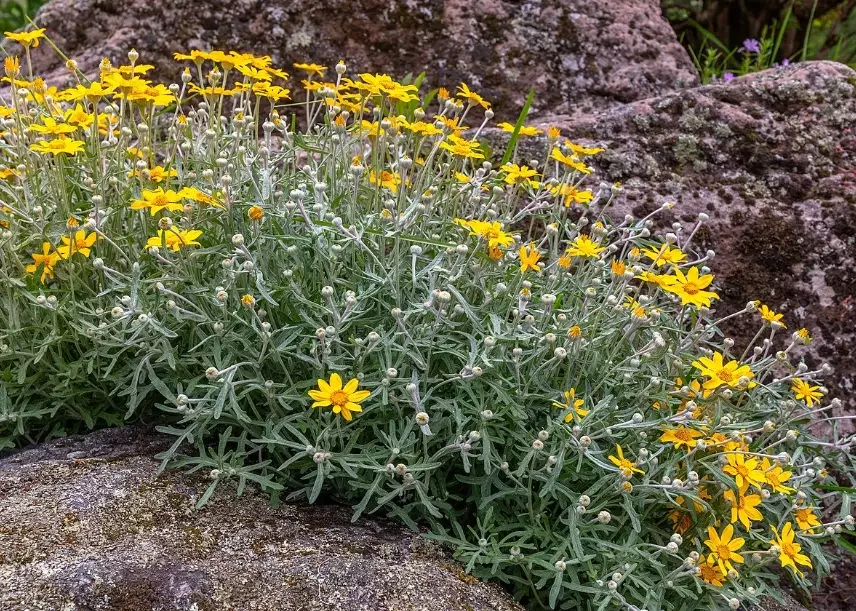
Troubleshooting: Solving Common (But Rare) Problems
Oregon Sunshine is remarkably pest and disease-free if its sun and drainage needs are met. The only issues I've ever seen:
Leggy, Floppy Growth: This means too much water, too much fertilizer, or not enough sun. Solution: cut back on water, never fertilize, and if it's shaded, consider moving it to a sunnier spot in the fall.
Center of Plant Dies Out: As it ages, the center can get woody and open. Every 3-4 years, in early spring, you can dig up the entire clump, divide the healthy outer sections (with roots attached), and replant them with fresh gravel-amended soil. Discard the old, woody center.
Powdery Mildew: In rare, humid conditions with poor air circulation, you might see some mildew. Improve air flow by thinning some stems and avoid overhead watering. It's rarely fatal.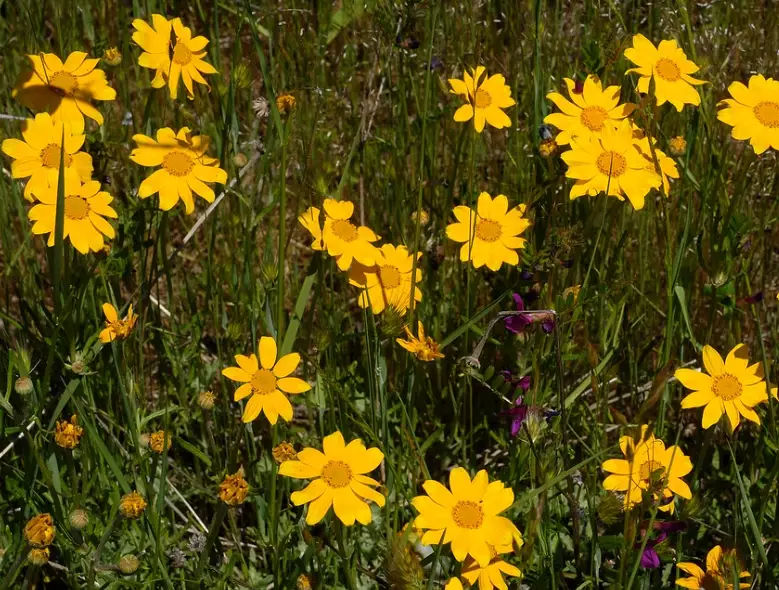
Your Oregon Sunshine Questions Answered
Is Oregon Sunshine invasive?
No, it's a well-behaved native spreader, not an invasive thug. It grows steadily via its root system and can self-seed, but the seedlings are easy to pull or move if they pop up where you don't want them. It won't choke out other robust perennials. In fact, letting it fill in is often the goal for ground cover use.
Why is my Oregon Sunshine plant not flowering?
Three likely culprits, ranked by probability: 1) Too much shade. It needs a full, blazing sun day to set maximum buds. 2) Too much nitrogen. Are you fertilizing your lawn nearby? Runoff can feed it. Or did you plant it in rich compost? 3) It's too young. First-year plants from seed might focus on roots before a big floral show in year two. Check the sunlight first—that's almost always the issue.
Can I grow Oregon Sunshine from cuttings?
Yes, but it's trickier than division. Take 3-4 inch softwood cuttings in late spring, dip in rooting hormone, and stick in a very gritty, well-draining mix (like half perlite, half potting soil). Keep barely moist and out of direct sun until roots form. Honestly, division in early spring is faster and more reliable for most home gardeners.
How do I use it to replace part of my lawn?
This is a perfect application. Kill or remove a section of lawn in a sunny area. Don't just till it in—you need to get rid of the grass roots. Sheet mulching works. Once the grass is gone, amend the soil with coarse sand or fine gravel if it's heavy clay. Plant Oregon Sunshine plugs 2 feet apart. Mulch lightly with gravel, not bark. Water the plugs for the first season to establish. By year two, you'll have a vibrant, flowering "lawn" that needs no mowing, no feeding, and minimal water.
Does it die back in winter?
It's evergreen in milder climates, often retaining its silvery foliage. In colder areas (USDA zone 5 and below), it may die back partially or completely to its woody base. Don't panic. Just clean up any dead material in early spring, and new growth will emerge from the base. Its hardiness is generally listed down to USDA zone 5.
So there you have it. Oregon Sunshine, the plant, is a resilient, beautiful, and ecologically vital choice for the modern garden. It asks for little but gives back a season of cheerful color and a hub of pollinator activity. In a world where water is becoming more precious, gardening with natives like this isn't just a trend—it's the smart, sustainable way forward. Give it the hot, dry spot nothing else wants, and it will reward you for years.
Reader Comments