You see those gorgeous clouds of pink and white blossoms in early spring and think, "I want that in my garden." Or maybe you're intrigued by the idea of harvesting your own almonds. I get it. I planted my first almond tree over a decade ago, driven by that same picture-perfect dream. Let me tell you, the reality is both more rewarding and more nuanced than any social media post. It's not just about sticking a tree in the ground. Success hinges on a few critical, often overlooked choices you make before you even buy the tree. Get those wrong, and you're in for a decade of frustration instead of harvests.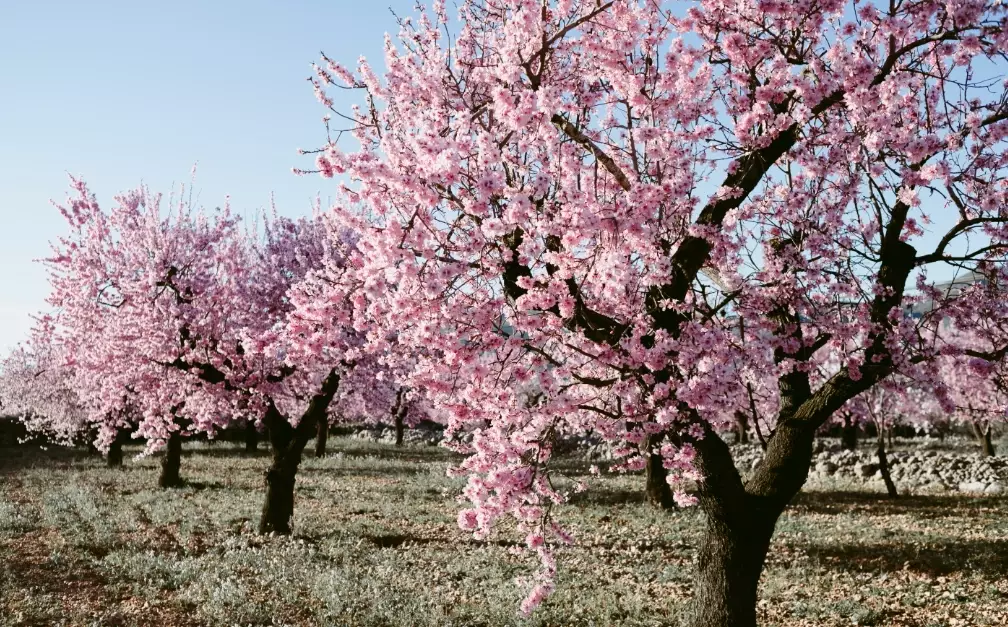
What's Inside: Your Almond Tree Roadmap
Picking the Right Tree: The #1 Mistake to Avoid
Here's the big one, the mistake I see constantly: people buy an almond tree based solely on the picture of the nut. They ignore the two factors that determine if the tree will even survive and produce in their area: chill hours and pollination.
Chill hours are the total hours each winter where temperatures are between 32°F and 45°F (0°C and 7°C). The tree needs this dormant period to reset its internal clock for flowering. If your winter is too mild, the tree's timing gets messed up—blossoms emerge sporadically, leaves look sickly, and you get few to no nuts. The University of California's Division of Agriculture and Natural Resources has extensive research on this. A variety bred for 500 chill hours will fail in a coastal California garden that only gets 200.
Pollination is the next trap. Most almond trees are not self-fertile. They need a compatible partner blooming at the same time. You can't just plant one tree. You need at least two different varieties. Nurseries often sell them in pollination pairs, but it's on you to check.
Top Almond Tree Varieties for Home Growers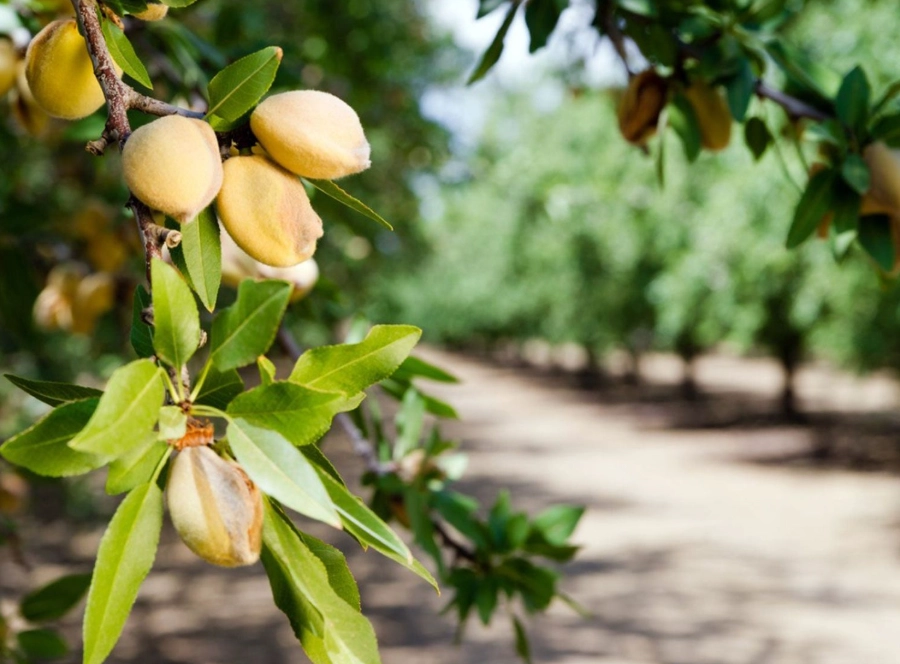
This table isn't just a list; it's your pre-purchase checklist. Match the chill hours to your local weather data (your county extension office website has this), and ensure you pick partners.
| Variety Name | Key Characteristics | Chill Hours Required | Best Pollination Partners |
|---|---|---|---|
| Nonpareil | The classic. Thin shell, excellent flavor. The benchmark for quality. | 400 - 500 | Carmel, Monterey, Price |
| Carmel | Productive, semi-hard shell. Great for pollinators and often used as one. | 500 - 600 | Nonpareil, Monterey |
| All-In-One | The exception. Self-fertile, dwarf size. Perfect for small spaces. | 400 - 500 | Itself (self-fertile) |
| Garden Prince | Genetic dwarf, self-fertile. Ideal for containers or tiny yards. | 250 - 300 | Itself (self-fertile) |
| Mission | Hard shell, robust flavor. A tougher tree for more challenging spots. | 500+ | Nonpareil, Carmel |
Planting Your Almond Tree: Location is Everything
Almonds are sun worshippers. They need a full sun location—at least 8 hours of direct, unfiltered summer sun. More is better. Don't try to squeeze one into a partly shaded corner; you'll get leggy growth and no nuts.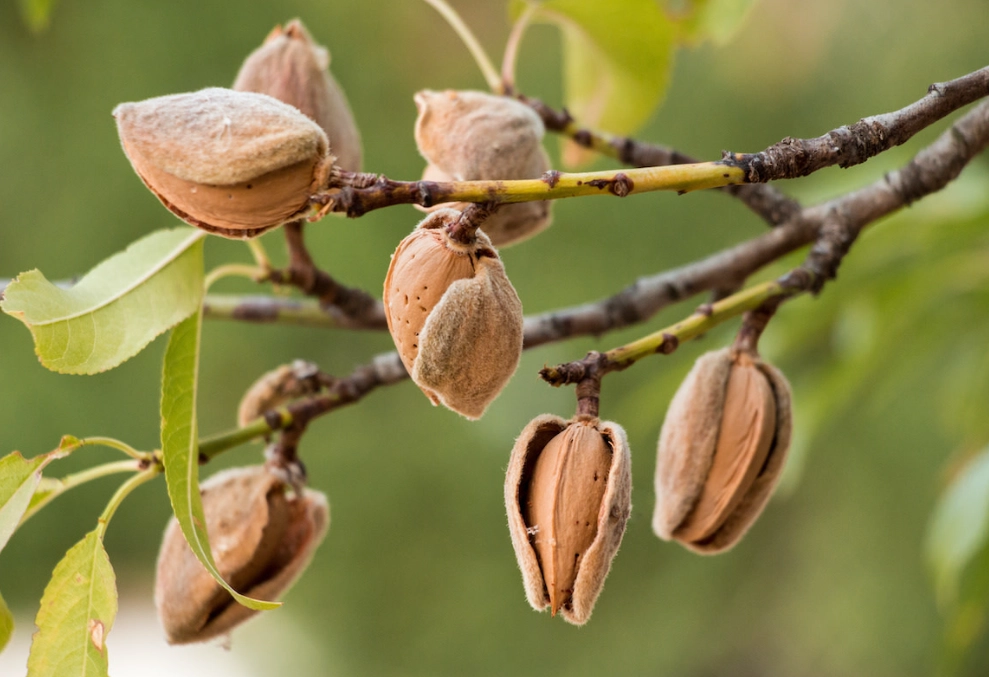
The soil is their foundation. They despise "wet feet." Roots sitting in soggy soil will rot, killing the tree. You need well-draining soil above all else.
When to plant: In mild winter areas (USDA zones 8-10), late fall is prime. The tree gets settled over the cool, wet winter. In colder climates (zone 7), early spring after the last frost is safer. You're often buying a bare-root tree in winter or a potted one in spring.
The planting hole should be twice as wide as the root ball but no deeper. You want the root flare (where the trunk widens at the base) to sit just above the final soil grade. Backfill with the native soil, don't amend it heavily—you want roots to venture out into the native ground, not circle in a rich pocket. Water deeply to settle the soil.
The Non-Negotiable Year-Round Care Schedule
Care isn't constant; it changes with the season. Think of it as a calendar.
Spring (Blossom & Leaf-Out)
This is showtime. Water consistently if rains are scarce. Watch for bees—if you don't see pollinators, you might need to hand-pollinate with a small brush. It's rare, but in isolated gardens, it can make a difference. A light application of a balanced fertilizer after blooming can support the young nutlets ("nutsets").
Summer (Nut Development)
Watering is critical. The nuts are filling out. Deep, infrequent watering is the rule. Let the top few inches of soil dry out, then soak the entire root zone. A drip system on a timer is a game-changer. Mulch heavily (3-4 inches of wood chips) to conserve moisture and keep roots cool. Stop fertilizing by mid-summer to let the tree harden off for winter.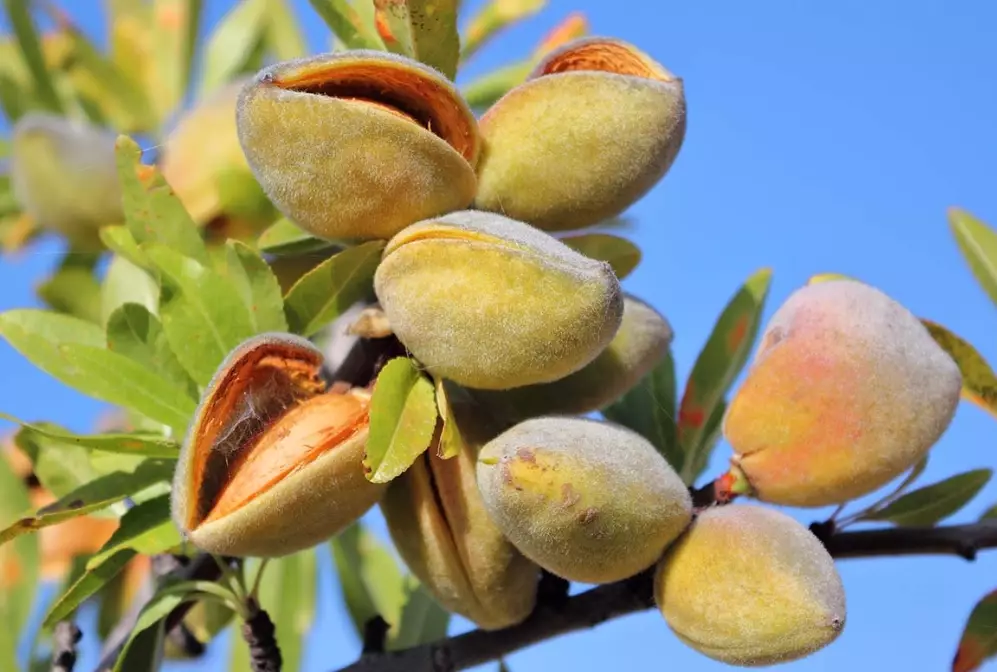
Fall (Harvest & Preparation)
Harvest when the hulls split open. Lay a tarp down and shake the branches. Wear gloves—the hulls can stain. After harvest, rake up debris to discourage pests. This is also the best time to plant new trees. Reduce watering as temperatures drop.
Winter (Dormancy & Pruning)
This is when you shape the tree's future. Prune in late winter when the tree is fully dormant but before buds swell. The goal is an open, vase-shaped structure that lets light and air into the center.
Solving Common Problems: Brown Leaves, No Nuts & Pests
Things will go off-script. Here’s how to diagnose the usual suspects.
Leaves turning brown or yellow: This is usually a watering issue, but on opposite ends of the spectrum.
Overwatering: Leaves turn yellow, then brown, starting from the interior and lower branches. Soil feels constantly soggy. Roots may be rotting.
Underwatering: Leaves turn brown, crispy, and curl at the edges, often starting at the top and outer canopy. The soil is bone dry deep down.
Fix: Check soil moisture 6 inches down. Adjust your schedule. For suspected root rot, you may need to reduce watering drastically and improve drainage around the tree.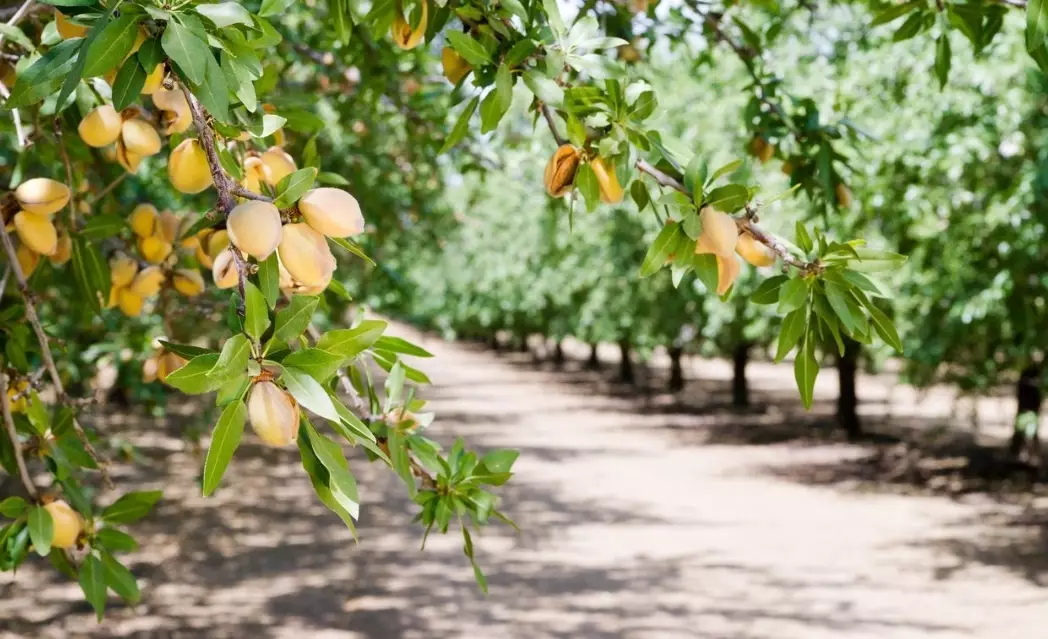
No nuts or very few nuts: Run down this checklist.
1. Chill hours: Did your winter meet the tree's requirement?
2. Pollination: Do you have a compatible partner tree? Were bees active during the brief 2-3 week bloom?
3. Frost: Did a late frost zap the blossoms?
4. Age: Trees typically don't produce a significant crop until years 3-5.
Pests: Aphids and mites can be hosed off. The more serious issue is the Peach Twig Borer (it attacks almonds too). You'll see dying shoot tips in spring. The best control is a dormant season spray of horticultural oil to smother overwintering larvae. Good sanitation (cleaning up fallen nuts and prunings) is crucial.
Your Almond Tree Questions, Answered
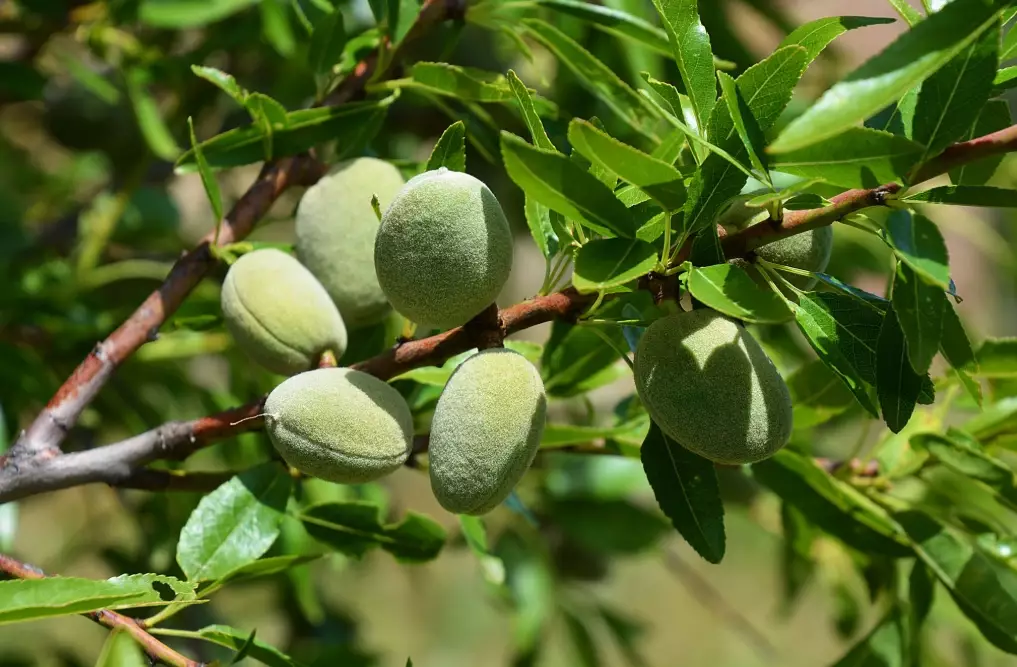 Why are the almonds from my tree shriveled and bitter?
Reader Comments