If you've ever walked through the coastal forests of the Pacific Northwest and noticed a glossy-leaved shrub with dark blue berries, you've probably met the evergreen huckleberry (Vaccinium ovatum). It's more than just a pretty plant. It's a cornerstone of native ecosystems, a historical food source, and frankly, one of the most versatile and under-appreciated shrubs you can add to your garden. I've spent years cultivating them, foraging for them, and even arguing with fellow gardeners about the best way to prune them. This guide cuts through the noise and gives you the straight facts.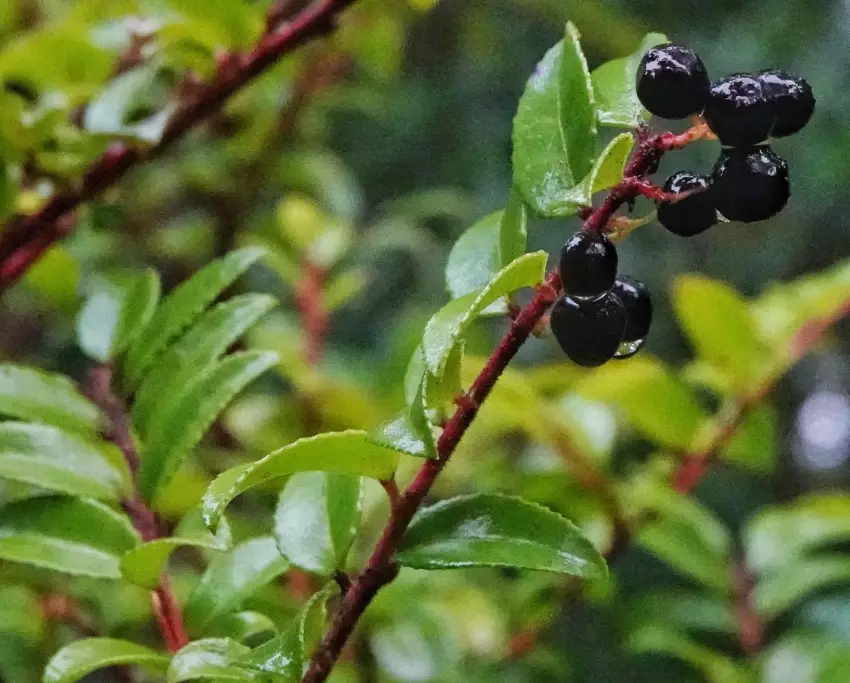
What's Inside This Guide
What Exactly is an Evergreen Huckleberry?
Let's clear up the confusion first. The evergreen huckleberry (Vaccinium ovatum) is a native broadleaf shrub found from central California up to British Columbia. It's a member of the heath family (Ericaceae), sharing lineage with blueberries, cranberries, and rhododendrons. This tells you a lot about what it likes: acidic soil.
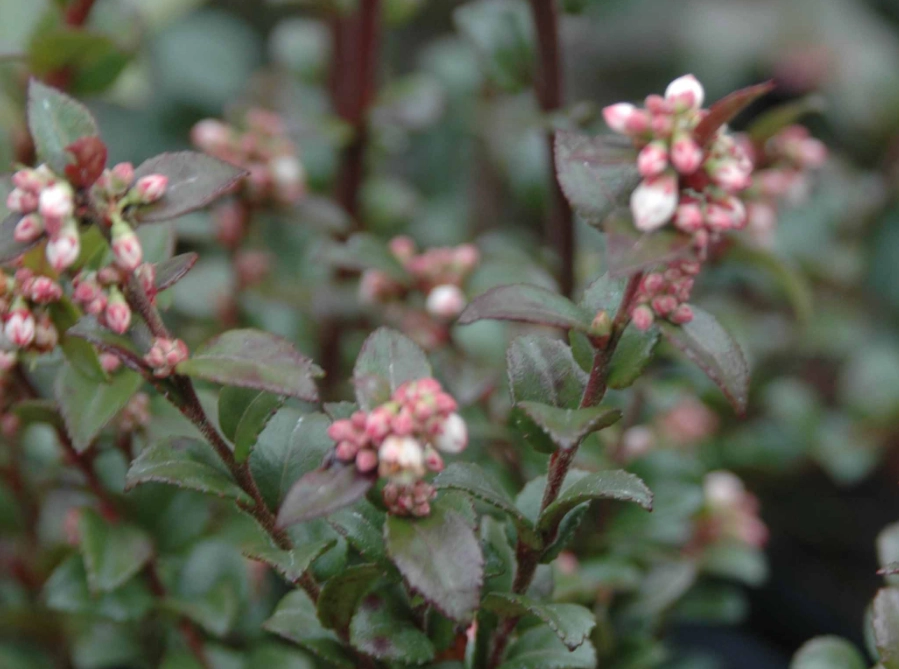
It's not a tree. Mature plants typically reach 4 to 8 feet tall and wide, forming a dense, rounded mound. The leaves are its signature feature—small, oval, leathery, and a stunning dark green that takes on bronze or purplish hues in winter. The flowers are small, urn-shaped, and pinkish-white, appearing in spring. The real prize comes in late summer to fall: round, glossy berries that shift from red to deep purple-black when ripe.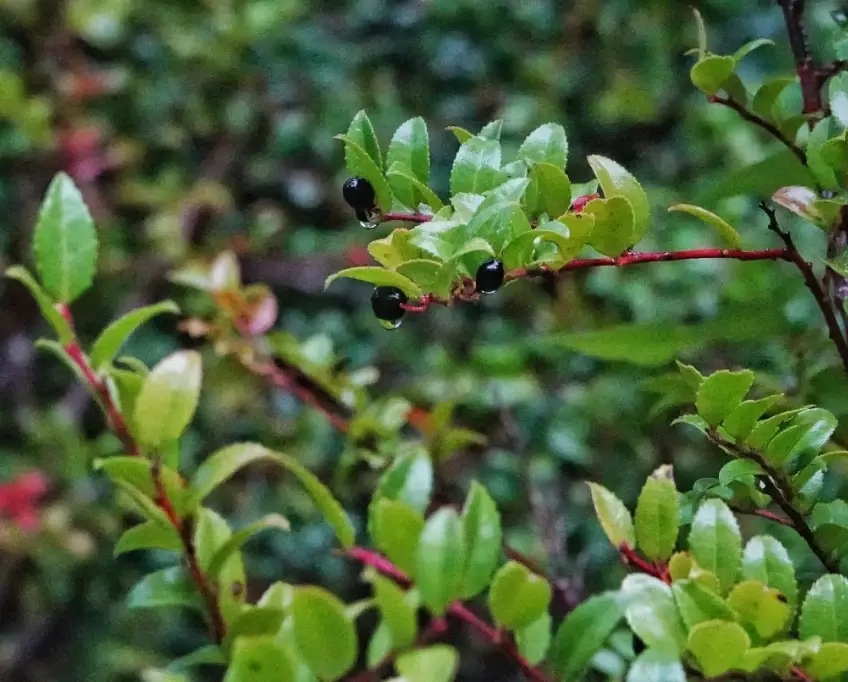
Why It's a Garden and Ecosystem Superstar
This isn't just a berry bush. It's a multitasker.
- Wildlife Magnet: Birds like thrushes and band-tailed pigeons devour the berries. Bees and butterflies visit the flowers. It provides cover for small mammals.
- Deer Resistant (Mostly): The tough leaves aren't a deer's first choice, making it a savior for gardeners in browse-prone areas. Young shoots might get nibbled, but established plants are usually left alone.
- Four-Season Interest: Spring flowers, summer berries, evergreen foliage, and winter color. Few shrubs offer that much.
How to Grow Evergreen Huckleberry in Your Garden
Thinking of planting one? Good choice. But copying blueberry care exactly is the most common mistake I see. They're cousins, not twins.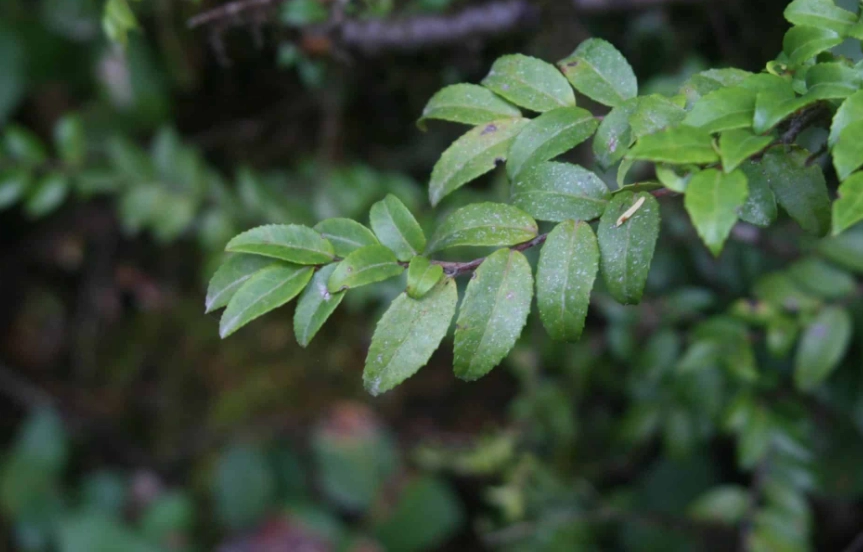
The Non-Negotiables: Site and Soil
Get this wrong, and the plant will just sulk. It prefers partial shade, especially in hotter inland areas. Morning sun with afternoon dappled shade is ideal. Full sun on the coast is okay if the soil stays moist.
Soil is critical. It must be well-draining and acidic (pH 4.5 to 6.0). Heavy clay is a death sentence unless you plant in a raised bed. I amend the planting hole with a 50/50 mix of native soil and acidified planting mix (like one for rhododendrons). A thick layer of acidic mulch like pine needles or shredded bark helps retain moisture and keep roots cool.
| Factor | Ideal Condition | Common Mistake to Avoid |
|---|---|---|
| Light | Partial shade (dappled light) | Planting in full, baking afternoon sun. |
| Soil pH | 4.5 - 6.0 (Acidic) | Assuming garden soil is fine; always test. |
| Watering | Consistently moist, not soggy | Letting it dry out completely in summer. |
| Spacing | 4-6 feet apart for a hedge | Crowding them; they need air flow. |
Care Through the Seasons
Watering: The first two years are key. Water deeply 1-2 times per week. Once established, they are surprisingly drought-tolerant but will produce more berries with summer water. The leaves will tell you—if they look dull or start to cup, it's thirsty.
Fertilizing: Go easy. A light application of an acid-loving plant food (like cottonseed meal or a rhododendron formula) in early spring is plenty. More is not better; you'll get lush leaves and few berries.
Pruning: Here's my controversial take: you barely need to. Most guides tell you to prune for shape. I find they have a perfect natural form. If you must, only remove dead or crossing branches immediately after fruiting. Heavy pruning sacrifices next year's flowers, which form on old wood.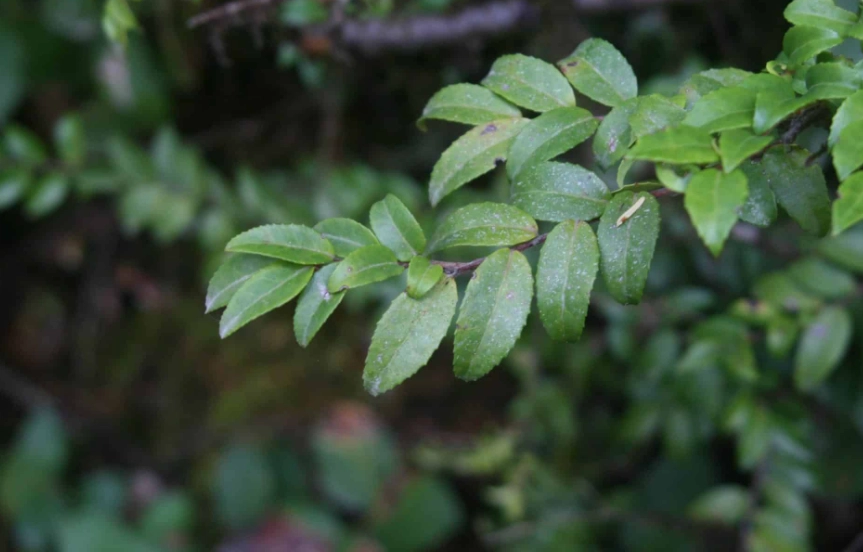
Where and How to Forage for Wild Huckleberries
Maybe you'd rather find them than grow them. Foraging for evergreen huckleberries is a Pacific Northwest rite of passage, but it's not like picking apples in an orchard.
Prime Foraging Territory
Look in coniferous or mixed forests west of the Cascades, from sea level up to about 3,000 feet. They often thrive on the edges of clearings, along old logging roads, and in partially shaded understories. I've had the best luck in areas that get a bit of morning sun breaking through the Douglas firs.
Timing is late summer through fall, usually August to October. Elevation matters—berries at higher elevations ripen later.
The Forager's Code: Safety and Sustainability
Positive Identification is Rule #1. The main look-alike to be wary of is the poisonous Gaultheria shallon (salal) berry before it ripens. Salal berries have a distinct crown on the end, while huckleberries are smooth and round. When in doubt, don't eat it. Consult a reliable field guide or a local expert.
Forage Sustainably. This is crucial. Take only what you'll use, and never strip a bush bare. Use your fingers, not rakes. Be aware of local regulations—some public lands require permits for commercial picking, but personal use is generally fine. Always check with the land management agency (like the U.S. Forest Service or state parks) for specific rules.
My personal rule is the "one-third" rule: never take more than a third of the ripe berries from any single plant. Leave some for the wildlife and to ensure the plant continues to propagate.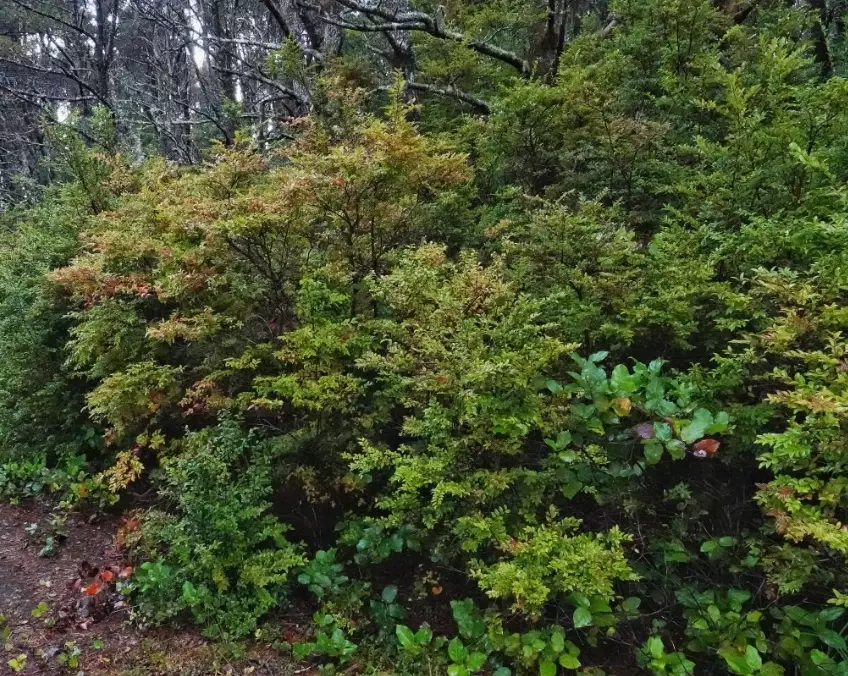
From Bush to Table: How to Use Your Harvest
The berries are tart, sweet, and complex—more intense than a store-bought blueberry. They're packed with antioxidants and vitamins.
Culinary Uses Beyond Just Jam
Yes, they make incredible jam, syrup, and pie. But don't stop there.
- Fresh: Eat them straight off the bush. The flavor deepens after a light frost.
- Sauces: Simmer with a bit of sugar and water for a stunning sauce for game, duck, or pancakes.
- Infusions: Steep them in vinegar for a unique salad dressing or in vodka for a homemade liqueur.
- Drying: They dry beautifully, like tart currants, for adding to granola or trail mix.
They freeze perfectly. Spread them in a single layer on a baking sheet, freeze solid, then transfer to bags. No need to wash before freezing if they're clean—it helps preserve the waxy bloom.
A Historical and Cultural Note
For Coastal Indigenous peoples, like the Salish, these berries were a vital, nutrient-dense food source, often dried into cakes for winter storage. Recognizing this history adds depth to the simple act of picking a berry.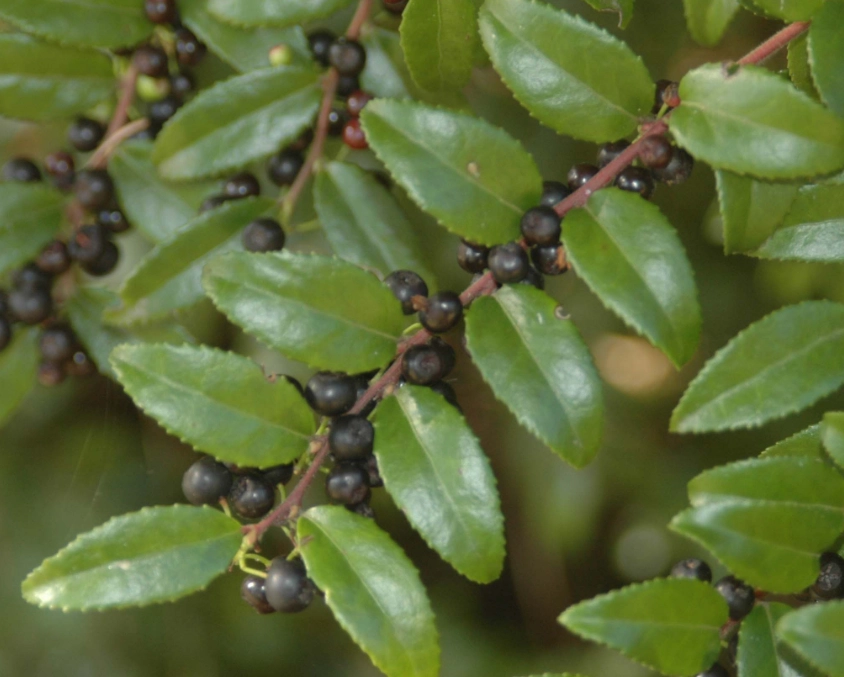
Your Evergreen Huckleberry Questions Answered
 How do I tell evergreen huckleberry apart from poisonous look-alikes when foraging?
Reader Comments