You've probably got a jar of dried bay leaves in your spice rack. But have you ever considered growing the source plant, Laurus nobilis, yourself? It's not just a culinary workhorse; it's a stunning, aromatic evergreen that can be a garden centerpiece or a manageable potted herb. Yet, I see the same mistakes over and over—people treat it like a typical shrub, and then wonder why it's dropping leaves or looks spindly. After two decades of gardening with Mediterranean plants, I can tell you the bay laurel has its own quiet demands. Getting it right means a lifetime supply of the freshest bay leaves and a plant that feels like an old friend in your garden.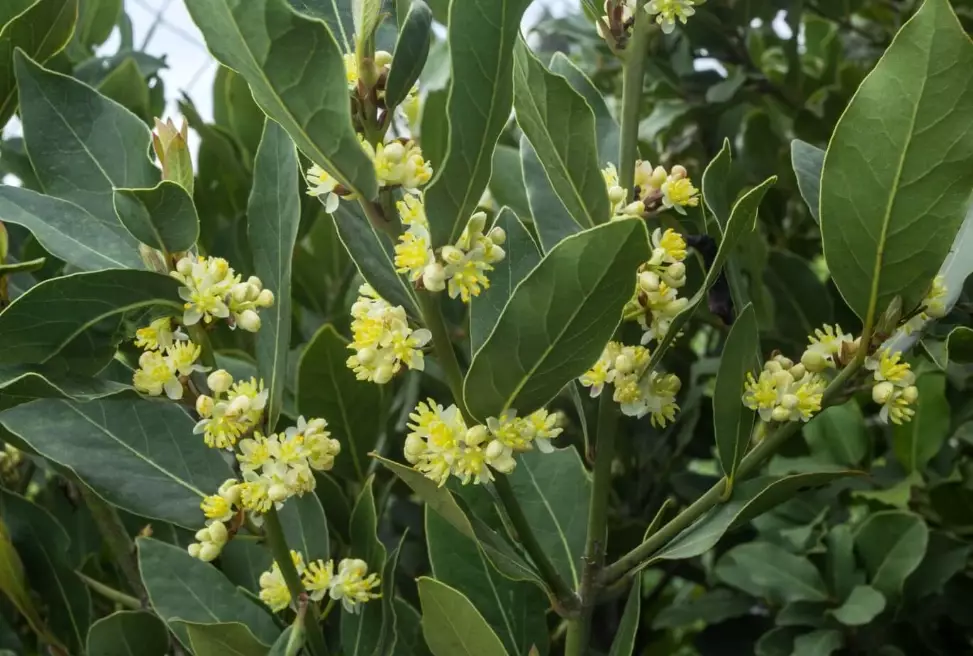
What's Inside This Guide?
How to Plant and Grow Bay Laurel
Success starts with the right location and soil. Think about where this plant comes from—the sun-drenched, well-drained hillsides of the Mediterranean. Replicating that is 90% of the battle.
Where Should You Plant a Bay Laurel?
Full sun is non-negotiable for strong growth and potent leaf oils. It tolerates partial shade, but the plant will get leggy, stretching for light. Shelter from harsh, cold winds is crucial, especially in winter. A south-facing wall is a classic, perfect spot that provides radiant heat.
Soil: The Biggest Make-or-Break Factor
Let's be honest, most bay laurels die from overwatering, not underwatering. The roots despise sitting in soggy soil. You need drainage, drainage, and more drainage.
For garden planting, if you have heavy clay, don't just dig a hole and plop it in. That creates a bathtub effect. You must improve the entire planting area. Mix in plenty of gritty sand or fine gravel and organic matter like compost. Raised beds are a fantastic solution.
For containers, use a high-quality potting mix formulated for citrus or Mediterranean plants. I always add an extra handful of perlite or pumice to the mix. Ensure the pot has large drainage holes.
Planting Steps: A Simple Checklist
- Timing: Plant in spring or early fall to allow roots to establish before extreme heat or cold.
- The Hole: Dig twice as wide as the root ball, but no deeper.
- Water First: Water the plant in its nursery pot thoroughly an hour before planting.
- Position: Place it so the top of the root ball is level with the soil surface. Planting too deep is a common error.
- Backfill & Water: Fill with your amended soil, firm gently, and water deeply to settle.
Essential Bay Tree Care: Water, Feed, Prune
Once established, bay laurel is remarkably low-maintenance. The key is understanding its seasonal rhythm.
Watering Wisdom: Less is Often More
New plants need consistent moisture for the first year. Water deeply when the top inch of soil feels dry. The goal is to encourage deep roots.
For established plants, they are drought-tolerant. I often let the soil dry out almost completely between waterings for my in-ground tree. Potted bays need more frequent watering—check weekly in summer. In winter, reduce watering significantly for both, especially for potted plants kept in cooler conditions.
Feeding for Flavorful Foliage
You don't need to pump it full of fertilizer. A light feed in spring with a balanced, organic fertilizer (like a 5-5-5) is sufficient. For potted plants, a half-strength liquid feed every 4-6 weeks during the growing season works well. Stop feeding by late summer to let new growth harden off before winter.
How Do You Prune a Bay Laurel Tree?
Pruning is where you can have fun. Bay laurel responds beautifully to pruning and can be shaped into standards (lollipop trees), pyramids, or simple shrubs.
When: The best time is late spring or early summer, after the main flush of growth but well before winter.
How: Use clean, sharp shears. You can prune for shape or to control size. To create a standard tree, select a single, strong leader and remove lower side shoots gradually over time. To maintain a shrub, simply trim back the current year's growth to a bud. Don't be afraid to cut into older wood if needed—it will sprout back, albeit slowly.
Harvest Pruning: Regular harvesting of leaves for the kitchen doubles as light pruning.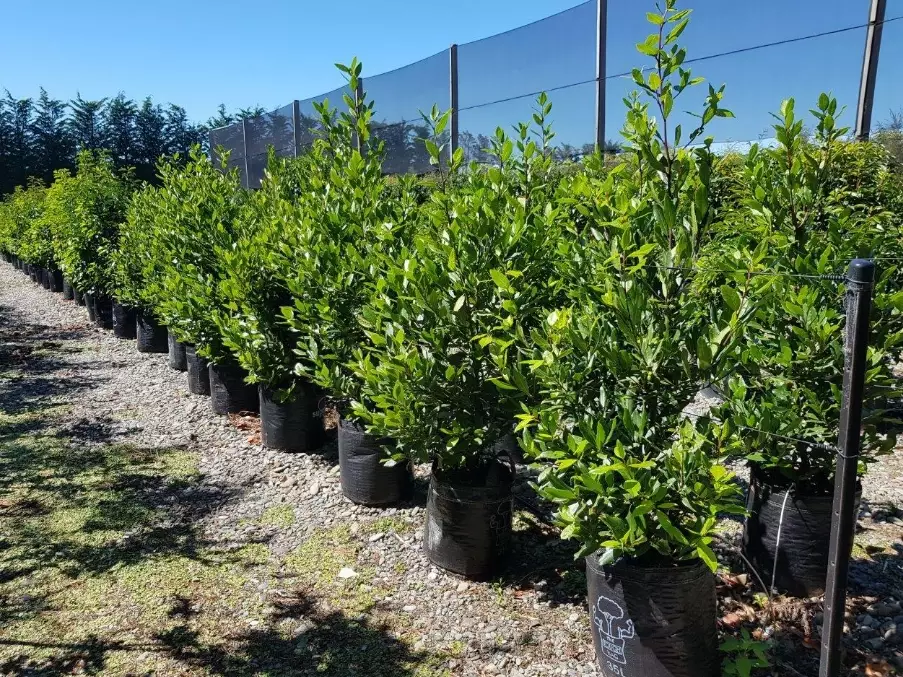
Harvesting and Using Bay Leaves
This is the reward. Fresh bay leaves are a revelation—more complex and less harsh than the dusty ones you've had for years.
When and How to Harvest Bay Leaves
You can pick leaves year-round, but the flavor is most concentrated just before the plant flowers in late spring and in early fall. Choose mature, dark green, unblemished leaves.
Snip individual leaves or small sprigs with clean scissors. Avoid stripping a branch bare.
Drying and Storing for Maximum Flavor
Lay leaves flat on a rack or tie sprigs and hang them in a warm, dark, well-ventilated place. They're dry when crisp. A dehydrator on the lowest setting works too.
Store dried leaves whole in an airtight jar away from light and heat. Crush them just before using. Properly stored, they keep their flavor for over a year, but truly, fresh is best.
Culinary Uses Beyond Soups and Stews
Everyone knows to toss a bay leaf into a stew. But try these:
- Infused Oils & Vinegars: Gently warm olive oil with a few fresh bay leaves and a strip of lemon zest. Let it cool and infuse for a week.
- Creamy Sauces: Steep a bay leaf in the warm milk or cream for a béchamel sauce, then remove it.
- Rice and Grains: Add a leaf to the cooking water for rice, quinoa, or lentils.
- Grilling: Throw a few fresh leaves directly onto hot coals when grilling meat or fish for a aromatic smoke.

Common Bay Laurel Problems and Solutions
Bay trees are generally tough, but they have a few enemies. Here’s a quick-reference table for diagnosis and action.
| Symptom | Likely Cause | Expert Solution |
|---|---|---|
| Yellow leaves dropping, especially lower ones | Overwatering / Poor Drainage | Let soil dry out completely. Improve drainage. For pots, check roots for rot and repot if necessary. |
| Sticky residue on leaves, small brown/white bumps | Scale Insects or Bay Suckers | For scale, wipe with alcohol-soaked cotton swab or apply horticultural oil. For bay suckers (distorted leaf edges), prune off affected growth in spring. |
| Pale, mottled leaves with fine webbing | Spider Mites | Increase humidity, spray foliage with a strong jet of water. Use insecticidal soap for severe cases. |
| Black sooty mold on leaves | Honeydew from pests (Scale, Aphids) | Treat the underlying pest problem. The mold wipes off once the pests are gone. |
| Brown, scorched leaf edges | Fertilizer burn, windburn, or underwatering | Flush pot soil with water to remove salts. Provide wind protection. Ensure deep watering during dry spells. |
The most frequent issue I'm asked about is scale. It's sneaky. You might not notice the small, immobile bumps until the plant looks unhappy. Regular inspection of the undersides of leaves is your best defense.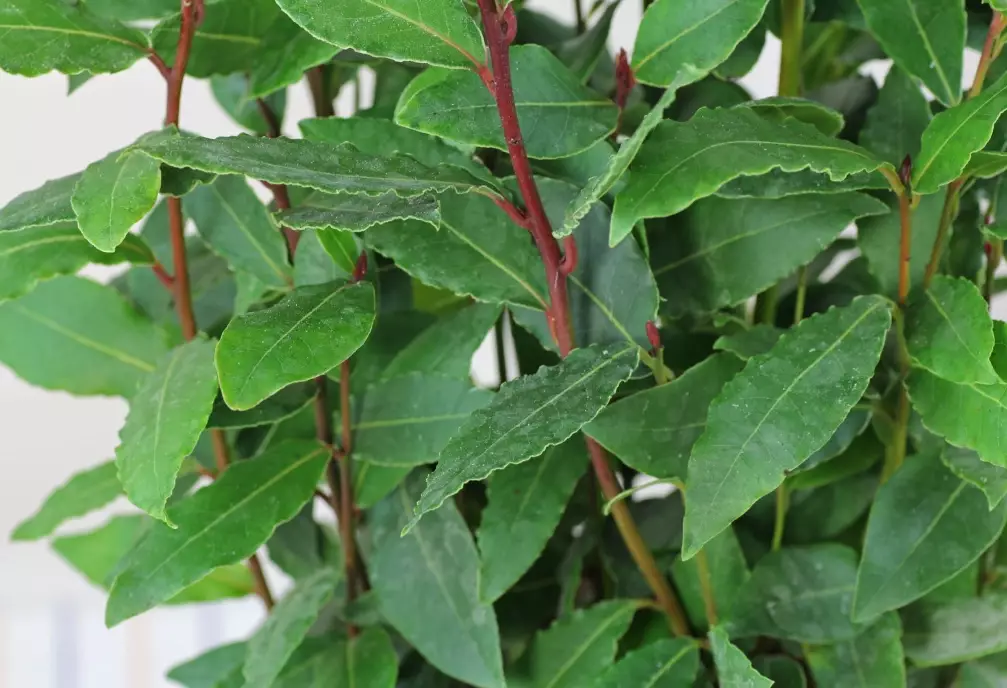
Your Bay Laurel Questions Answered
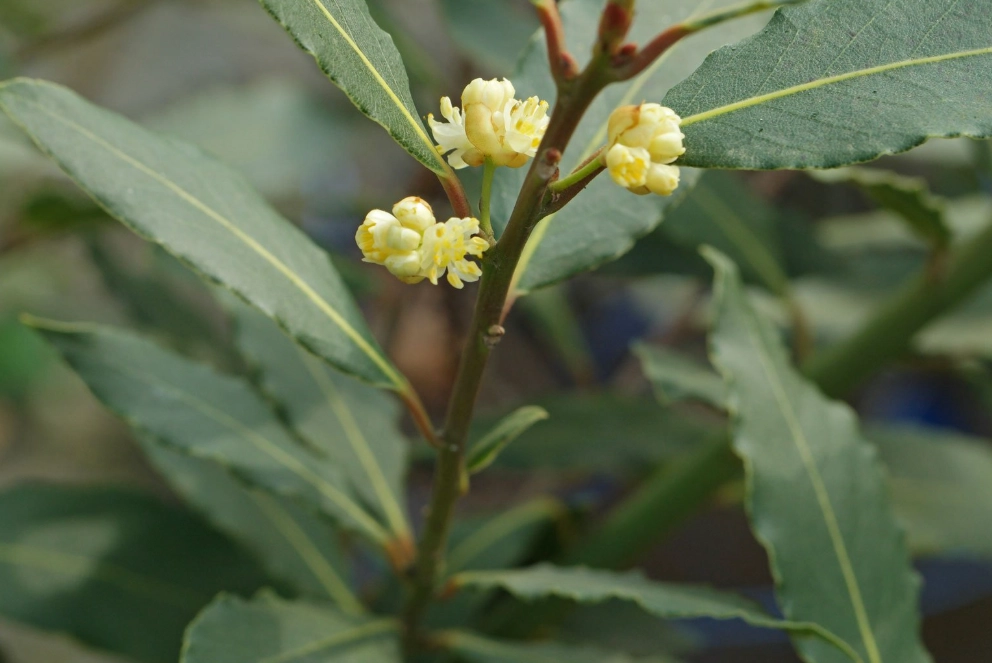 How can I tell if my bay laurel is getting too much or too little sun?
Growing Laurus nobilis connects you to centuries of culinary and horticultural tradition. It's a patient, rewarding plant that asks for little but gives so much—structure to your garden, aroma to your patio, and unparalleled flavor to your kitchen. Start with the right spot and soil, treat it with a bit of Mediterranean neglect, and you'll have a companion for decades.
Reader Comments