Let's talk about persimmon trees. You might have seen those bright orange fruits hanging like ornaments in late fall, or maybe you've tasted the honey-sweet flesh of a fully ripe Fuyu. There's a common misconception that they're fussy or slow to produce. I'm here to tell you that's not entirely true. With the right start and a bit of know-how, a persimmon tree can be one of the most rewarding and low-maintenance fruit trees in your garden. I learned this the hard way after my first tree, a 'Hachiya', sat for three years without a single flower because I planted it in a spot that got afternoon shade. It was a classic beginner mistake, focusing only on soil and forgetting about the critical need for full sun.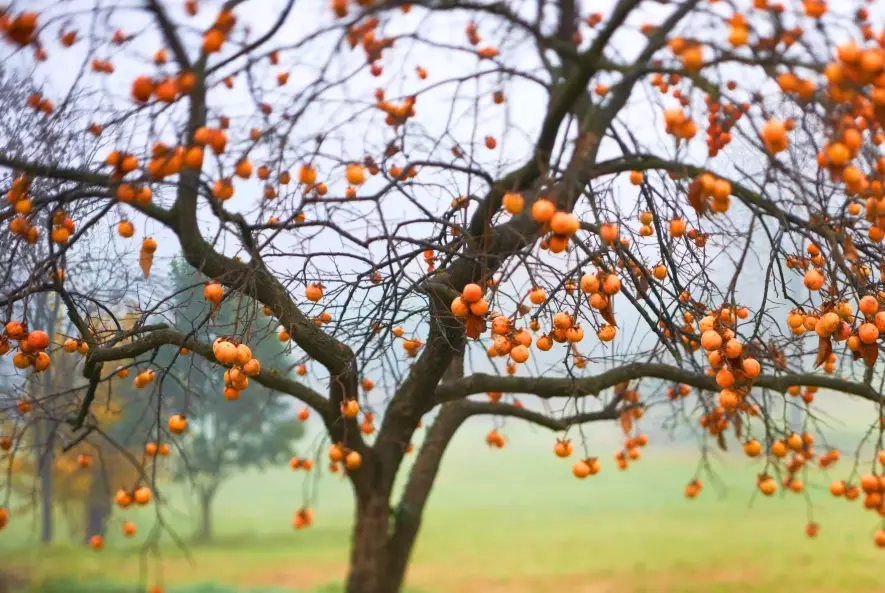
Quick Navigation: What You'll Learn
Picking the Perfect Persimmon Tree for Your Garden
This is the most important decision you'll make. Get it wrong, and you could be waiting years for fruit, or end up with a tree that's too big for your space. The two main species are Diospyros kaki (Asian or Japanese persimmon) and Diospyros virginiana (American persimmon).
For most home gardeners, Asian varieties are the way to go. They produce larger, more consistently sweet fruit on more manageable-sized trees. American persimmons are incredibly cold-hardy and native, but the fruit is smaller, has more seeds, and the astringency is fierce until it's completely ripe—like mushy-ripe.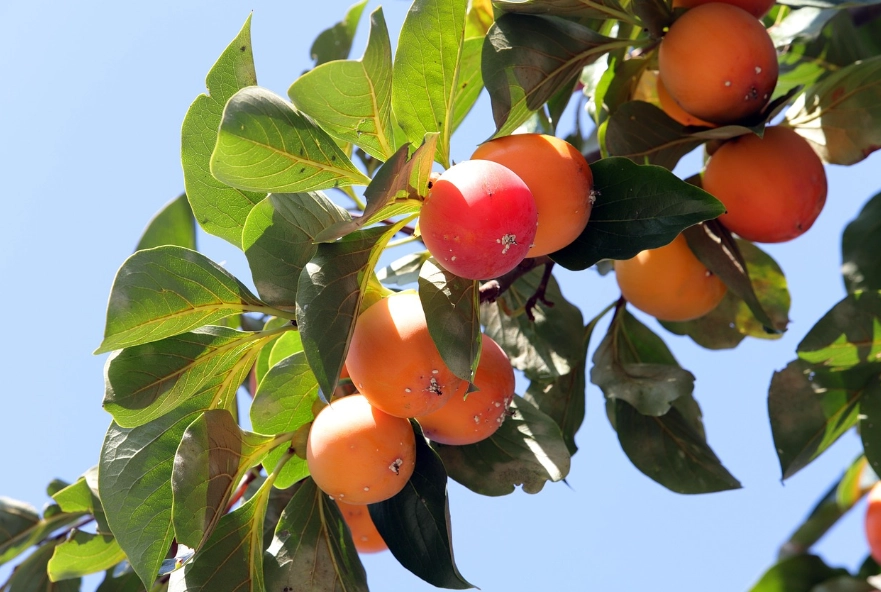
Here’s the breakdown you need:
| Variety | Type (Astringent/Non-Astringent) | Best For | Chill Hours Needed | Mature Height |
|---|---|---|---|---|
| Fuyu | Non-Astringent | Beginners. Eat firm like an apple. Most popular. | 100-200 | 15-20 ft |
| Hachiya | Astringent | Baking & pudding. Must be jelly-soft to eat. | 100-200 | 15-20 ft |
| Jiro (Fuyu-type) | Non-Astringent | Warmer climates. Slightly flatter shape than Fuyu. | 12-15 ft | |
| Saijo | Astringent | Flavor connoisseurs. Exceptionally sweet when soft. | 200+ | 15-18 ft |
| American Persimmon | Astringent | Cold climates (to -25°F), native planting. | 200+ | 30-50 ft (wild) |
See the difference? Astringency is key.
Pollination is another sneaky factor. Most Asian persimmons are parthenocarpic, meaning they can set fruit without pollination (and those fruits will be seedless). However, some varieties, like 'Tanenashi', absolutely need a pollinator. Always check the tag. If you're unsure, planting a 'Fuyu' and a 'Hachiya' near each other is a safe bet that will cover pollination for most other varieties too.
Pro Tip from the Nursery: Don't buy the biggest tree you can find. A 5-gallon pot with a healthy, well-branched structure is better than a 15-gallon tree that's root-bound or has a weak central leader. Younger trees establish faster and often overtake older, stressed transplants.
The Step-by-Step Guide to Planting Your Tree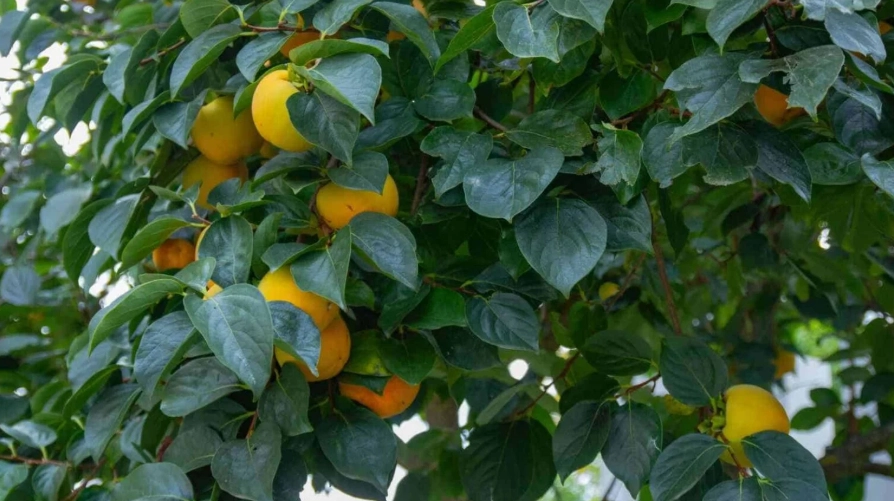
Planting day sets the stage for the next 50 years. I'll walk you through it, but first, the non-negotiables: Full sun (at least 8 hours) and well-drained soil. Persimmons hate "wet feet." If your soil is heavy clay, you must amend it or plant on a raised mound.
Site Preparation and Planting Process
1. Timing is (Almost) Everything: Late winter or early spring, while the tree is still dormant, is ideal. Fall planting can work in mild-winter climates.
2. Dig the Right Hole: This is where most people go wrong. The hole should be twice as wide as the root ball, but no deeper. You want the tree to sit on firm, undisturbed soil to prevent settling. Loosen the soil at the sides of the hole with a fork.
3. Handle the Roots: Gently remove the tree from its pot. If the roots are circling tightly, make four vertical slices down the sides of the root ball with a clean knife to encourage outward growth. Don't just tear them apart.
4. Position and Backfill: Place the tree so the root flare (where the trunk widens) is slightly above the surrounding soil level. Backfill with the native soil you dug out, maybe mixed with 20-30% compost. Don't use pure potting mix or heavy fertilizers in the hole—it creates a "bathtub" effect.
5. Water and Mulch: Water deeply to settle the soil. Then, apply a 3-4 inch layer of wood chip mulch in a wide circle around the tree, keeping it a few inches away from the trunk. This is critical for moisture retention and weed suppression.
The Big Mistake I See: Staking a tree that doesn't need it. Unless you're in a very windy area or the tree is top-heavy, avoid staking. A little movement helps the trunk strengthen. If you must stake, use flexible ties and remove them after one growing season.
Ongoing Care: Water, Food, and Pruning
Once established, persimmons are remarkably drought-tolerant. But in the first two years, consistent watering is your main job.
Watering Schedule: Think deep and infrequent. A slow trickle from a hose for 30-60 minutes once a week is better than a quick sprinkle every day. The goal is to encourage deep roots. In year one, don't let the root ball dry out completely. By year three, you can taper off, only watering during extended dry spells.
Fertilizing: Less is more. A balanced, slow-release fertilizer (like a 10-10-10) applied in early spring is sufficient. I scatter a handful around the drip line (under the outer branches) and water it in. Over-fertilizing, especially with high-nitrogen mixes, gives you lots of leaves but few flowers and fruit.
How to Prune a Persimmon Tree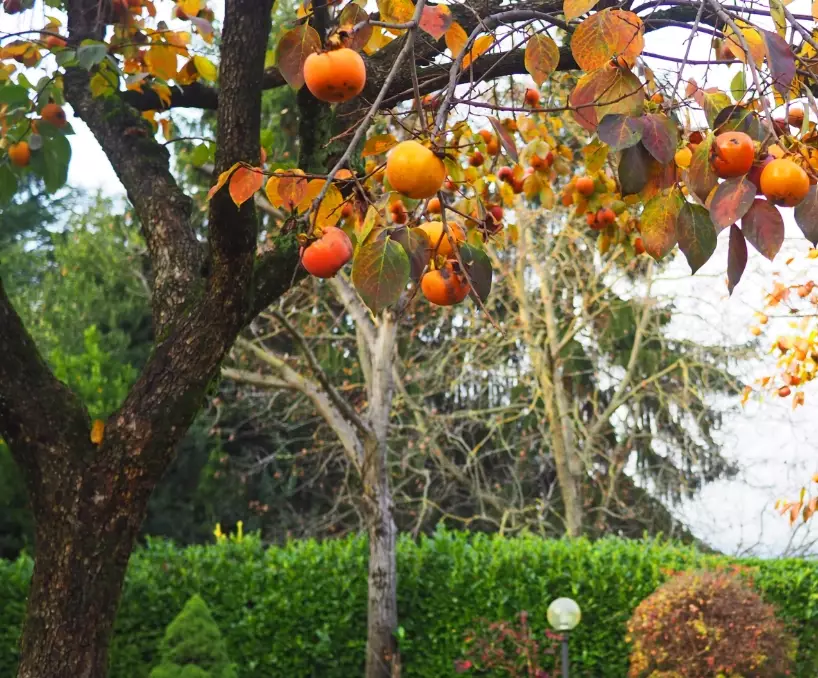
Pruning scares people. With persimmons, it's simple if you understand their bearing habit. They produce fruit on current season's growth that comes from one-year-old wood.
Early Years (Training): Your goal is to create a strong framework of 3-4 main scaffold branches with wide angles. Remove any competing central leaders and inward-growing branches.
Mature Trees (Maintenance): Prune in late winter when the tree is dormant.
- Remove dead, diseased, or crossing branches.
- Thin out some of the previous year's growth to allow light and air into the center.
- Cut back overly long branches to a side shoot to keep the tree at a manageable height.
Avoid heavy, drastic cuts. Persimmons don't need aggressive pruning to fruit.
When and How to Harvest & Store Persimmons
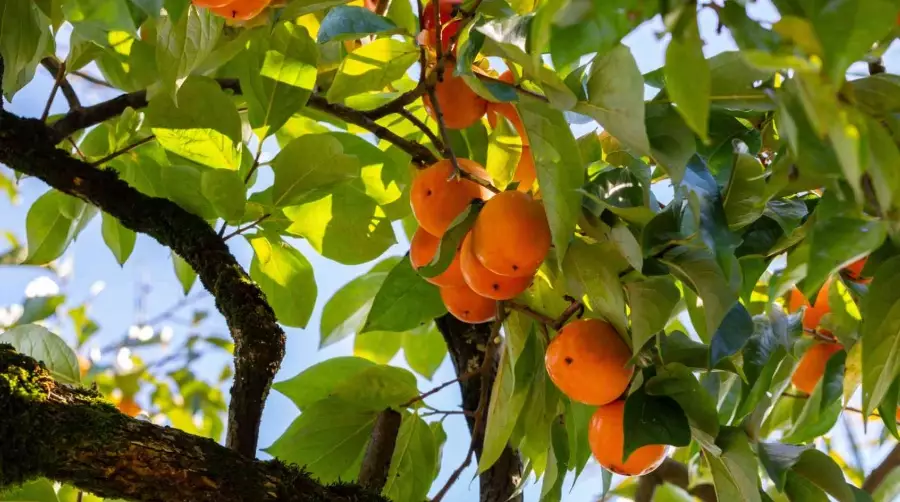
Harvest time is the payoff. For non-astringent types like 'Fuyu', you can pick them when they're fully colored but still firm, from October onward. They'll ripen further off the tree. Taste one. If it's sweet and crisp, start harvesting.
For astringent types like 'Hachiya', you must wait. And wait. Until the fruit is deeply orange, soft to the point of feeling like a water balloon, and the calyx (green leaf-like part on top) separates easily from the branch. If you bite into one early, the tannins will make your mouth feel like it's full of chalk—a memorable but unpleasant experience.
Storage Tricks:
- Firm Fuyus: Store at room temperature to ripen, or in the fridge for weeks if you want to keep them firm.
- Soft Hachiyas: Use immediately for baking, or scoop the pulp and freeze it in bags for smoothies and persimmon bread all winter.
- Speed-Ripening: Place astringent persimmons in a paper bag with a banana or apple. The ethylene gas they emit works wonders.
Troubleshooting: Solving Common Persimmon Problems
Persimmons are relatively pest-free, but issues pop up.
No Fruit? The top reasons: 1) Not enough sun. 2) Tree is too young (can take 3-5 years). 3) Over-fertilizing with nitrogen. 4) Late frost killed the flower buds. 5) Lack of pollination (for certain varieties).
Fruit Drop in Summer: A small amount is normal (the tree self-thins). A massive drop is usually due to drought stress. Keep watering consistent during fruit development.
Leaf Spot or Anthracnose: Fungal issues in humid climates. Improve air circulation via pruning, clean up fallen leaves in autumn, and consider a copper fungicide spray as buds break in spring if it's a recurring issue.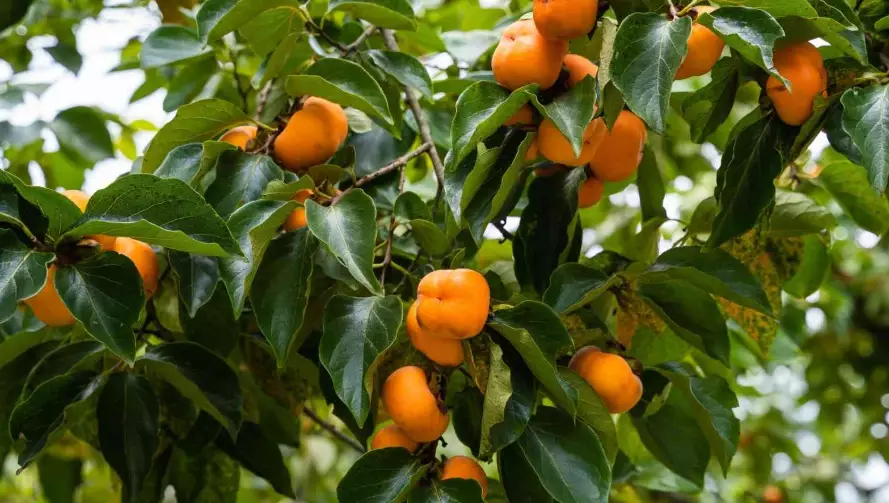
Reader Comments