Let's be honest. When summer's big show starts to fade—the coneflowers looking tired, the daylilies done—your garden can feel a bit... empty. That's where aster flowers come in. These aren't just an afterthought; they're the grand finale. A well-placed clump of asters in late September is like a standing ovation for your gardening efforts. But here's what most generic guides won't tell you: the difference between a scraggly, mildew-covered aster and a breathtaking, pollinator-covered spectacle often comes down to a few critical, rarely discussed steps. I've killed my share of asters by making classic beginner mistakes, and over a decade, I've learned what actually works.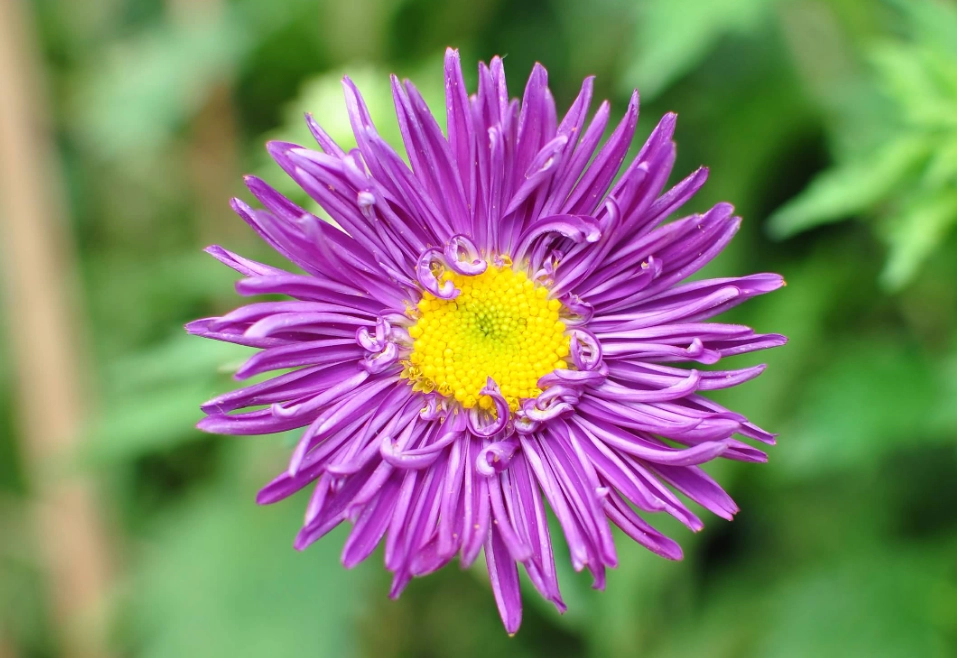
Quick Navigation: What's Inside This Guide
- Why Aster Flowers Are a Non-Negotiable for Smart Gardeners
- Picking the Right Aster: A Reality Check on Varieties
- The Step-by-Step Planting Process Most People Rush
- Your Aster Care Calendar: Not Just Water and Sun
- Solving the Two Biggest Aster Problems (Before They Start)
- The Aster FAQ: Answering the Messy, Real-World Questions
Why Aster Flowers Are a Non-Negotiable for Smart Gardeners
You plant asters for color, sure. Those dazzling purples, pinks, blues, and whites. But their real value is ecological. While other plants are shutting down, asters are opening their diner. Monarch butterflies fueling up for migration? They're on the asters. Desperate native bees stocking their final pollen larders? Asters. According to the Xerces Society for Invertebrate Conservation, late-blooming natives like asters are critical for supporting pollinator populations through the lean season. It's not just gardening; it's stewardship.
That feeling when you see a bumblebee so laden with aster pollen it can barely fly? Priceless.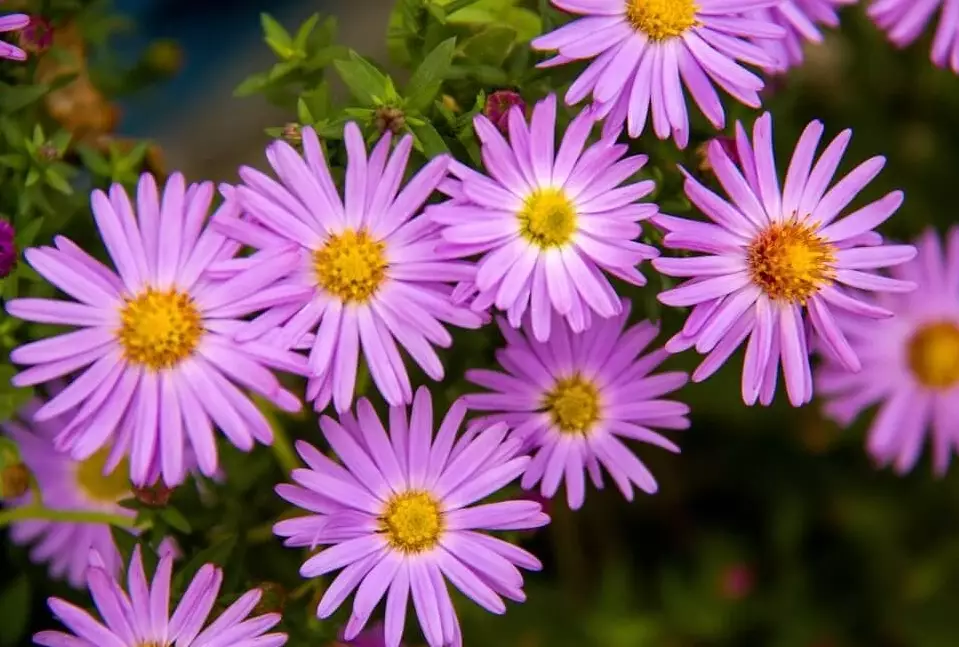
The other unspoken benefit is structure. Many aster varieties form robust, upright clumps. In the floppy, fading landscape of fall, that clean, vase-shaped form provides much-needed architecture. They hold the visual line of your border together when everything else is collapsing.
Picking the Right Aster: A Reality Check on Varieties
This is where most online lists fail. They'll give you 20 names without context. Let's cut it down to the workhorses—the ones that won't let you down and serve a clear purpose. Forget just height and color; think about disease resistance and what you actually need.
| Aster Variety (Common Name) | Key Strength & Best For | The "Watch Out For" Note |
|---|---|---|
| New England Aster (Symphyotrichum novae-angliae) | The classic tall, robust pollinator magnet. Stems are stout, rarely need staking. Flowers are intensely colored. | Can get too tall (up to 6ft) and leggy if not pinched back. Demands full sun. |
| New York Aster (Symphyotrichum novi-belgii) | More compact, bushier habit with a massive profusion of smaller flowers. Excellent for mid-border. | Notorious for powdery mildew. Must select mildew-resistant cultivars like 'Purple Dome' or 'Wood's Pink'. |
| Aromatic Aster (Symphyotrichum oblongifolium) | My personal favorite for tough love. Incredibly drought-tolerant, forms a neat, spreading mound. Foliage smells like balsam when crushed. | Spreads more aggressively via runners. Better for a naturalized area or where it can roam. |
| Calico Aster (Symphyotrichum lateriflorum) | The shade-tolerant option. Delicate, horizontal branching with tiny white flowers that turn purplish-red. Wildlife favorite. | Subtle, not a show-stopper. Appreciates more moisture than others. Plant it for the insects, not the Instagram. |
My non-consensus take? If you're a beginner or hate fussing with staking and sprays, skip the popular New York types and go straight for a New England Aster cultivar or the Aromatic Aster. You'll get 90% of the impact with 50% of the headaches.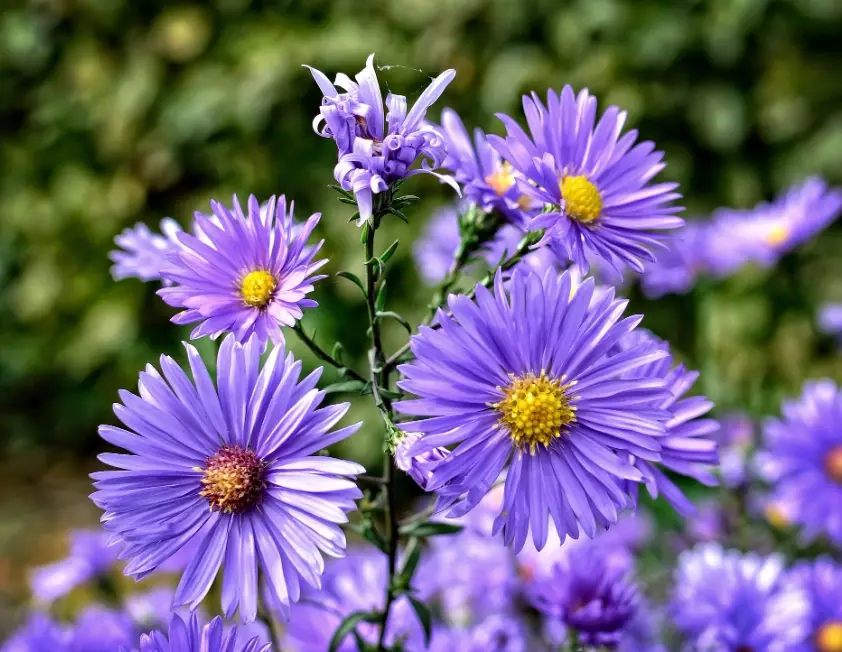
The Step-by-Step Planting Process Most People Rush
Planting perennials isn't just dig-hole, insert-plant. With asters, the first season sets the tone for years. Here's the process, with the steps most people skip in bold.
1. Timing is Everything (Really)
Spring or early fall. Not midsummer. Planting in spring gives roots time to establish before the blooming energy drain. Early fall works if you're at least 6 weeks before your first frost. I've planted in late October out of desperation, and those plants always lag a year behind.
2. The Hole Truth
Dig a hole twice as wide as the pot, but no deeper. Asters need to sit at the same soil level they were in the container. Here's the critical part: amend the backfill soil, not just the hole. Mix in a few handfuls of compost into the dirt you just dug out. If your soil is heavy clay, add some gritty sand for drainage. If it's sandy, add more compost for moisture retention.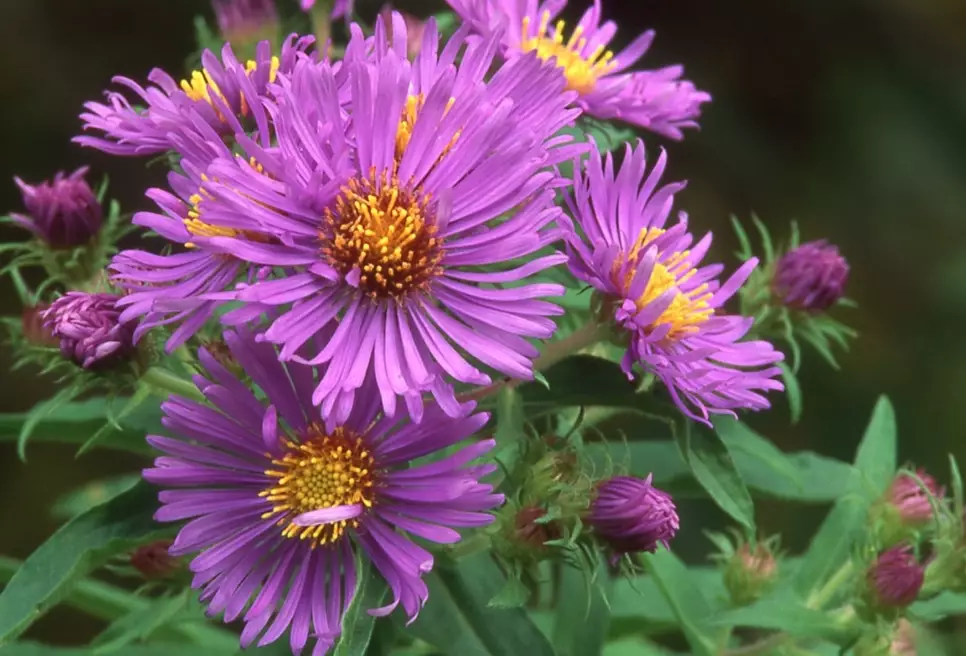
3. Spacing for Air, Not Just Looks
Crowding is the #1 invitation to powdery mildew. Respect the mature width on the tag. For most medium asters, that's 18-24 inches apart. It will look sparse. Trust the process. The air circulation between plants is your first line of defense against disease.
4. The First Water is the Most Important
Water deeply immediately after planting. Then, your job for the first month is to never let the root zone dry out completely. Think damp sponge, not soggy swamp. This consistent moisture is what signals the roots to expand and anchor.
Your Aster Care Calendar: Not Just Water and Sun
Asters are low-maintenance, not no-maintenance. A little timely action prevents a lot of late-season mess.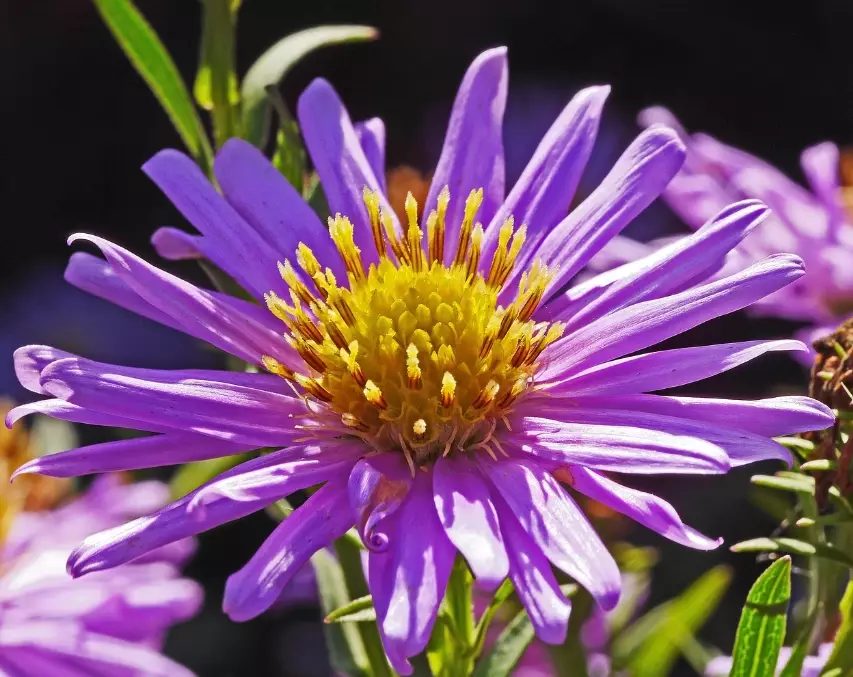
Spring (Late April/May): When new growth is about 6-8 inches tall, pinch back the tips by one-third. Yes, even on dwarf varieties. This is the single best trick to prevent floppiness. It encourages bushier growth and more flowering stems. Use your fingernails or clean snips.
Early Summer: Relax. Water during extended dry spells. They're establishing.
Late Summer (August): This is when you might see lower leaves yellowing or the first hint of mildew. Don't panic. Snip off any visibly affected leaves at the base to improve air flow. Give them a deep watering if it's been dry—they're building flower buds.
Fall (Bloom Time): Enjoy the show. Deadhead spent flowers if you have the time; it can encourage a few more blooms. But honestly, I often leave them because the seeds feed birds like goldfinches.
Late Fall/Winter: Do not cut them down. Leave the dead stems and seed heads standing. They provide overwintering habitat for beneficial insects and winter interest. Cut them back to the ground in early spring, just as new basal growth appears.
Solving the Two Biggest Aster Problems (Before They Start)
Flopping Over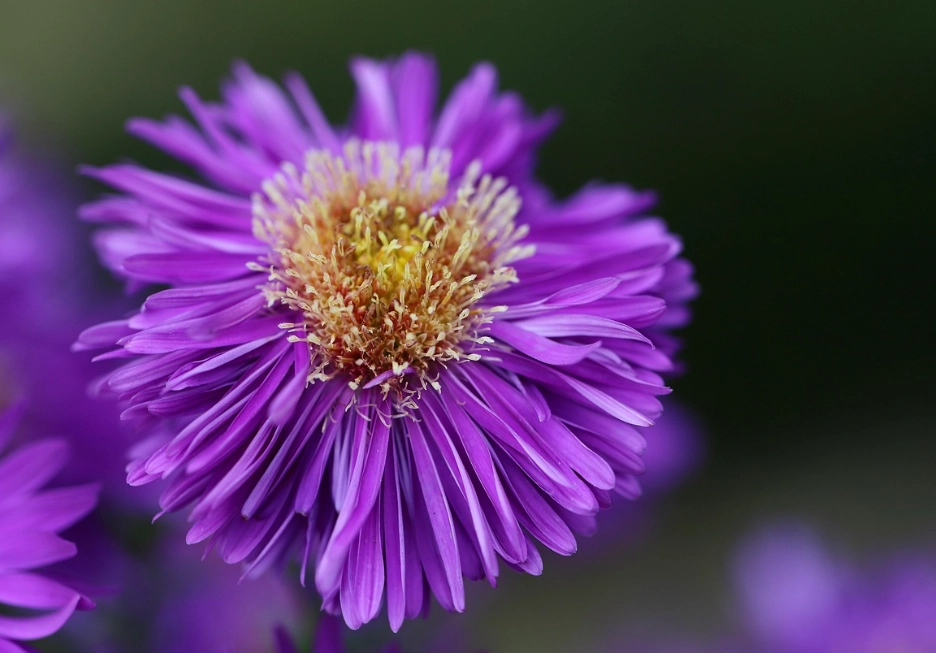
You see it everywhere—asters splayed open on the ground after a rain. The cause is usually a combination of too much shade (they stretch), too-rich soil (lanky growth), and lack of the spring pinch. The fix is proactive, not reactive. Give them full sun (6+ hours), go easy on the fertilizer (compost is enough), and execute that spring pinch. If you have a tall variety, use a grow-through metal peony ring early in the season. It's invisible by bloom time.
Powdery Mildew
That white, dusty coating on leaves. It's ugly but rarely fatal. It's also mostly preventable.
1. Choose resistant varieties (see table above).
2. Plant for air flow. Don't cram them in.
3. Water the soil, not the leaves. Use a soaker hose, not an overhead sprinkler.
4. Accept some lower-leaf loss. It's normal as energy goes to blooms.
If it appears, a spray of 1 tablespoon baking soda, 1/2 teaspoon liquid soap, and 1 gallon of water can slow it. But prevention is 95% of the battle.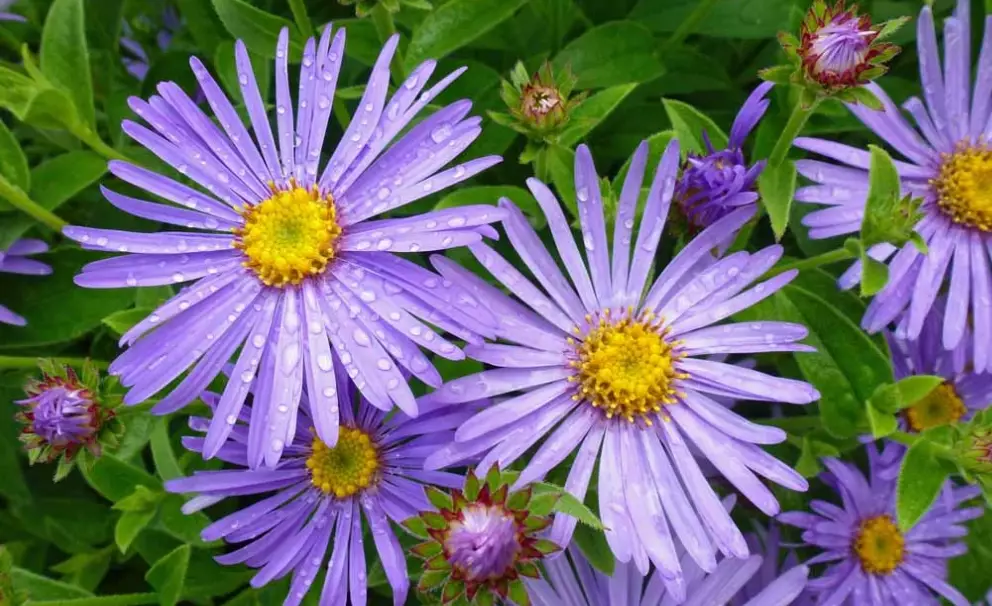
The Aster FAQ: Answering the Messy, Real-World Questions
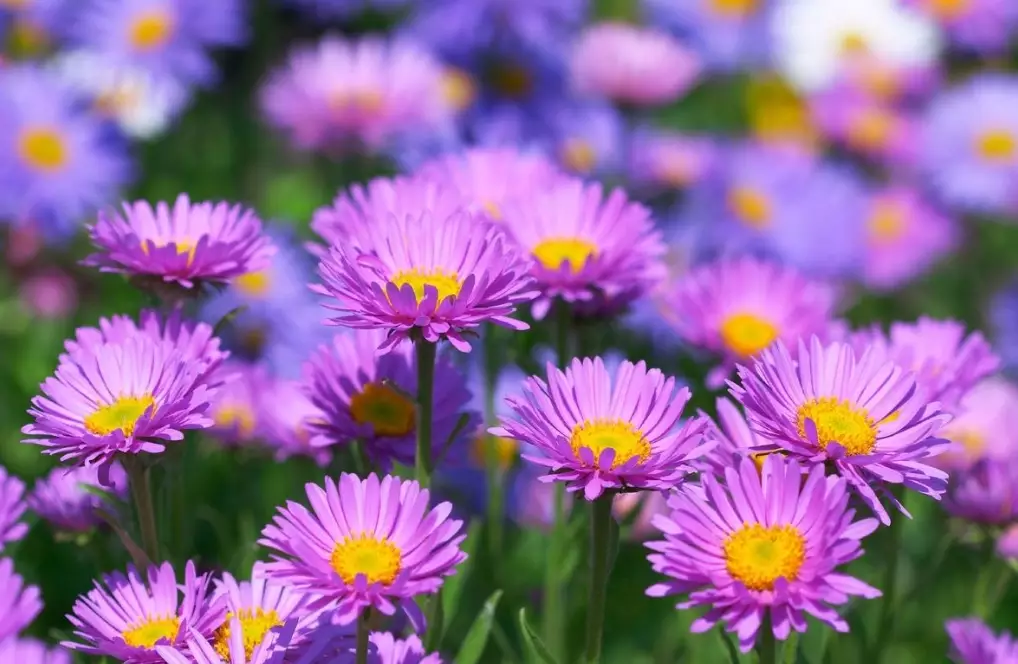 Can I divide my overgrown aster clump, and when is the absolute best time?
So there you have it. Asters aren't complicated, but they reward a bit of strategic thinking. Start with a tough variety, plant it right, give it one haircut in spring, and then mostly stand back. You'll be rewarded with that unforgettable late-season spectacle—a buzzing, colorful cloud that marks the triumphant end of your gardening year, not a weary sigh.
Reader Comments