I've been gardening with coral bells for over a decade, and let me tell you, they're one of those plants that can make or break a shade garden. If you're tired of seeing them struggle while others thrive, this guide is for you. We'll cut through the noise and get straight to what works.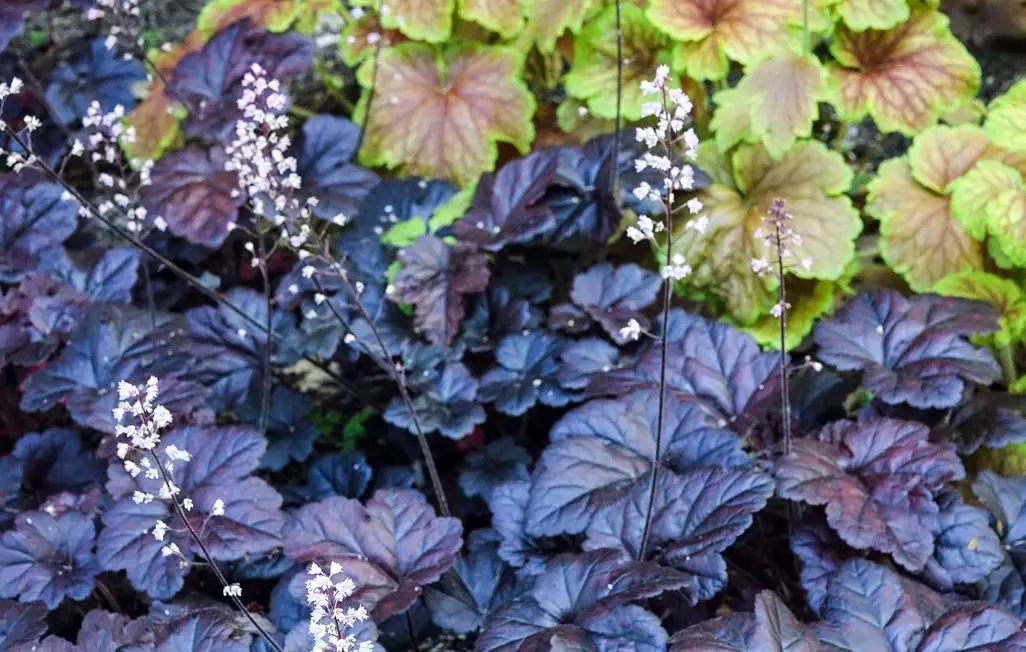
What You'll Learn in This Guide
What Are Coral Bells and Why Grow Them?
Coral bells, known botanically as Heuchera, are perennial plants prized for their colorful foliage and delicate flowers. They're native to North America, and over the years, breeders have introduced hundreds of cultivars. I remember first planting 'Palace Purple' in my backyard—the deep burgundy leaves added a pop of color where nothing else would grow.
Most gardeners love them for their low-maintenance nature and ability to thrive in shade. But here's a non-consensus view: many people think coral bells are only for shade, but some varieties can handle morning sun if you keep the soil moist. The American Horticultural Society notes their versatility in mixed borders.
Botanical Background and Benefits
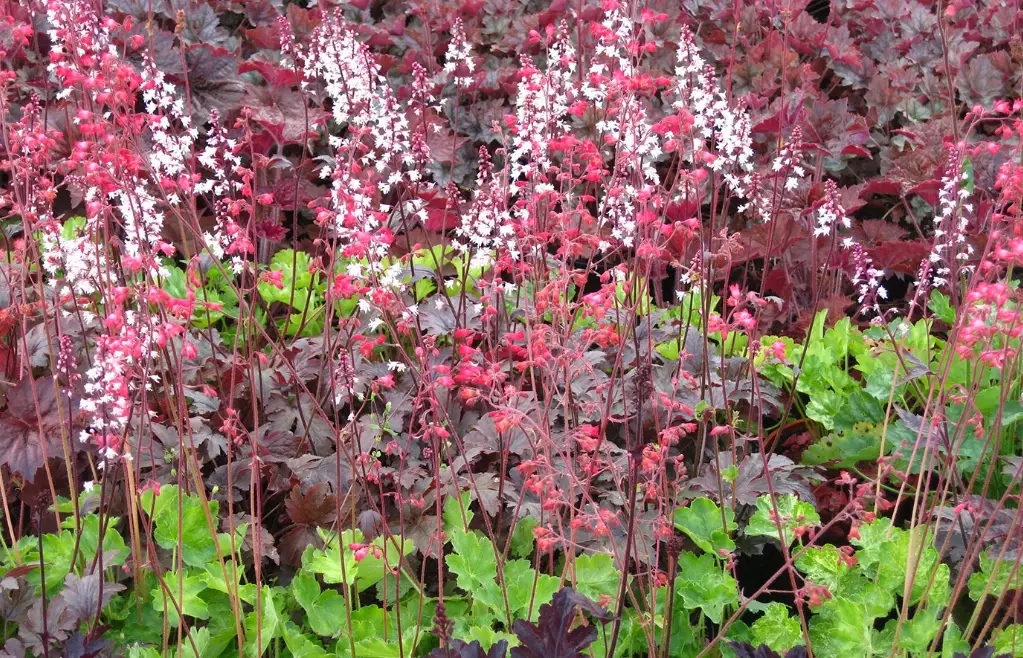
Heuchera plants form clumps of heart-shaped leaves that come in shades like lime green, silver, purple, and even orange. The flowers appear on tall stalks in spring or summer, attracting pollinators. They're perfect for edging, containers, or as ground cover. One downside? In very hot climates, they might go dormant if stressed, but that's rare with proper care.
How to Plant Coral Bells for Best Results
Planting coral bells isn't rocket science, but get it wrong, and you'll see stunted growth. I've seen too many gardeners plop them in heavy clay without amending the soil—it's a recipe for root rot. Let's break it down step by step.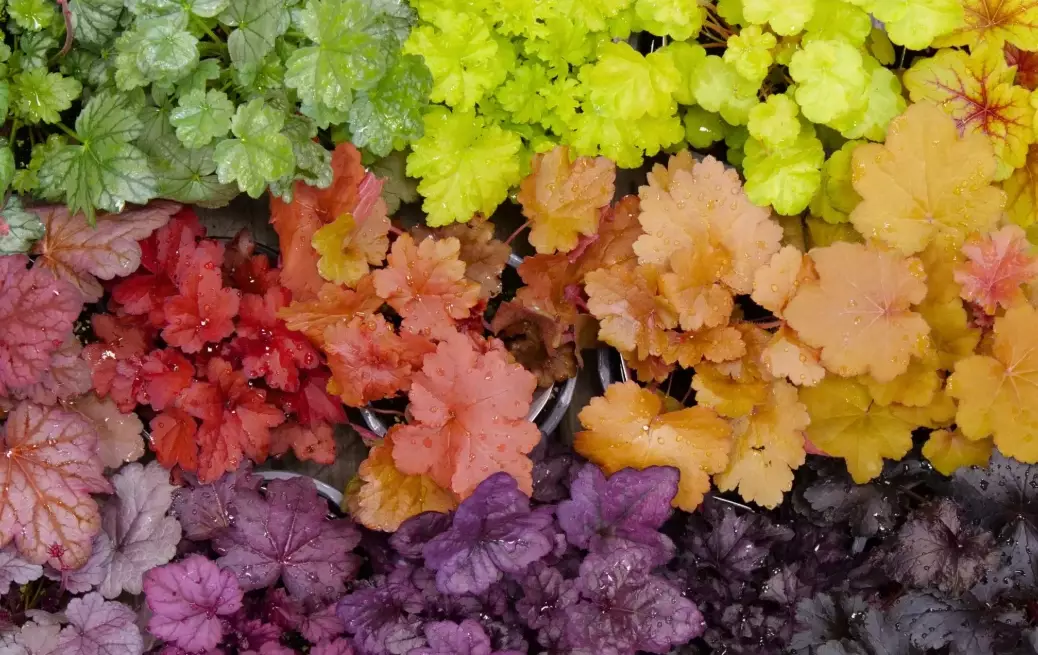
Choosing the Right Location
Coral bells prefer partial shade, meaning 4-6 hours of dappled sunlight. In cooler regions, they can tolerate more sun. Avoid deep shade or full afternoon sun, which can scorch the leaves. A north-facing border or under a tree works well.
Soil Preparation Tips
The soil must be well-drained. Coral bells hate wet feet. If your soil is clay, mix in compost or peat moss to improve drainage. Aim for a pH between 6.0 and 7.0. A soil test from your local extension office can help—I use the University of Minnesota Extension for reliable advice.
Plant in spring or fall. Dig a hole twice as wide as the root ball, place the plant so the crown is level with the soil surface, and water thoroughly. Space them 12-18 inches apart.
Pro Tip: Add a layer of mulch around the base to retain moisture and suppress weeds, but keep it away from the crown to prevent rot.
Coral Bells Care: Watering, Feeding, and Pruning
Once established, coral bells are pretty forgiving. But during the first year, they need attention. I water mine deeply once a week, more during heat waves. Overwatering is a common mistake—let the top inch of soil dry out between waterings.
Watering Schedule Based on Climate
In humid areas, you might water every 10 days. In arid zones, twice a week. Use a soaker hose to avoid wetting the foliage, which can lead to fungal issues. The Royal Horticultural Society recommends morning watering to reduce disease risk.
Fertilizing Needs
Feed coral bells in early spring with a balanced, slow-release fertilizer. I use a 10-10-10 formula at half strength. Too much nitrogen can lead to leggy growth. If your soil is rich, you might skip fertilizing altogether—mine often do fine without it.
Pruning and Maintenance
Remove dead leaves in spring to encourage new growth. After flowering, cut back the flower stalks to keep the plant tidy. Some gardeners deadhead to promote more blooms, but I find it's not necessary for foliage varieties.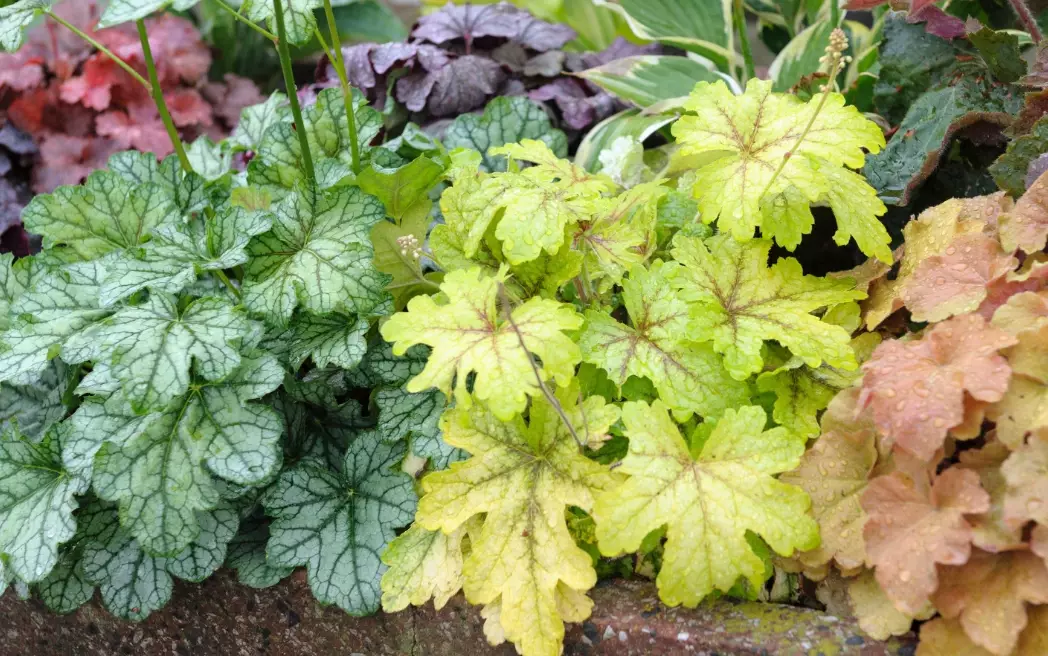
Top Coral Bells Varieties for Your Garden
With so many options, choosing can be overwhelming. Here's a table of my top picks based on years of trial and error. These varieties have proven resilient and visually striking.
| Variety Name | Foliage Color | Height | Best For | Special Notes |
|---|---|---|---|---|
| 'Palace Purple' | Deep Purple | 12-18 inches | Shade Borders | Classic, reliable, tolerates some sun |
| 'Lime Marmalade' | Bright Lime Green | 10-12 inches | Containers | Vibrant color, slow spreader |
| 'Midnight Rose' | Black with Pink Spots | 8-10 inches | Ground Cover | Unique foliage, needs good drainage |
| 'Caramel' | Peachy Orange | 14-16 inches | Mixed Beds | Heat tolerant, flowers profusely |
| 'Berry Smoothie' | Pinkish-Red | 12-14 inches | Edging | Long blooming, attracts hummingbirds |
I've grown 'Caramel' in a sunny spot with afternoon shade, and it held up better than expected. But 'Midnight Rose' can be finicky—if the soil isn't perfect, it might sulk.
For Foliage vs. Flowers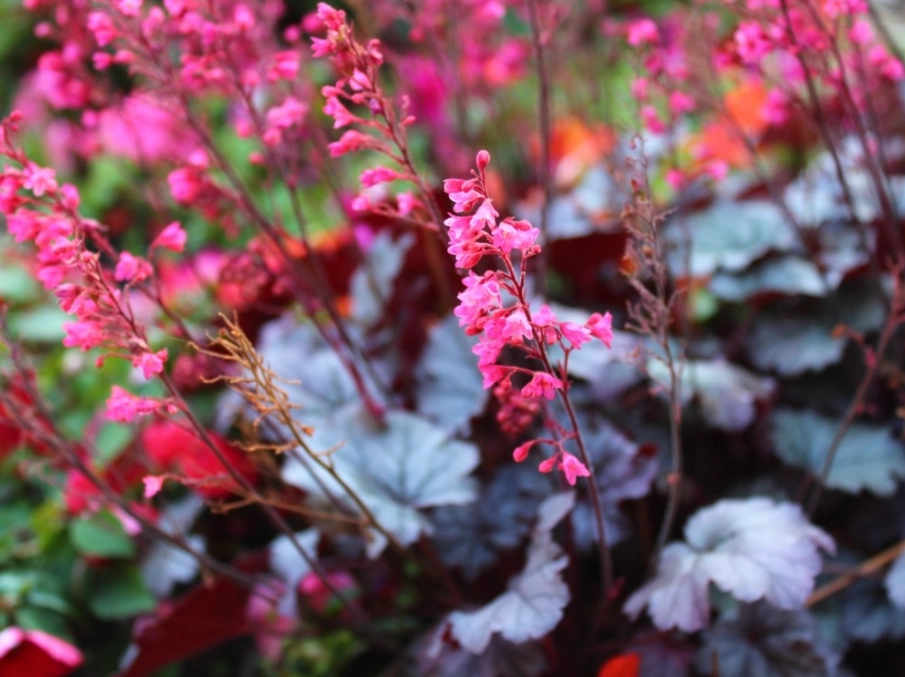
If you want bold leaves, go for 'Palace Purple' or 'Lime Marmalade'. For flowers, 'Berry Smoothie' puts on a show. Remember, some newer hybrids are bred for both, like 'Forever Red', but they might require more care.
Common Problems and How to Fix Them
Coral bells are generally pest-resistant, but issues pop up. Here's a quick rundown.
Leaf Scorch: Brown edges on leaves usually mean too much sun or dry soil. Move to a shadier spot or increase watering.
Root Rot: Caused by poor drainage. If plants wilt despite watering, check the roots—black and mushy means rot. Improve soil or replant in a raised bed.
Vine Weevils: These pests chew on roots. I've dealt with them by applying nematodes in early summer. The RHS has a detailed guide on biological controls.
Powdery mildew can occur in humid conditions. Ensure good air circulation and avoid overhead watering. If needed, use a fungicide labeled for ornamentals.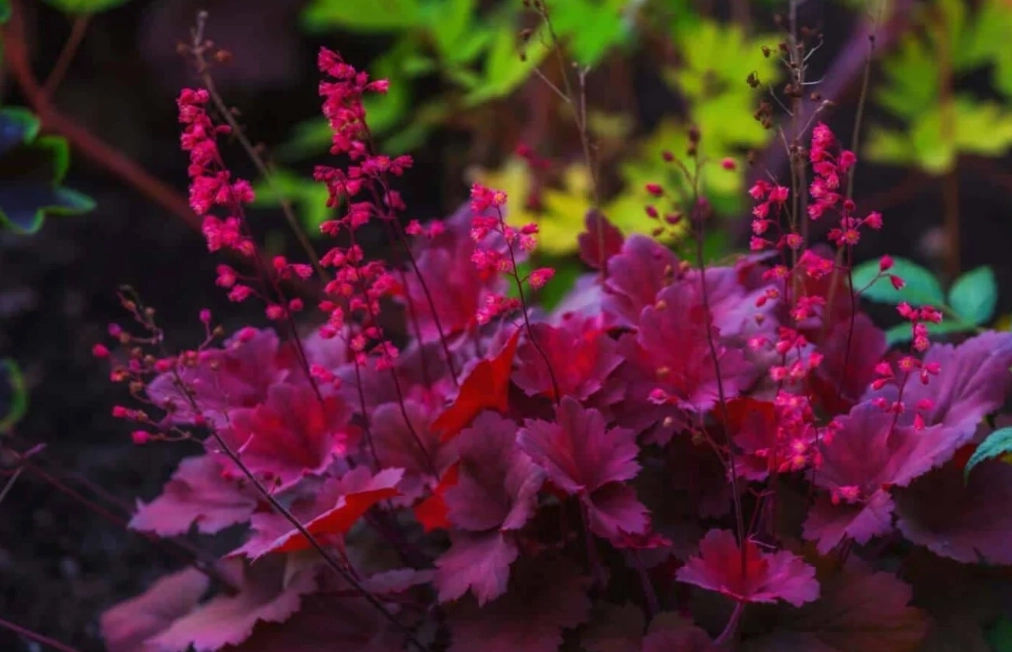
Your Coral Bells Questions Answered
 Growing coral bells doesn't have to be complicated. Start with the right variety for your garden, pay attention to soil and water, and they'll reward you with years of color. For more resources, check out the American Horticultural Society or your local cooperative extension. Happy gardening!
Reader Comments