You see it in Mediterranean gardens, sprawling over stone walls, its silvery-grey foliage a perfect contrast to vibrant lavenders and rosemaries. Santolina, often called lavender cotton, is that tough, aromatic shrub that looks like it never needs a drop of water. And honestly, it doesn't need much. But here's the thing most generic guides miss: getting it to that perfect, dense, silvery mound without it becoming a leggy, woody mess in the center takes a specific kind of neglect. It's not about just planting it and forgetting it. It's about strategic forgetting. I've killed a few by being too nice, and I've seen gardens where it's the undisputed star. The difference is in a few simple, non-negotiable actions.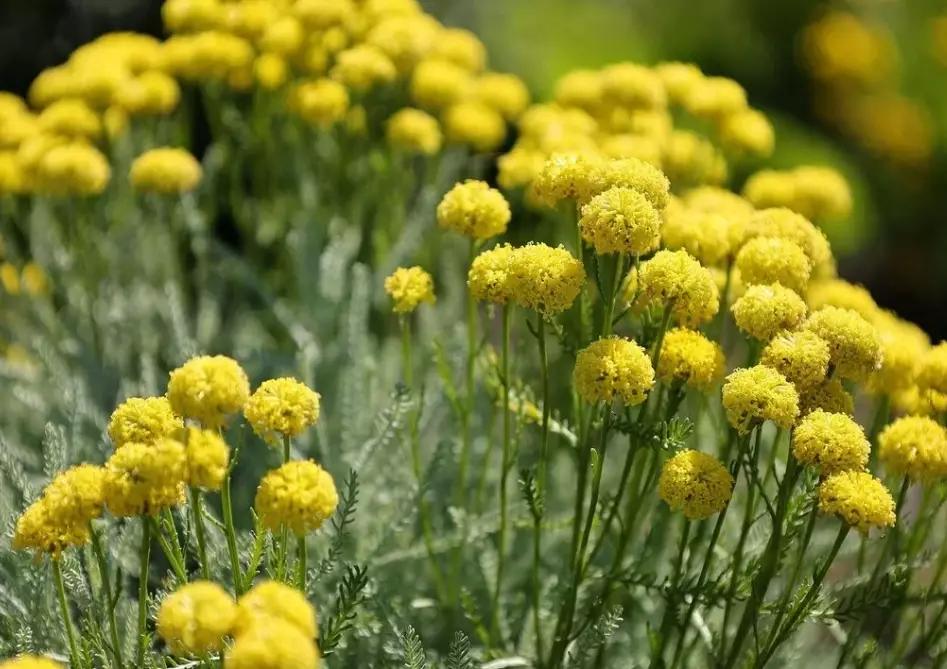
Your Quick Navigation
Planting Santolina: Location and Soil Are Everything
Get this wrong, and you're fighting an uphill battle. Santolina is a sun worshipper from the dry, rocky hills of the Mediterranean. It doesn't just prefer full sun; it demands it for compact growth and intense fragrance. That spot that gets afternoon shade? Save it for a hydrangea.
Choosing the Perfect Spot
Think hot and dry. South or west-facing slopes, rockeries, the front of sunny borders, or alongside paved paths where reflected heat is a bonus, not a problem. If you're planting near a wall, give it at least 18 inches of space for air circulation. Poor air flow in humid climates is a fast track to fungal issues.
Soil Prep and Planting Steps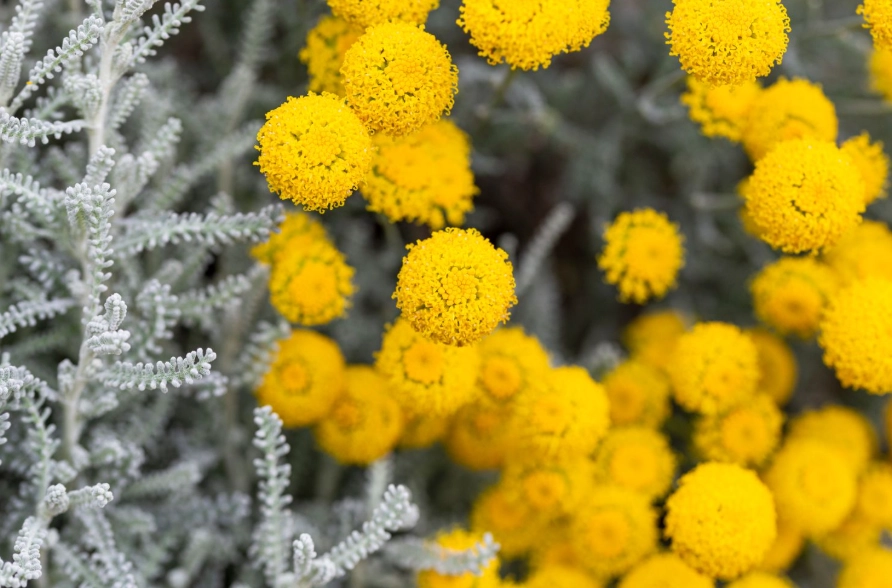
Here's the critical, often overlooked part: drainage. Santolina's nemesis is wet feet, especially in winter. Heavy clay soil is a death sentence unless you amend it heavily.
Plant in spring after the last frost, or early autumn to let roots establish before winter. Water it in well to settle the soil, then follow the golden rule for established plants: water only when the top few inches of soil are bone dry.
The Santolina Care Routine: Less is More
This is where people mess up by being too attentive. Santolina thrives on benign neglect.
Watering and Feeding
Once established (after the first growing season), santolina is incredibly drought-tolerant. I might water my pots once a week in a hot, rainless summer, but my in-ground plants? Maybe once a month. The Royal Horticultural Society (RHS) classifies it as suitable for xeriscaping for a reason. Overwatering leads to soft, weak growth and root rot.
Fertilizer? Forget it. Seriously. A lean diet keeps the foliage tight, aromatic, and that beautiful silver color. Rich soil or fertilizer encourages lush, green growth that's floppy and less resilient. An annual top-dressing with a thin layer of compost in spring is more than enough.
Overwintering Care
In zones 6 and below, winter wet is a bigger threat than cold. The combination of frozen roots and soggy soil is fatal. If you have cold, damp winters, consider planting in a raised bed or container you can move to a sheltered spot. A loose covering of horticultural fleece during a hard freeze can help, but the key is ensuring the crown of the plant doesn't sit in water.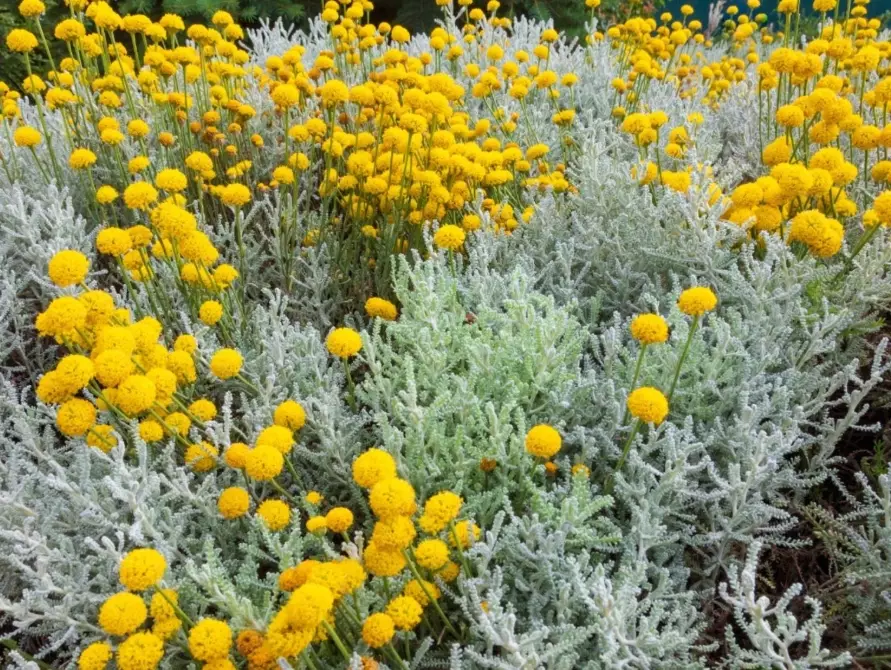
How to Prune Santolina (This is the Secret to Success)
This is the single most important task. Without proper pruning, santolina turns into a sprawling, woody skeleton with a fringe of green on top. It looks terrible. The goal is to encourage dense, bushy growth from the base.
Why Pruning is Non-Negotiable
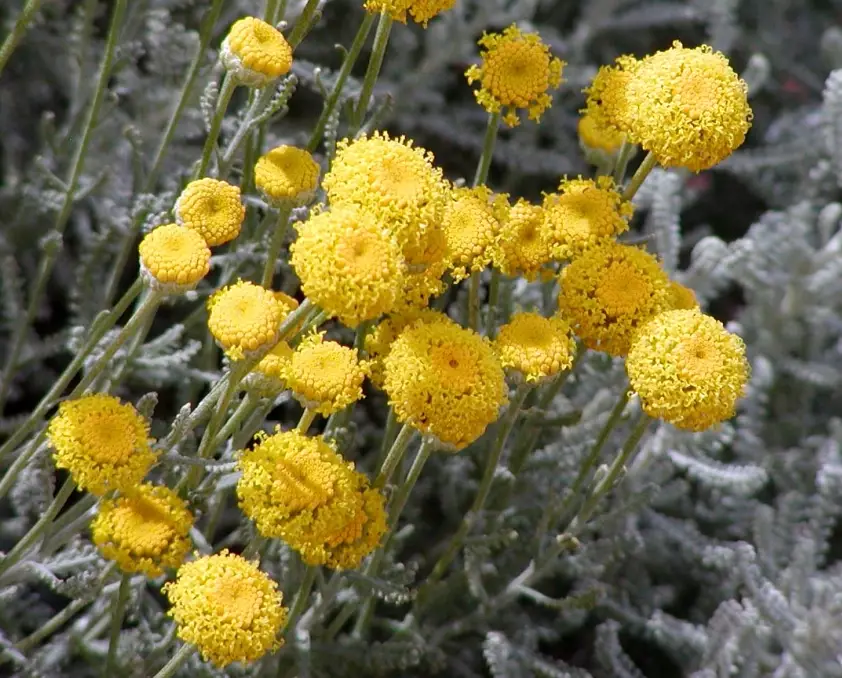
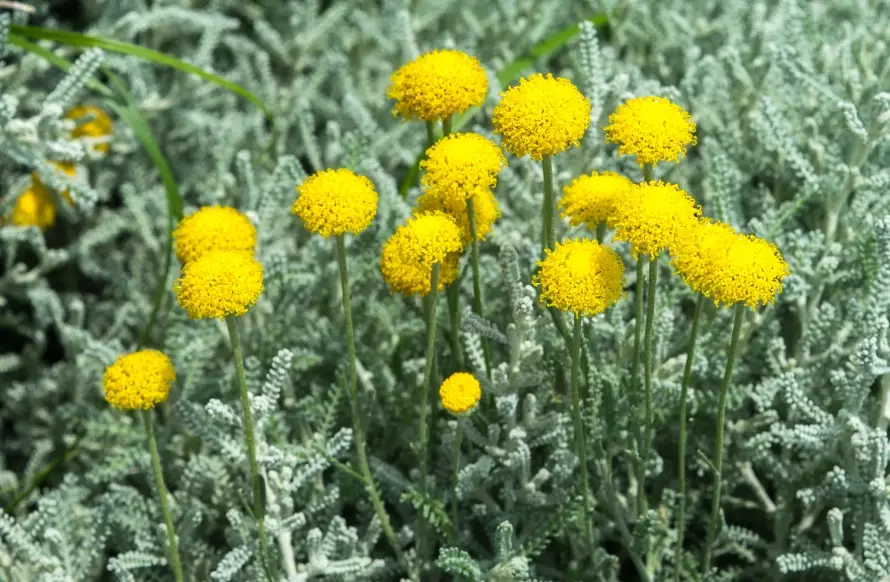
Santolina flowers on new growth. If you let it go, energy goes into producing those small, yellow, button-like flowers (which can be charming) and then into making seeds. The plant becomes leggy as it stretches for light internally. Regular pruning tells the plant to push out new shoots lower down.
The Pruning Schedule: A Two-Step Dance
I follow a strict twice-a-year schedule that has never failed me.
1. The Hard Spring Chop (Late March to Early April): This is the major haircut. Once the worst of the frosts have passed and you see tiny new green buds appearing at the base of the stems, it's time. Using sharp, clean shears, cut the entire plant back by one-half to two-thirds. Don't be shy. Cut into the previous year's growth, but avoid cutting into the old, bare, brown wood if you can see it. The aim is to leave a framework of stems that will sprout anew from just below your cuts.
2. The Summer Light Trim (After Flowering, July-August): After the main floral display fades, give the plant a light trim. This isn't a hard cut. Just shear off the spent flower heads and shape the plant lightly, removing any straggly bits. This encourages a final flush of neat, silvery growth before autumn.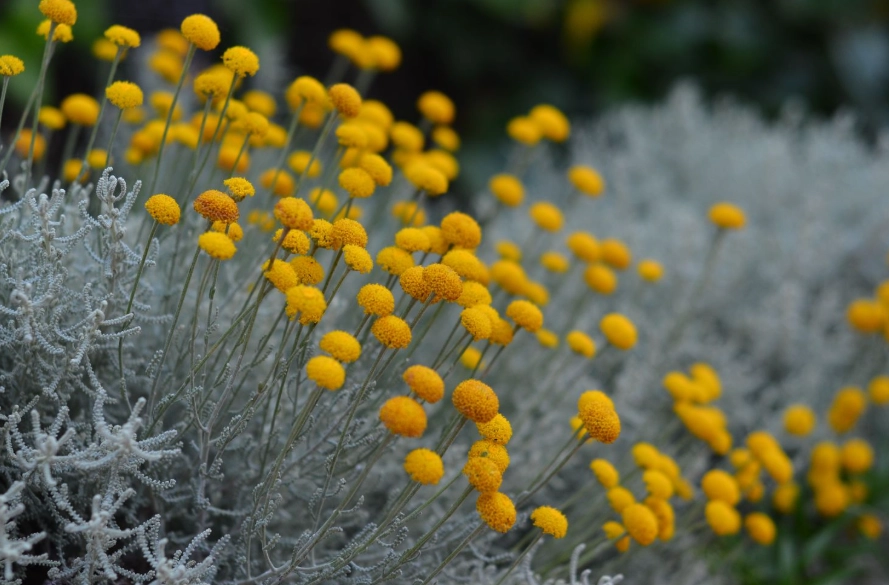
Solving Common Santolina Problems
Santolina is tough, but it has its kryptonite. Most issues stem from one of three things: too much water, too little sun, or not enough pruning.
| Problem | Likely Cause | The Fix |
|---|---|---|
| Center of plant is bare, woody, and open | Lack of regular, hard pruning. The plant has aged and become leggy. | Perform a hard spring prune. If it's extremely woody, you may need to take cuttings to propagate a new plant, as severe renovation into old wood often fails. |
| Leaves turning yellow, plant looks wilted | Overwatering or poor drainage leading to root rot. | Stop watering immediately. Let soil dry out completely. If in a pot, check roots. For in-ground plants, improve drainage around the base with grit. The plant may not recover if rot is advanced. |
| Foliage losing its silver color, turning greener | Too much nitrogen (from fertilizer or rich soil) or insufficient sunlight. | Stop any feeding. Ensure it's getting a minimum of 6+ hours of direct sun. The silver hue may return with new growth under correct conditions. |
| Stems blackening, dieback in patches | Fungal disease (like Botrytis), often due to humid conditions, overcrowding, or overhead watering. | Improve air circulation. Prune out and dispose of affected stems. Avoid wetting the foliage when watering. In severe cases, a fungicide may be needed. |
Pests are rare. Aphids might occasionally visit new shoots, but a strong spray of water usually dislodges them. Its aromatic foliage is a natural deterrent to many insects.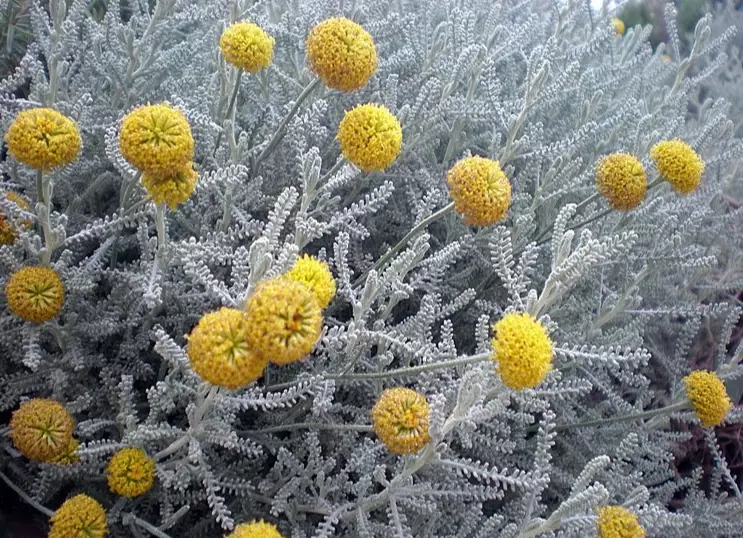
Creative Uses for Santolina in Your Garden
Beyond just plopping it in a border, santolina's texture, color, and form are design tools.
Low, Formal Hedging or Edging: It's brilliant for defining the front of a path or herb garden. Plant them 12-18 inches apart and shear them into tight, low mounds after flowering. It creates a beautiful, fragrant, silver line.
Rock Garden Star: Its drought-tolerance and love for sharp drainage make it a natural fit. It tumbles beautifully over rocks.
The Contrast Plant: Use its cool silver to make hot-colored flowers (red poppies, orange daylilies) pop, or to separate and highlight different green hues in a foliage garden.
Container Compositions: Pair it with other Mediterranean sun-lovers in a large pot: a trailing purple verbena, a spiky blue festuca grass, and the santolina as your silver anchor. Just ensure the pot has excellent drainage.
Historically, the pungent, clean scent led to its use as a moth repellent in linen closets (hence "lavender cotton"). I dry small bunches and tuck them into drawers.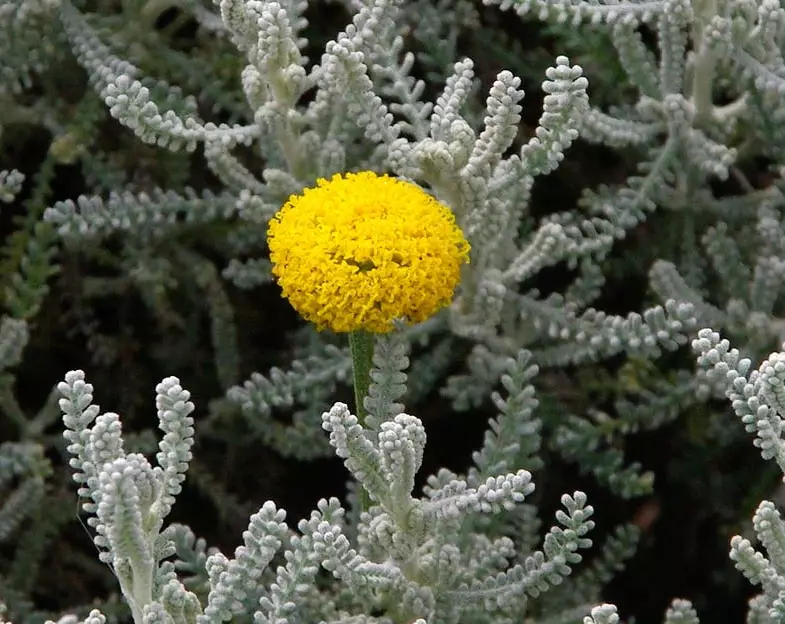
Your Santolina Questions Answered
 Is santolina deer-resistant?
 How often should I really water a potted santolina?
Reader Comments