If you're tired of watching plants wilt under the summer sun or draining your wallet on water bills, let me introduce you to a game-changer: Eriophyllum lanatum, commonly known as Oregon Sunshine. This isn't just another pretty face for the garden; it's a resilient, low-maintenance native perennial that thrives on neglect. I've seen too many gardeners kill it with kindness, mostly by overwatering. After years of observing it in its native habitat from coastal bluffs to rocky inland slopes, and cultivating it in my own garden, I've learned its simple secrets. This guide cuts through the generic advice and gives you the specific, actionable steps to make this golden-flowered powerhouse the star of your drought-tolerant landscape.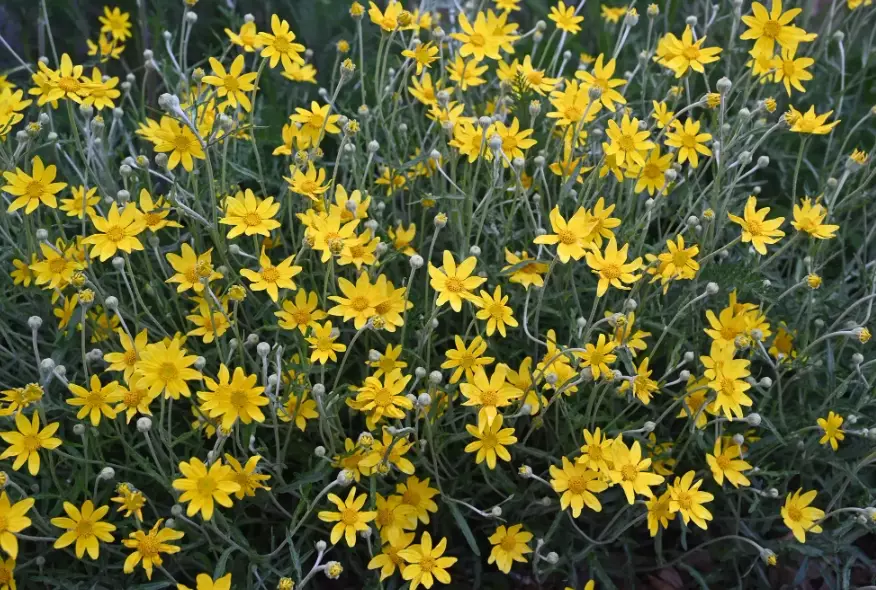
Quick Navigation: What's Inside This Guide
What is Eriophyllum Lanatum (Oregon Sunshine)?
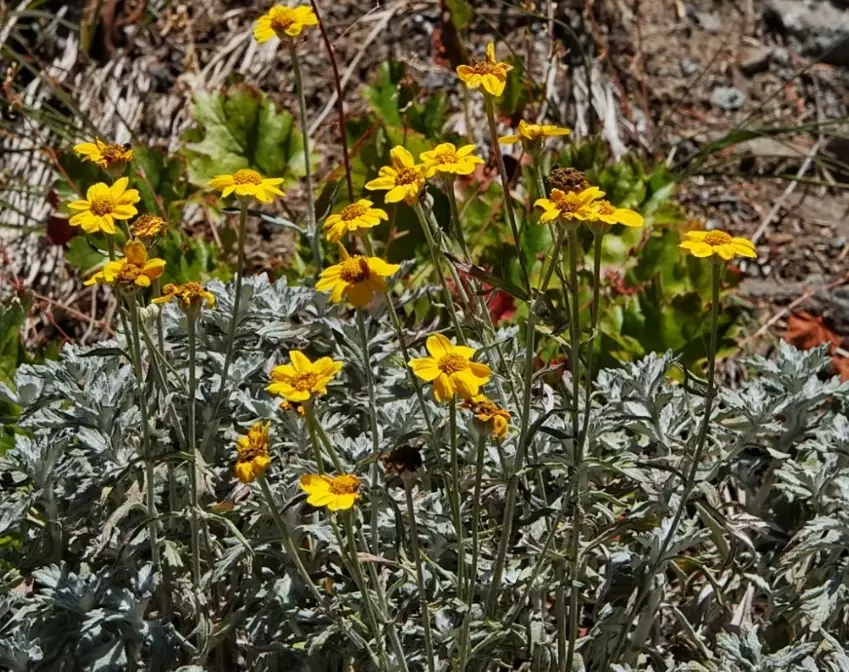
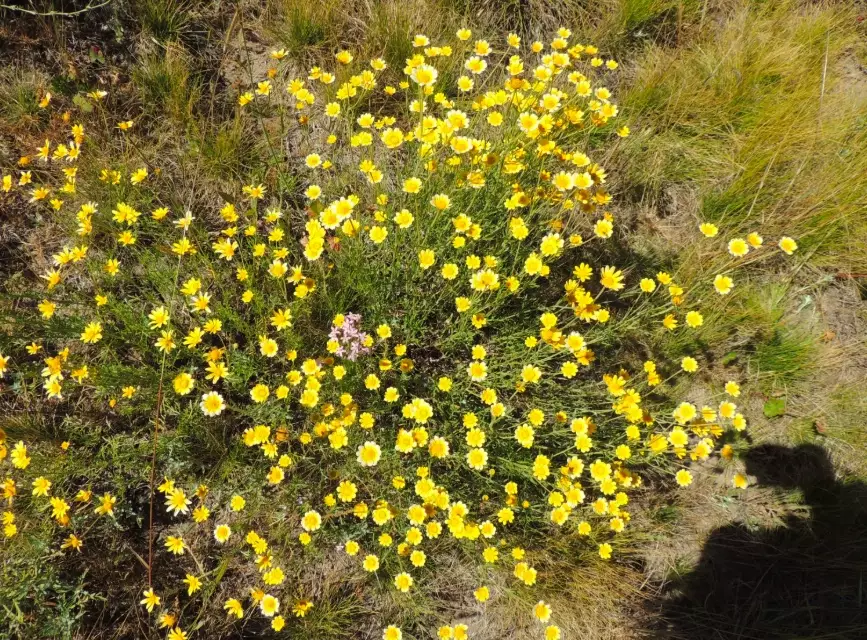
Oregon Sunshine is a herbaceous perennial native to the western United States, from Washington down to California and east to Nevada. It's a member of the Asteraceae family, the same as daisies and sunflowers. The first thing you'll notice is its foliage: silvery-white, densely woolly leaves that feel like felt. This isn't just for show. That woolly coating (lanatum means "woolly") is a brilliant adaptation to reflect intense sunlight and reduce water loss. From late spring through summer, it erupts in a profusion of cheerful, bright yellow daisy-like flowers held on slender stems above the foliage. A well-established plant forms a lovely, spreading mound about 1-2 feet tall and wide.
Don't confuse it with other yellow-flowered groundcovers. The combination of the distinctly silver, lobed leaves and the sunny yellow flowers on a low, mounding plant is unique. You'll often find it referenced in native plant databases like the USDA Plants Database or recommended by resources like the California Native Plant Society's Calscape for its habitat value.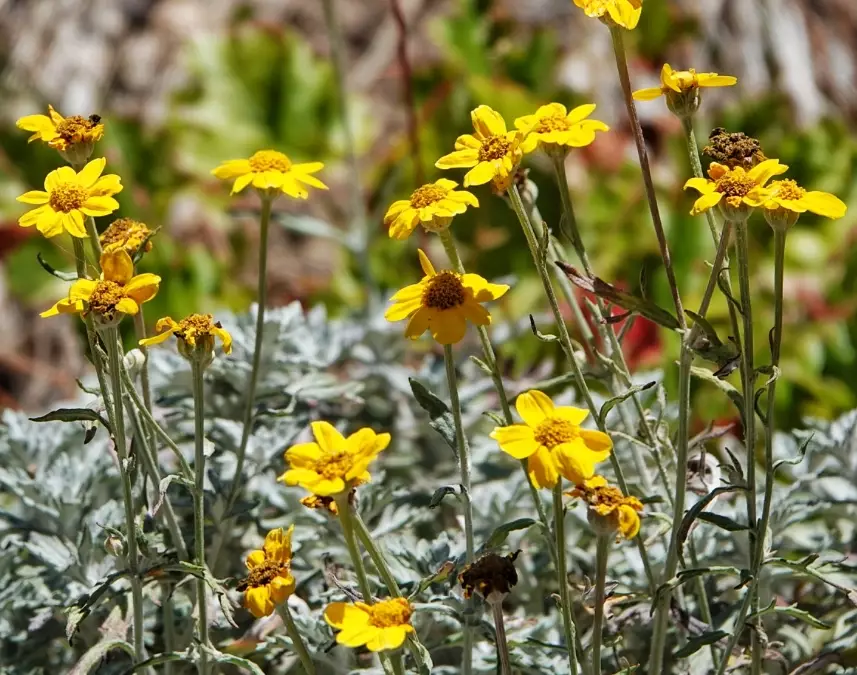
How to Grow and Care for Oregon Sunshine
Here's where most online guides get it wrong. They treat Oregon Sunshine like a typical garden perennial. It's not. Mimic its native home, and it will reward you with years of effortless beauty.
Planting Your Oregon Sunshine: Location is Key
Think full, blazing sun. Six hours is the bare minimum; more is better. This plant soaks up heat. The second non-negotiable is excellent drainage. I've lost more plants to wet feet in winter than to summer drought. If you have heavy clay soil, you must amend it heavily with coarse sand, pumice, or fine gravel, or better yet, plant it on a slope or in a raised bed. A south or west-facing slope is ideal.
When to plant? Early fall is prime time in most western climates. This gives the roots a cool, moist season to establish before the summer heat. Spring planting works too, but you'll need to be more vigilant with initial watering.
Pro Tip Most Guides Miss: When planting from a nursery pot, gently tease apart any circling roots. Oregon Sunshine develops a deep taproot, and if it's already girdling in the pot, it will never anchor or access deep water properly. A little root disturbance at planting is far better than a stunted plant.
Watering: The Most Common Pitfall
This is the number one killer. The mantra is: water deeply but infrequently. After establishment (the first 6-8 weeks), this plant wants to be left alone. In many coastal or higher rainfall areas, it may need no supplemental summer water once mature. Inland, a deep soak every 3-4 weeks during the hottest, driest part of summer is plenty.
How do you know it's established? New growth appears and the plant doesn't wilt between waterings. Overwatering leads to root rot, leggy growth, and fewer flowers. The leaves are your best indicator. A little afternoon wilting on a scorching day is normal; chronic wilting or yellowing lower leaves signals overwatering, not underwatering.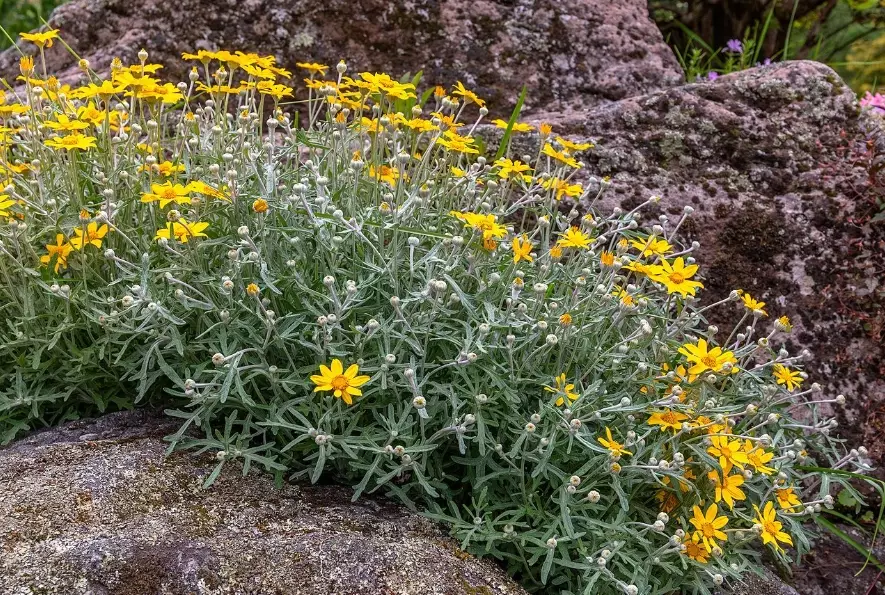
Soil and Feeding: Less is More
Oregon Sunshine thrives in poor to average, rocky, or sandy soils. Rich, fertile garden soil is its enemy, encouraging weak, floppy growth. Do not fertilize. Seriously. It's adapted to nutrient-poor conditions. If you must do something, a thin top-dressing of compost in the fall is more than enough.
| Condition | Ideal for Oregon Sunshine | What to Avoid |
|---|---|---|
| Sunlight | Full sun (6+ hours daily) | Partial or full shade |
| Soil Type | Sandy, rocky, gravelly, fast-draining | Heavy, unamended clay soil |
| Water (Mature Plant) | Deep soak every 3-4 weeks in summer heat; none in cool seasons | Frequent, light watering; automatic sprinklers |
| Fertilizer | None required | Any synthetic or rich organic fertilizer |
| Maintenance | Deadhead for more blooms; cut back in late fall | Constant pruning, dividing frequently |
The Ecological Powerhouse: Beyond the Beauty
Planting Oregon Sunshine isn't just a gardening choice; it's an ecological investment. This plant is a pollinator magnet. Its bright yellow flowers, rich in nectar and pollen, are a vital food source from late spring when food can be scarce. In my garden, I've logged over a dozen native bee species on a single plant, along with hoverflies, butterflies, and beetles.
It's a cornerstone of native habitat gardens and xeriscapes. Pair it with other California and Pacific Northwest natives like Penstemon, Salvia (Sage), Achillea (Yarrow), and native grasses. This creates a layered, textured landscape that provides year-round interest and habitat while using a fraction of the water a traditional lawn requires.
It's also deer-resistant. Those fuzzy leaves aren't palatable to most browsers, giving you a flowering plant that wildlife will largely leave alone.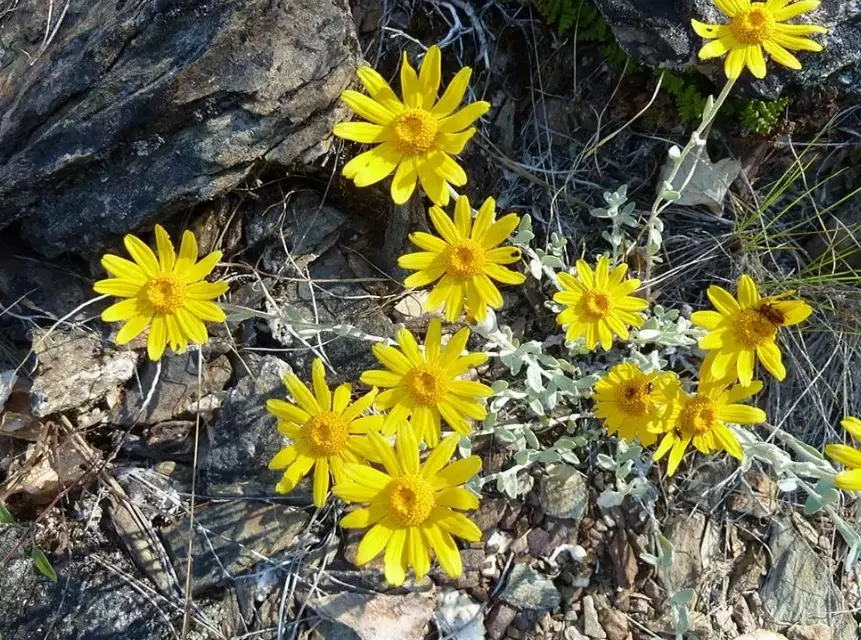
Your Oregon Sunshine Questions Answered
 How do I propagate Eriophyllum lanatum? Can I divide it?
 What are the best companion plants for Oregon Sunshine?
For structure: California Fuchsia (Epilobium canum), Buckwheat (Eriogonum species).
For contrasting foliage: Blue Fescue grass (Festuca glauca), Lavender (Lavandula).
For staggered blooms: Penstemon (many native species), Globe Gilia (Gilia capitata).
Avoid pairing it with thirsty plants like roses or lawn grass, as their watering needs will doom the Oregon Sunshine.
Reader Comments