Let's talk about the Abutilon, often called Indian Mallow or Flowering Maple. It's that plant you've probably seen at the nursery with the delicate, papery-looking flowers that remind you of hibiscus, and leaves that look a bit like a maple tree's. It's a fantastic plant, but I see people get tripped up by the same few things every time. They treat it like a regular houseplant, and then wonder why it's dropping leaves or refusing to bloom. Having grown these for over a decade, I can tell you they're not difficult, but they do have specific preferences. This guide cuts through the generic advice and gives you the actionable details you need to grow a spectacular Abutilon, whether in a pot on your patio or in a garden bed.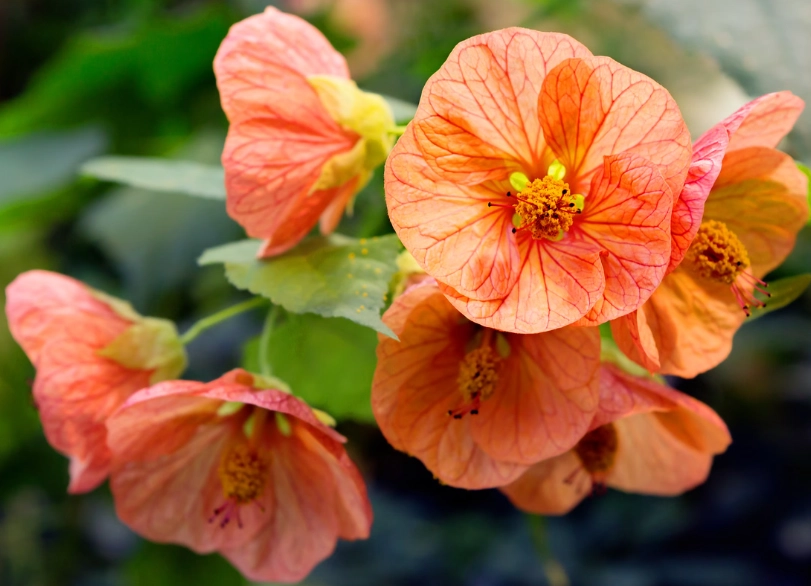
What You'll Learn in This Guide
What Exactly Is an Abutilon Indian Mallow?
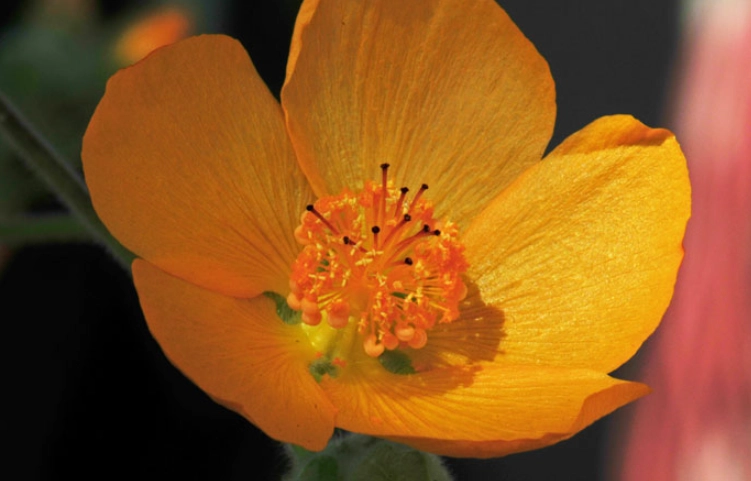
First, a bit of background so you know what you're working with. Abutilon is a genus with hundreds of species, part of the Malvaceae family (think hibiscus, cotton, and okra). The "Indian Mallow" name is a bit of a catch-all for common ornamental varieties. They're often evergreen shrubs in mild climates, but many gardeners treat them as annuals or tender perennials that need winter protection. The "Flowering Maple" nickname comes solely from the leaf shape—they're not related to maples at all. The real show is the bell- or cup-shaped flowers that can come in yellow, orange, red, pink, or white, and often bloom from spring straight through to fall. According to the Royal Horticultural Society's plant database, they are prized for their long flowering season and versatility.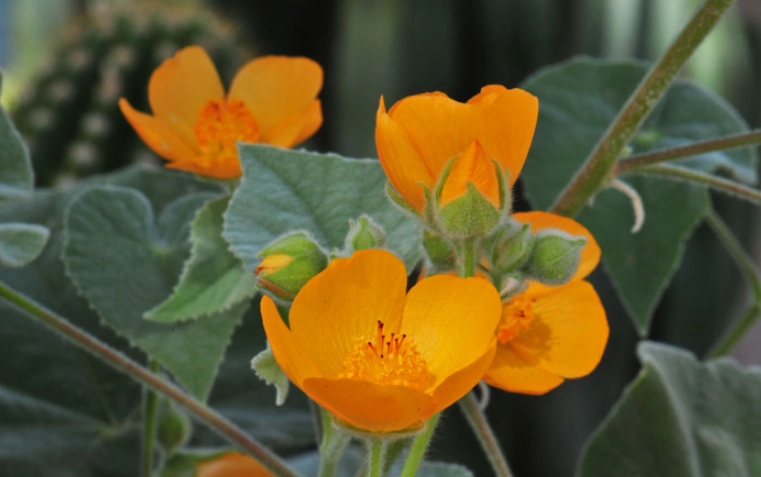
How to Plant Your Abutilon: A Step-by-Step Walkthrough
Getting this part right sets the stage for everything else. You can start from a seed, but for most gardeners, buying a young plant is the way to go. Here's what I do, and the mistakes I see others make.
Choosing and Buying a Healthy Plant
Don't just grab the first one you see. Look for a plant with deep green leaves. Avoid any with yellowing leaves at the base (a sign of stress or overwatering) or with tiny whiteflies fluttering around when you brush the foliage (a common pest). Check the underside of leaves for sticky residue or tiny bugs. A plant with lots of buds is better than one in full bloom—you'll get to enjoy the flowers opening at home.
The Planting Process: In Ground vs. In Pots
In the Garden: Wait until all danger of frost has passed. They need well-draining soil above all else. If your soil is heavy clay, you must amend it. I dig a hole twice as wide as the root ball but no deeper. Mix in a generous amount of compost and some perlite or coarse sand to improve drainage. Place the plant so the top of the root ball is level with the soil surface, backfill, and water deeply.
In Containers: This is where Abutilons truly shine for patio gardening. The single biggest error is using a pot that's too big or lacks drainage. Choose a pot that is only 1-2 inches wider in diameter than the nursery pot. Terracotta is great because it breathes. Use a high-quality, peat-based potting mix. I often add an extra handful of perlite to the mix for good measure. Never use garden soil in a pot.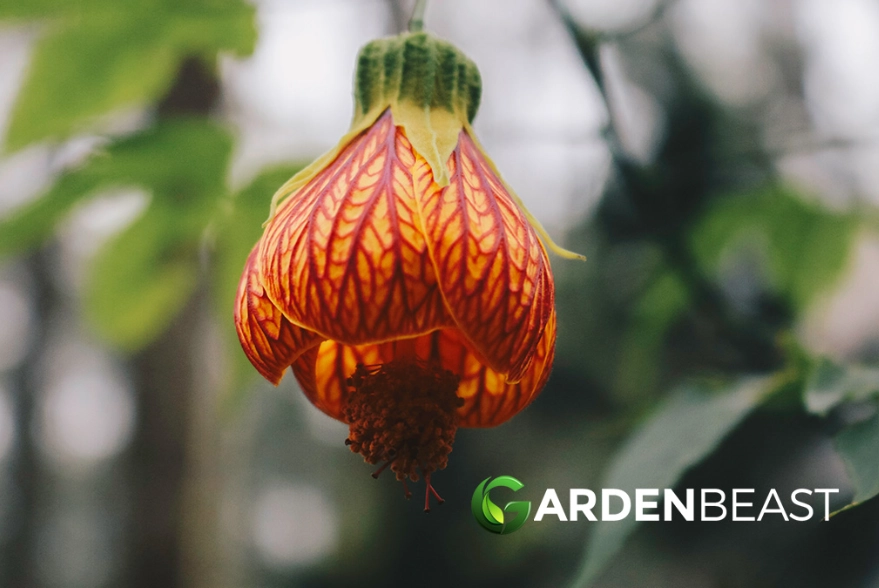
The Complete Abutilon Care Guide (Light, Water, Food)
This is the meat of it. Get these three factors right, and your plant will reward you.
| Care Aspect | Ideal Condition | What Happens If It's Wrong |
|---|---|---|
| Light | Bright, indirect light. 4-6 hours of morning sun is perfect. Can tolerate some afternoon shade in hot climates. | Too little light: Leggy growth, few or no flowers. Too much harsh sun: Scorched, bleached leaves. |
| Watering | Keep soil consistently moist but not soggy. Water when the top inch of soil feels dry. | Overwatering: Yellow leaves, root rot, plant collapse. Underwatering: Wilting, leaf drop, crispy edges. |
| Soil & Feeding | Well-draining, rich potting mix. Feed every 2-4 weeks in spring/summer with a balanced, water-soluble fertilizer (e.g., 10-10-10). | Poor soil: Stunted growth. Over-fertilizing: Salt buildup, leaf burn. Under-fertilizing: Pale leaves, weak growth. |
| Temperature & Humidity | Prefers 60-75°F (15-24°C). Protect from temps below 50°F (10°C). Enjoys moderate humidity. | Too cold: Leaf drop, death. Dry air: Brown leaf tips, spider mites. |
My personal watering rule? I stick my finger in the soil. If it's dry up to my first knuckle, it's time to water. I water slowly until it runs out the bottom of the pot, and I never let the pot sit in a saucer of water. In winter, I cut back watering significantly.
Common Abutilon Problems and How to Fix Them
Even with good care, things can go sideways. Here's how to diagnose and fix the usual suspects.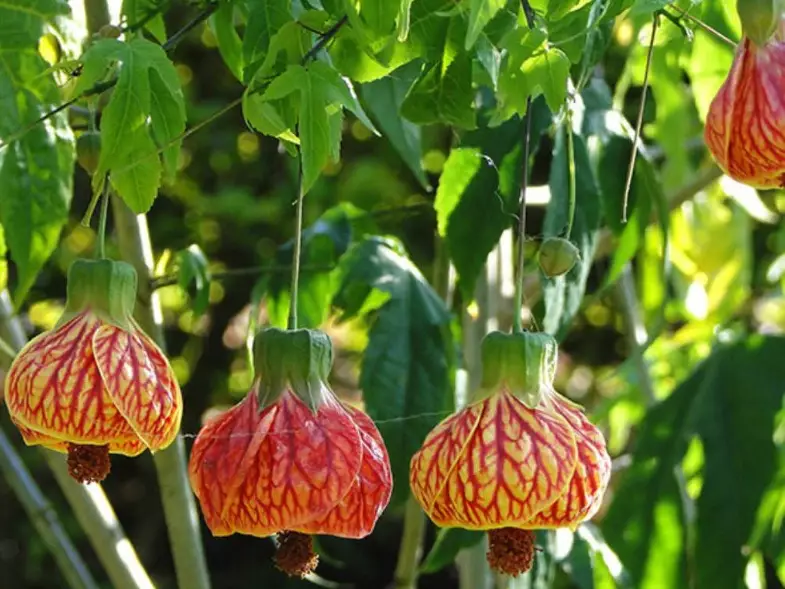
Yellow Leaves
This causes panic, but it's usually solvable. Lower, older leaves turning yellow and dropping is often natural senescence. No worry. Widespread yellowing, especially on new growth points to overwatering or poor drainage. Check your soil. Yellow leaves with green veins could be a sign of iron chlorosis, often from soil that's too alkaline. A chelated iron supplement can help.
Pests: Whiteflies and Spider Mites
Abutilons are magnets for whiteflies—those tiny white moths that swarm when disturbed. Spider mites love them in dry conditions. For a light infestation, a strong blast of water from a hose every few days can knock them back. For a persistent problem, insecticidal soap or neem oil sprays are effective. Be thorough and spray the undersides of leaves. Consistency is key; you'll need to treat multiple times.
Not Flowering
If your plant is all leaves and no flowers, it's usually a light issue. It needs more bright, indirect sunlight. Secondly, check your fertilizer. Are you using a high-nitrogen blend (like one for lawns)? That promotes leafy growth at the expense of flowers. Switch to a fertilizer with a higher middle number (phosphorus), like a 5-10-5, or a balanced one.
Creative Ways to Use Abutilon in Your Garden
Beyond just sticking it in a corner, Abutilon is incredibly versatile.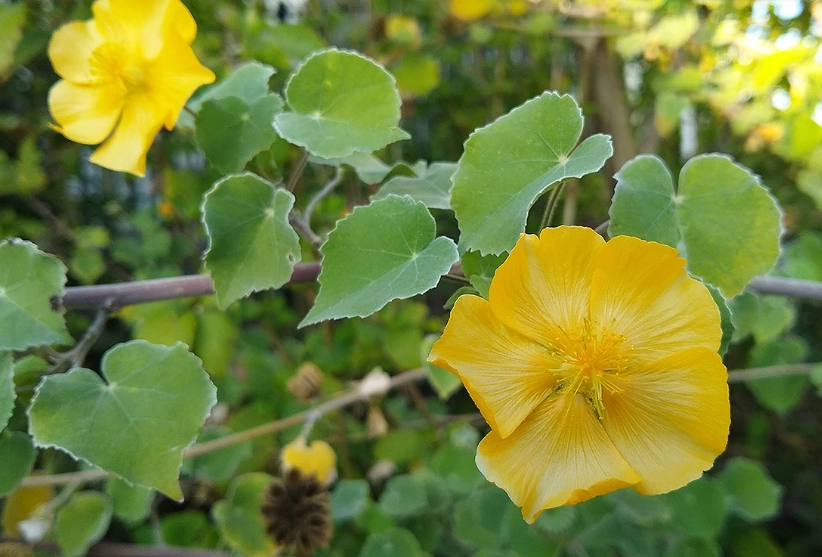
Container Specimen: It's a classic for a reason. A large pot with a single, well-pruned Abutilon can be a stunning focal point on a deck or by an entrance. Underplant it with trailing lobelia or sweet alyssum.
Informal Hedge or Screen: In frost-free climates (like USDA zones 9-11), certain larger varieties can be planted about 3 feet apart to form a loose, flowering hedge. It's not a neat boxwood hedge, but it's beautiful and attracts pollinators.
Pollinator Magnet: The nectar-rich flowers are a favorite of hummingbirds and bees. Planting one near a vegetable garden can help with pollination.
I have a friend who trains hers as a small standard tree (a "lollipop" shape). It takes some patience and staking, but the result—a cloud of flowers on a single stem—is absolutely breathtaking and makes people ask, "What is that?"
Your Abutilon Questions, Answered
Why are the leaves on my Abutilon turning yellow and dropping?
Start by checking your watering habits and soil drainage. Soggy soil is the most common culprit. If the soil is wet, let it dry out significantly before watering again. If it's bone dry, establish a more consistent watering schedule. Also, consider if it's had a sudden temperature drop or a cold draft, which can trigger leaf drop.
How can I get my Abutilon to bloom more profusely?
Maximize its light exposure without scorching it. A spot with bright morning sun is ideal. Then, switch to a bloom-booster fertilizer (higher phosphorus) or ensure your balanced fertilizer is applied regularly during the growing season. Don't forget to deadhead spent flowers to encourage new buds to form.
 Can Abutilon survive winter indoors?
Yes, but it's often messy. It will likely drop many leaves as it adjusts to lower light and drier air. Place it in the sunniest window you have (a south-facing one is best). Reduce watering and stop fertilizing. Don't expect much growth or flowering. In spring, prune it back hard, resume feeding and watering, and move it back outside after the last frost.
What's the best way to propagate a new Abutilon plant?
Softwood or semi-hardwood cuttings in late spring or summer are most reliable. Take a 4-6 inch cutting just below a leaf node, remove the lower leaves, dip the end in rooting hormone, and place it in a pot with moist, sterile potting mix. Cover with a plastic bag to maintain humidity and place in bright, indirect light. It can take several weeks to root.
Is Abutilon toxic to pets?
The ASPCA and other sources like the Royal Horticultural Society do not list Abutilon (Flowering Maple) as toxic to cats or dogs. However, it's always prudent to discourage pets from chewing on any houseplants, as individual animals may have sensitivities.