Let's talk about Coprosma, a plant that doesn't get nearly enough credit. Often called the Mirror Plant for its glossy, reflective leaves, this New Zealand native is a secret weapon for gardeners who want impact without constant fuss. I've seen too many people treat it like a generic shrub, only to be disappointed when it looks leggy or drops leaves. The truth is, understanding its few but specific needs turns it from a finicky stranger into a reliable, vibrant cornerstone of your garden. Whether you're drawn to the fiery reds of 'Pacific Sunset' or the almost metallic sheen of 'Marble Queen,' getting Coprosma right is simpler than you think, provided you skip the common mistakes.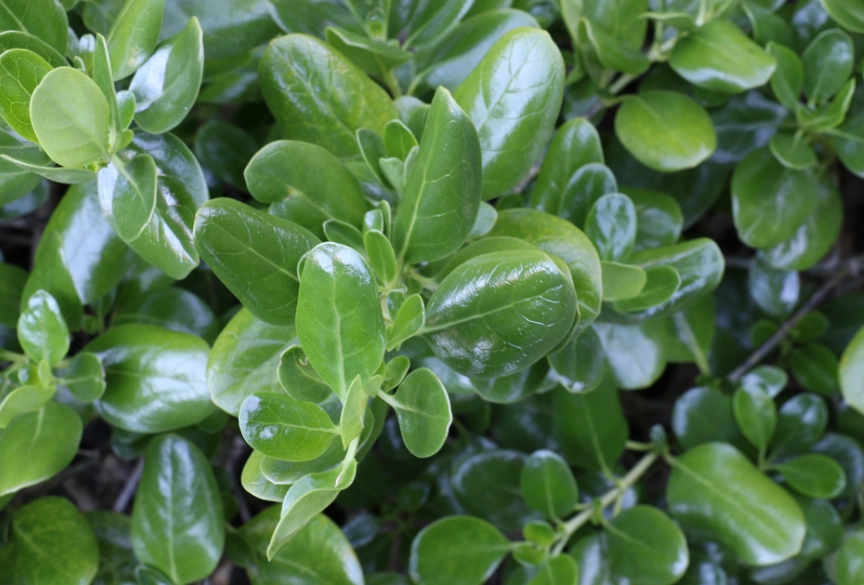
What's Inside This Guide?
How to Choose the Right Coprosma Variety for Your Garden
This is where most folks go wrong. They pick a Coprosma solely for a catalog picture, not considering its mature size or cold tolerance. I've made this mistake myself, planting a tall grower in a spot meant for a low border. It's a hassle to fix later.
Coprosma comes in a wild array of colors—chocolate brown, lime green, neon pink, variegated cream. But the key selection criteria are hardiness zone and growth habit. Many popular hybrids are only frost-tolerant down to about 23°F (-5°C) (USDA Zone 9). If you get real winters, you need to check this first.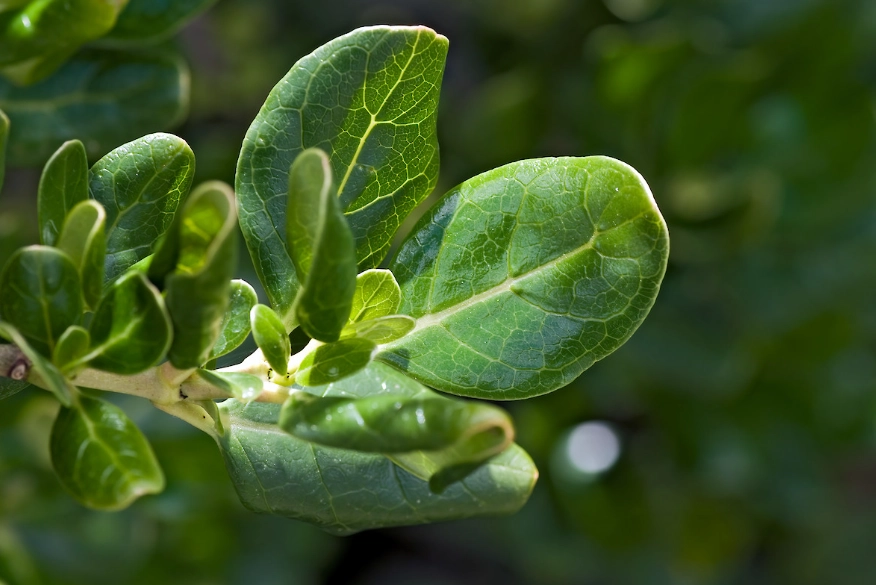
Here’s a breakdown of some top-performing varieties to cut through the confusion:
| Variety Name | Foliage Color & Feature | Mature Size (H x W) | Best Use & Notes |
|---|---|---|---|
| Coprosma 'Pacific Sunset' | Deep orange-red to burgundy, intensely glossy. | 4-6 ft x 4-6 ft | Focal point, hedging. One of the most vivid reds. Needs full sun for best color. |
| Coprosma 'Karaka Red' | Large, rounded leaves in a bright, glossy red. | 5-8 ft x 5-8 ft | Tall screen or backdrop. Fast grower, very robust. |
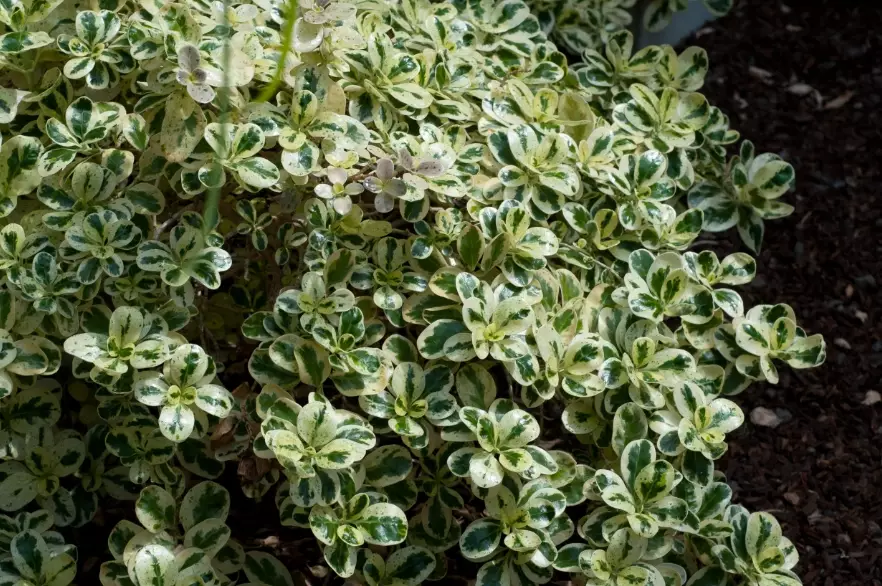
| Coprosma 'Marble Queen' | Cream and green marbled variegation, less glossy. | 3-4 ft x 3-4 ft | Brightening shady corners, containers. More shade-tolerant than others. |
| Coprosma 'Taupata' (C. repens) | Glossy green, rounded leaves. The classic "Mirror Plant". | 6-10 ft x 6-10 ft | Coastal windscreens, tough hedging. Salt spray tolerant. |
| Coprosma 'Rainbow Surprise' | Pink, cream, and green new growth, maturing to green. | 2-3 ft x 2-3 ft | Low border, container thriller. Color is most intense on new growth. |
A non-consensus tip here: Don't overlook the smaller, prostrate species like Coprosma acerosa for rock gardens or ground cover. They're incredibly tough and offer a fine, textural contrast to the bold, glossy hybrids. You can find detailed native species information on databases like the New Zealand Plant Conservation Network (NZPCN).
How Do You Care for a Coprosma Plant?
Think of Coprosma care as a three-legged stool: sun, soil, and water. Get one wrong, and the plant tells you loudly.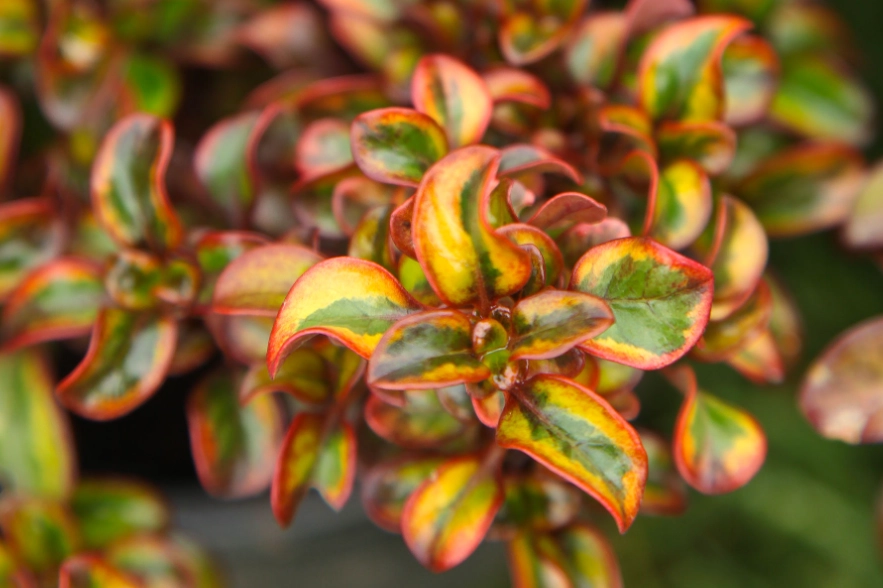
Sunlight and Placement
Full sun. I'll say it again: full sun. This is the single biggest factor for intense leaf color and a compact, dense shape. In partial shade, the plant stretches out, the colors fade to a dull green, and it becomes leggy. The only exception is the variegated types like 'Marble Queen,' which can handle a bit of afternoon shade, especially in very hot climates.
Soil and Watering Needs
Here's the subtle mistake: assuming because it's tough, it loves dry, poor soil. Not exactly. Coprosma thrives in well-draining soil that's moderately fertile. It hates wet feet. Soggy, clay-heavy soil will cause root rot faster than you can say "yellow leaves."
If your soil is heavy, amend it with plenty of compost and grit. For containers, use a quality potting mix with added perlite or pumice.
Watering follows the golden rule: water deeply, then let the top inch of soil dry out before watering again. Established plants are surprisingly drought-tolerant, but consistent moisture during the first growing season and in summer heat is crucial for lush growth.
Feeding and Pruning
Feed in early spring with a balanced, slow-release fertilizer. A second light feed in mid-summer can boost color, but don't overdo it—excess nitrogen promotes soft green growth at the expense of those brilliant hues.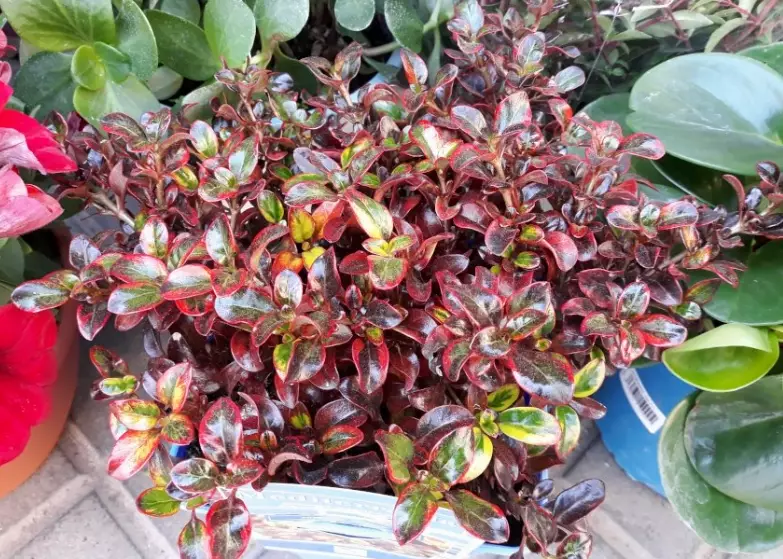
Pruning is where you shape its personality. The best time is late winter or early spring, just before new growth kicks in.
- For a formal hedge: Shear lightly and frequently through the growing season.
- For a natural shape: Use hand pruners to selectively remove longer branches, cutting back to a leaf node. This encourages bushiness from within.
- The big mistake? Cutting back into old, bare wood. Coprosma can be reluctant to sprout new growth from leafless stems. Always prune where you can see some leaves.
What Are Common Coprosma Problems and How to Fix Them?
Coprosma is generally pest-resistant, but it has its tells when it's unhappy.
Brown or Crispy Leaf Edges: This is almost always a watering issue, but which one? If the soil is bone dry, it's underwatering. If the soil is damp and the roots look brown and mushy, it's overwatering and root rot. Check the soil moisture first—don't just guess.
Leaf Drop (Especially Lower Leaves): A few leaves dropping is normal. A sudden shower is a red flag. The most common causes are:
1. Overwatering (the #1 killer).
2. A drastic change in environment (moving from a nursery to your garden, or a sudden cold snap).
3. Lack of light.
Leggy, Sparse Growth with Pale Leaves: This is a cry for more sunlight. No amount of fertilizer will fix it. You need to move the plant or accept its stretched-out form.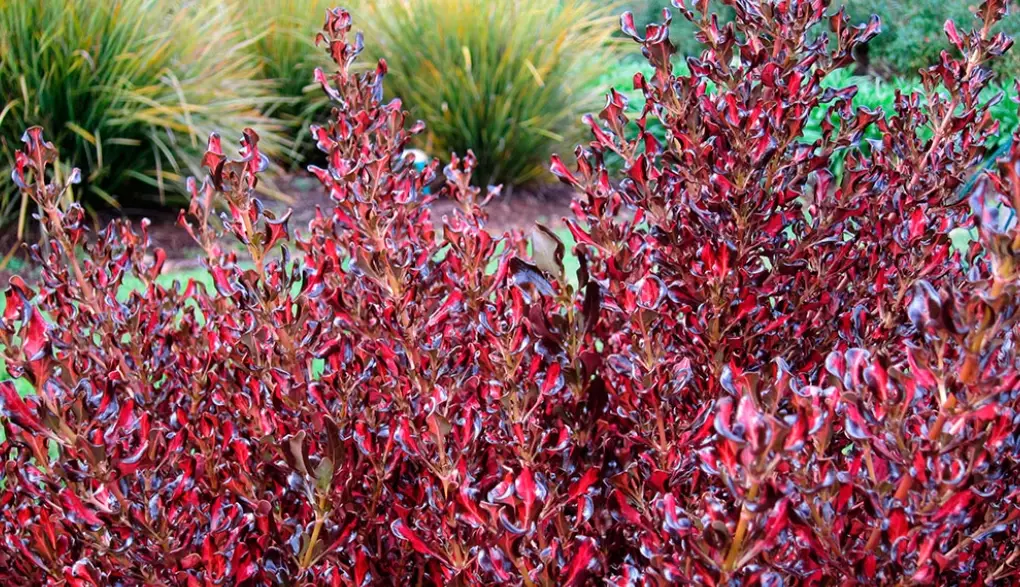
Using Coprosma in Your Landscape Design
Its versatility is its superpower. I like to use it in three specific ways.
As a Color-Themed Hedge: Instead of a plain green boxwood hedge, imagine a glowing red or orange one. 'Pacific Sunset' or 'Karaka Red' make incredible, eye-catching formal or informal hedges. They respond well to trimming.
As a Foliage Contrast Plant: Pair it with plants that have different leaf textures. The glossy, bold leaves of a Coprosma look stunning against the feathery foliage of an ornamental grass like Carex, or the soft, silvery leaves of a Dichondra 'Silver Falls'.
In Containers: It's a fantastic thriller element. A pot with a central red Coprosma, spilling gray Helichrysum, and a trailing purple Lobelia is a knockout combination that lasts year-round. Just ensure the pot is large enough and has excellent drainage.
For cold-climate gardeners, treat it as a spectacular annual foliage plant in pots, or be prepared to bring it into a bright, cool garage or greenhouse over winter. The USDA Plant Hardiness Zone map is a good starting point to assess your risk.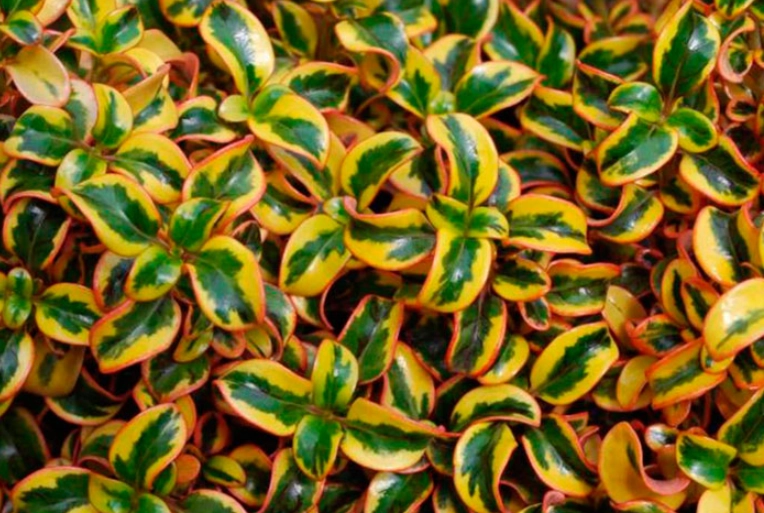
Your Coprosma Questions, Answered
My Coprosma survived winter but looks ragged with some dead tips. Should I cut it back hard in spring?
Resist the urge to chop it to the ground. Wait until you see where the new growth is emerging in spring. Then, prune back the dead tips to just above a healthy, swelling bud or a set of new leaves. Cutting into completely dead, leafless wood often results in a dead stub that won't regrow, leaving an awkward hole in the plant's structure.
 Can I grow Coprosma from cuttings, and is it really worth the effort compared to buying a plant?
You can, but it's a test of patience. Take semi-hardwood cuttings in late summer. The tricky part is they root slowly and erratically. For the named hybrid varieties (like 'Pacific Sunset'), propagation is often done commercially through tissue culture to ensure consistency. For a home gardener, buying a established plant gives you that perfect form and intense color immediately. Propagating is more for the hobbyist who wants to clone a specific favorite.
I live in a hot, dry inland area. Will Coprosma fry in the summer heat?
It can handle heat surprisingly well if its roots are kept cool and it's properly watered. The issue in arid, blazing sun is often leaf scorch. Provide afternoon shade if possible, or use a thick layer of organic mulch around the base to keep soil moisture even. Drip irrigation is far better than overhead sprinklers, which can magnify sunburn on the wet leaves.
Are Coprosma berries edible for birds or pets?
The berries (drupes) are a food source for native birds in New Zealand, but they are generally considered non-toxic but inedible for humans. As for pets, while not classified as highly poisonous like some garden plants, it's wise to prevent dogs or cats from chewing on any part of the plant. The sap can be a mild irritant. The primary appeal is always the foliage, not the fruit.
 So, there you have it. Coprosma isn't a plant you just stick in the ground and forget. But give it that sunny spot, well-drained soil, and a thoughtful prune, and it repays you with a performance that rarely stops. It fills a unique niche—offering bold, architectural color when flowers have faded. Start with a tough variety like 'Karaka Red,' avoid overwatering, and you might just find it becomes one of your most reliable, talked-about garden players.