Let's be honest. A store-bought pea can't hold a candle to one you've just popped from a pod you grew yourself. That burst of sweetness, the crisp texture—it's a different vegetable entirely. If you've ever been disappointed by bland, starchy peas, the solution isn't a better supermarket. It's your own backyard, balcony, or even a sunny windowsill.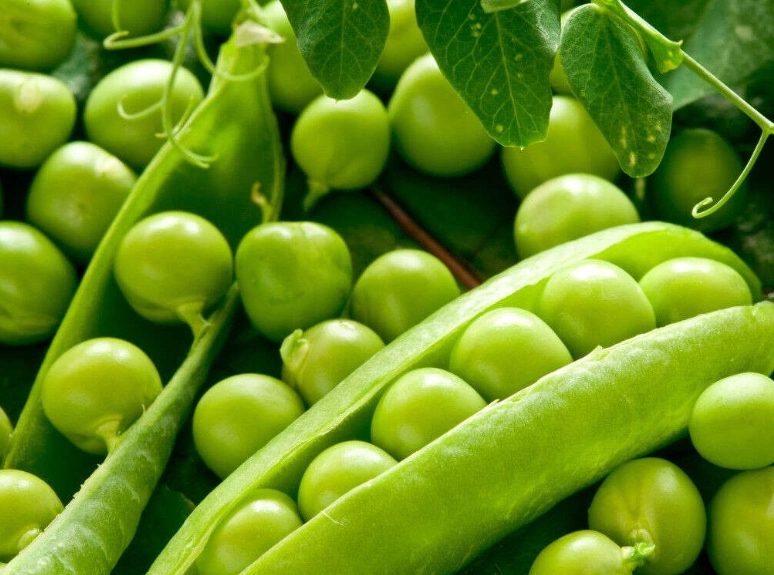
Growing peas is one of the most rewarding projects for a gardener, beginner or expert. They're relatively easy, improve your soil, and deliver that unmatched fresh flavor. But I've seen plenty of eager gardeners make a few subtle mistakes that cost them their crop. It's not just about sticking a seed in the ground. This guide will walk you through the entire process, avoiding those pitfalls.
What You'll Learn in This Guide
Choosing the Right Pea Type for Your Garden
This is where most people go on autopilot and grab the first seed packet they see. Big mistake. Peas come in three main types, and picking the wrong one for your space or taste can lead to frustration.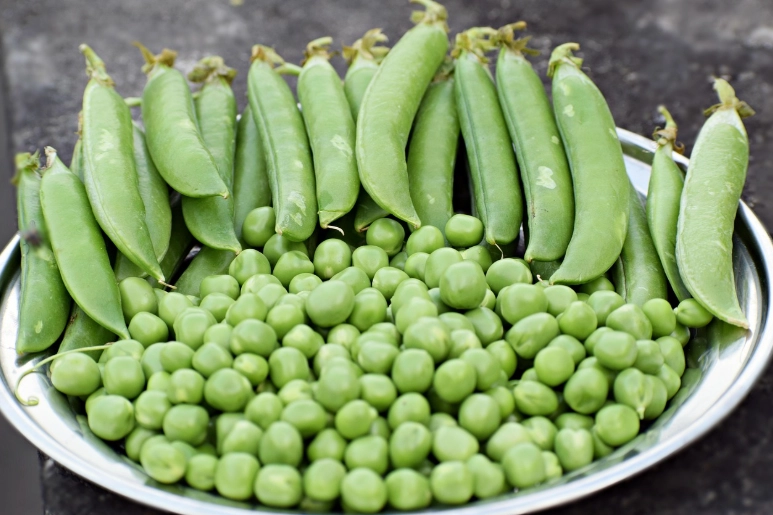
Garden Peas (Shelling Peas)
These are the classic. You grow them for the plump, sweet peas inside the pod. The pod itself is tough and inedible. Varieties like 'Lincoln' and 'Green Arrow' are workhorses. They need shelling, which is a meditative task for some, a chore for others. Yield is fantastic, but you need more plants to get a decent bowlful.
Snow Peas
Flat pods with tiny, undeveloped peas inside. You eat the whole pod. They're the star of stir-fries. I find they have the shortest harvest window—if you blink, they go from perfect to fibrous. 'Oregon Sugar Pod' is a monster producer and resists mildew better than most.
Snap Peas (Sugar Snap Peas)
The best of both worlds. Plump, edible peas inside a thick, crunchy, edible pod. 'Sugar Snap' is the famous one, but newer varieties like 'Super Sugar Snap' have better disease resistance. This is my personal go-to. The crunch is incredible, and kids love them right off the vine.
When and How to Plant Peas for Success
Timing is everything with peas. They're a cool-season crop. Plant too late, and the summer heat fries the flowers, leaving you with no pods. This is the number one reason for crop failure I see.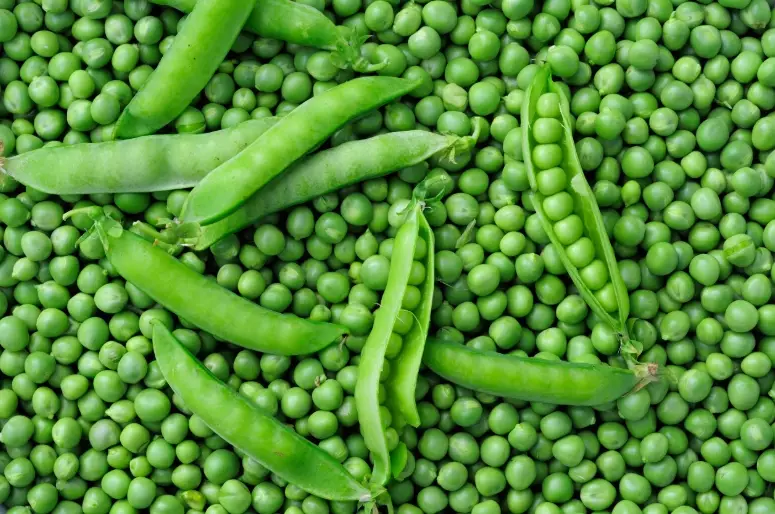
The Rule: Plant peas as soon as the soil can be worked in spring. This often means 4-6 weeks before your last frost date. The soil should be crumbly, not a muddy clump. I've planted mine with frost still in the forecast, and they've been fine. They can handle a chill.
For a fall harvest, you need to count backwards. Plant about 8-10 weeks before your first fall frost. It's trickier because the soil is hot and dry, so extra watering at seeding time is critical.
Step-by-Step Planting
- Soil Prep: Don't over-fertilize. Peas fix their own nitrogen. Too much nitrogen gives you lush leaves and few flowers. Work in some compost for drainage. Soil pH should be around 6.0-7.5.
- To Soak or Not? Soaking seeds for a few hours can speed germination, especially in drier soil. But if the soil is cold and wet, a soaked seed might rot. I usually don't bother unless I'm doing a late planting.
- Planting Depth & Spacing: Plant seeds 1 inch deep, 2 inches apart. Later, thin to about 4 inches apart. Rows should be 18-24 inches apart. You can also plant in wide bands.
- Support: Install your support at planting time. Don't wait until they're flopping over. A simple trellis of twine and stakes, pea netting, or even brushy sticks works.
The Essential Pea Plant Care Guide
Once they're up, peas are fairly low-maintenance. But a few key moves make a huge difference.
Watering: Consistent moisture is crucial when they're flowering and forming pods. An inch of water per week. Water at the soil level, not overhead, to keep leaves dry and prevent disease. Drip irrigation or a soaker hose is perfect.
Mulching: A layer of straw or shredded leaves keeps roots cool, conserves moisture, and suppresses weeds. Do this after the seedlings are a few inches tall.
Feeding: Generally not needed if you prepared the soil. If plants look pale mid-season, a light feed with a low-nitrogen, balanced fertilizer can help. But often, it's a watering issue, not a feeding one.
The Weeding Secret: Weed carefully when plants are young. Once peas vine up and shade the ground, weeds are less of an issue. Avoid deep hoeing that can damage shallow roots.
Harvesting and Storing Your Peas
Harvesting at the right moment is the final, crucial step. Picked too early or too late, and you miss the peak flavor.
| Pea Type | When to Harvest | How to Check | Best Storage Method |
|---|---|---|---|
| Garden Peas (Shelling) | Pods are rounded, plump, and have a bright green, slightly waxy look. | Open one pod. Peas should be full and touching each other. If the pod looks thin or you can see the outline of each pea distinctly, it's not ready. | Shell and use immediately, or freeze. Flavor declines rapidly. |
| Snow Peas | Pods are flat, tender, and before the peas inside start to swell. | Pod should snap easily when bent. If it's stringy or the pea bulge is visible, it's past prime. | Refrigerate in a plastic bag for up to a week. Best fresh. |
| Snap Peas | Pods are thick, glossy, and the peas inside are round. | The pod should be crisp and snap cleanly in half. Taste one. It should be sweet, not starchy or fibrous. | Refrigerate unwashed in a breathable bag. Eat within a few days for maximum crunch. |
Pick regularly—every day or two during peak season. This encourages the plant to produce more pods. Use two hands: one to hold the vine, the other to pinch off the pod.
Troubleshooting Common Pea Problems
Even with perfect care, things can go wrong. Here's a quick diagnostic chart.
No Flowers or Pods: The classic complaint. Heat is the #1 culprit. Peas flower best in cool weather. If temperatures consistently hit the 80s°F (high 20s°C), flowering often stops. Solution: Plant earlier next year. Other causes: Too much nitrogen fertilizer (all leaves, no fruit) or not enough sun (they need at least 6 hours).
Powdery Mildew: A white, powdery coating on leaves. It's almost inevitable late in the season. Choose resistant varieties. Ensure good air circulation. A weekly spray of a 1:9 milk-to-water solution can suppress it. Don't overhead water.
Pests: Aphids love new growth. Blast them off with a strong jet of water. Birds sometimes pull up seedlings. Use netting or row cover until plants are established.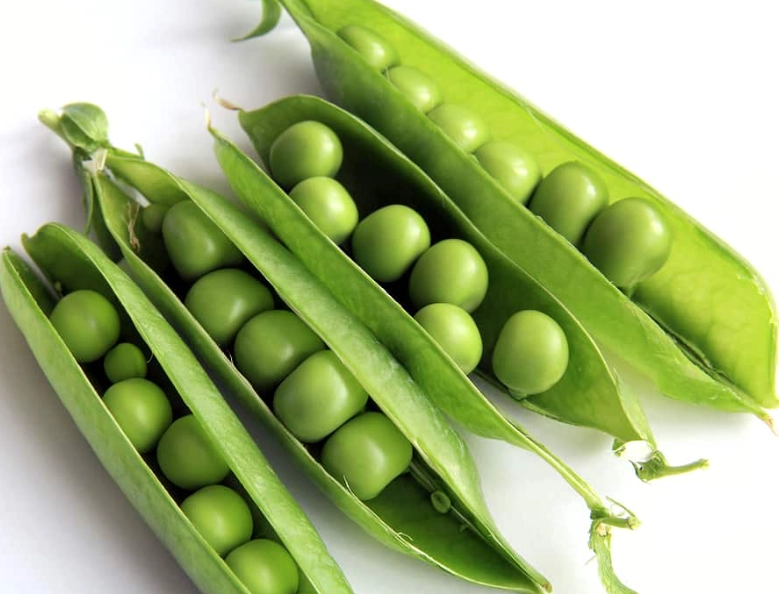
Your Pea Growing Questions Answered
 How do I save seeds from my pea plants for next year?
 Growing peas connects you to the rhythm of the cool seasons. There's a simple joy in checking the vines each morning, watching the tendrils curl, and finally tasting that first, sun-warmed pod. It's a crop that rewards a little knowledge and timing more than back-breaking effort. Start with a small patch, learn its quirks in your garden, and you'll have a delicious, renewable reason to look forward to spring and fall every year.
Reader Comments