Let's talk about Tagetes. You probably know them as marigolds. Those cheerful orange and yellow flowers your grandma might have planted near her tomatoes. For years, I thought they were just a nostalgic, easy-to-grow annual. Then I watched a stubborn patch of nematodes decimate my carrot crop, while the marigolds nearby thrived, untouched. That's when I really started paying attention. Tagetes aren't just decorative; they're one of the hardest-working plants you can invite into your vegetable patch or flower bed. They're a natural pest deterrent, a soil improver, and a companion planting superstar. If you're only growing them for color, you're missing about 80% of their value.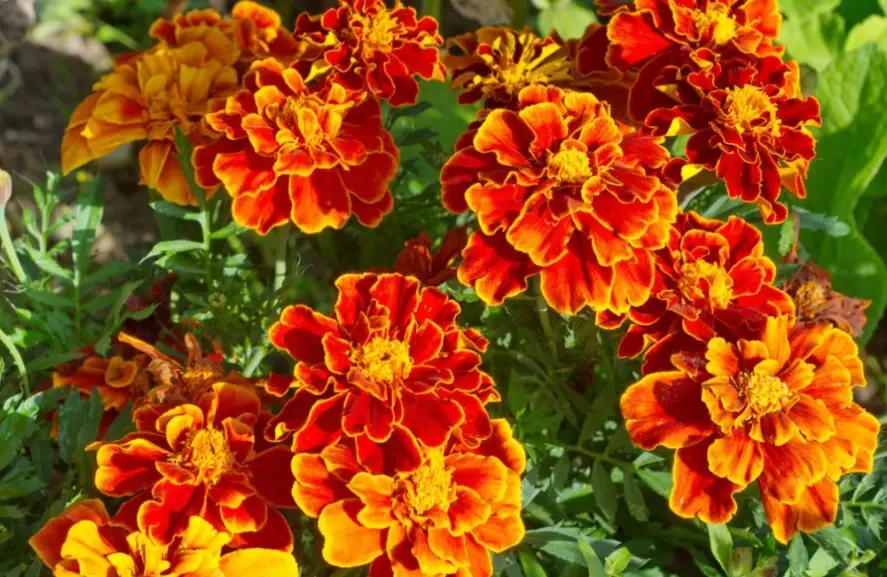
What You'll Learn in This Guide
What Are Tagetes and Why Should You Grow Them?
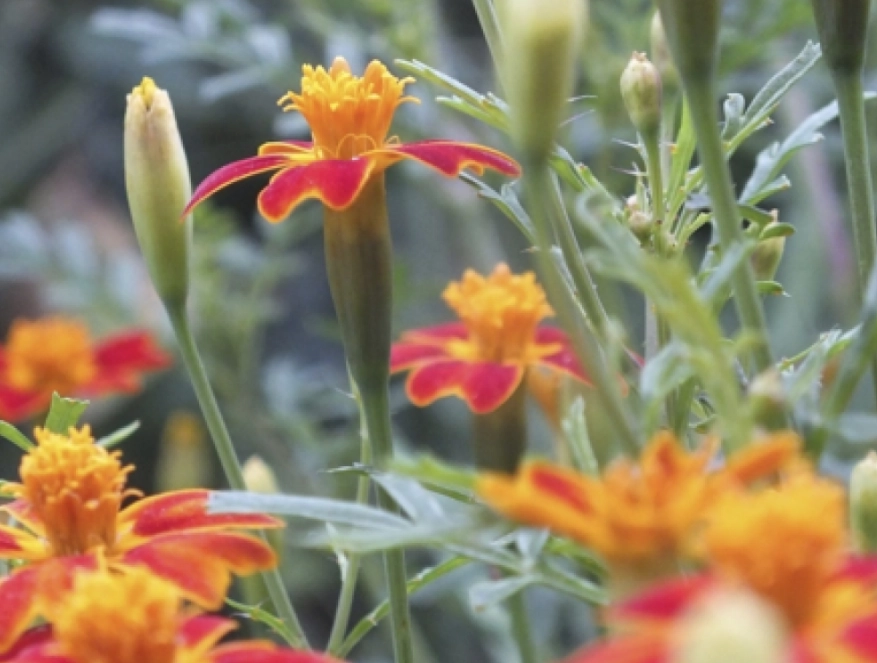
Tagetes is the botanical genus name for the plants we commonly call marigolds. They're native to the Americas, from the southwestern United States down through Argentina. Forget the idea that they're just simple bedding plants. The compounds in their roots, leaves, and flowers—especially thiophenes—are what make them garden powerhouses.
Most gardeners fall into one of two camps: those who swear by them and those who think they're overrated. The ones who think they're overrated usually aren't using them correctly. Throwing a single marigold in the corner of a large bed won't do much. You need to understand their strategy.
The Real Benefit: It's not magic. The primary pest-fighting action happens underground. Tagetes roots release alpha-terthienyl, a compound that suppresses soil-borne nematodes (microscopic worms that attack plant roots). This is a slow, preventive measure. For above-ground pests like aphids or whiteflies, the strong scent acts as a masking odor, confusing insects looking for their target plants. It's more of a deterrent than a guaranteed kill.
Beyond pest control, they're fantastic for cutting and bringing indoors, they attract pollinators like hoverflies (whose larvae eat aphids), and they can help suppress certain weeds. They're the ultimate multi-tasker.
How to Grow and Care for Tagetes: A Simple Blueprint
This is where people get tripped up. Tagetes are famously easy, but "easy" can lead to neglect. Here's the straightforward method I've used for a decade.
Starting from Seed vs. Buying Transplants
Starting from seed is incredibly cheap and satisfying. Sow seeds indoors about 4-6 weeks before your last frost date. Just press them lightly into the soil mix—they need light to germinate. They'll pop up in 5-7 days if kept warm.
But here's my non-consensus take: for companion planting, buying a flat of transplants is often smarter. You need to plant them in a specific pattern (like a border or interplanted) at the same time as your veggies. If your seedlings are lagging, you miss the crucial early window for nematode suppression. A $5 flat gives you instant impact and timing.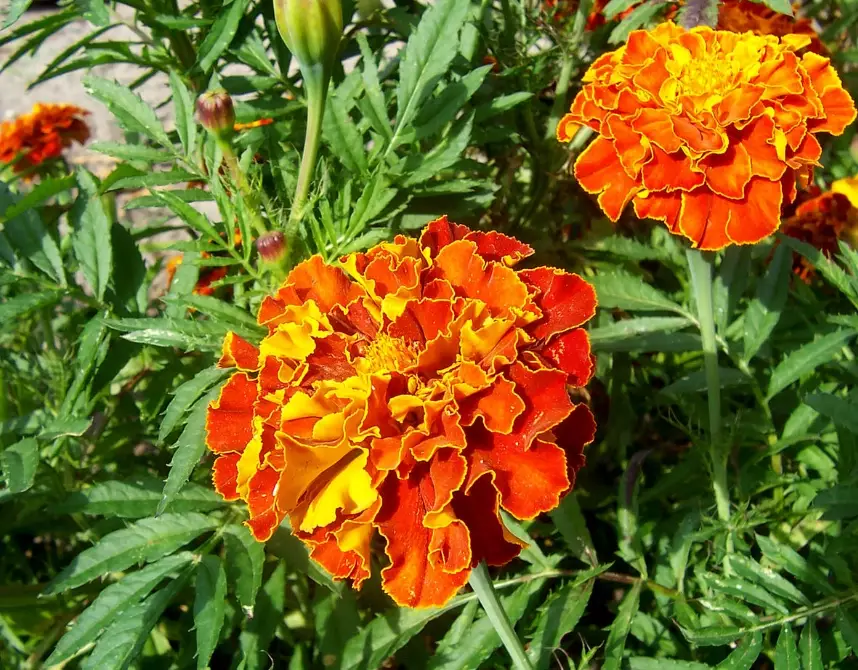
Planting and Ongoing Care
Wait until all danger of frost has passed. Tagetes hate cold soil. Plant them in full sun. I mean full sun. Six hours minimum. They get leggy and flower poorly in shade.
Soil: They're not picky, but well-draining soil is key. They'll tolerate poor soil, but if you want a massive bloom show, mix in some compost. A common mistake is planting them in rich, soggy soil—they'll grow lots of leaves but fewer flowers and are more prone to rot.
Spacing: This matters more than you think. For a dense pest-deterrent border, plant them 8-10 inches apart. For interplanting among vegetables, give them at least 10-12 inches from your crop so they don't compete for water and nutrients.
Watering: Water deeply after planting. Once established, they are drought-tolerant. Let the soil dry out between waterings. Overwatering is the quickest way to kill them with stem rot or powdery mildew.
Feeding: Go light. A single application of a balanced, slow-release fertilizer at planting is usually enough. Too much nitrogen gives you a bushy green plant with few flowers.
Deadheading: Pinch off spent flowers. This isn't just for looks; it tells the plant to make more flowers instead of going to seed. It takes two minutes every few days and doubles your bloom time.
The Tagetes Companion Planting Guide (What to Plant & Avoid)
Companion planting is the main event for Tagetes. But it's not a "plant it anywhere" free-for-all. You need a plan. Based on research from sources like the University of Florida IFAS Extension and the Royal Horticultural Society, here’s a breakdown of what works and what doesn't.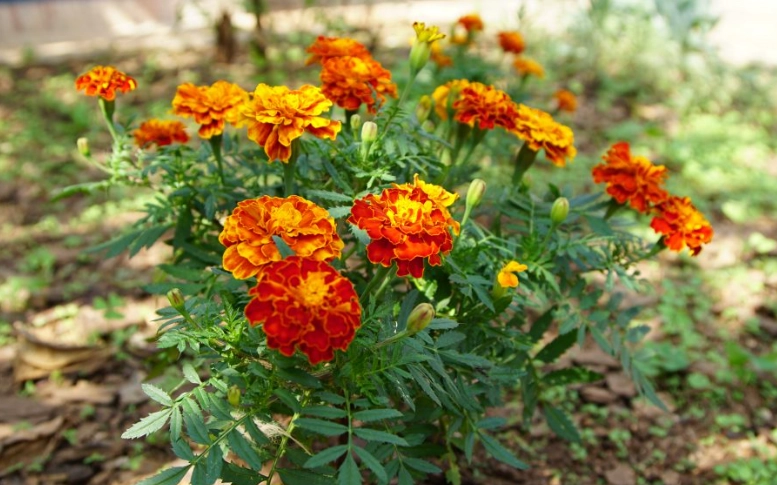
| Plant Category | Specific Plants | How Tagetes Helps | Planting Strategy Tip |
|---|---|---|---|
| Top Vegetable Companions | Tomatoes, Peppers, Eggplants, Potatoes, Cucumbers, Squash, Beans, Cabbage, Kale | Repels whiteflies, aphids, cabbage worms, bean beetles. Suppresses soil nematodes that attack solanaceous crops (tomatoes/peppers). | Plant as a dense border around the entire bed. For tomatoes, interplant 1 marigold between every 2 plants. |
| Fruit Companions | Strawberries, Raspberries | Helps deter beetles and other crawling pests. Attracts pollinators to boost fruit set. | Plant along the sunny edges of your berry patch. |
| Plants to AVOID Planting Near | Beans (pole), Cabbage (some say), Legumes | Some older gardening lore suggests they can inhibit bean growth. Evidence is mixed, but I've seen stunted pole beans when planted too close. | If in doubt, keep a distance of 2-3 feet. French marigolds (T. patula) are considered safer than African types (T. erecta). |
The nematode suppression is the most scientifically backed benefit. For it to work, you need to plant the Tagetes, let them grow for a full season, and then till the entire plant—roots, stems, leaves—back into the soil at the end of the season. This releases the compounds into the soil where the nematodes live. Just pulling them up and composting them wastes the effect.
A real-world scenario from my garden: my raised bed for tomatoes and peppers gets a solid border of 'French Vanilla' marigolds every spring. I've had no issues with whiteflies for three years running, while my neighbor's tomato plants, 30 feet away, get covered. Coincidence? Maybe. But I'm not changing my system.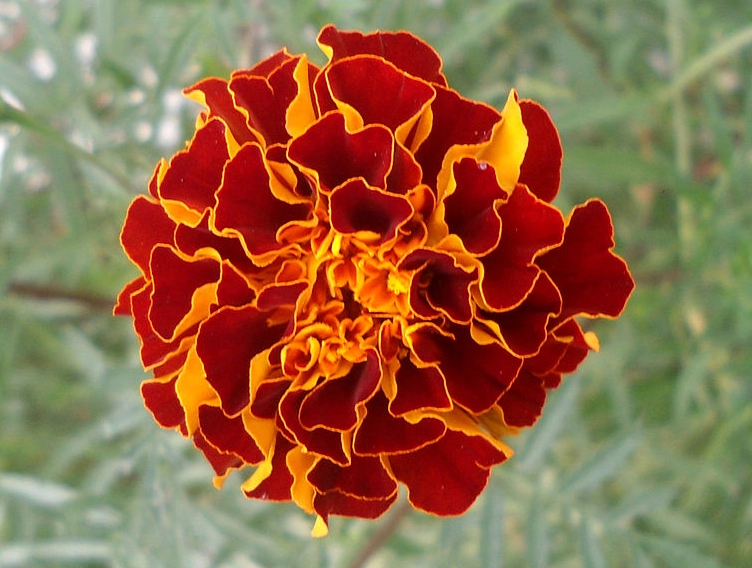
Common Tagetes Varieties: Choosing the Right One
Not all marigolds are created equal. The three main types you'll encounter have different strengths.
| Common Name (Species) | Key Characteristics | Best For | My Personal Pick |
|---|---|---|---|
| French Marigold (Tagetes patula) | Smaller plants (6-12" tall), prolific smaller flowers in reds, oranges, yellows, and bicolors. Strong scent. | Companion planting. Considered the most effective for pest deterrence. Perfect for borders and interplanting. | 'Durango Bee' or 'Hero' series. Reliable, bushy, and flower like crazy. |
| African/American Marigold (Tagetes erecta) | Tall (1-3 feet), large pom-pom flowers. Milder scent. Sometimes called "Aztec" or "Cempasúchil." | Cut flowers, dramatic backdrop planting. Less aggressive, so better for ornamental beds. | 'Inca' or 'Antigua' series. Huge, long-lasting blooms. |
| Signet Marigold (Tagetes tenuifolia) | Fine, lacy foliage; small, single flowers. Delicate citrusy scent (edible!). | Edging, containers, culinary garnish. Attracts loads of beneficial insects. | 'Lemon Gem' or 'Tangerine Gem.' The leaves and flowers make a great salad addition. |
For a beginner focused on garden health, start with French marigolds. They're the workhorses. The African types are stunning but can overwhelm small vegetables. The Signet types are my secret favorite for herb gardens and patio pots—they're just so pretty and useful.
Your Tagetes Questions Answered
Do Tagetes really repel all pests, like mosquitoes and rabbits?
This is a major exaggeration. The scent may slightly confuse or deter some browsing animals like rabbits, but a hungry rabbit will eat almost anything. For mosquitoes, the science is very weak. You'd need to crush the leaves and rub them on your skin for any potential effect, which isn't practical. Rely on them for garden pests like nematodes, aphids, and whiteflies, not as a backyard bug spray.
I've heard Tagetes can be toxic to dogs and cats. Should I be worried?
The ASPCA lists Tagetes species as mildly toxic to dogs and cats if ingested in large quantities, primarily causing gastrointestinal upset. In over a decade of gardening with dogs around, I've never had an issue—the strong smell seems to deter them from eating it. However, if you have a pet that chews on everything, it's wise to plant them in an area your pet doesn't frequent or opt for a different companion plant like nasturtiums.
Why did my Tagetes plants get covered in spider mites in the middle of summer?
Ah, the irony. Tagetes can be susceptible to spider mites, especially in hot, dry, dusty conditions. They're not a magical forcefield. When stressed by drought or heat, they become a target. The fix is simple: consistent watering at the soil level (avoid overhead watering) and a strong blast from the hose every few days to knock mites off. Keeping the plants healthy is their best defense.
 Can I save seeds from my Tagetes to plant next year?
You can, but be prepared for surprises. Many modern marigolds are F1 hybrids. Seeds saved from them won't come "true to type"—you might get different colors, sizes, or weaker plants. It's a fun experiment. For reliability, especially for companion planting where you want known traits, buy fresh seeds or transplants each year. It's a small cost for a guaranteed result.
What's the single biggest mistake people make when using Tagetes for pest control?
Planting them too late. If you're using them to protect tomatoes from nematodes or whiteflies, they need to be established before the pest population explodes. Plant your marigold transplants at the same time you plant your tomatoes. By the time pests show up, the marigolds are already big and smelly, providing that masking effect. A marigold planted two weeks after a pest infestation has started is playing catch-up.
Look, Tagetes won't solve every garden problem. They're a tool, not a cure-all. But they're a remarkably versatile, low-cost, and cheerful tool. Start with a six-pack of French marigolds. Plant them as a sunny border around a veggie patch that's had pest issues. Pay attention. See if you notice fewer bugs. My bet is you will. And you'll have a brighter garden while you're at it.
Reader Comments