You see them in botanical gardens, featured in landscaping magazines, and maybe even shading a neighbor's patio. Japanese maples (Acer palmatum) have this magnetic pull. But when you decide you want one for yourself and start looking, the sheer number of varieties hits you like a wall. Hundreds of them. 'Bloodgood', 'Emperor I', 'Sango-kaku', 'Shishigashira'... it's a beautiful, confusing alphabet soup.
Here's the straight answer: Choosing the right Japanese maple isn't about picking the prettiest picture. It's a practical matchmaking exercise between a plant's needs and your garden's reality. Get it right, and you have a low-maintenance masterpiece for decades. Get it wrong, and you'll watch a costly tree struggle with sunburn, outgrow its space, or just never show its promised colors.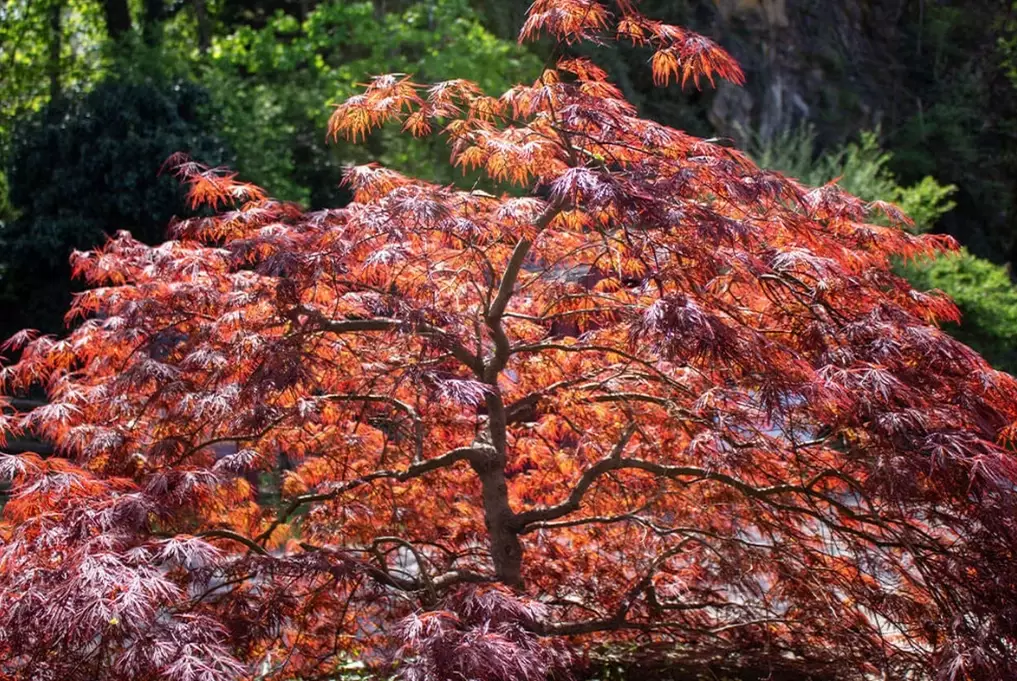
I've been collecting and advising on acers for over a decade. The most common mistake I see? People buy a stunning, lace-leaf red maple and plop it in full, baking afternoon sun because that's the "hot spot" in their yard. By August, the leaves are crispy and brown. This guide will help you avoid those pitfalls by understanding the logic behind the varieties.
What's Inside This Guide
Making Sense of the Classification System
Nurseries and catalogs often group Japanese maples in ways that make sense to them, not to you. Let's simplify it into three filters you can actually use: leaf shape, tree form/size, and leaf color.
Leaf Shape: Palmatum vs. Dissectum
This is the biggest visual divider.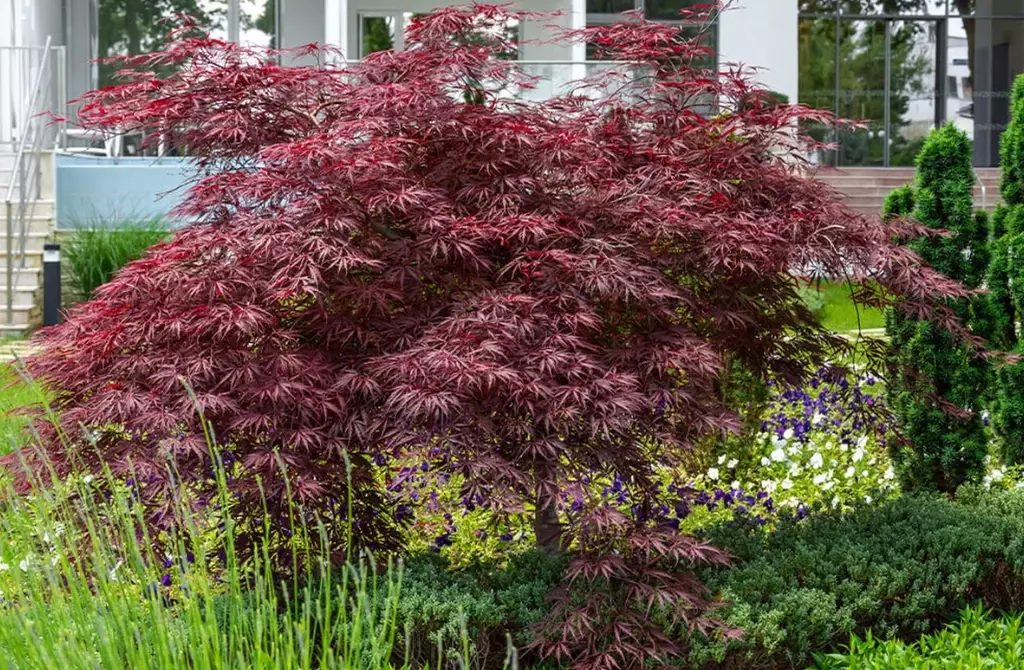
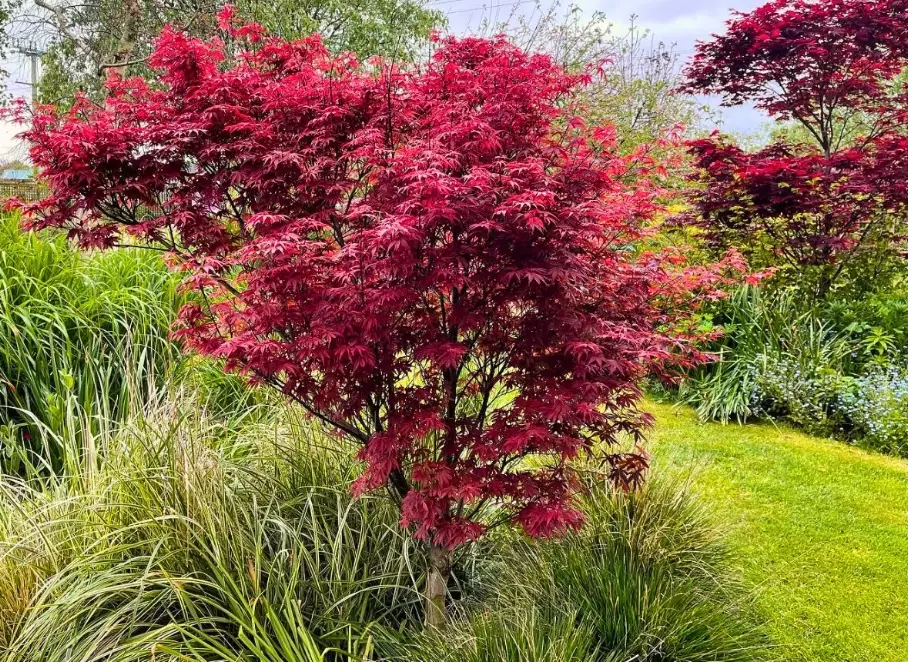
Palmatum Types: These have the classic maple leaf shape you know—larger lobes with pointed tips. The leaves are more substantial. Think of varieties like 'Bloodgood' or 'Osakazuki'. They're generally tougher, handle sun and wind a bit better, and grow more upright.
Dissectum Types (Laceleaf): This is where the magic gets fine-textured. The leaves are deeply dissected, almost thread-like, creating a soft, feathery, cascading look. 'Crimson Queen' and 'Viridis' are classic examples. They're breathtaking but more delicate. They almost always need afternoon shade and protection from harsh winds, which can shred those tender leaves.
Tree Form & Size: Upright, Weeping, and Dwarf
Ignoring mature size is the second biggest planting mistake.
Upright (A. palmatum): These grow into small to medium-sized trees, typically 15-25 feet tall. They have a central leader and a vase-shaped or rounded canopy. This is your go-to if you want a traditional tree shape for shade or structure.
Weeping/Mounding (A. palmatum var. dissectum): Laceleaf maples almost always have a weeping, mounding, or broad-spreading habit. They rarely get tall but can spread wide (up to 12 feet or more for old specimens). They are perfect for cascading over walls, ponds, or as a sprawling focal point.
Dwarf Varieties: This is a crucial category for modern gardens. True dwarfs like 'Shishigashira' (Lion's Head Maple) or 'Koto-no-ito' grow incredibly slowly, maybe only a few inches a year, topping out at 6-8 feet after many years. They are ideal for containers, small urban yards, or rock gardens.
Leaf Color: It's (Almost) Never Static
Labeling a maple as just "red" or "green" is misleading. Their color is a performance with at least two acts: spring and fall. Many have a third act with a summer color change.
A 'Sango-kaku' (Coral Bark Maple) has bright green leaves in summer that turn soft yellow in fall. But its real show is its brilliant coral-red young branches in winter. A 'Bloodgood' starts with deep crimson-red leaves in spring, holds a burgundy-green in the summer heat if in some sun, and then finishes with a striking scarlet red in autumn.
You need to think about the seasonal arc, not a single snapshot.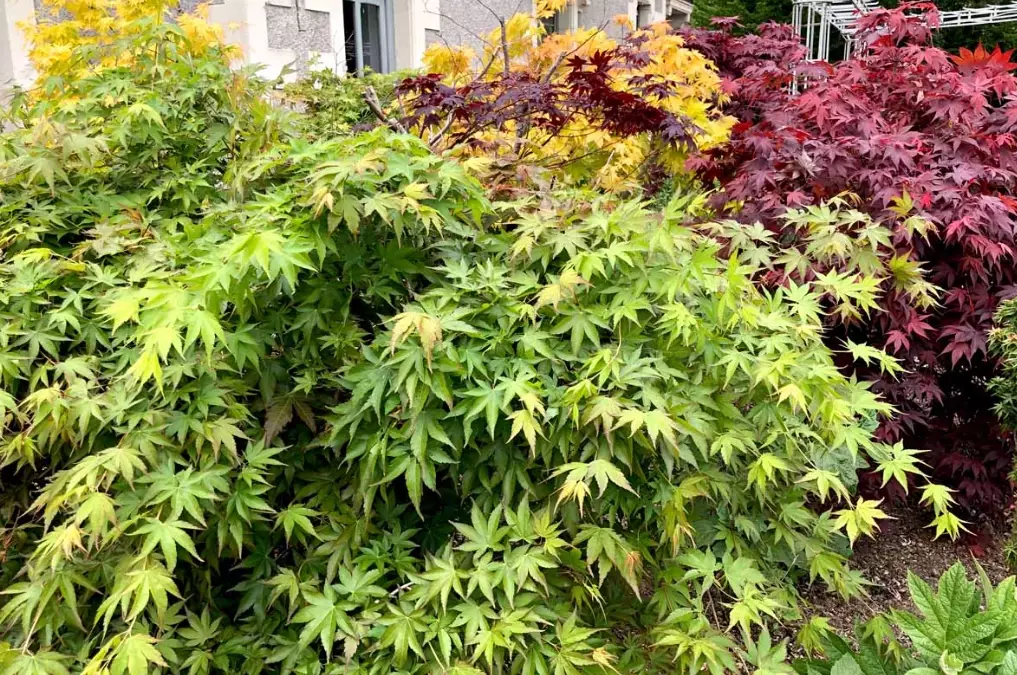
A Breakdown of Popular Varieties by Character
Let's apply the filters. This table compares some of the most sought-after and reliable varieties. I've included their "personality" and key needs.
| Variety Name | Primary Character | Spring/Summer Color | Fall Color | Mature Size (HxW) | Key Consideration |
|---|---|---|---|---|---|
| 'Bloodgood' | Upright, Palmatum | Deep crimson-red | Scarlet red | 15-20' x 15-20' | The classic red tree. Tolerates sun better than most reds, but still appreciates afternoon shade in hot zones. |
| 'Emperor I' | Upright, Palmatum | Deep purple-red | Fiery red | 12-15' x 12-15' | Holds its rich color remarkably well through summer heat. A superior sun-tolerant red selection. |
| 'Sango-kaku' (Coral Bark) | Upright, Palmatum | Fresh green with red edges | Golden yellow | 20-25' x 15-20' | Valued for stunning coral-red winter stems. Best stem color on new growth, so don't be afraid to prune a little. |
| 'Osakazuki' | Upright, Palmatum | Rich green | Possibly the brightest scarlet of any maple | 15-20' x 15-20' | The undisputed champion of fall color. A green tree that explodes in October. Needs good sun for best fall show. |
| 'Crimson Queen' | Weeping, Dissectum (Laceleaf) | Deep burgundy-red | Crimson | 8-10' x 10-12' | The standard for a red weeping laceleaf. Forms a perfect mushroom-shaped mound. Requires afternoon shade. |
| 'Viridis' | Weeping, Dissectum (Laceleaf) | Bright, lush green | Golden yellow with orange hints | 6-8' x 8-10' | The classic green laceleaf. Incredibly graceful and cool-looking. More sun-tolerant than red laceleafs but still prefers shade. |
| 'Shishigashira' (Lion's Head) | Upright, Dwarf, Palmatum | Dark green, crinkled leaves | Brilliant orange-red | 5-8' x 4-6' | Unique, dense growth with puckered leaves clustered close to the stems. Very slow-growing, excellent in containers. |
| 'Shaina' | Upright, Dwarf, Palmatum | Dense, burgundy-red | Bright red | 4-6' x 4-5' | A compact, bushy dwarf with very tight branching. Looks like a small, dense cloud of red. Great for small spaces. |
How to Choose the Perfect Japanese Maple for Your Garden
Now, let's match. Grab a notepad and answer these questions about your space.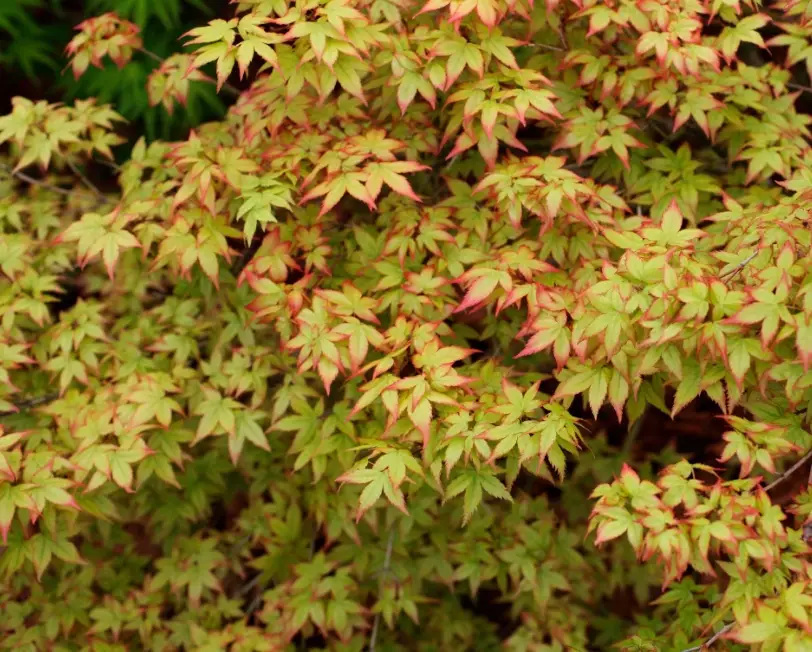
1. How much sun does the spot get? Be honest. Full sun is 6+ hours of direct, unfiltered summer sun. Most Japanese maples, especially red/purple and all laceleaf types, want dappled sunlight or afternoon shade. Morning sun with afternoon shade is ideal. Only a few green or upright varieties ('Osakazuki', 'Emperor I') can handle full sun in cooler climates (Zones 5-6). In Zones 7-8, all appreciate shade from the hot afternoon blaze.
2. What's the space, both above and around? Don't just look up. Look out. A weeping 'Crimson Queen' might only get 8 feet tall, but it can spread 12 feet wide. Do you have that room? For tight spaces between buildings or under power lines, dwarf upright varieties like 'Shishigashira' or 'Shaina' are your best friends.
3. What's your visual goal? Are you looking for a shade tree, a sculptural focal point, a container thriller, or a burst of fall color? Upright palmatums work as small trees. Weeping dissectums are living sculptures. Dwarfs are for detail and containers.
4. What's your hardiness zone? Most Japanese maples are hardy from USDA Zones 5 to 8. Some, like 'Emperor I', can handle the heat of Zone 9 with ample shade and water. Check your zone on the USDA Plant Hardiness Zone Map. In Zone 5 or a cold 6, provide a sheltered location away from harsh winter winds to prevent branch dieback.
Beyond Planting: Essential Care for Long-Term Health
Planting is just the first date. The relationship needs ongoing, minimal but thoughtful care.
Watering: This is critical, especially for the first 3 years. They like consistent moisture but hate soggy, waterlogged feet. Think "moist like a wrung-out sponge." Deep watering once or twice a week during dry spells is better than daily sprinkles. Container maples need far more frequent checking—they can dry out in a single hot, windy day.
Mulching: A 2-3 inch layer of shredded bark mulch over the root zone (but not piled against the trunk) is a game-changer. It keeps roots cool, retains moisture, and suppresses weeds. Their roots are shallow and appreciate this blanket.
Fertilizing: Less is more. A light application of a balanced, slow-release fertilizer in early spring is plenty. Over-fertilizing, especially with high-nitrogen stuff, causes weak, leggy growth that's prone to pests and less colorful.
Pruning: The best pruning is often no pruning. If you must, do it in late fall after leaf drop or in late winter when the structure is visible. Remove only dead, crossing, or badly placed branches. Never "top" the tree. For laceleaf types, you can selectively thin out small interior branches to show off the structure. I use sharp, clean bypass pruners and make cuts just outside the branch collar.
The Container Life: You can grow many varieties in pots for years. The key is: 1) A large pot (at least 18-24 inches wide), 2) A very well-draining potting mix (I add extra perlite and pine bark), 3) Consistent watering, and 4) Repotting into fresh soil every 3-4 years, maybe going up one pot size.
Your Questions, Answered (By a Grower)
I have a tiny balcony with only 4 hours of morning sun. Which Japanese maple variety has the best chance?
For that limited, gentle sun, a dwarf green laceleaf is your safest bet. Look for 'Viridis' (the standard) or even smaller cultivars like 'Waterfall'. Their green leaves are less prone to scorch in variable light. Plant it in the largest, deepest pot you can fit using a well-draining mix. The pot size will limit its growth naturally, making it a perfect, manageable balcony companion for years.
Why did my beautiful red 'Bloodgood' maple turn greenish in the middle of summer?
This is called "summer greening" and it's very common, especially if the tree gets a lot of direct, hot sun. The tree is producing more chlorophyll to cope with the intense light. It's not necessarily unhealthy, just a color shift. To help it hold red better, ensure it gets afternoon shade and is well-watered to avoid heat stress. Varieties like 'Emperor I' are specifically bred to resist this greening.
 Is it true I should avoid planting Japanese maples near black walnut trees?
Yes, take this seriously. Black walnut trees (and to a lesser degree, butternuts) release a chemical called juglone from their roots, leaves, and nut hulls that is toxic to many plants, including Japanese maples. It causes wilting, yellowing, and eventual death. The toxic zone can extend 50-60 feet from the trunk of a mature walnut. If you have one, choose a planting site well outside the tree's drip line, or consider a beautiful container placement instead.
When is the absolute best time of year to plant a Japanese maple?
Fall is the golden window. The soil is still warm, which encourages root growth, but the air is cool, reducing stress on the leaves. The tree can establish its roots all winter and spring before the summer heat hits. Early spring, as soon as the ground is workable, is the second-best option. Avoid planting in the heat of summer unless you're buying a containerized plant and are committed to meticulous watering.
The journey with a Japanese maple is a slow, rewarding one. It's not an instant-gratification plant. You choose a variety that fits your life and your space, plant it with care, and then you watch. You watch the leaves unfurl in spring, provide dappled shade in summer, and set the garden on fire in fall. Year after year, it becomes more itself. That's the real magic of understanding the varieties—it's the start of a very long, very beautiful conversation.
Reader Comments