Let's talk about dianthus height. It's not just a number on a plant tag. It's the single most important factor that decides where your dianthus will thrive, what it will look like in six months, and whether it will solve a garden problem or create one. I've seen too many gardeners fall in love with a picture, buy a tall 'Ideal Violet' dianthus, and then cram it into a tiny patio pot where it flops over miserably. Or they plant a cute, 3-inch tall 'Tiny Rubies' at the back of a deep flower bed where it completely disappears. Getting the height right is the difference between a garden that works and one that frustrates you.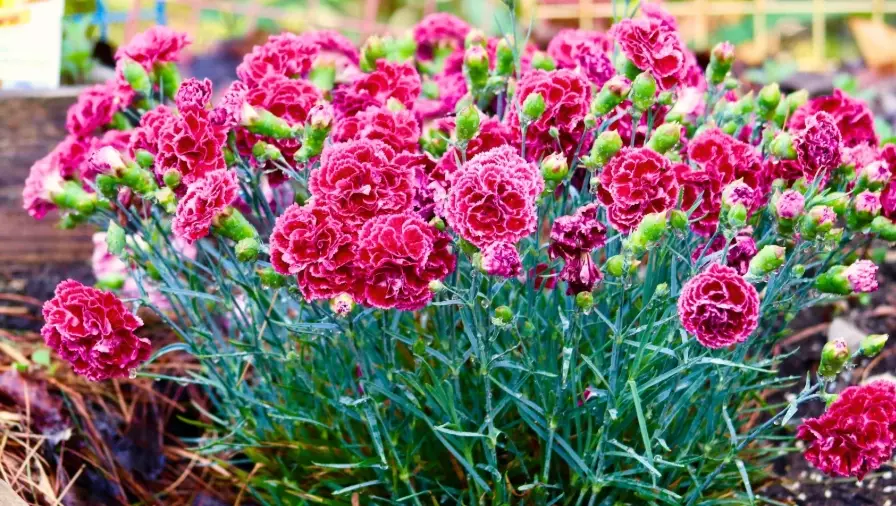
What You'll Learn in This Guide
Why Dianthus Plant Height Isn't Just an Aesthetic Choice
Think of dianthus height as its job description. A 4-inch tall plant has a completely different role than a 24-inch tall one. It dictates sunlight exposure, competition with neighbors, and even susceptibility to disease. A low-growing, mat-forming dianthus creates a living mulch, suppressing weeds and keeping its own roots cool. Stick a tall variety in that same spot, and its stem needs to fight for light, often becoming leggy and weak.
I made this mistake early on. I planted a medium-height 'Firewitch' (about 8 inches) in a spot that got a bit more shade than I thought. It grew, but it stretched. It reached for light, becoming less compact, and the famous magenta flowers were fewer and farther between. The plant's genetics had a height potential, but the environment pushed it into an awkward, inefficient form. Height is a promise the plant makes based on ideal conditions; your garden's reality determines if it can keep that promise.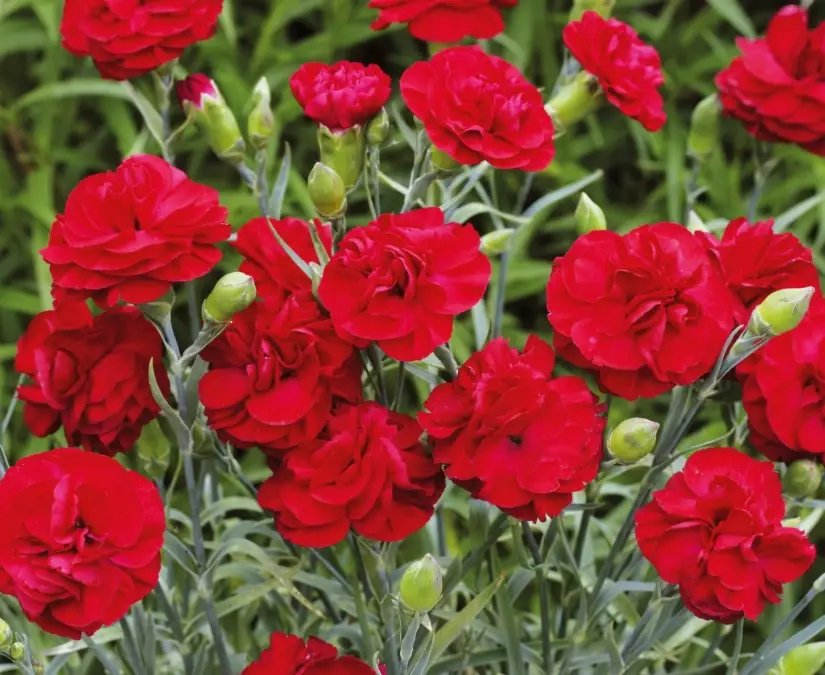
The Four Dianthus Height Categories (With Specific Varieties)
Forget vague terms like "short" or "tall." Let's get specific. Here’s a breakdown of dianthus by height class, with real varieties you can actually buy. This table is your cheat sheet.
| Height Category | Typical Height Range | Key Growth Habit | Best For | Example Varieties (with Specific Heights) |
|---|---|---|---|---|
| Ultra-Dwarf / Miniature | 2 - 6 inches (5 - 15 cm) | Tight, dense mats or tiny mounds. Slow spread. | Rock gardens, troughs, green roof layers, edging tight pathways, between paving stones. | 'Tiny Rubies' (3" tall), 'Diana' series (4-6"), Dianthus deltoides 'Arctic Fire' (4" tall). |
| Low-Growing / Ground Cover | 6 - 10 inches (15 - 25 cm) | Spreading mats, excellent filler. Moderate to fast spread. | Front of borders, sprawling over walls, mass planting for color, underplanting for roses or shrubs. | 'Firewitch' (8"), 'Bath's Pink' (10"), Dianthus gratianopolitanus cultivars (6-9"). |
| Medium Height / Border Classics | 10 - 18 inches (25 - 45 cm) | Mounded, clump-forming. Strong stems for cutting. | Mid-border placement, container focal points, cottage gardens, cutting gardens. | 'Ideal Violet' (14"), 'Sugar Plum' (12"), Many 'Amazon' series (14-16"), old-fashioned Dianthus barbatus (Sweet William) (12-18"). |
| Tall / Back of the Border | 18 - 30+ inches (45 - 75+ cm) | Upright, vase-shaped clumps. Often single-stemmed per flower. | Back of flower beds, screening, large mixed containers, dramatic cut flowers. | 'Green Trick' / 'Green Ball' (18-24", novelty types), Some Cheddar Pink hybrids (up to 20"), Certain species like Dianthus superbus (can reach 30"). |
Notice the habits. The under-6-inch crowd are specialists. They're for precise, small-scale work. The 6-10 inch group are your versatile problem-solvers. Once you hit the medium and tall categories, you're dealing with structural plants. They take up visual space and need placement with intent.
How to Choose the Perfect Dianthus Based on Your Garden's Height Needs
Stop browsing by flower color first. Start with the height your space demands.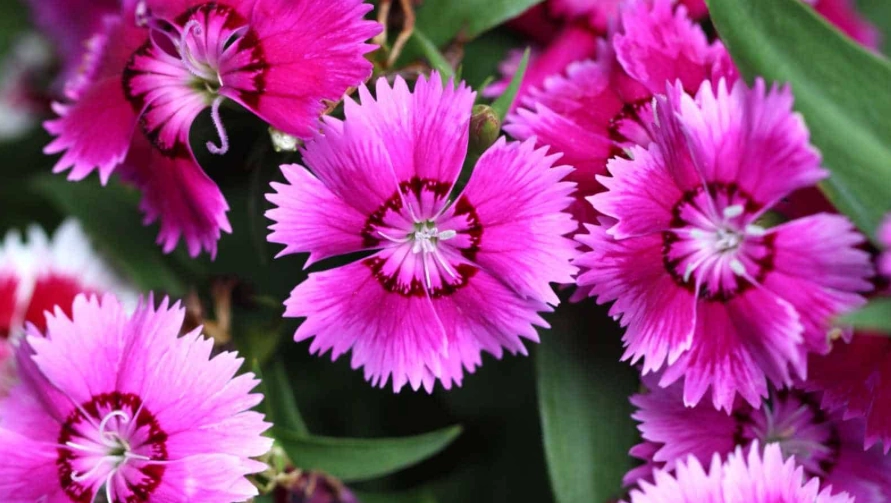
For Container Gardening
The rule is simple: the plant's mature height should be less than half the container's height for a balanced look. A 12-inch tall pot can comfortably host a dianthus that grows 6 inches tall. For a thriller-filler-spiller combo in a large pot, use one medium-height dianthus (14-inch 'Ideal Violet') as the thriller, with spillers like ivy around it. Never use a tall, 24-inch variety in a standard patio pot; it will become top-heavy and blow over.
For Border and Bed Design
This is where mistakes are most visible. The classic design principle is tall in back, short in front. But with dianthus, consider bloom time and foliage. A low-growing 'Firewitch' has stunning blue-gray foliage that looks good all season. It can go in front of a medium-height perennial that blooms later but has sparse early-season foliage. The dianthus covers the ground. It's a layering game, not just a height lineup.
For Ground Cover and Erosion Control
You want the low-growing, spreading types in the 6-10 inch range. Their height is less important than their spread. 'Bath's Pink' is fantastic because at 10 inches tall, it forms a wide, dense mat that chokes out weeds. Planting density matters more here. Space plants closer together (8-10 inches apart) to achieve coverage faster. A single 3-inch tall miniature won't cover much ground.
Can You Control Dianthus Height? Practical Tips and Common Mistakes
You can influence height, but you can't fundamentally change a plant's genetic blueprint. A variety bred to be 24 inches tall will never be a 6-inch mound. However, you can optimize or accidentally sabotage its potential height.
What makes dianthus shorter and more compact? Maximum sunlight is the biggest factor. Six hours of direct sun is the minimum for most. More sun equals tighter growth. Lean, well-draining soil also promotes sturdier, shorter growth. Rich, nitrogen-heavy soil promotes soft, leggy growth that flops. I see over-fertilization all the time. People think they're helping, but they're creating weak, tall stems that can't support the blooms.
The Pinching vs. Shearing Debate: Pinching the tips of young shoots in early spring encourages branching, leading to a bushier plant with more, but potentially slightly smaller, flowers. It can control overall form. Shearing after the first big bloom flush (cutting back by about one-third) promotes a second bloom and removes tall, spent flower stems, making the plant appear shorter and neater. Don't shear in late fall; you'll remove next year's buds.
The one mistake that guarantees floppy, ugly height: Planting in too much shade. It's the fastest route to etiolated, stretched, weak-stemmed plants that collapse. No amount of pinching will fix it.
Your Dianthus Height Questions, Answered
 My 'Firewitch' dianthus is spreading but also getting taller and less dense in the center. What's happening?
Reader Comments