Let's clear something up right away. When you hear "nicotiana," you probably think of tobacco. And you're not wrong—the plant genus Nicotiana is indeed the source of commercial tobacco. But for gardeners, that's barely half the story. The ornamental nicotiana flowering plant, often called flowering tobacco, is a stunning, fragrant, and surprisingly easy annual that deserves a prime spot in your beds and containers. Forget the agricultural crop; we're talking about trumpet-shaped blooms that open in the evening, releasing a sweet, jasmine-like perfume that can transform your garden into a sensory retreat after sunset. I've grown them for years, and they consistently outperform many fussier plants.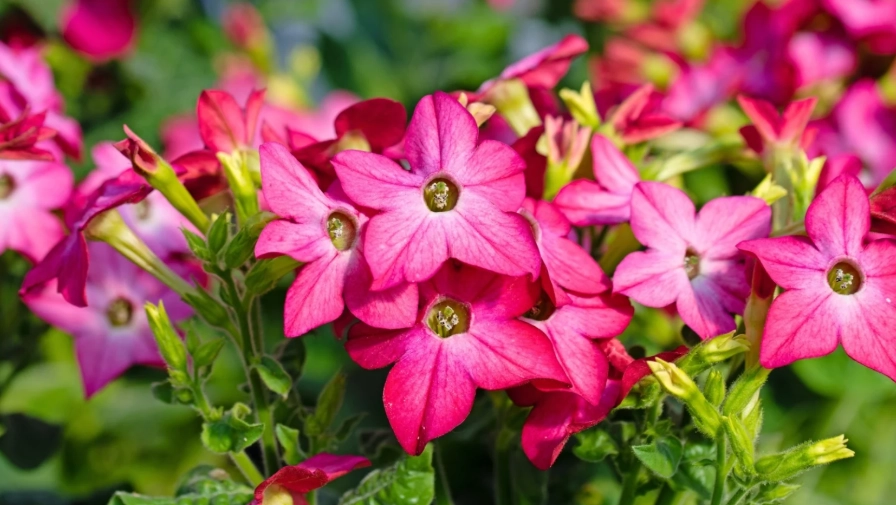
What’s Inside?
What Exactly is a Nicotiana Flowering Plant?
Nicotiana is a genus of about 70 species, mostly native to the Americas and Australia. The ornamental types we grow in gardens are primarily derived from Nicotiana alata and Nicotiana sylvestris. They're tender perennials usually treated as annuals in most climates. The magic happens at dusk. The tubular flowers, which might look somewhat closed and sleepy during the day, fully unfurl as light fades. This isn't just a neat trick; it's an evolutionary adaptation to attract specific pollinators like hawk moths, which are active at night.
You get a lot of bang for your buck. The plants offer a long blooming season from early summer right up to the first hard frost. They're also relatively pest-resistant—deer and rabbits typically give them a wide berth, likely due to the sticky, slightly fuzzy foliage that contains trace amounts of nicotine (don't worry, not enough to be harmful from casual contact).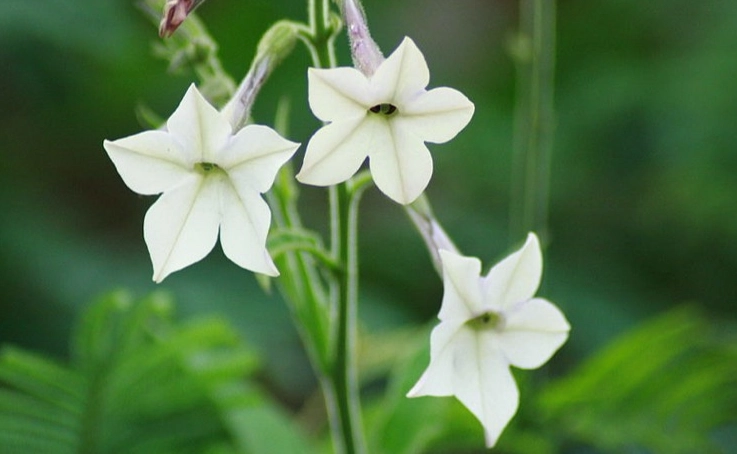
Key Takeaway: Ornamental nicotiana is a different beast from its commercial cousin. We grow it for its spectacular evening display, incredible fragrance, and resilience in the garden.
How to Grow Nicotiana Successfully
Here's where I see new gardeners stumble. They treat nicotiana like a typical sun-loving annual and then wonder why it's struggling. It's more nuanced.
Sun, Soil, and the Perfect Spot
Nicotiana prefers full sun to partial shade. In hotter climates (USDA zones 8+), afternoon shade is a blessing and prevents scorching. The soil should be rich, moist, but exceptionally well-draining. This is the non-negotiable part. They hate "wet feet." I learned this the hard way when a patch in heavy clay rotted over a rainy week. Amend clay soil with plenty of compost or plant in raised beds.
Starting from Seed vs. Buying Transplants
Nicotiana seeds are tiny, like dust. Starting them indoors 6-8 weeks before the last frost gives you a head start. Don't cover the seeds; they need light to germinate. Just press them gently onto the surface of moist seed-starting mix. Keep them warm (70-75°F).
Most people find it easier to buy transplants from a nursery in spring. Look for stocky plants without yellowing leaves.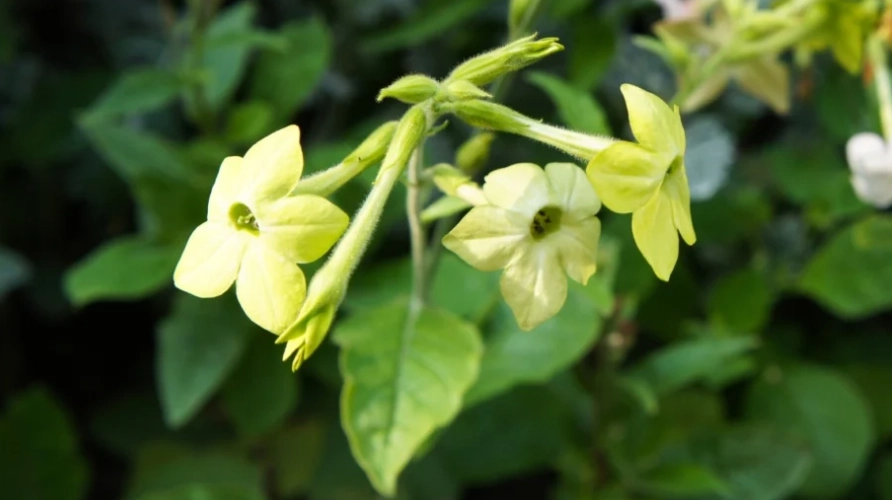
Planting and Ongoing Care
Space plants about 12-18 inches apart. Water them in well. Once established, they have moderate water needs. Water deeply when the top inch of soil is dry. A common mistake is overwatering, thinking the droopy leaves on a hot afternoon mean thirst. Often, they're just conserving moisture. Check the soil first.
Feed with a balanced, water-soluble fertilizer every 3-4 weeks during the growing season. For continuous blooms, deadhead spent flowers regularly. This encourages more branching and flowering. If the plant gets leggy by mid-summer, don't be afraid to cut it back by a third. It will bounce back with fresh growth and flowers.
Choosing the Right Nicotiana Variety for You
Not all nicotianas are created equal. The old-fashioned varieties (N. sylvestris) can tower at 5 feet, while modern hybrids are compact and floriferous. Your choice depends on your garden's style and space.
| Variety | Height | Color | Key Features & Best For |
|---|---|---|---|
| Nicotiana sylvestris (Woodland Tobacco) | 4-5 ft | Pure white | Dramatic height, intensely fragrant. Makes a stunning backdrop. Needs staking in windy spots. |
| 'Perfume Deep Purple' | 18-24 in | Deep velvety purple | Compact, day-and-night blooming, very strong scent. Perfect for containers and front of borders. |
| 'Lime Green' | 20-24 in | Bright lime-green | Color glows in twilight. Excellent for cutting. Adds a zingy contrast to pink and purple flowers. |
| 'Sensation Mixed' | 2-3 ft | Mixed pastels & whites | Classic heirloom type. Flowers close partially on cloudy days. Nostalgic cottage garden feel. |
| Nicotiana alata 'Grandiflora' (Jasmine Tobacco) | 3 ft | White, pink, crimson, green | The classic fragrant type. Sticky leaves. A pollinator magnet, especially for hummingbirds. |
My personal favorite is the 'Lime Green' variety. It never fails to get comments, and it lasts forever in a vase. The 'Perfume' series is fantastic for small-space gardens because it's so well-behaved and floriferous.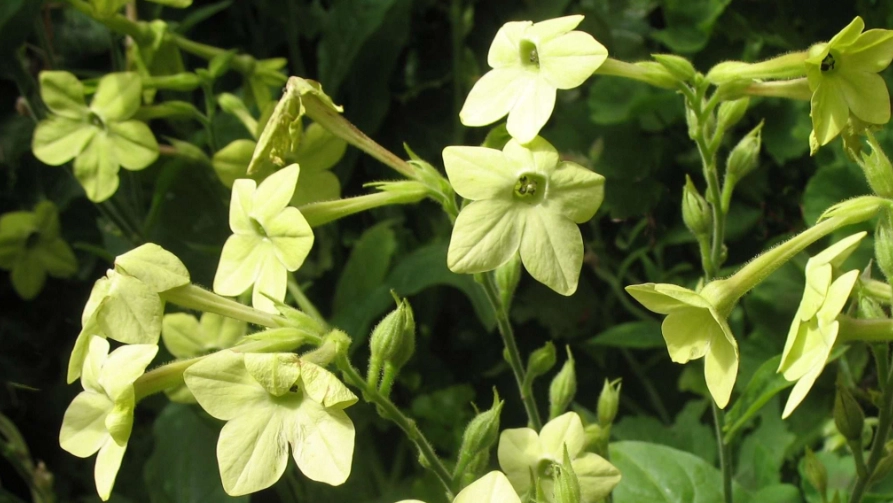
Common Nicotiana Pests and Diseases (And How to Beat Them)
Nicotiana is tough, but not invincible. Here are the main issues you might face:
Aphids: They sometimes cluster on new growth and under leaves. A strong blast of water usually dislodges them. For bad infestations, insecticidal soap works.
Slugs and Snails: Young plants are vulnerable. Use organic slug bait or beer traps.
Powdery Mildew: This fuzzy white fungus on leaves appears in humid conditions with poor air circulation. Prevention is key. Space plants properly, water at the base (not overhead), and choose resistant varieties. If it appears, a baking soda spray (1 tsp baking soda, 1 quart water, few drops of dish soap) can help.
Tobacco Mosaic Virus (TMV): This is the big one. It causes mottled, distorted, stunted growth. There is no cure. Prevent it by not smoking around your plants and washing your hands after handling tobacco products before gardening. Also, avoid planting nicotiana where tomatoes, peppers, or eggplants (other TMV hosts) grew recently with problems.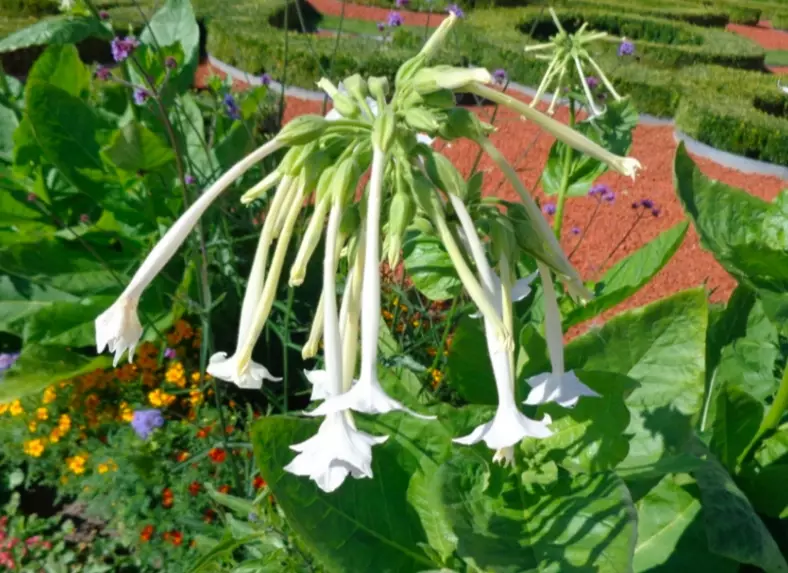
Designing with Nicotiana: Beyond the Tobacco Field
This is where the fun begins. Nicotiana is a versatile designer plant.
The Night Garden: Pair it with other evening stars like moonflower (Ipomoea alba), evening primrose (Oenothera), and white petunias. Add silvery foliage plants like artemisia or lamb's ear to reflect moonlight.
Container Thriller: The taller varieties like N. sylvestris make incredible "thrillers" in large pots. Surround with trailing verbena or sweet potato vine.
Cottage Garden Mix: Let it self-seed gently among roses, foxgloves, and phlox for a relaxed, romantic look. The fragrance mingling with old roses is unforgettable.
Pollinator Paradise: Plant it near your vegetable garden to attract those nighttime-pollinating moths, which also benefit other plants. The long tubes are perfect for hummingbirds too.
One pro tip: Place nicotiana near a patio, porch, or open window where you sit in the evenings. That's how you get the full benefit of the perfume.
Your Nicotiana Questions, Answered
My nicotiana leaves are turning yellow and drooping. What's wrong?
Check your watering first. Yellow, wilting leaves are the classic sign of overwatering and root rot. Let the soil dry out. If it's soggy, you might need to improve drainage or even replace the plant. Conversely, if the soil is bone dry and the plant is in full sun, it might need a deep drink. Underwatering causes crispy, brown edges first.
Is the nicotiana flowering plant poisonous to pets?
The ASPCA lists nicotiana as toxic to dogs, cats, and horses if ingested in large quantities due to the nicotine alkaloids. Symptoms can include vomiting, diarrhea, and lethargy. While ornamental varieties have lower concentrations, it's wise to plant them where curious pets won't chew on them excessively. The risk from casual contact is minimal.
 Why are my nicotiana flowers staying closed during the day?
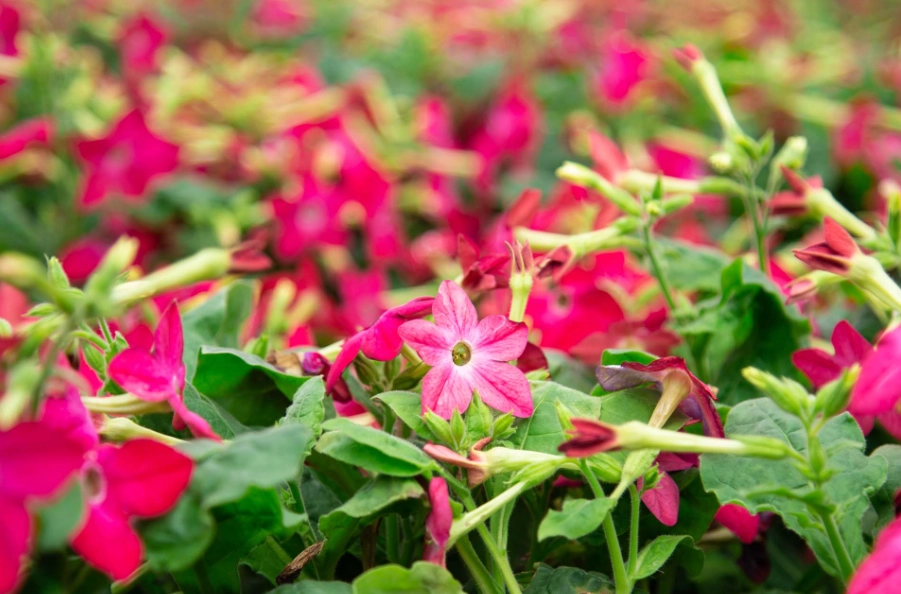
That's completely normal for many heirloom varieties! It's a feature, not a bug. Flowers like those in the 'Sensation' mix are photoperiodic—they open in lower light (evening, night, and overcast days) to target their specific moth pollinators. If you want flowers open all day, choose modern hybrids like the 'Perfume' or 'Nicki' series, which have been bred for day-long display.
Can I save seeds from my nicotiana plants?
Absolutely, and it's easy. Let a few flower heads dry and turn brown on the plant. Snip them off, place them in a paper bag, and let them dry completely indoors for a week or two. Then crush the seed pods over a white sheet of paper. You'll see the tiny brown seeds. Store them in a cool, dry place in a paper envelope. Remember, if you're growing hybrids (F1), the seeds won't come true to the parent plant—you might get a mix of colors and forms.
What are the best companion plants for nicotiana?
Think about contrast and shared needs. Great companions include: Cosmos (airy texture contrast), Salvia (complementary vertical spikes, loves similar sun), Zinnias (bold day-long color), Coleus (for stunning foliage contrast in part-shade), and Cleome (for a tall, dramatic textural combo). Avoid planting them with heavy feeders that need constant soggy soil.
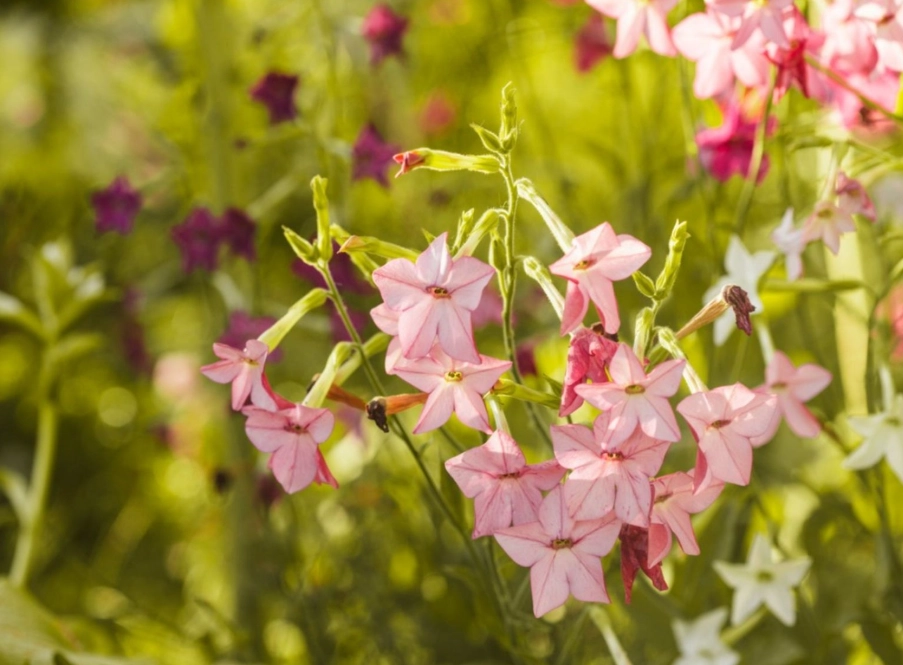 Growing the nicotiana flowering plant is one of the simplest ways to add magic to your garden. It asks for little—some decent soil, a bit of water, and a spot to watch the sunset—and gives back so much: fragrance, evening beauty, and a lively hub for pollinators. Skip the common marigolds this year and give these elegant night-bloomers a try. You might just find your new garden favorite.
Reader Comments