You see it on postcards from Scotland, blanketing moors in a purple wave. You might have a struggling patch in your own garden that never quite looks right. Heather. It's iconic, but most guides treat it as one simple plant. That's the first mistake. There isn't just one "heather." The term loosely covers plants from two different genera—Calluna and Erica—with dozens of species and hundreds of cultivars, each with its own quirks. Getting this wrong is why so many heather plantings fail. This guide cuts through the confusion. We'll identify the key players, lay out a foolproof planting strategy, and expose the subtle errors that even experienced gardeners make.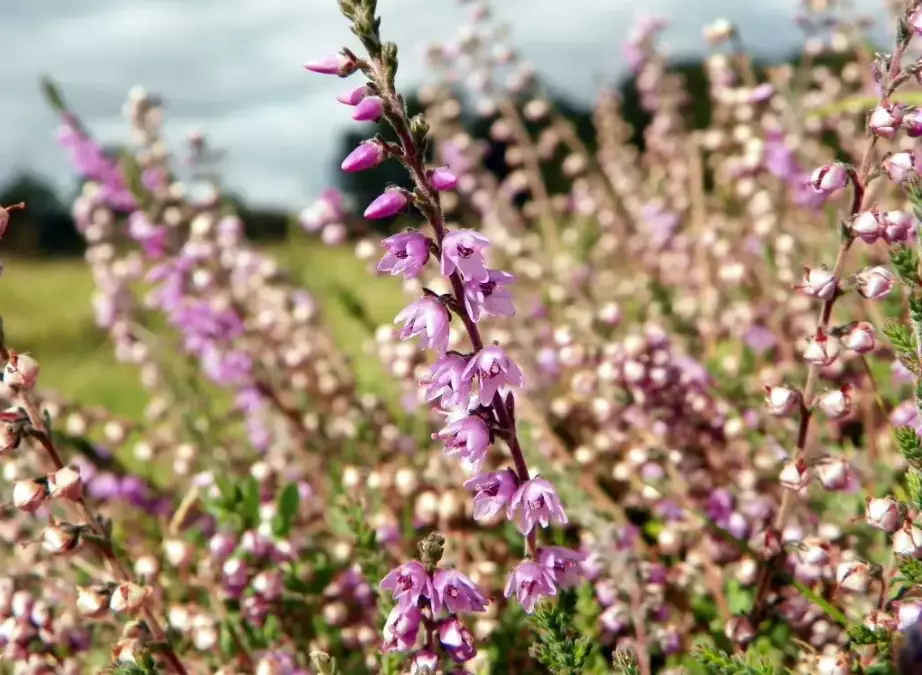
What's Inside This Guide
Heather vs. Heath: The Critical Difference
This is the root of most identification problems. People use the words interchangeably, but botanically, they point to different plants.
True Heather (Calluna vulgaris) is the superstar. It's the one that carpets the Scottish Highlands. Its defining feature? Tiny, scale-like leaves that overlap like roof shingles, hugging the stems tightly. The flowers have colored sepals (the leaf-like parts beneath the petals) that persist long after the tiny petals fall, giving the plant its long-lasting "bloom." It has one species but over 500 cultivars.
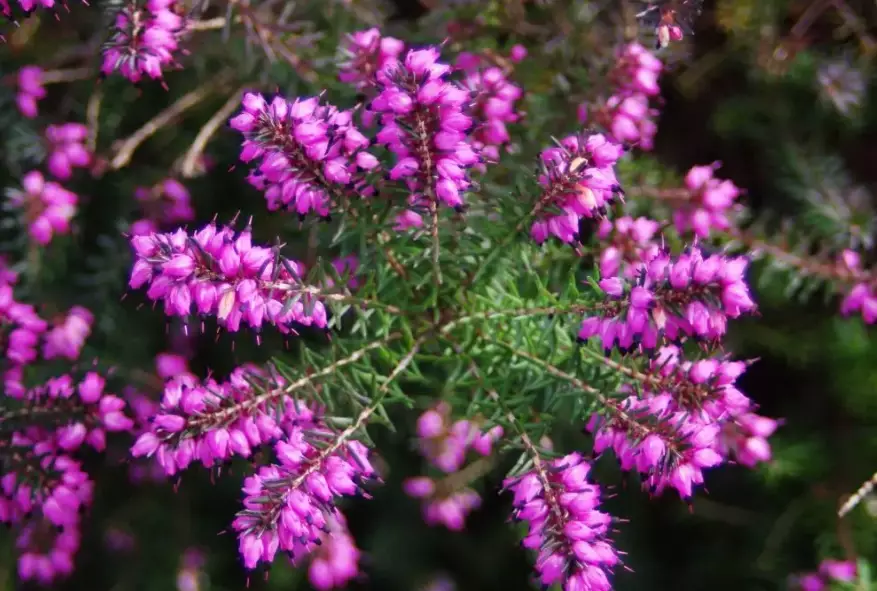
Heath (Erica species) is the broader family. Plants in the Erica genus have needle-like leaves that stick out from the stem, like a miniature conifer. The flowers are usually bell or urn-shaped, and the show is more about the petals themselves. Many are less cold-hardy than Calluna.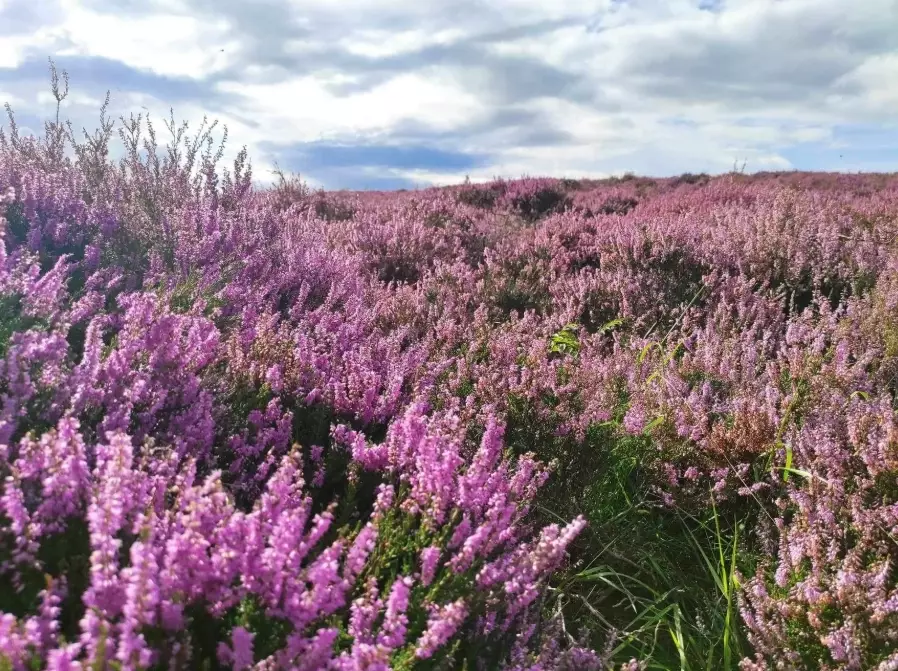
Why does this matter for growing? Their needs diverge slightly. Calluna is the ultimate tough guy, tolerating poorer, more acidic soil and harsher winters. Some Erica species, like the winter-flowering Erica carnea, are more forgiving of neutral soils. Mixing them up means you might be providing the wrong soil pH or winter protection.
Top Heather Species for Your Garden
Forget trying to grow them all. Focus on these workhorses that deliver color, structure, and reliability across the seasons. The table below isn't just a list; it's your shopping list based on what you need the plant to do.
| Common Name & Species | Key Features & Why Grow It | Bloom Time & Color | Hardiness Zone & Soil Notes |
|---|---|---|---|
| Scottish Heather Calluna vulgaris |
The classic. Dense, low-growing, fantastic for ground cover. Foliage can be green, gold, or silver-grey. Look for cultivars like 'Firefly' (orange-red foliage) or 'Silver Knight' (silver-grey). | Late Summer to Fall. Purple, pink, white, red. | Zones 4-7. Must have acidic soil (pH 4.5-5.5). Full sun. |
| Winter Heath Erica carnea (syn. E. herbacea) |
A game-changer. Blooms in the dead of winter when nothing else does. Spreads gently to form a mat. More tolerant of alkaline soils than most. | December to April. Pink, magenta, white. | Zones 5-7. Tolerates neutral to slightly acidic soil (pH 5.5-7.0). Sun to part shade. |
| Cornish Heath Erica vagans |
Taller and more architectural. Forms a mound of green needles, producing long racemes of flowers. Less common, adds great texture. | Midsummer to Early Fall. Usually pink or white. | Zones 6-8. Acidic soil. Good for coastal, windy gardens. |
| Bell Heather Erica cinerea |
Dark green foliage with vivid, dark purple-pink bells. Very drought-tolerant once established. A native component of European heathlands. | Summer. Deep purple, pink, occasionally white. | Zones 5-7. Requires strongly acidic, well-drained soil. |
| Cross-Leaved Heath Erica tetralix |
For wet spots. Loves damp, peaty soil where others would rot. Distinctive grey-green foliage with flowers in clusters at the stem tips. | Summer. Pale pink. | Zones 5-7. Acidic, moist to wet soil. Full sun. |
My personal favorite for year-round interest is a combination: Erica carnea 'Springwood White' for winter flowers, paired with a golden-foliaged Calluna like 'Gold Haze' for summer and fall color. The contrast in texture and color keeps the bed alive even when nothing's in bloom.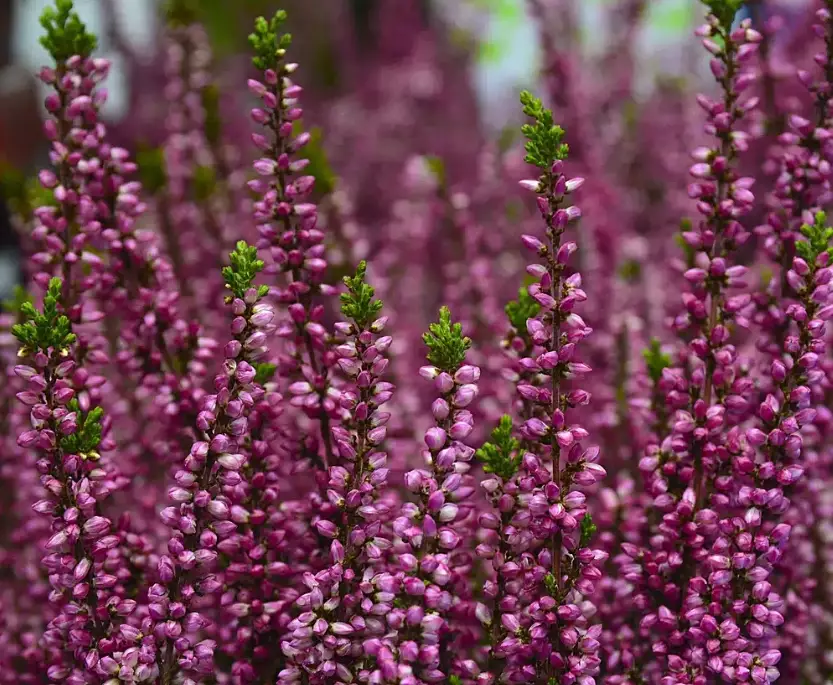
How to Grow Heather Successfully: A Step-by-Step Plan
Heather has a reputation for being finicky. It's not finicky—it's just misunderstood. Follow this sequence, and you'll have a thriving patch.
Step 1: The Non-Negotiable Soil Test
Don't guess. Buy a simple pH test kit. For most heathers (except some Erica carnea), you need a pH between 4.5 and 5.5. If your soil is neutral or alkaline, planting directly into the ground is a waste of money. Your options are: build a raised bed filled with ericaceous compost, or grow them in containers. I've seen more heathers killed by "hoping the soil is acidic enough" than by any pest.
Step 2: Planting for the Long Haul
Heathers are long-lived perennials. Plant them in groups of at least 5-7 of the same cultivar for visual impact. Space them about 14-20 inches apart, depending on spread. Dig a hole twice as wide as the root ball but no deeper. Tease out the roots if they're pot-bound—they often are. Mix the native soil with a large amount of ericaceous compost (like 50/50). Plant, water in with rainwater if possible (tap water can be alkaline), and mulch with a thick layer of pine bark or wood chips. This mulch is critical: it keeps roots cool, retains moisture, and slowly acidifies the soil as it breaks down.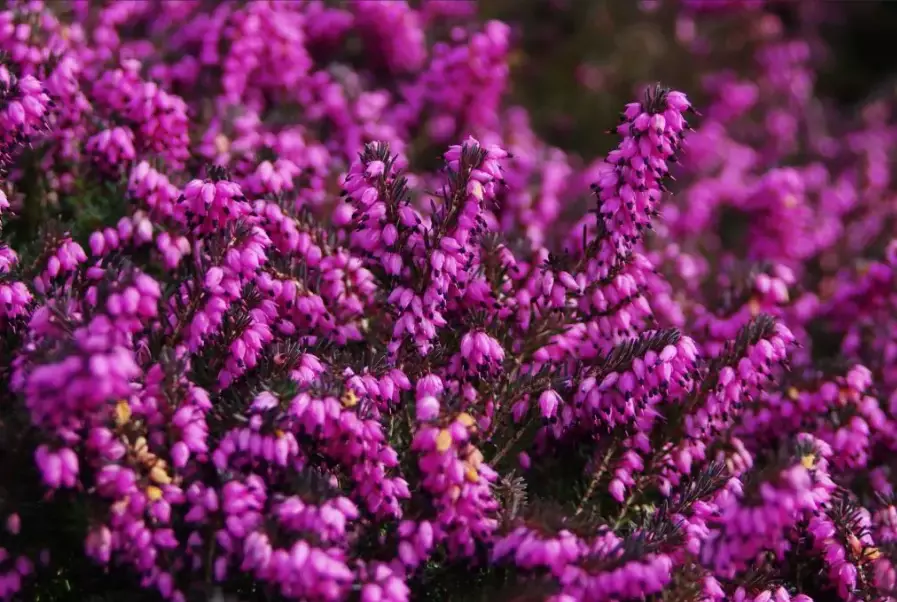
Step 3: Watering and Feeding
Keep consistently moist for the first year. After that, they're surprisingly drought-tolerant. The key is deep, infrequent watering to encourage deep roots. Feed only with a fertilizer formulated for acid-loving plants (like an azalea/camellia feed) in early spring. More food is not better—it leads to leggy, weak growth.
Step 4: Pruning: The Make-or-Break Task
This is where most people get timid. Heather needs an annual haircut to prevent it from becoming woody, open, and ugly in the center.
- For Calluna (Summer Bloomers): Prune in early spring, just as new growth starts. Cut back the flowered stems to just below the old flowers. Never cut back into the old, bare wood. You should always see some green leaves on the stem you're leaving behind.
- For Winter-Flowering Erica (like E. carnea): Prune right after flowering finishes in late spring. Same rule: cut back flowered stems, avoid old wood.
3 Common Mistakes That Kill Heather (And How to Avoid Them)
After helping dozens of gardeners revive their heather beds, these three issues come up every single time.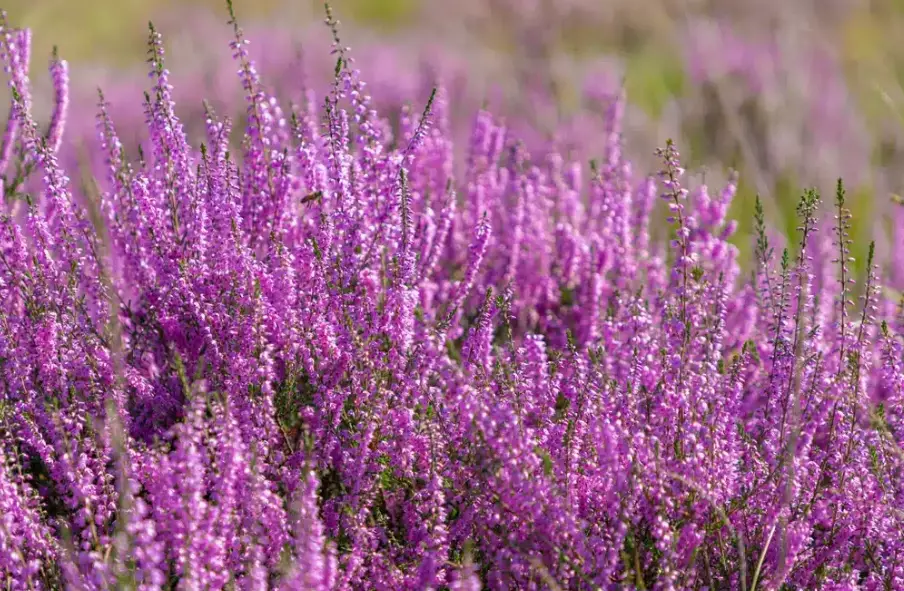
1. Ignoring Soil pH. This is the #1 killer. Heather in alkaline soil exhibits chlorosis (yellowing leaves with green veins) and slowly starves because it can't uptake iron. Solution: Test first. Amend or plant in raised beds/containers.
2. Planting in Rich, Moist Clay. Heather roots need oxygen. Heavy, waterlogged clay suffocates them, leading to root rot. Even if the pH is right, you must improve drainage. Add generous amounts of grit and ericaceous compost to break up the clay.
3. Letting It Get Woody and Leggy. It's a gradual decline. People skip pruning for a few years, the plant stretches out, the base becomes bare, and then they try to "rejuvenate" it by hacking it back to the ground. It won't resprout. The solution is consistent, light annual pruning from year one to maintain a compact, bushy form.
I made mistake #3 with my first heather bed. I was afraid to cut it, thinking I'd ruin the flowers. After three years, I had these sad, sprawling plants with a two-inch green tip on top of eight inches of bare stick. I had to replace them all. Now, the annual prune is a non-negotiable ritual.
Your Heather Questions Answered
 How do I propagate my heather to get more plants?
Heather species offer more than just a purple haze. They're a lesson in gardening precision—get the fundamentals of acid soil, sharp drainage, and disciplined pruning right, and you're rewarded with a tough, beautiful, and ever-changing tapestry that holds the garden together through every season. Start with the right species for your goal, prepare the site properly, and don't be afraid of the shears. That's the secret most guides don't emphasize enough.
Reader Comments