What You'll Find in This Guide
- What is Sedum and Why It's a Garden Game-Changer
- How to Plant Sedum: A Foolproof Step-by-Step Process
- Sedum Care Essentials: Watering, Feeding, and Maintenance
- Top Sedum Varieties for Different Garden Needs
- Common Sedum Problems and How to Fix Them
- FAQ: Your Sedum Questions Answered by an Experienced Gardener
I've been growing sedum for over a decade, and let me tell you, it's not as straightforward as some blogs make it seem. Most people think sedum is indestructible, but I've seen plenty of plants fail because of subtle mistakes. This guide cuts through the noise and gives you the real deal on sedum care, based on my own trials and errors in various climates.
Sedum, often called stonecrop, is a succulent that's popular for its drought tolerance and low maintenance. But here's the thing: if you treat all sedum the same, you'll end up with leggy growth or root rot. I learned this the hard way when I planted a sedum spurium in heavy clay soil—it drowned within weeks. So, let's dive into the specifics.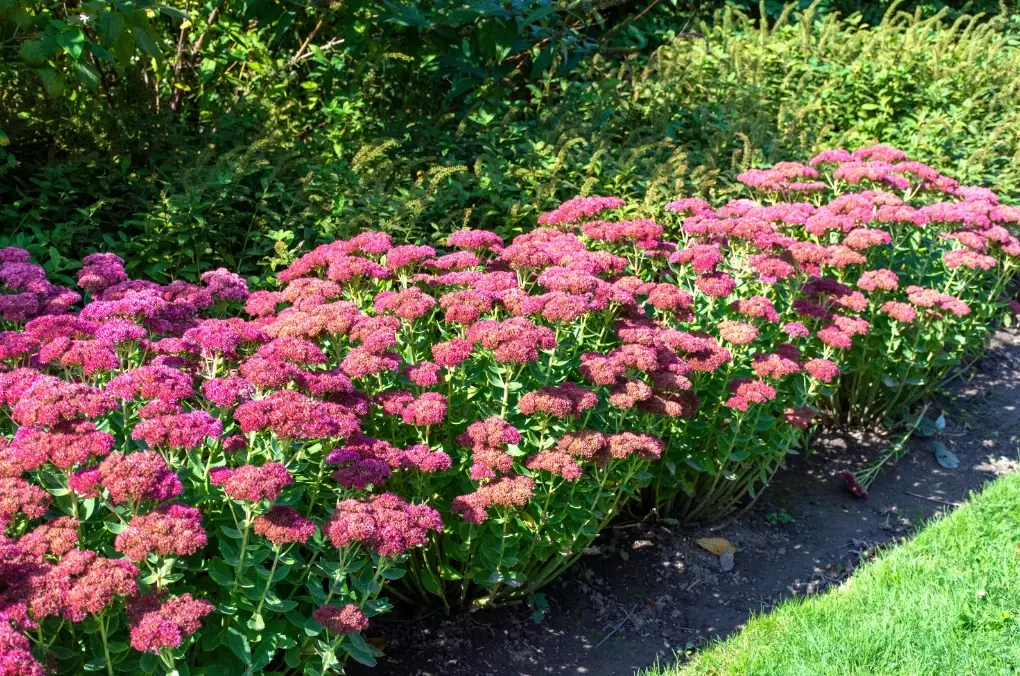
What is Sedum and Why It's a Garden Game-Changer
Sedum belongs to the Crassulaceae family, with hundreds of species ranging from ground covers to upright perennials. They're succulents, meaning they store water in their leaves, which makes them perfect for dry gardens. But what most guides don't mention is that sedum isn't just one plant; it's a diverse group with different needs.
Why grow sedum? For starters, it's incredibly resilient. I've seen sedum survive neglect in rocky areas where other plants wither. It attracts pollinators like bees and butterflies, and some varieties, like Sedum spectabile, bloom in late summer when other flowers fade. However, the biggest benefit is its versatility. You can use it for green roofs, rock gardens, or as a living mulch to suppress weeds.
I remember visiting a botanical garden that used sedum as a ground cover on slopes to prevent erosion. It worked beautifully, but the curator pointed out that they had to choose the right species—Sedum album for sunny spots and Sedum spurium for partial shade. This nuance is often overlooked.
How to Plant Sedum: A Foolproof Step-by-Step Process
Planting sedum seems simple, but get it wrong, and you'll struggle later. Here's my method, refined after killing a few plants early on.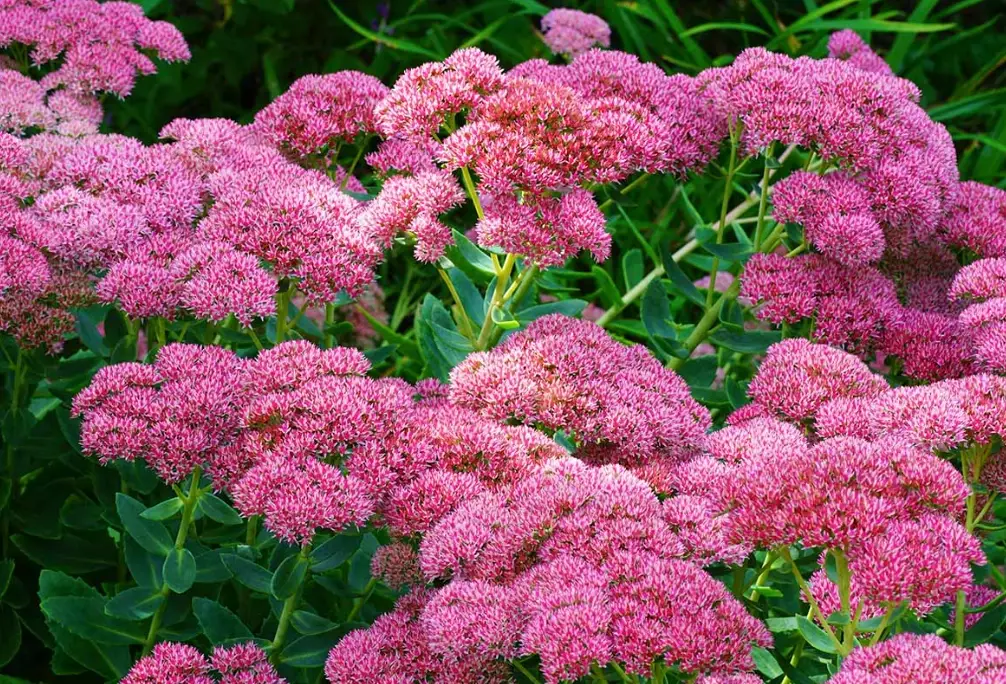
Choosing the Right Location
Most sedum loves full sun—at least 6 hours a day. But some, like Sedum ternatum, prefer shade. I made the mistake of planting a sun-loving variety under a tree; it stretched out and lost its color. For best results, match the species to your light conditions. If you're unsure, go for a sunny spot with well-draining soil.
Soil Preparation Tips
This is where many gardeners mess up. Sedum hates wet feet. The soil must drain quickly. I mix garden soil with coarse sand or perlite—about a 50-50 ratio. For containers, use a cactus mix. Avoid rich, organic soils; they hold too much moisture and can cause root rot. A pH between 6.0 and 7.5 is ideal, but sedum is forgiving.
When I prepared my first sedum bed, I added compost thinking it would help. Big mistake. The plants grew too fast and became floppy. Now, I skip the compost and rely on minimal amendments.
Planting Techniques
Plant in spring or early fall. Dig a hole twice as wide as the root ball but no deeper. Gently loosen the roots, place the plant, and backfill with your soil mix. Water lightly to settle the soil. Space plants based on variety: ground covers like Sedum acre need 6-12 inches apart, while upright types like Sedum 'Autumn Joy' require 18-24 inches.
For propagation, you can easily grow sedum from cuttings. Just snip a stem, let it callous for a day, and stick it in soil. I've shared cuttings with neighbors, and they root within weeks.
Sedum Care Essentials: Watering, Feeding, and Maintenance
Care is where sedum shines for being low-maintenance, but that doesn't mean no maintenance. Here's what you need to know.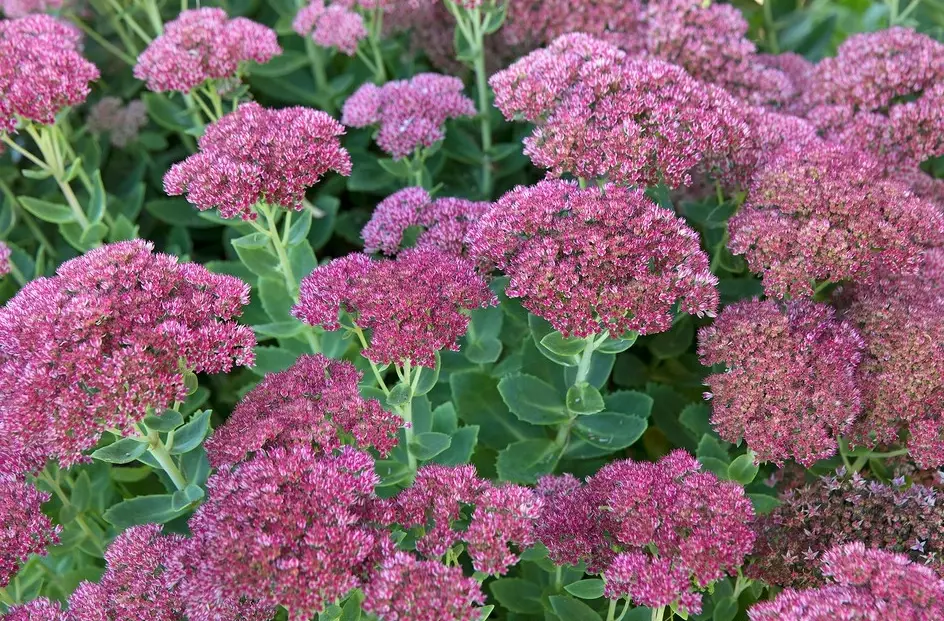
Watering Schedule for Sedum
Overwatering is the number one killer of sedum. I water newly planted sedum once a week for the first month, then taper off. Established plants rarely need watering unless there's a drought. In my garden, I only water during extended dry spells—maybe once every two weeks. Check the soil: if it's dry an inch down, it's time to water. But err on the side of underwatering.
A common myth is that sedum needs frequent watering because it's a succulent. Not true. Their leaves store water, so they can handle dry periods. I've seen sedum thrive on rainfall alone in temperate climates.
Fertilizing and Feeding
Sedum doesn't need much fertilizer. In fact, too much can cause weak growth. I apply a balanced, slow-release fertilizer in early spring, but only if the soil is poor. For most gardens, skipping fertilizer works fine. If you must feed, use a diluted solution—half strength is plenty.
I once experimented with fertilizing a sedum patch monthly. The plants grew lush but flopped over and attracted pests. Lesson learned: less is more.
Pruning and Maintenance
Pruning keeps sedum tidy and encourages blooming. For upright varieties, pinch back stems in early summer to prevent them from getting too tall. After flowering, you can cut back the spent blooms to promote new growth. Ground covers may need occasional trimming to control spread.
In winter, I leave the dead stems on upright sedum—they provide interest and protect the crown from cold. Come spring, I cut them back to the ground.
Top Sedum Varieties for Different Garden Needs
Not all sedum is created equal. Here are my top picks based on years of growing them. I've included a table for quick reference, but the real insights come from my personal experiences with each.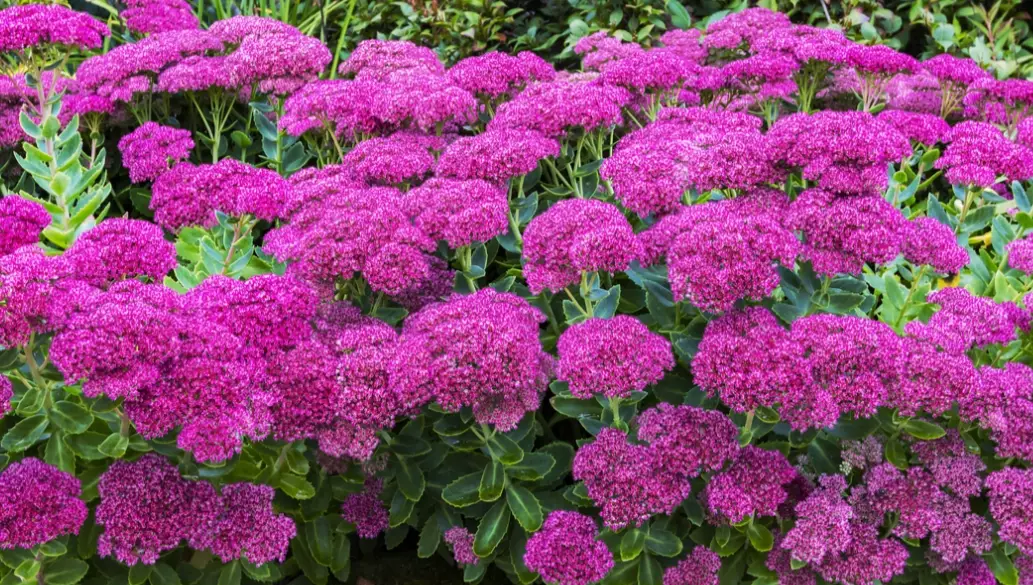
| Variety | Type | Best For | Key Features |
|---|---|---|---|
| Sedum 'Autumn Joy' | Upright | Border plants, cut flowers | Pink blooms in fall, attracts butterflies |
| Sedum spurium 'Dragon's Blood' | Ground cover | Slopes, rock gardens | Red foliage, spreads quickly |
| Sedum album | Ground cover | Green roofs, dry areas | White flowers, drought-tolerant |
| Sedum rupestre 'Angelina' | Spreading | Containers, edging | Yellow-green foliage, year-round color |
| Sedum spectabile | Upright | Pollinator gardens | Large pink blooms, late summer interest |
I love 'Autumn Joy' for its reliability, but 'Dragon's Blood' stole my heart when it covered a barren slope in my yard. It required zero care after establishment. However, be warned: some ground covers can become invasive if not contained. I've had to pull out Sedum acre from areas where it overstepped.
For containers, 'Angelina' is a winner. Its vibrant color contrasts well with other succulents. But in hot climates, it may need afternoon shade to prevent scorching.
Common Sedum Problems and How to Fix Them
Even tough plants have issues. Here are the most common problems I've encountered and how to solve them.
Root Rot: Caused by overwatering or poor drainage. If leaves turn mushy and black, cut back on watering and improve soil drainage. In severe cases, dig up the plant, trim rotten roots, and replant in dry soil.
Leggy Growth: Happens when sedum doesn't get enough sun. The stems stretch out, and the plant looks sparse. Move it to a sunnier spot or prune back to encourage bushier growth. I've seen this in shaded gardens—sometimes, it's better to switch to a shade-tolerant variety.
Pests: Aphids and mealybugs can attack sedum, especially in humid conditions. I use a blast of water or insecticidal soap. Avoid chemical pesticides; they can harm beneficial insects. One year, aphids invaded my Sedum spectabile, but ladybugs took care of them naturally.
Winter Damage: In cold regions, sedum may suffer from frost heave. Mulch around the base with gravel or straw to protect the roots. I lost a few plants to a harsh winter before I started mulching.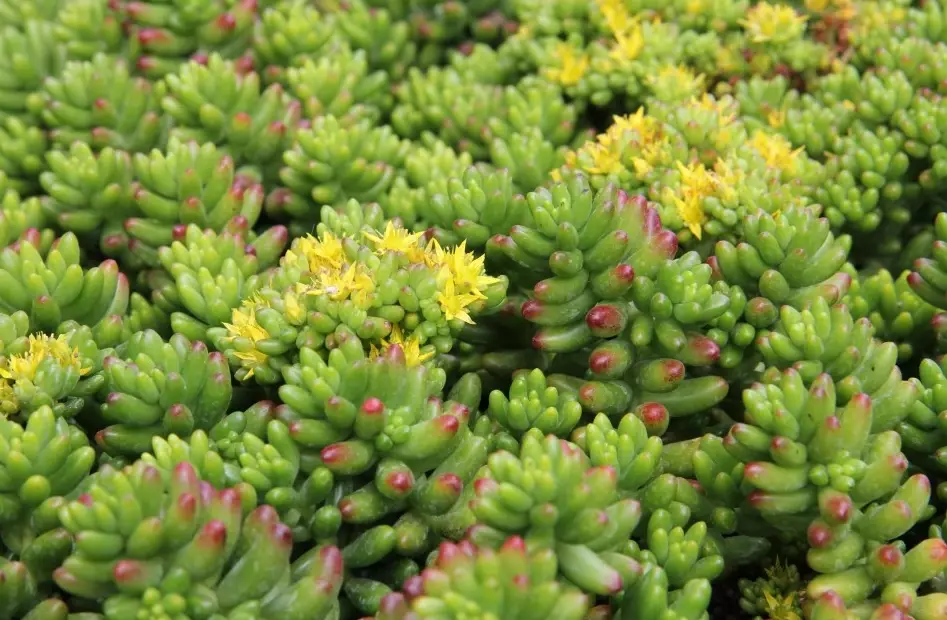
Pro tip: Sedum is deer-resistant, but rabbits might nibble on young shoots. I use a physical barrier like chicken wire until plants establish. It's a small step that saves a lot of frustration.
FAQ: Your Sedum Questions Answered by an Experienced Gardener
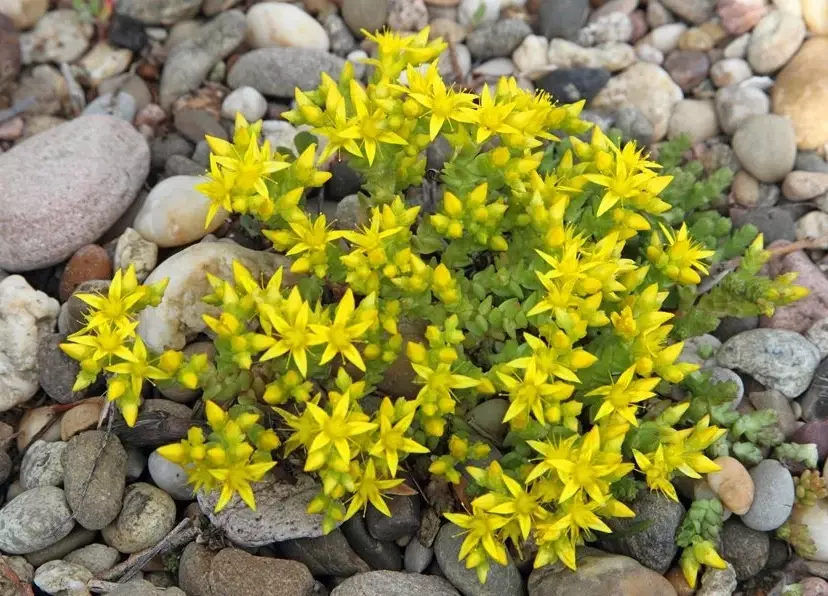 How do I propagate sedum without buying new plants?
Growing sedum has taught me patience and observation. It's not a set-it-and-forget-it plant, but with the right approach, it rewards you with year-round beauty. Start with a hardy variety, pay attention to soil and water, and don't be afraid to experiment. Your garden will thank you.
Reader Comments