Let's talk about heather. You've probably seen those swathes of purple, pink, and white blanketing hillsides or brightening up winter gardens and thought, "I want that." But then you brought one home, planted it, and watched it turn brown and crispy within a season. I've been there. I killed my first three heather plants before I figured out what they really needed, which had very little to do with what the generic plant tag said. The truth is, heather (Calluna vulgaris) and its close cousin heath (Erica spp.) are incredibly rewarding, evergreen staples for year-round interest, but they demand one non-negotiable condition above all else. Get that wrong, and nothing else matters. This guide cuts through the fluff and gives you the actionable, often-overlooked details that turn heather failure into a flourishing, low-care garden feature.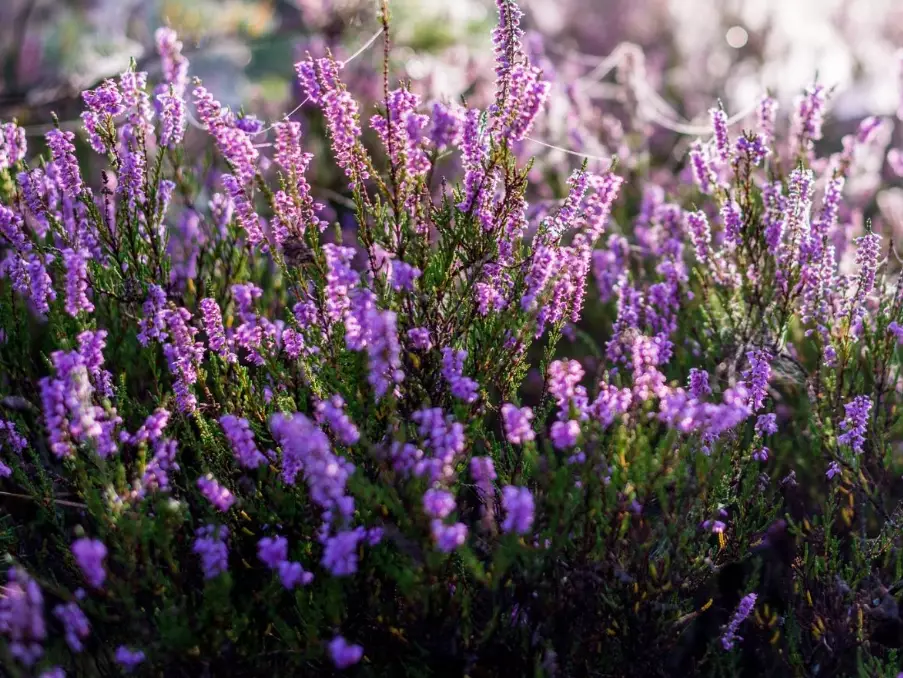
What You'll Learn in This Heather Guide
What Exactly is a Heather Plant?
First, a quick clarification because it causes endless confusion. "Heather" commonly refers to two genera: Calluna (true heather, one species, Calluna vulgaris) and Erica (heath, hundreds of species). The difference isn't just academic—it dictates when they bloom and their hardiness.
Calluna heather blooms from mid-summer to late autumn. Its flowers are often more showy and scale-like foliage comes in stunning gold, orange, and grey-green shades. Erica heaths typically bloom from late autumn through to spring, providing crucial winter color. Most garden centers lump them together, but checking the label is your first step to ensuring you have something in bloom year-round.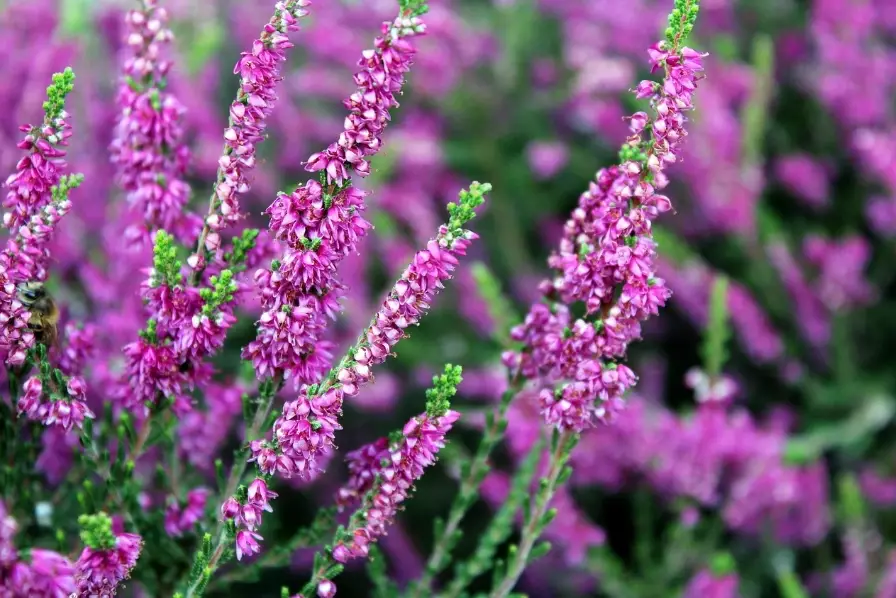
How to Plant Heather for Success
This is where most people fail. You dig a hole, plop the plant in, water it, and hope. With heather, that's a death sentence. The single most critical factor is soil acidity.
The Non-Negotiable: Acidic Soil
Heathers are acid-loving plants, thriving in a pH between 4.5 and 5.5. If your soil is neutral or alkaline, the plant cannot access iron, leading to chlorosis (yellowing leaves with green veins) and eventual death. Don't guess—test your soil. A cheap home testing kit works.
If your soil isn't acidic enough, you must amend it. Forget adding a handful of peat moss to the planting hole. That creates a "bathtub effect" where water settles and roots rot. Instead, you need to amend a much larger area.
A Step-by-Step Planting Plan
- Location: Full sun. At least 6 hours. Less sun equals leggy growth and few flowers.
- Soil Prep: For each plant, amend a area about 2 feet wide and 1 foot deep. Mix in a 50/50 blend of ericaceous compost and coarse horticultural grit or perlite. The grit is crucial for drainage—heather hates wet feet.
- Spacing: Place plants 12-24 inches apart, depending on variety. They need air circulation to prevent fungal diseases.
- Planting Depth: Keep the root ball level with the soil surface. Planting too deep encourages stem rot.
- Watering In: Use rainwater if possible, as tap water can be alkaline in many areas. Soak the area thoroughly.
- Mulch: Apply a 2-inch layer of pine needles or chopped bark (not hardwood mulch). This conserves moisture, keeps roots cool, and slowly acidifies the soil as it breaks down.
The Simple Routine for Ongoing Heather Care
Once established, heather is remarkably low-maintenance. The routine revolves around two things: water and food.
Watering: The first year is critical. Water deeply once a week if there's no rain, allowing the soil to dry slightly between waterings. The goal is to encourage deep roots. After establishment, they are quite drought-tolerant. The sign of under-watering is wilted, dry foliage. The sign of over-watering is... death. Root rot is a silent killer.
Feeding: Do not use general-purpose fertilizer. In spring, as new growth appears, apply a fertilizer formulated for acid-loving plants (like those for azaleas and rhododendrons). A light sprinkling is enough. Over-fertilizing leads to soft, weak growth that's prone to disease and winter damage.
The Right Way to Prune Heather (It's Not What You Think)
Pruning is essential to prevent heather from becoming woody, leggy, and sparse at the base. The golden rule: Never cut back into old, bare wood. It will not regenerate.
The timing depends on the type:
| Plant Type | When to Prune | How to Prune |
|---|---|---|
| Summer-flowering Calluna | Late winter/early spring (before new growth) | Cut back just below the old flower spikes, into the green foliage. |
| Winter/Spring-flowering Erica | Right after flowering finishes (usually late spring) | Same method—remove faded flowers, cutting back into the green leafy growth. |
Use sharp shears and give the plant a gentle "haircut." This encourages bushy, compact growth and maximizes next year's blooms.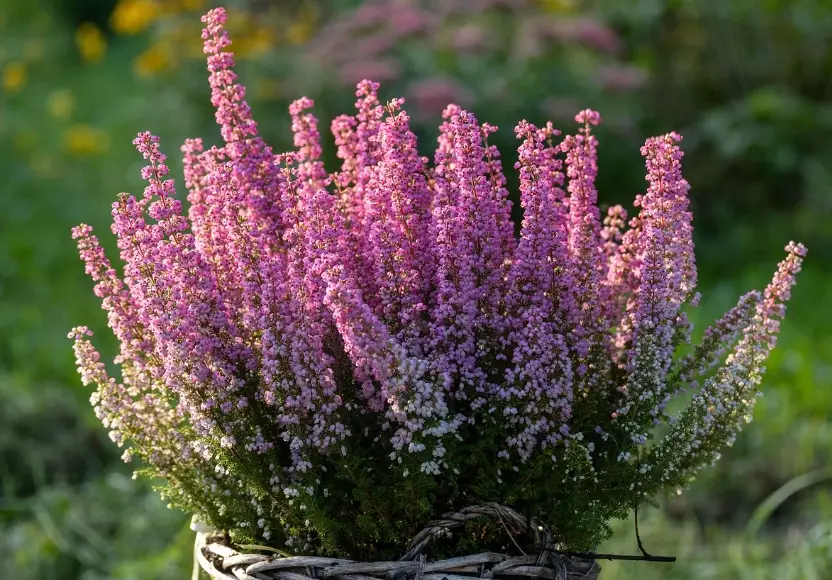
Solving Common Heather Problems
Heathers are generally pest-free, but a few issues can pop up.
Gray Mold (Botrytis): Appears as a gray, fuzzy mold on flowers and stems in cool, damp weather. Improve air circulation by not overcrowding plants and pruning annually. Remove and destroy affected parts.
Root and Stem Rot: Caused by waterlogged soil. Ensure your planting site and soil mix are exceptionally well-drained. There's no cure; prevention is everything.
Picking the Perfect Heather Varieties
Choosing the right plant for your goal is half the battle. Here's a breakdown by purpose.
For Knockout Winter Color: Go for Erica carnea (Winter Heath) or Erica x darleyensis. They're tough, tolerate slightly less acidic soil than others, and bloom through snow. Look for 'Springwood White', 'Kramer's Rote' (deep pink), or 'Darley Dale' (pale pink).
For Summer Fireworks: Calluna vulgaris is your star. The variety 'Firefly' has foliage that turns fiery orange in winter. 'Silver Knight' has gorgeous grey-silver foliage. 'Dark Beauty' has double, deep red flowers.
For Ground Cover: Low-growing, spreading varieties like Erica cinerea 'Pink Ice' or Calluna vulgaris 'County Wicklow' form dense mats that suppress weeds beautifully.
I'm not a fan of the varieties bred for "bud-blooming"—where the flowers never fully open—as they look odd to me and don't benefit pollinators. Stick with the open-flowered types; the bees will thank you.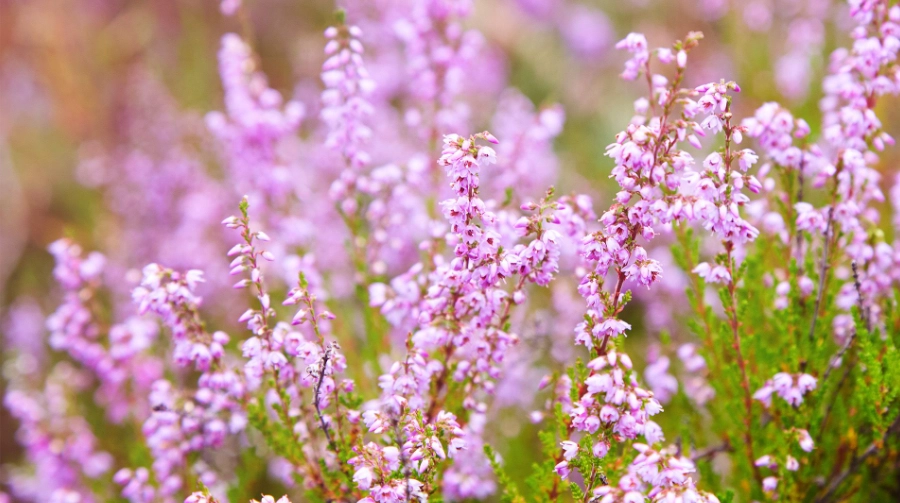
Your Heather Questions Answered
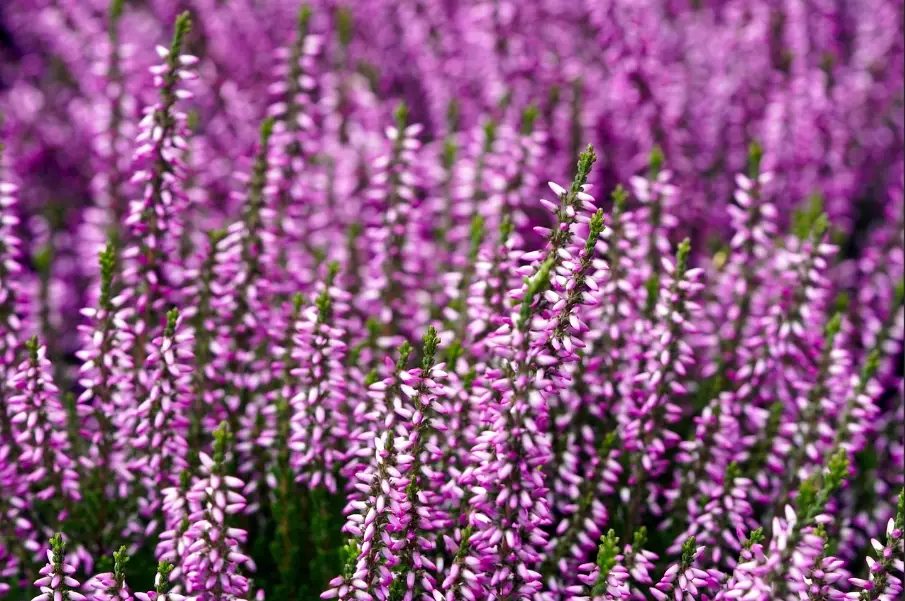 What should I plant with heather for a great-looking bed?
Reader Comments