Let's be honest. You probably bought your first hens and chicks plant because it looked like a weird, geometric alien flower and the tag said "impossible to kill." I did the same thing. Then I promptly killed it with kindness (read: overwatering). That was years ago. Since then, I've grown hundreds of these succulents, killed my fair share learning the limits, and discovered why Sempervivum tectorum is truly one of the most rewarding plants for any gardener, from beginner to expert. Forget the basic care sheet. We're going deep on what makes these plants tick, the mistakes almost everyone makes, and how to create stunning displays that multiply before your eyes.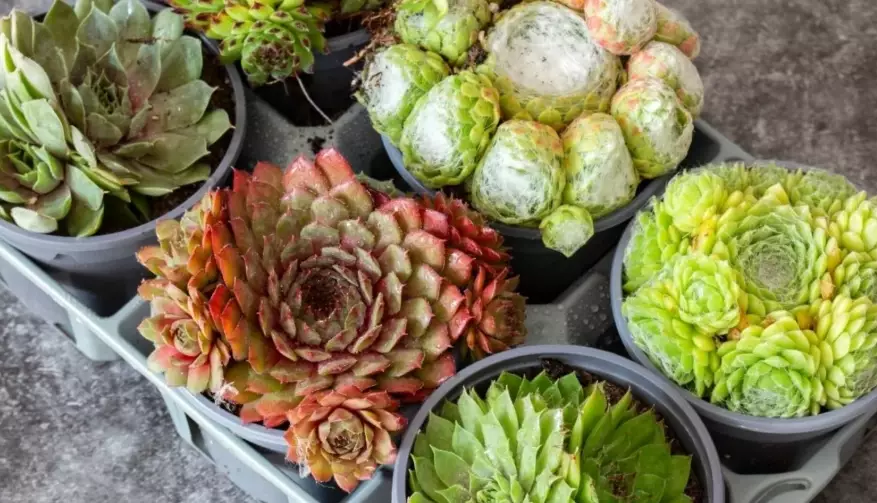
What You'll Learn in This Guide
What Exactly Are Hens and Chicks Plants?
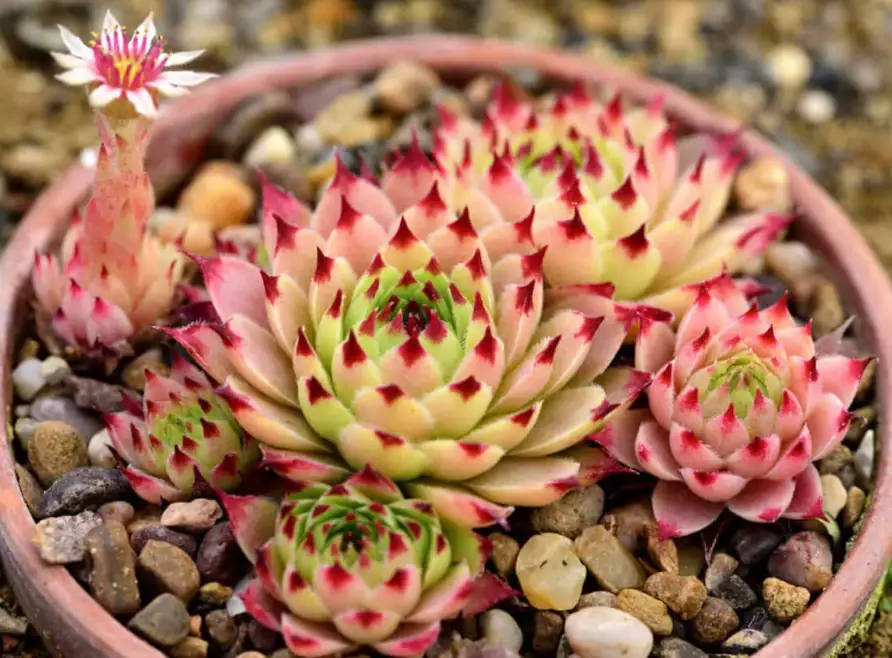
Hens and chicks are common names for plants in the Sempervivum genus. The "hen" is the main, central rosette. The "chicks" are the smaller offsets it produces on short stems called stolons. They're monocarpic, meaning the hen flowers once, spectacularly, and then dies. But don't panic—by the time it flowers, it's usually surrounded by a colony of chicks ready to take over. They're cold-hardy succulents, surviving winters down to USDA zone 4 (-30°F/-34°C), which makes them fantastic for outdoor gardens in places where other succulents would turn to mush.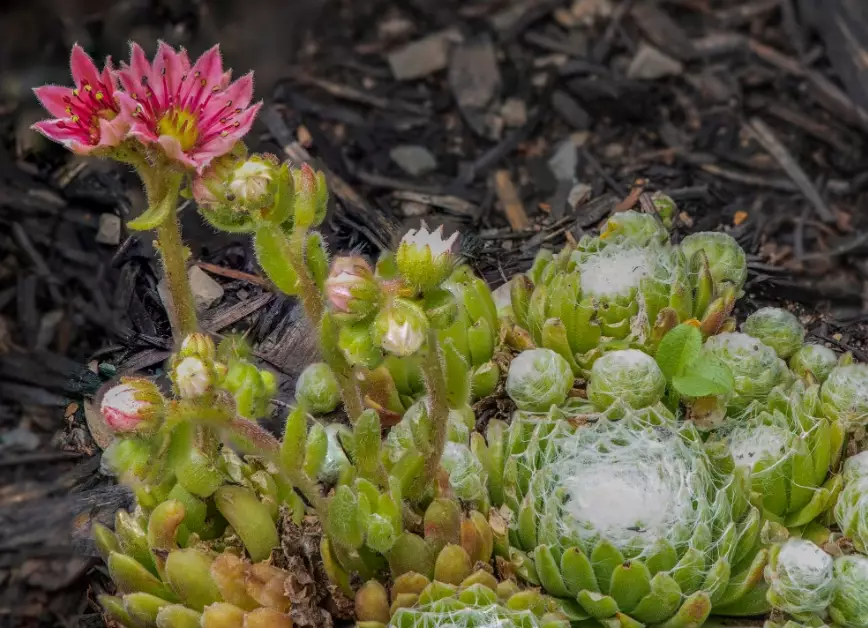
Pro Tip: Many people confuse Sempervivum (hens and chicks) with Echeveria. The biggest giveaway is cold hardiness. If a "hens and chicks" plant can't survive a frost, it's probably an Echeveria. True Sempervivum relish the cold.
How to Choose the Perfect Planting Location
This is where most generic advice fails. They just say "full sun." But what does that mean in Arizona vs. Washington? The golden rule is at least 6 hours of direct sunlight. Without it, they stretch out, lose their tight rosette form, and fade in color. In hot, desert climates (zones 9+), afternoon shade can prevent scorching. In cooler, cloudier climates, give them the sunniest spot you have—a south-facing wall is ideal.
Drainage is non-negotiable. I've seen more hens and chicks die from wet feet than drought. They're mountain plants, evolved for rocky, sloping ground. If planting in the ground, avoid low spots where water pools. For containers, ensure there are large drainage holes. A shallow, wide pot (like a bowl or trough) often works better than a deep one, as it mimics their natural, sprawling habit and prevents soil at the bottom from staying soggy.
The #1 Watering Mistake and How to Avoid It
Overwatering. It's the killer. These plants store water in their leaves. When you water too often, the roots rot, and the plant turns to a mushy, translucent blob from the center out. It's a sad sight.
Here’s a simple, foolproof method: The Finger Test. Stick your finger into the soil up to the first knuckle. If it feels dry, water thoroughly until it runs out the bottom. Then, walk away. Don't water again until the soil is completely dry. In spring and fall, this might be every 7-10 days. In the peak of summer heat, maybe once a week. In winter, they might not need any water at all, especially if they're in the ground and receive rain/snow.
Signs of thirst: The lower, outer leaves may look slightly wrinkled or feel less plump. The plant overall looks a bit deflated. It's better to let them get to this point occasionally than to keep the soil constantly moist.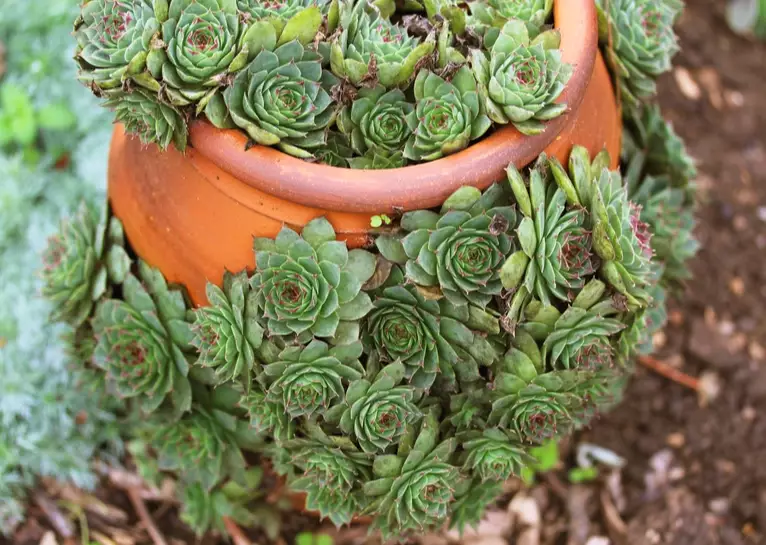
Soil and Fertilizer: Less is More
Hens and chicks thrive on neglect when it comes to food. They are adapted to nutrient-poor soils. A rich, organic mix will make them grow too fast and too soft, weakening their structure and cold hardiness.
Ideal Soil Mix: Start with a commercial cactus & succulent potting mix. To really nail it, amend it with 25-50% coarse sand, perlite, or pumice. This creates the sharp drainage they crave. For in-ground planting, amend heavy clay soil with a huge amount of gravel or sand.
Fertilizer: Honestly, you can skip it. If you must, a single, light application of a balanced, water-soluble fertilizer (diluted to half-strength) in early spring is plenty. More than that, and you're just feeding the weeds around them.
Step-by-Step Propagation: Making Free Plants
This is the fun part. Your hen will naturally produce chicks. To propagate and spread them around:
- Wait for Connection: Let the chick grow to at least one-third the size of the mother plant. It will be connected by a stem.
- Gentle Separation: Using clean fingers or tweezers, gently wiggle and twist the chick. It should snap off cleanly, often bringing a few tiny roots with it. If it resists, use a sterile knife to cut the stolon.
- The Callus Step (Crucial!): This is the step most people miss. Place the detached chick in a dry, shaded spot for 1-3 days. This lets the wound callus over, preventing rot when you plant it.
- Planting: Place the callused chick on top of well-draining soil. Don't bury it deep. You can barely nestle the base into the soil or use a small stone to prop it up. Mist the soil lightly every few days until you see new root growth (a gentle tug will meet resistance). Then, treat it as a mature plant.
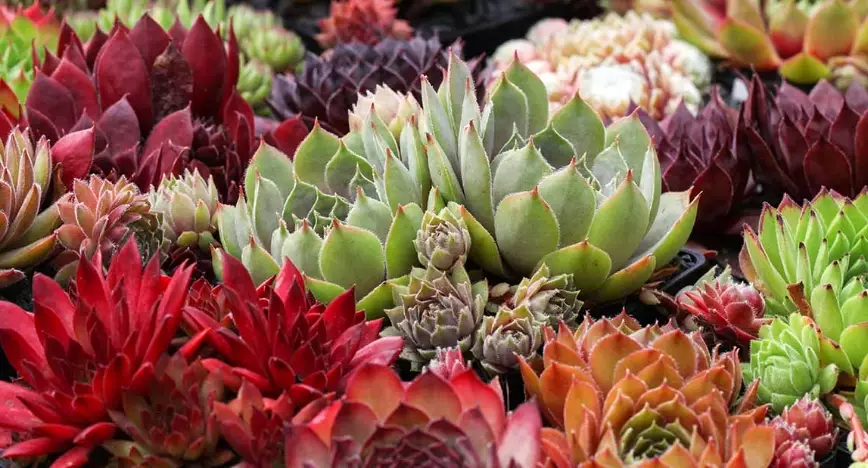
5 Top Hens and Chicks Varieties to Try
Not all sempervivum are created equal. Some are common, some are stunning collector's items. Here are five reliable and visually striking varieties.
| Variety Name | Key Features | Best For |
|---|---|---|
| Sempervivum 'Pacific Blue Ice' | Powdery blue leaves with deep red tips. Holds color well in sun. | Adding cool-toned contrast to rock gardens. |
| Sempervivum arachnoideum (Cobweb Houseleek) | Covered in fine, white hairs that look like cobwebs. Classic and fascinating. | Conversation starters and fairy gardens. |
| Sempervivum 'Black' | Deep burgundy to nearly black rosettes. Dramatic and bold. | Creating high-contrast container arrangements. |
| Sempervivum 'Oddity' | Quirky, tubular leaves that roll back at the tips. Looks more like coral than a plant. | Gardeners who love the unusual. |
| Sempervivum tectorum (Common Houseleek) | The classic. Green with red tips. Super vigorous and hardy. | Beginners, ground cover, and filling large areas quickly. |
Troubleshooting Your Plants (FAQ)
 Can hens and chicks grow indoors successfully?
Reader Comments