Quick Navigation
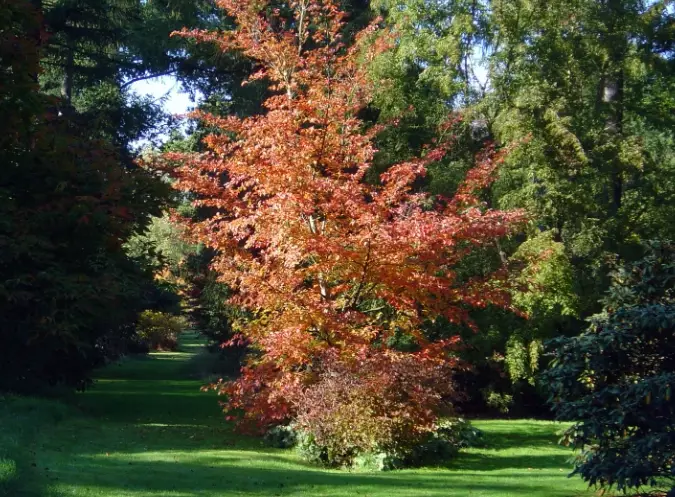
Let's be honest. When you think of planting a tree, a stewartia probably isn't the first thing that pops into your head. Maples, oaks, maybe a flowering cherry. But there's this whole group of under-the-radar trees that serious gardeners whisper about, and stewartia is right at the top of that list. I remember the first time I saw one in full autumn color – it stopped me in my tracks. It wasn't just red or yellow; it was this fiery, complex tapestry of crimson, orange, and purple, all on the same tree. And that was before I even noticed the bark.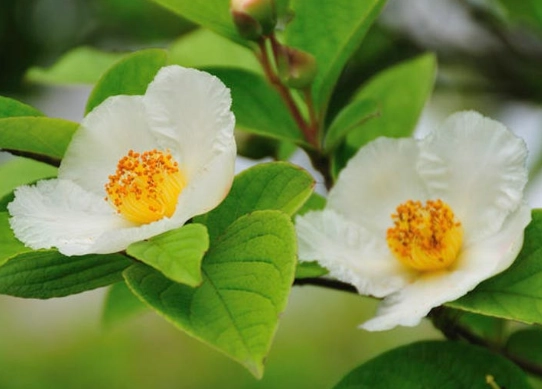
The bark. Oh, the bark.
If you're the kind of person who wants a garden with interest in all four seasons, you need to keep reading. A stewartia isn't a flash-in-the-pan tree that blooms for a week and then disappears into green anonymity. It's a slow-burn performer, revealing new layers of beauty as the year turns. But they have a reputation for being fussy. Are they? Well, yes and no. It's more that they have specific preferences, and if you ignore them, they'll let you know. This guide is here to cut through the confusion and give you the straight talk on growing a healthy, stunning stewartia.
So, Why Choose a Stewartia Anyway?
You don't plant a stewartia because you need quick shade (they grow slowly) or because you want the cheapest tree at the nursery (they often aren't). You plant it because you want a living sculpture. A tree that makes people ask, "What is that?"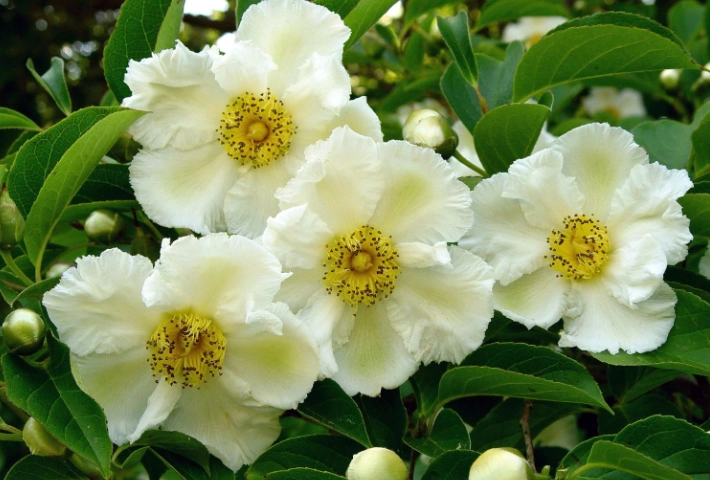
Four Seasons of Show-Stopping Features
This is the big sell. Let's break down what you get, season by season.
- Late Spring to Summer: Delicate, camellia-like white flowers appear. They're not huge and blousy, but elegant and pristine, often with a central boss of golden-orange stamens. The bloom time for a stewartia is usually in early to mid-summer, which is fantastic because it fills that gap after the spring bloomers are done. The foliage is a clean, crisp green, making a lovely backdrop.
- Autumn: This is arguably their finest hour. The fall color on a stewartia is exceptional. We're talking rich, vibrant hues of red, orange, burgundy, and purple, often all mingling on the same leaf. It's a more sophisticated show than a standard maple.
- Winter: When the leaves drop, the real magic begins. The bark exfoliates in patches, revealing a stunning mosaic of colors beneath. Think creamy tans, cinnamon browns, and soft grays. It looks like camouflage. On a sunny winter day, with a low sun hitting it, a stewartia trunk can be the most beautiful thing in your garden.
- Structure: Even the branching habit is attractive – often pyramidal when young, becoming more open and picturesque with age.
The Not-So-Secret Challenge: They're Not Indestructible
Okay, time for some real talk. Stewartias have a few quirks. They absolutely despise poorly drained, heavy clay soil that stays wet. Their roots will rot. They also don't love being blasted by hot, dry winds or planted in a full-sun, reflected-heat parking lot situation. They prefer a bit of shelter, part shade (especially in hotter climates), and most importantly, consistent moisture in well-drained, acidic soil that's rich in organic matter. Sound like a lot? It's really just mimicking the forest floor conditions they evolved in. If you can grow a rhododendron or an azalea well, you can probably grow a stewartia.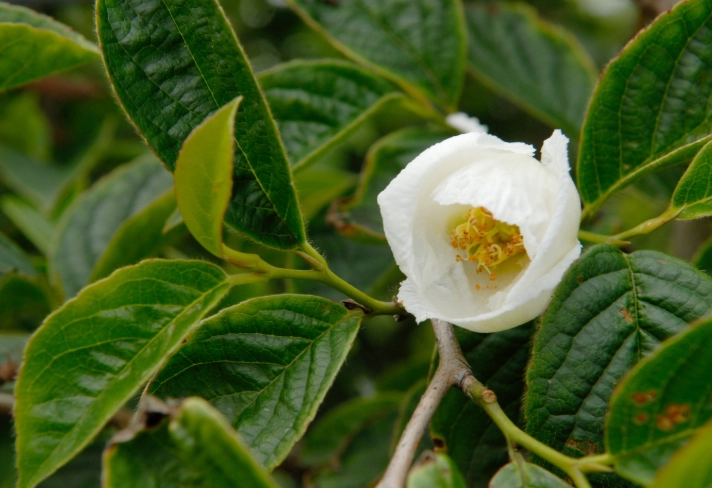
Picking the Right Stewartia for Your Space
"Stewartia" isn't just one tree. It's a genus with several species, and they vary in size, hardiness, and even bark characteristics. Choosing the right one is half the battle. Here’s a breakdown of the most common ones you'll find.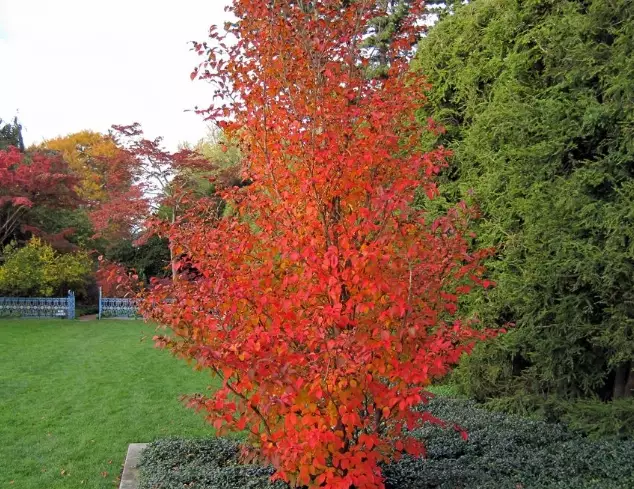
| Species (Common Name) | Mature Size (H x W) | Key Features & Best For | USDA Hardiness |
|---|---|---|---|
| Stewartia pseudocamellia (Japanese Stewartia) | 20-40' x 15-25' | The most common. Excellent flaky bark (orange, gray, cream). Great fall color. A classic, versatile choice. | 5-8 |
| Stewartia monadelpha (Tall Stewartia) | 20-30' x 15-20' | Smooth, orange-brown bark that peels in long strips. More columnar habit. Stunning cinnamon-colored bark in winter. | 6-8 |
| Stewartia sinensis (Chinese Stewartia) | 15-25' x 10-15' | Often considered the most beautiful bark – rich reddish-brown peeling to reveal cream & green. Smaller leaves. More shade tolerant. | 6-8 |
| Stewartia ovata (Mountain Stewartia) | 10-15' x 8-12' | Native to the SE US. Smaller, almost shrub-like. Larger flowers than others. Great for smaller gardens. | 5-8 |
| Stewartia rostrata | 15-20' x 10-15' | Beautiful beech-like bark. Fantastic, persistent red fall color. A newer introduction with great promise. | 5-8 |
See? There's a stewartia for different situations. If you have a small city garden, Stewartia sinensis or ovata might be perfect. For a larger woodland setting, the Japanese stewartia is a classic. I'm personally partial to the Chinese stewartia for that incredible, polished-looking bark.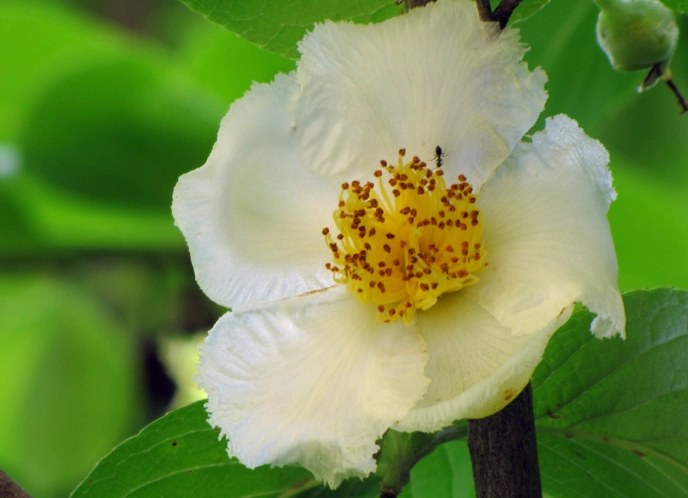
The No-Nonsense Planting & Care Guide
Alright, you've picked your variety. Now let's get it in the ground the right way. This isn't complicated, but every step matters.
Step 1: Site Selection is 90% of Success
Don't just plop it in the middle of the lawn. Think like the tree. Ideal spot? Morning sun with afternoon dappled shade, or bright, high canopy shade all day. Protection from strong, drying west winds. Not in a low spot where water collects. The soil should drain freely. Do a percolation test: dig a hole, fill it with water. If it drains in less than an hour, you're good. If it sits for a day, you need to pick another spot or build a raised berm.
Step 2: The Planting Hole – Wider, Not Deeper
This is critical. Dig a hole that's at least twice as wide as the root ball, but no deeper. You want the top of the root flare (where the roots start to spread out from the trunk) to be level with or slightly above the surrounding soil. Planting too deep is a death sentence. Mix the native soil you removed with a generous amount of compost or well-rotted leaf mold. Don't create a "bathtub" of rich soil in a clay hole; that just encourages roots to circle. You want to encourage them to spread out into the native soil.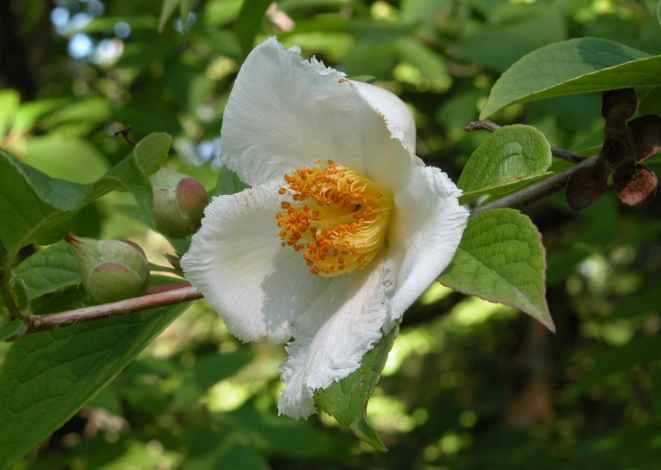
Step 3: Watering, Mulching, and Feeding
The first two years are all about establishing a deep, extensive root system.
- Watering: Deep and infrequent is the mantra. A long soak once a week is better than a daily sprinkle. The goal is to keep the soil consistently moist but never soggy. A soaker hose is your best friend here. Don't let it dry out completely, especially in its first summer.
- Mulching: Apply a 2-3 inch layer of organic mulch (shredded bark, pine needles, leaf mold) in a wide circle around the tree, but keep it a few inches away from the trunk itself. This keeps roots cool, conserves moisture, and slowly feeds the soil as it breaks down.
- Feeding: Go easy. An application of a slow-release, acid-loving plant food in early spring is plenty. More is not better. Over-fertilizing can lead to weak, leggy growth.
Pruning? Barely.
One of the joys of a stewartia is its lovely natural form. Pruning should be minimal and only for good reason: remove any dead, damaged, or crossing branches. Do any shaping cuts in late winter when the tree is dormant. The best pruning is often just standing back and admiring it.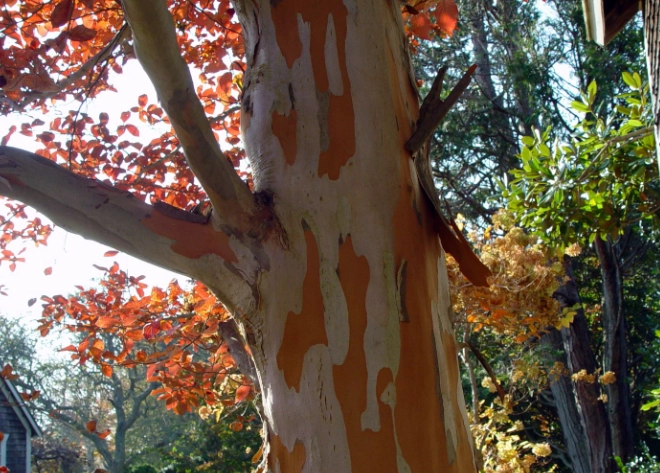
Common Stewartia Problems (And Real Solutions)
Stewartias are generally pest and disease resistant if they're happy. Stress is what makes them vulnerable.
Yellowing Leaves (Chlorosis)
This is usually a soil pH issue. If the leaves turn yellow but the veins stay green, your soil is likely too alkaline. The tree can't uptake iron. Solution: Apply a chelated iron supplement and use an acidifying fertilizer. Mulching with pine needles or oak leaves can help over time.
Leaf Scorch
Brown, crispy edges on the leaves, especially in late summer. This is usually environmental stress – too much hot sun, wind, or, most commonly, not enough water. Make sure your watering is consistent and deep. If it's in a scorching spot, consider providing some afternoon shade with a temporary screen.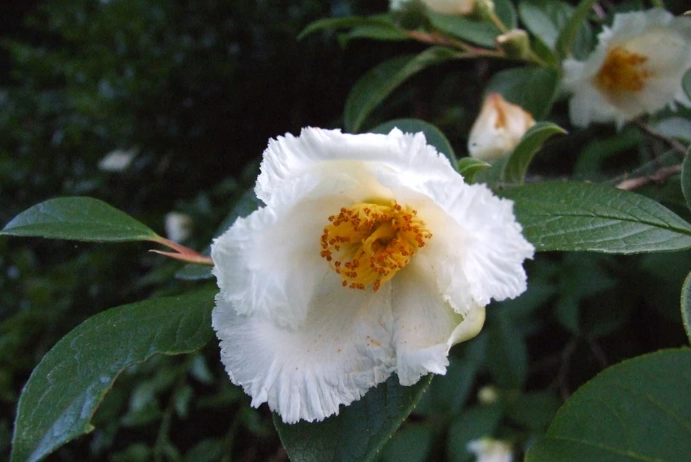
Root Rot
The big one. Caused by soggy, poorly drained soil. Symptoms are a general decline, wilting, and branch dieback. Prevention is the only cure: plant in well-drained soil. If you suspect it, improving drainage around the tree is the only hope.
For accurate diagnosis of plant health issues, always consult resources from your local university extension service or a certified arborist. They provide region-specific advice that's invaluable.
Frequently Asked Questions (The Stuff You're Actually Searching For)
How fast does a stewartia tree grow?
Let's manage expectations. Slow to medium. You might get 6-12 inches of growth per year in good conditions. This is actually a benefit – it means less maintenance and a stronger structure. You're planting a legacy tree, not an instant screen. In 10 years, you'll have a substantial small tree, not a giant. I like that pace; it feels more deliberate.
Can I grow a stewartia in a container?
You can, especially a smaller species like Stewartia sinensis, for a number of years. Use a large, sturdy pot with excellent drainage and a high-quality, acidic potting mix. Watering will be critical – containers dry out fast. You'll need to repot every few years to prevent root circling. Eventually, it will want to go in the ground, but container culture is possible with diligence.
What are good companion plants for a stewartia?
Think woodland edge. You want plants that enjoy the same light, moist, acidic conditions. Here's a shortlist that works beautifully:
- Understory Shrubs: Rhododendrons, Azaleas, Oakleaf Hydrangeas, Fothergilla.
- Perennials & Groundcovers: Hostas, Ferns (especially Japanese painted fern), Hellebores, Tiarella, Galax.
- Bulbs: Cyclamen, Snowdrops, Trillium. They bloom before the stewartia leafs out fully.
The goal is to create a layered, naturalistic planting that looks like it belongs together. The Missouri Botanical Garden's plant database is a fantastic resource for checking specific plant requirements and compatibility.
Is stewartia sinensis harder to grow than the Japanese type?
Some people say it's a tad more finicky, often regarding cold hardiness. Stewartia sinensis might be slightly less tolerant of extreme winter cold (below -10°F) than S. pseudocamellia. It also seems to appreciate a bit more shade and protection. But if you're in its comfort zone (Zones 6-8) and provide the right acidic, well-drained soil, it's no more difficult. Its beauty is worth the extra bit of site consideration.
Where can I buy a stewartia tree?
You won't typically find them at big-box garden centers. Seek out specialty nurseries, particularly those that focus on native plants, woody ornamentals, or mail-order trees. Look for nurseries that graft their stewartias, as this often produces a stronger, more uniform plant than seedlings. Always check reviews and ask about their plant guarantee.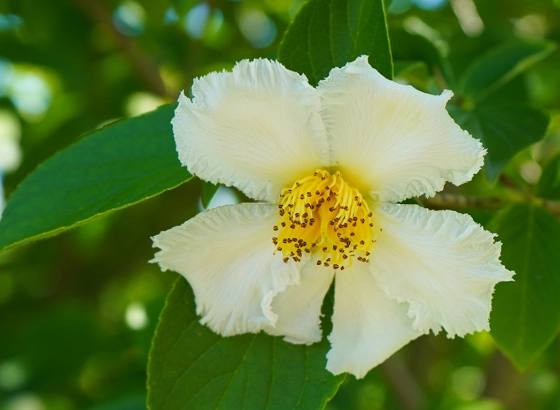
Final Thoughts: Is a Stewartia Right For You?
If you're a patient gardener who values subtlety and year-round beauty over instant gratification, then absolutely. A stewartia rewards attention to detail. It asks for a good home and consistent care in its youth, and in return, it gives you decades of unparalleled beauty.
It's not the tree for everyone.
If you have heavy, wet clay and aren't willing to amend the soil or build a raised bed, choose something else. If you need a fast-growing windbreak, look elsewhere. But if you have a sheltered nook with decent soil, or you're willing to create the right conditions, planting a stewartia is one of the most rewarding things you can do in your garden. You're not just planting a tree; you're installing a focal point that will evolve and captivate for generations. Start with a healthy plant from a reputable source, follow the simple rules of location and planting, and you'll be well on your way to growing one of the horticultural world's best-kept secrets.
For the most detailed botanical descriptions and nomenclature, authoritative sources like the Royal Horticultural Society or the USDA Plants Database are excellent for final verification. Now, go find the perfect spot.