Your Quick Growing Guide
- Why Are Mini Daisies So Popular? (It's Not Just the Looks)
- Getting to Know the Different Types of Mini Daisies
- How to Grow Mini Daisies: A Step-by-Step Guide That Actually Works
- Caring for Your Mini Daisies Through the Seasons
- Common Problems (And How to Solve Them Before They Start)
- Design Ideas: Using Mini Disies in Your Garden
You've probably seen them. Those cheerful little bursts of white (and sometimes pink, or yellow) popping up in garden centers, spilling over the edges of pots on a sunny patio, or forming a dense, flowering carpet in a well-tended border. Mini daisies have this quiet, unassuming charm that's hard to resist. They're not the divas of the garden; they're the reliable friends who show up every year with a smile.
But what exactly are they? And more importantly, if you want some of that simple joy in your own space, how do you get it? I remember picking up my first pot of what was labeled "miniature daisy" years ago, thinking it couldn't be simpler. Just sun and water, right? Well, I learned a few things the hard way—like why that one variety suddenly vanished after winter, or why another became a bit of a thug, spreading everywhere.
This guide is the one I wish I'd had.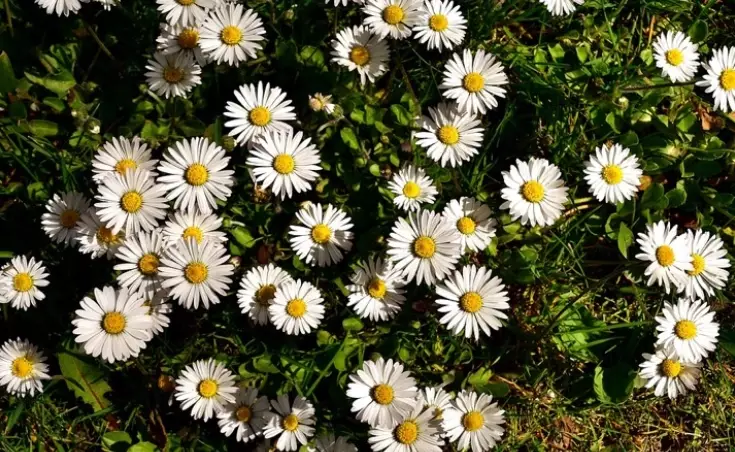
We're going to get into the nitty-gritty of these delightful plants. It's not just about sticking them in the ground. It's about choosing the right mini daisy for your specific spot, understanding their little quirks, and keeping them happy so they reward you with months of blooms. Whether you have a vast garden bed or just a windowsill, there's a mini daisy with your name on it.
Why Are Mini Daisies So Popular? (It's Not Just the Looks)
Sure, they're cute. That's a given. But their popularity among gardeners, especially beginners and container gardeners, runs deeper. For one, they are incredibly forgiving. Forget to water them one day? They might wilt a bit, but a good drink usually perks them right back up. They're not as fussy about soil as some perennials can be.
Their size is a huge factor. In today's world of small gardens, balconies, and patio containers, plants that stay neat and compact are gold. Mini daisies fit perfectly into the front of a border, along a pathway, or in a mixed container where you don't want anything to get too tall and leggy.
Then there's the bloom time. Many varieties are prolific flowerers, churning out blooms from late spring right through to the first frosts. That's a long season of color for very little effort. They also make fantastic cut flowers for tiny vases. Snip a few stems, and they'll brighten up your kitchen table for days.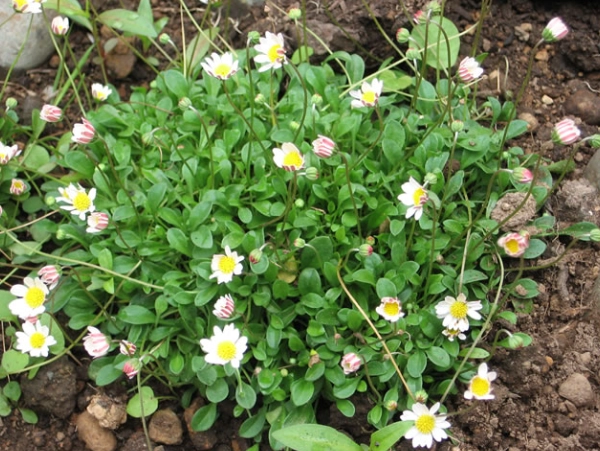
I think their biggest appeal, though, is the mood they create. There's something inherently cheerful and nostalgic about a daisy. It's a simple, happy flower. A patch of blooming mini daisies feels friendly and welcoming.
Getting to Know the Different Types of Mini Daisies
This is where the fun begins, and where a little knowledge saves you from my early mistakes. Picking a plant just because the photo looks pretty can lead to surprises. Some are tough perennial workhorses, others are annuals for seasonal color, and a few… well, a few might be tender and need to come indoors in winter.
Let's break down the most common players you'll encounter. I've put together a table to make comparing them easier.
| Common Name / Variety | Botanical Name | Type | Key Features & Color | Hardiness & Notes |
|---|---|---|---|---|
| English Daisy | Bellis perennis | Perennial (often grown as biennial) | Classic low rosette. White, pink, or red pom-pom like flowers. | Hardy. Loves cool weather. Can self-seed politely. |
| Miniature Shasta Daisy | Leucanthemum varieties (e.g., 'Snow Lady') | Perennial | The classic white-petaled, yellow-centered daisy look in a small package. | Very hardy and reliable. Forms clumps. |
| Livingstone Daisy | Dorotheanthus bellidiformis (Mesembryanthemum) | Annual | Succulent leaves, vibrant pink, purple, orange, white flowers. Opens in sun. | Tender. Loves heat and drought. Perfect for hot, dry spots. |
| Miniature African Daisy | Osteospermum compact varieties | Tender Perennial | Often with beautiful blue or purple centers. Wide color range. | Not frost-hardy. Treat as annual in cold climates or overwinter indoors. |
| Federation Daisy | Brachyscome multifida | Perennial (in mild climates) | Feathery foliage, masses of small blue, pink, or white daisies. | Great spillers for containers. Prefers cooler summers. |
See what I mean? That Osteospermum (African Daisy) was one of my first heartbreaks. I planted it, it was glorious all summer, and then one frosty morning it was a blackened mess. I hadn't checked if it was hardy for my zone. Now I know—if I want it again, it's a patio pot that comes into the garage in winter.
The Shasta types, like 'Snow Lady', are my go-to for hassle-free, year-after-year performance.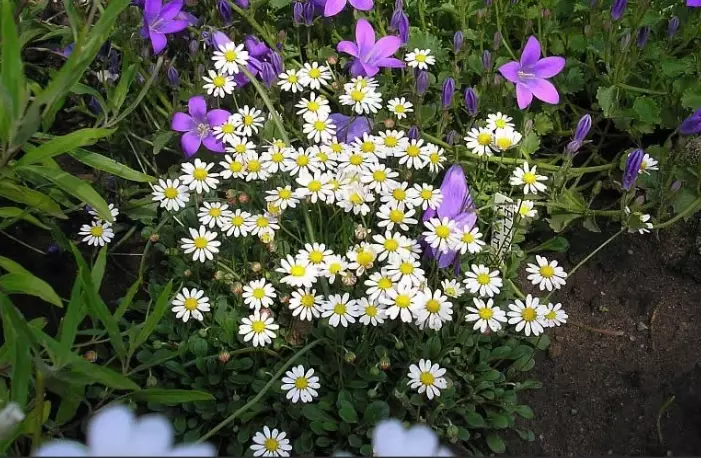
My Personal Favorites for Different Jobs
After killing a few and being delighted by many, here's my shortlist:
- For a Rock Garden or Dry Wall: Livingstone Daisy. It's unbeatable. It thrives on neglect and scorching sun. Just don't give it rich soil or too much water.
- For a Reliable Border Edge: A compact Shasta like 'Little Miss' or 'Daisy May'. It forms a tidy mound, doesn't flop, and the white flowers go with everything.
- For a Container Spiller: Federation Daisy (Brachyscome). It cascades beautifully and flowers its head off. It does need regular watering in a pot, though.
- For Early Spring Cheer: English Daisy (Bellis perennis). It's one of the first things to bloom in my garden, often when there's still a chill in the air.
How to Grow Mini Daisies: A Step-by-Step Guide That Actually Works
Okay, you've picked your plant. Now let's get it growing. This isn't rocket science, but getting the fundamentals right makes all the difference between a plant that survives and one that thrives.
Sunlight: The Non-Negotiable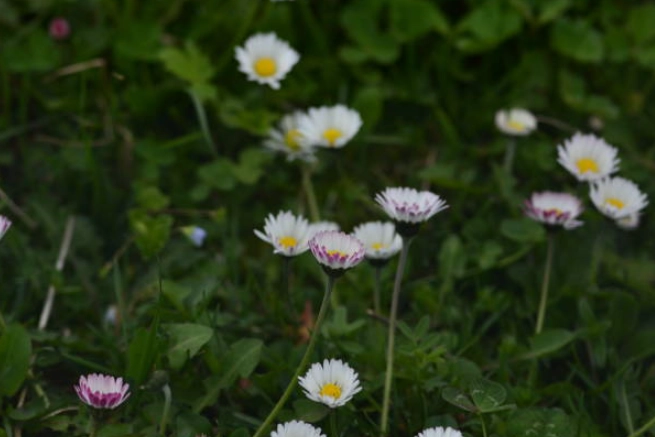
Almost without exception, mini daisies are sun worshippers. They need a minimum of 6 hours of direct sunlight per day. More is better. In partial shade, they'll get leggy, flop over, and produce far fewer flowers. I tried to squeeze some Bellis into a partly shaded spot once, and they just sulked, stretching weakly towards the light.
Soil and Drainage: Don't Let Them Sit in Wet Feet
This is the second most important thing. They like soil that is well-draining. They hate having their roots constantly soggy, which leads to rot. If you have heavy clay soil, you must improve it.
Here's what I do for in-ground planting:
- Dig a hole twice as wide as the pot.
- Mix the native soil you removed with a generous amount of compost or well-rotted manure. Maybe a 60/40 mix of soil to compost.
- For extra drainage in clay, add a handful or two of coarse horticultural sand or grit into the mix.
For containers, never use garden soil. Use a good-quality, all-purpose potting mix. You can add a handful of perlite to the mix for extra drainage, especially for the drought-loving types like Livingstone Daisy.
Planting: The Right Way to Set Them Up
Timing matters. For hardy perennials, early spring or early fall are best, so they can establish roots without the stress of summer heat or winter freeze. For annuals, plant after all danger of frost has passed.
When you take the plant out of its pot, gently tease the roots apart if they're circling densely. Plant it at the same depth it was in the pot. Firm the soil around it gently and give it a thorough watering to settle the soil around the roots.
Caring for Your Mini Daisies Through the Seasons
You've planted them. Now the relationship begins. Here's how to keep them happy.
Watering: The Goldilocks Principle
Not too much, not too little. The goal is consistent moisture, especially for young plants and those in containers. Stick your finger into the soil about an inch deep. If it feels dry, it's time to water. Water deeply at the base of the plant, not on the leaves, to encourage deep roots and prevent disease. Established, in-ground perennials are quite drought-tolerant, but they'll bloom better with occasional deep watering during long dry spells.
Feeding: A Little Goes a Long Way
mini daisies aren't heavy feeders. In fact, too much nitrogen (the first number on a fertilizer bag) will give you lots of lush green leaves at the expense of flowers. I use a balanced, slow-release granular fertilizer worked into the soil in early spring, or I feed my container mini daisies every 3-4 weeks with a half-strength liquid fertilizer formulated for flowers (one higher in phosphorus, the middle number, like a 5-10-5).
Deadheading: The Secret to Months of Blooms
This is the single most effective thing you can do to extend the flowering season. Deadheading simply means removing spent flowers. Don't just pull off the petals; snip or pinch off the entire flower stem back to the next set of leaves or a side shoot.
Why does this work? It stops the plant from putting energy into making seeds and tells it, "Hey, that one didn't work, try again!" And it does. I make a habit of doing a quick deadheading walk-through my garden once or twice a week with my secateurs. It's therapeutic.
For plants like the Shasta types, after the first big flush of blooms fades, you can shear the whole plant back by about one-third. It might look stark for a week or two, but it will bush out and produce a fresh crop of flowers.
Overwintering and Pruning
For hardy perennial mini daisies, leave the foliage in place over winter. It helps protect the crown of the plant. In very early spring, before new growth starts, you can cut back the old, dead foliage to the ground. For tender varieties in pots, you need to bring them into a frost-free place like a garage, greenhouse, or bright windowsill for the winter. Water them very sparingly—just enough to keep the roots from completely drying out.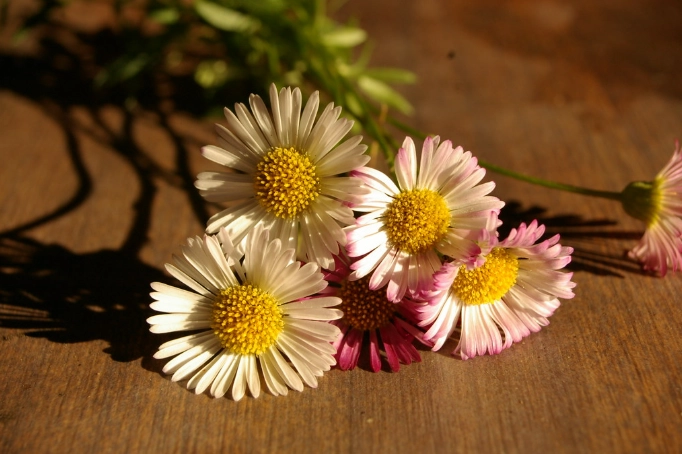
Common Problems (And How to Solve Them Before They Start)
No plant is completely problem-proof, but mini daisies are pretty tough. Most issues arise from the conditions we've already talked about: too little sun, too much water.
- Leggy, Flopping Growth: This is almost always insufficient sunlight. The plant is stretching to find more. The fix is to move it to a sunnier spot if possible, or accept it and maybe stake it discreetly.
- Yellowing Leaves: Could be overwatering (check soil drainage), or it could be a natural process as older leaves die back. If the new growth is yellow, it might be a nutrient deficiency, but that's less common.
- Powdery Mildew: A white, powdery coating on leaves. It happens when air circulation is poor and nights are cool and damp. Space your plants properly, water at the base, and if it's a recurring issue, look for mildew-resistant varieties. You can find excellent information on managing this common fungal issue from authoritative sources like the Royal Horticultural Society (RHS).
- Aphids: Sometimes these little green or black bugs find the tender new growth. A strong blast of water from the hose is often enough to dislodge them. For persistent problems, insecticidal soap works well.
Honestly, the best defense is a healthy plant. Give it the sun, soil, and water it wants, and it will be much more resistant to pests and diseases.
Frequently Asked Questions About Mini Daisies
Design Ideas: Using Mini Disies in Your Garden
This is the creative part. How do you make them look great?
I love using white mini daisies as a "buffer" or filler between more intensely colored flowers. They calm things down and make the hot colors pop even more. Think of them with purple salvias, deep blue campanulas, or red verbenas.
For a classic cottage garden look, let them mingle with other informal plants like catmint (Nepeta), lavender, and old-fashioned roses. They're perfect for that charming, slightly untended aesthetic.
In containers, they're brilliant. Use a taller thriller plant in the center (like a grass or dahlia), surround it with your mini daisies as the filler, and then add a spiller like ivy or sweet potato vine over the edge. Instant patio masterpiece.
Don't be afraid to mix different types of mini daisies together, either. A pot with white Shastas, blue Brachyscome, and pink Osteospermum is a riot of happy color.
At the end of the day, gardening is about experimentation and joy. mini daisies are some of the most rewarding plants to experiment with. They're tough, they're cheerful, and they ask for so little in return. Start with one variety that suits your conditions, get to know it, and you might just find yourself, like me, making room for a few more. They have a way of growing on you.
Reader Comments