Quick Navigation
Let's be honest. You've probably scrolled through Instagram or Pinterest, seen those stunning vases overflowing with zinnias, cosmos, and snapdragons, and thought, "I want that." Not just the bouquet—the whole experience. The satisfaction of walking outside with shears and coming back in with an armful of color you grew yourself. That's the magic of a dedicated cut flower garden.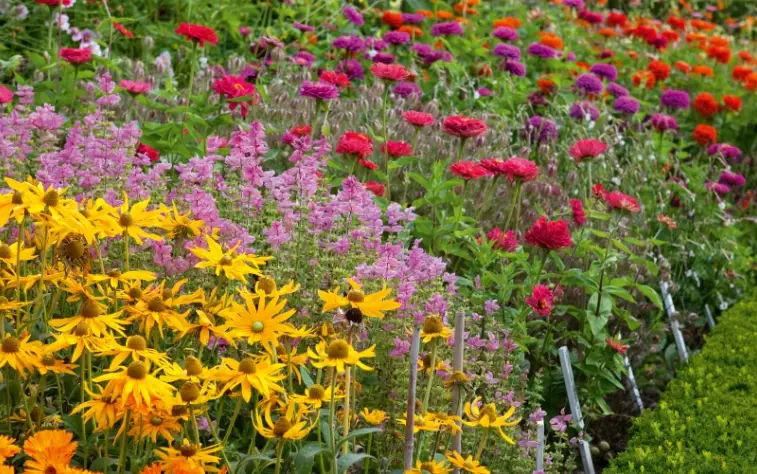
It's different from your average flower bed. This isn't just about pretty landscaping; it's a little production patch. A plot where every plant is chosen for its performance in a vase. And honestly? It's easier to get started than you might think, but there are a few key things you need to know upfront to avoid the mistakes I made (like planting sun-loving flowers in a shady corner... that was a sad summer).
Think of this guide as a chat over the garden fence. I'm not a bot spitting out generic advice. I'm someone who's dug the beds, battled the aphids, and celebrated the first perfect dahlia. I'll give you the real talk—what works, what's overhyped, and how to build a cut flower garden that actually supplies your home with blooms for months.
First Things First: What Even Is a Cut Flower Garden?
It sounds obvious, but it's worth defining. A cut flower garden is a garden space planned and planted specifically for harvesting stems for indoor arrangements. The priorities shift from general garden aesthetics to factors like: stem length, vase life, bloom time, and how often you can cut from the plant (this is called "succession").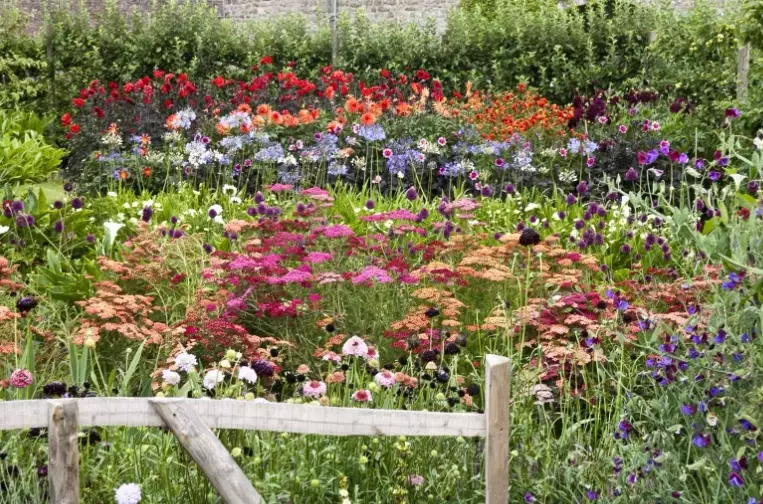
You're growing for the vase, not just for the view from your window. This mindset changes everything—from plant selection to spacing.
Why bother with a separate space? Well, you can certainly cut from your borders, but a dedicated patch lets you grow in higher density, practice succession planting easily, and not worry about leaving "gaps" in your ornamental beds. It's functional, beautiful, and incredibly rewarding.
My first attempt was a 4x8 foot raised bed in my backyard. I was shocked at how much it produced. That little patch convinced me to expand every year since. The key was starting small and focused.
Designing Your Plot: Sun, Soil, and Setup
Before you buy a single seed packet, you've got to sort the fundamentals. This is the unsexy but critical part. Skip it, and you're fighting an uphill battle.
Location, Location, Sunlight
Most cutting garden stars are sun worshippers. We're talking at least 6-8 hours of direct sun per day. More is better. Observe your potential spot over a full day. Morning sun is good, but afternoon sun is powerhouse energy for blooms.
What if you have shade? Don't despair. You can still have a cut flower garden, but your plant list changes. Think more about foliage (hostas, ferns), cool-season flowers like foxgloves and some hardy geraniums, or plants that tolerate partial shade like nicotiana and some astilbes. The Royal Horticultural Society (RHS) has a great resource on plants for partial shade that's worth a look.
Soil is Everything (No, Really)
You can't have great flowers without great soil. It's the foundation. Most flowers want soil that is well-draining yet moisture-retentive, and rich in organic matter. It's a balance.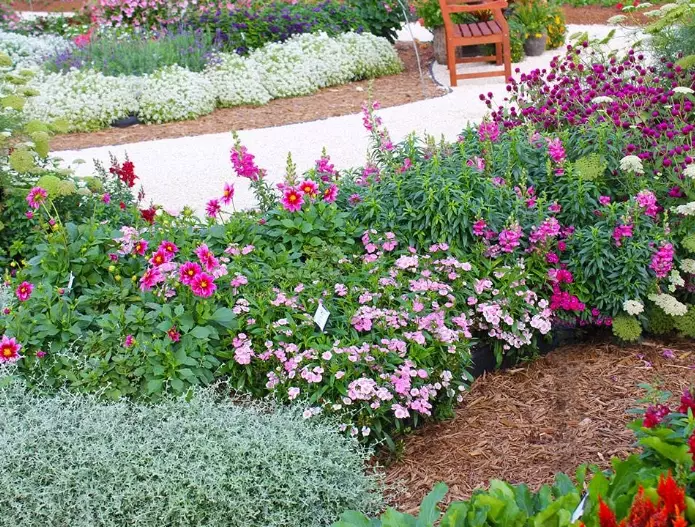
Here's my non-negotiable first step: get a soil test. Your local cooperative extension service (like the NC State Extension's soil guide) usually offers cheap or free tests. It tells you your pH and nutrient levels. Most flowers like a pH between 6.0 and 7.0.
Regardless of your test, the single best thing you can do is add compost. Lots of it. Work in a 2-4 inch layer of well-rotted compost or manure before you plant anything. It improves drainage in clay, helps retain water in sand, and feeds the soil life that feeds your plants.
Garden Layout & Style
How you arrange your cut flower garden depends on your space and style. There's no single right way.
- The Row Garden (Farm-Style): Simple and efficient. Long rows with paths in between. Easy to plant, weed, and harvest. It might not win landscape awards, but it wins on productivity. This is classic cutting garden design.
- The Block Planting: Similar to rows, but with wider blocks of a single plant. Good for visual impact and efficient harvesting.
- The Potager Style: Mixing ornamental layouts with productive plants. Think geometric beds, maybe with a focal point, mixing flowers with herbs or veggies. Beautiful and functional.
My advice? Start simple. Raised beds or defined ground beds with clear paths. Make sure you can reach the center of any bed without stepping on the soil (compacting soil is bad news).
Choosing Your All-Star Cast of Flowers
This is the fun part. The goal is to have something in bloom from late spring through fall. You achieve this by planting a mix of annuals (grow, bloom, die in one season), perennials (come back year after year), and maybe some bulbs.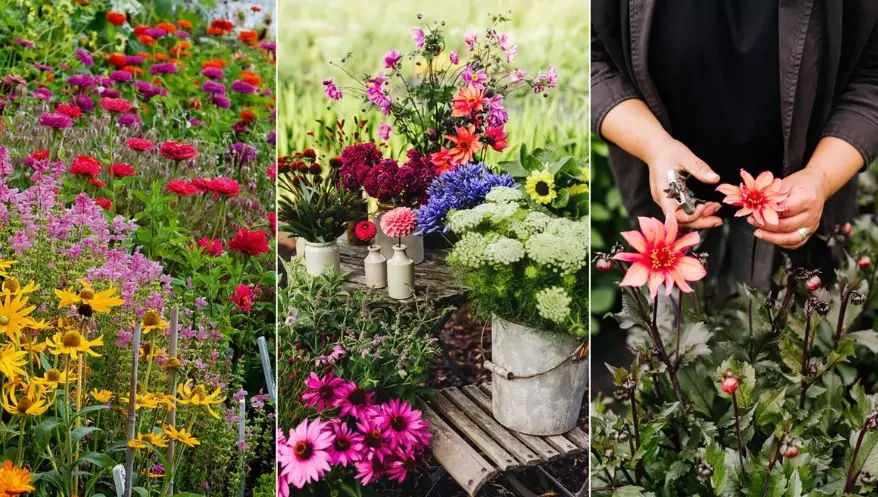
For a new cut flower garden, I heavily lean on annuals. Why? They bloom their hearts out all season long to complete their life cycle. They're the workhorses.
A good cut flower isn't just pretty. It has a strong stem, a good vase life (5-10 days is great), and often, the more you cut it, the more it blooms. This is called "cut-and-come-again."
Here's a breakdown of some top performers, categorized by what they bring to your vase. I've included some personal favorites and a couple I find overrated.
| Flower | Type | Why It's a Cut Winner | Vase Life & Tips |
|---|---|---|---|
| Zinnia | Annual | Unbeatable for color, size, and sheer productivity. Blooms non-stop if cut regularly. Drought tolerant. | 7-10 days. My absolute top pick for beginners. The 'Benary's Giant' series has incredible stems. |
| Cosmos | Annual | Airy, delicate foliage and graceful blooms. 'Sensation' mix gives tall stems. Bees love them. | 5-7 days. They look fragile but are tough. Perfect for adding lightness to arrangements. |
| Sunflower (branching types) | Go for 'ProCut' or 'Soraya' series, not the giant single-stem types. They produce many smaller blooms over weeks. | 7-10 days. A classic mood-booster. The pollen can shed, so some people prefer pollenless varieties. | |
| Snapdragon | Annual/Cool Season | Excellent vertical element. Wonderful fragrance. Great for spring and fall; can bolt in peak heat. | 7-14 days! Super long-lasting. Plant them early. |
| Dahlia | Tender Perennial (Tuber) | The queen of the late summer/fall garden. Infinite forms and colors. Stunning in arrangements. | 4-7 days. Requires more care (staking, pinching). Worth the effort, but maybe not year one. |
| Sweet Pea | Annual (Cool Season) | Fragrance is unbeatable. Old-fashioned charm. Requires a trellis. | 3-5 days. Short vase life, but the experience of growing and smelling them is worth it. |
| Celosia (Plume type) | Annual | Wild texture and bold color. Holds its form perfectly when dried. Heat lover. | 10-14 days fresh, indefinite dried. A fantastic two-for-one plant. |
| Bells of Ireland | Annual | Unique structural green element. That iconic lime-green "bell" is actually a calyx. | 7-10 days. The seeds need light to germinate—don't bury them! A bit fussy to start. |
A word on roses and peonies: They're glorious, but they're shrubs that take up permanent space and have a relatively short, specific bloom period. For a dedicated, productive cutting patch, I'd focus on the prolific annuals first. Add roses and peonies as perimeter plants if you have the room and patience.
Don't Forget the Fillers and Foliage!
This is a common mistake. You need the "glue" that holds an arrangement together.
- Foliage: Herbs are fantastic—mint, oregano, basil (let it flower!). Also consider perennial foliage like lady's mantle (Alchemilla mollis) or silvery artemisia.
- Airy Fillers: Baby's breath (Gypsophila), annual bupleurum, or even the delicate flowers of dill or fennel.
- Spikes: Snapdragons, foxgloves (biennial), and veronica add essential vertical lines.
The Year-Round Game Plan: Planting and Maintenance
A successful cut flower garden is about timing. You're not just planting once in May.
Starting from Seed vs. Buying Plants
You'll save a ton of money starting from seed, and you'll have access to infinitely more varieties. Some flowers, like zinnias, cosmos, and sunflowers, are so easy to direct sow right in the garden after the last frost. Others, like snapdragons or petunias, benefit from an early start indoors 6-8 weeks before your last frost date.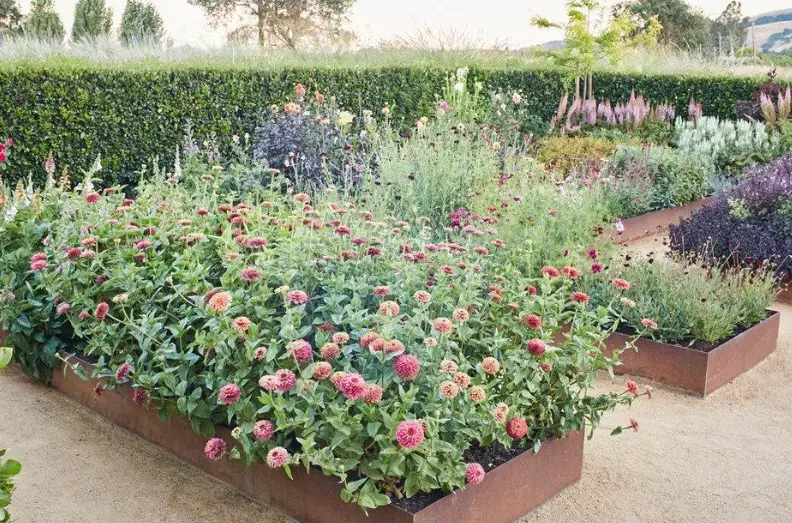
If starting seeds feels daunting, buy transplants for a few key things your first year. But try direct sowing some easy ones—it's magical.
The Succession Planting Secret
This is the #1 trick to avoid a one-time bloom glut followed by nothing. Succession planting means sowing a new batch of seeds every 2-4 weeks.
Zinnias and cosmos can get tired or hit by disease by late summer. If you sow a new patch in early July, you'll have fresh, vibrant plants coming into bloom just as the first planting fades. The Missouri Botanical Garden has a useful visual guide to succession planting concepts.
I mark my succession planting dates on my calendar. Otherwise, summer gets away from me. Sowing a few rows of zinnias in mid-July feels wrong (it's hot!), but by September, I'm so grateful I did.
Essential Care: Water, Food, and Pinching
Watering: Deep, infrequent watering is better than daily sprinkles. You want to encourage deep roots. Soaker hoses or drip irrigation are investments that pay off in time saved and healthier plants.
Feeding: All that blooming is hard work! I use a balanced organic fertilizer at planting time, then switch to a liquid fertilizer higher in phosphorus (the "bloom booster" number) every 2-3 weeks once plants start budding. Compost tea is also fantastic.
Pinching: This is a game-changer. For many plants (like zinnias, cosmos, dahlias, basil), when they're about 8-12 inches tall, you literally pinch off the very top growing tip. It sounds brutal, but it forces the plant to branch out from lower down, creating a bushier plant with many more flowering stems instead of one tall, lanky one.
Pinching feels like you're setting yourself back, but you're actually investing in future abundance. It's the best five seconds of garden care you'll spend.
Harvesting and Arranging Like a Pro
You've grown them, now how do you make them last?
The Right Cut at the Right Time
Harvest in the cool of the morning or evening, when plants are hydrated. Use sharp, clean snips.
Cut most flowers just as they are starting to open. A zinnia should have its petals slightly unfurled, not tight. A rose should be a soft bud just showing color. If you wait until it's fully open in the garden, its vase life is already half gone.
Immediately plunge stems into a bucket of clean, room-temperature water. Get them out of the sun and into the house to condition.
Conditioning Your Blooms
This step is non-optional. Strip any leaves that will be below the water line in the vase (they rot and breed bacteria).
For woody stems (like sunflowers, shrubs), smash the bottom inch with a hammer or make a vertical slit to help them drink.
For milky-sapped stems (like poppies, dahlias), sear the end for 5-10 seconds with a flame (a candle or lighter) or dip in boiling water for 10 seconds to seal the sap.
Let all stems drink deeply in a cool, dark place for several hours or overnight before arranging. This is called "hardening off" and makes a massive difference in longevity.
Simple Arranging Principles
You don't need to be a florist. Start with a clean vase. Use a "recipe": something tall/spiky, something round/focal, and something airy/filler.
Criss-cross stems as you place them in the vase to create a natural grid that holds everything in place. Change the water every other day and re-cut the stems at an angle to keep them fresh.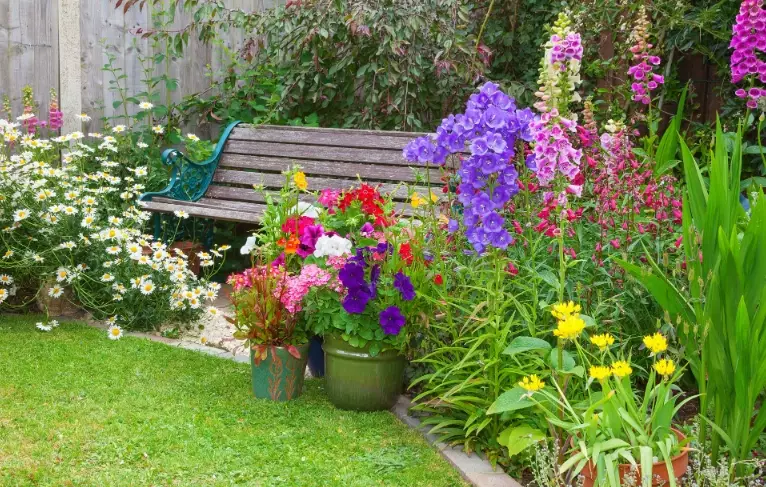
Common Questions (The Stuff You Actually Search For)
Wrapping It Up: Your Next Step
Building a cut flower garden is a journey, not a weekend project. You'll learn more each season. The biggest tip I can give is to just start. Pick a sunny spot, prep the soil with compost, and order a packet of zinnia and cosmos seeds.
That first bouquet you bring inside, made entirely from your own patch, is a feeling that never gets old. It's not just flowers; it's a connection to your patch of earth, the seasons, and a deeply satisfying kind of creativity.
Your garden might not look like a magazine spread in year one, and that's perfectly fine. Mine certainly didn't. But it will be uniquely, wonderfully yours. And every stem will tell a story you grew yourself.
Now, go get your hands dirty.